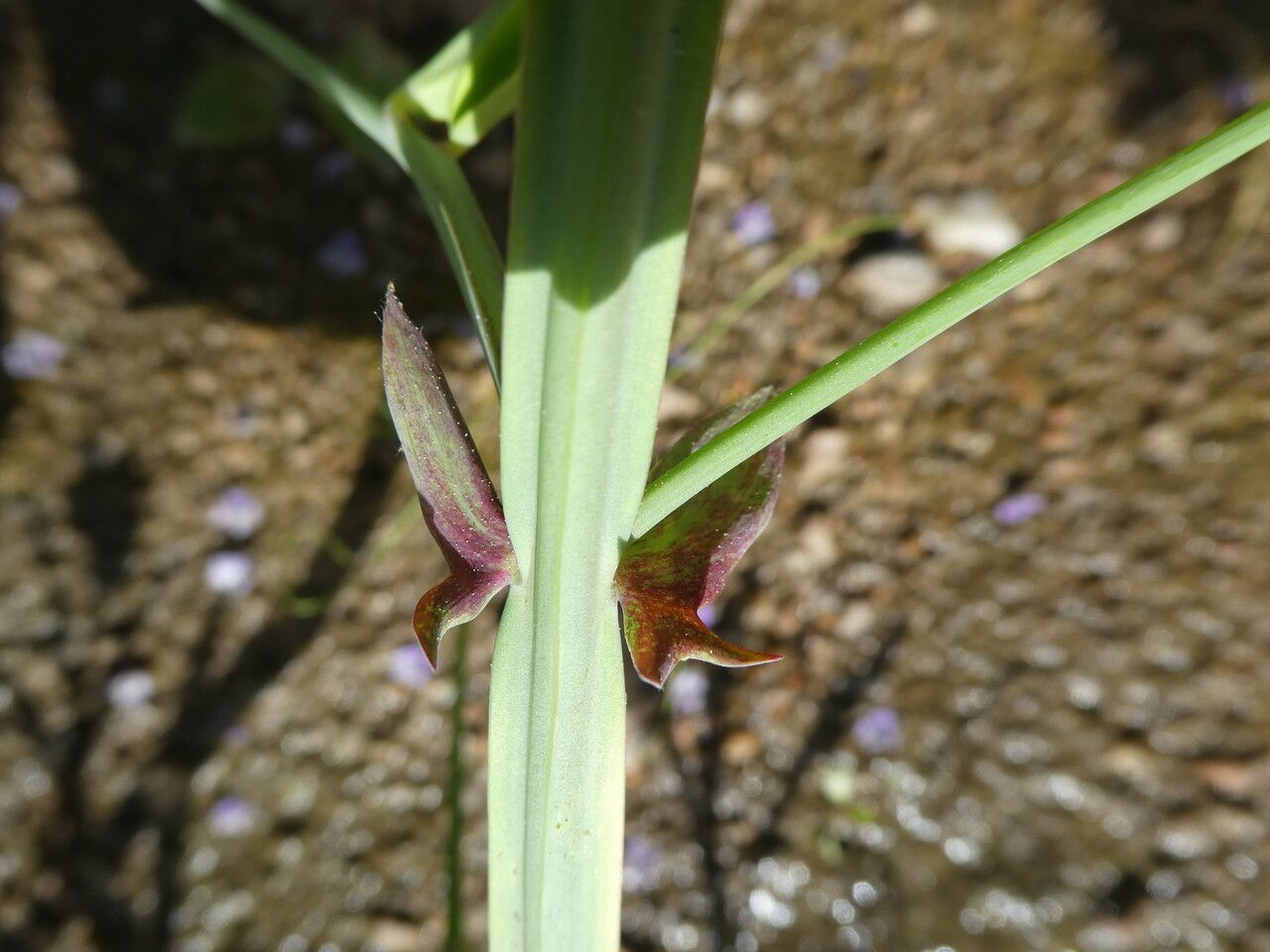
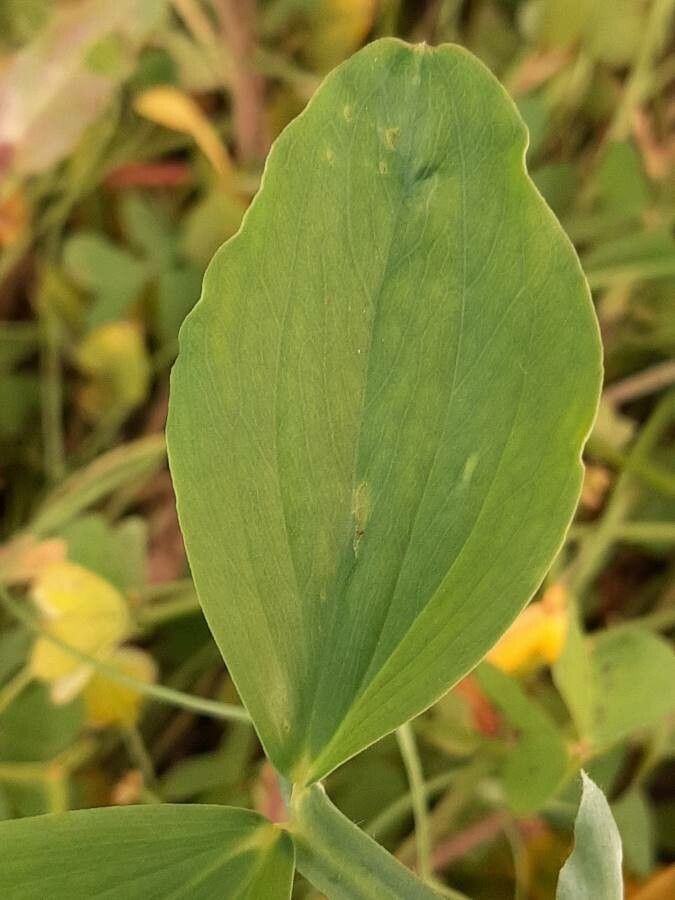
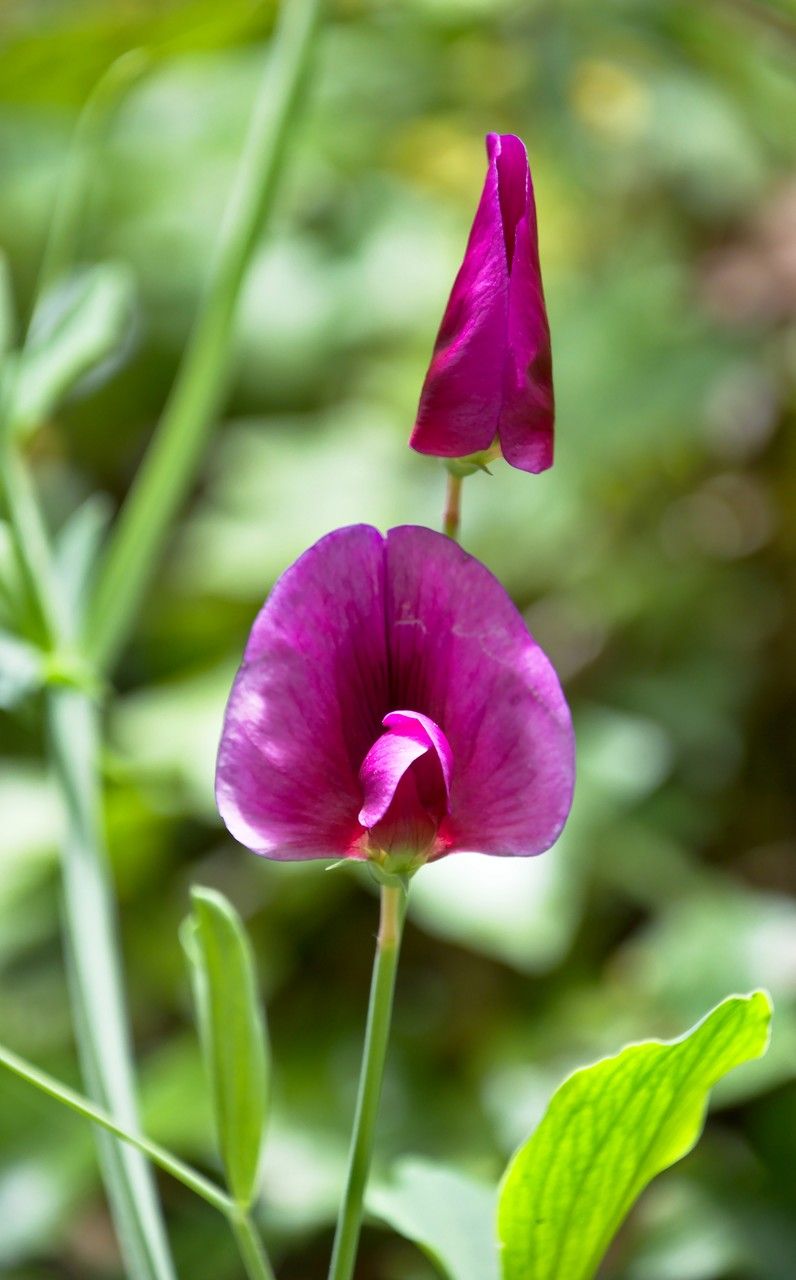
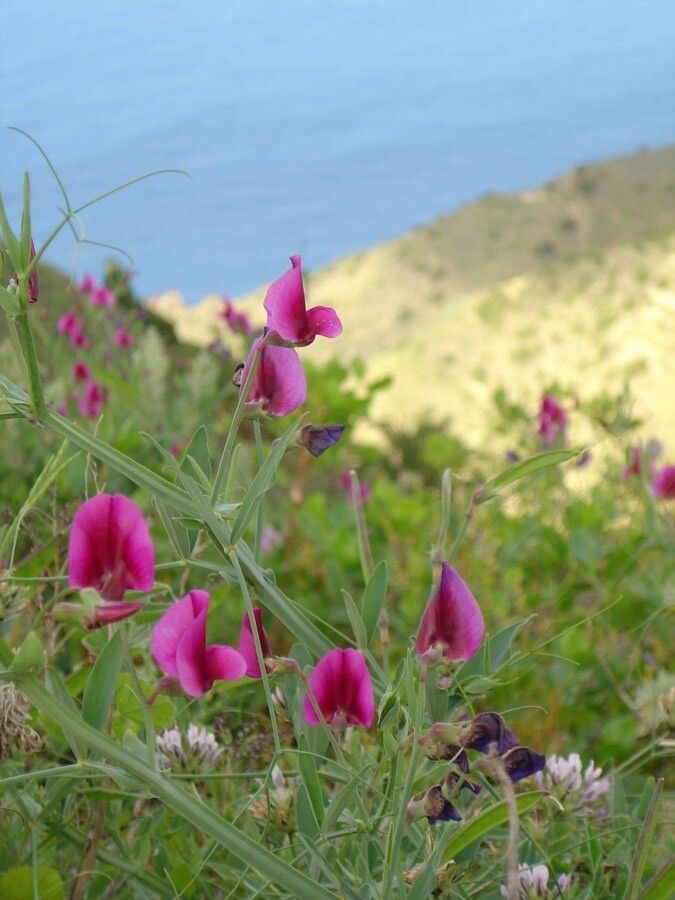
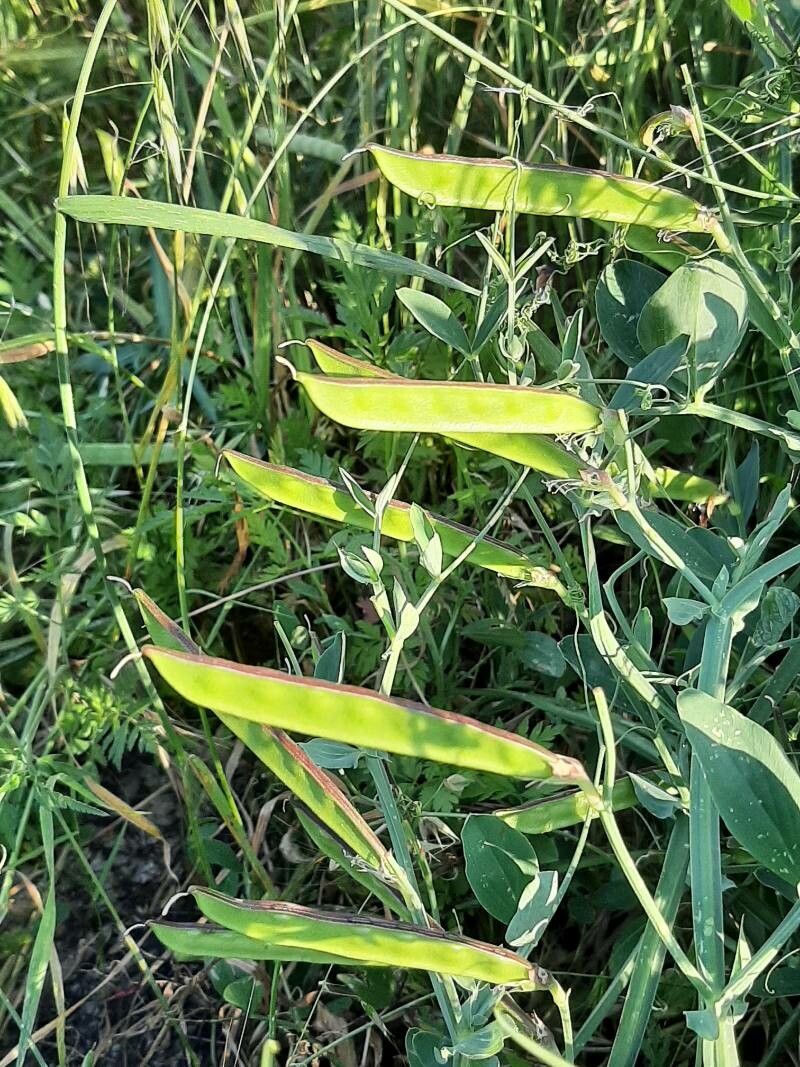
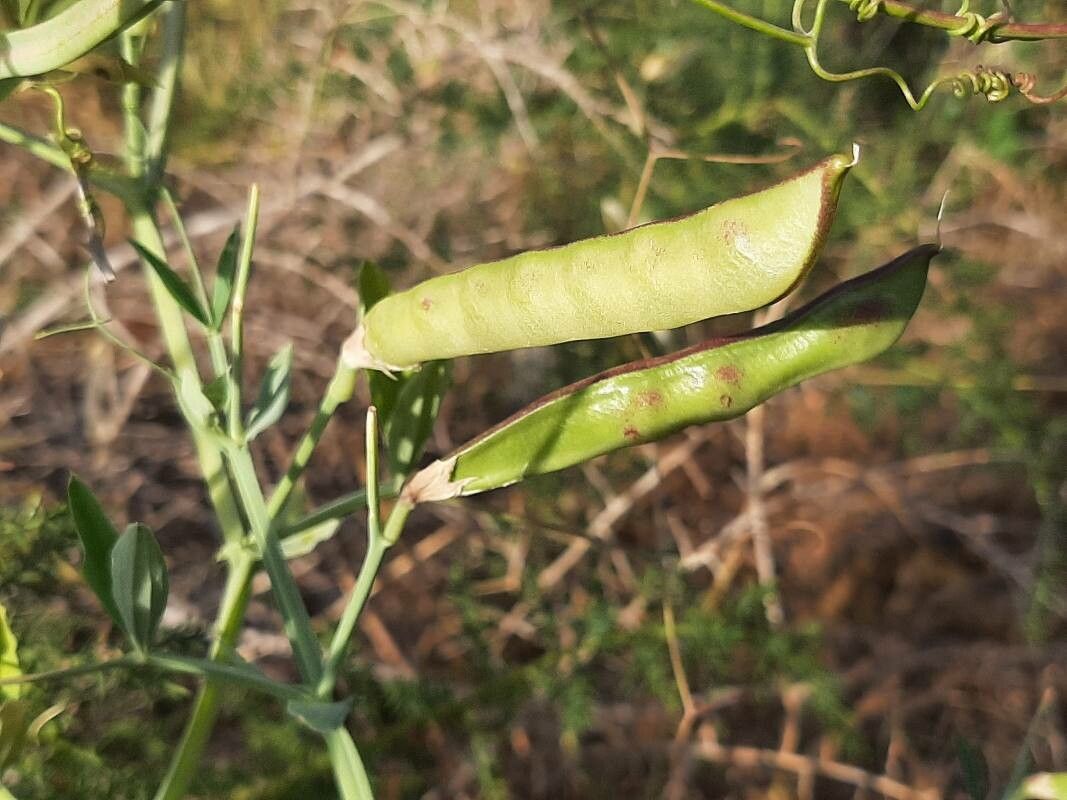
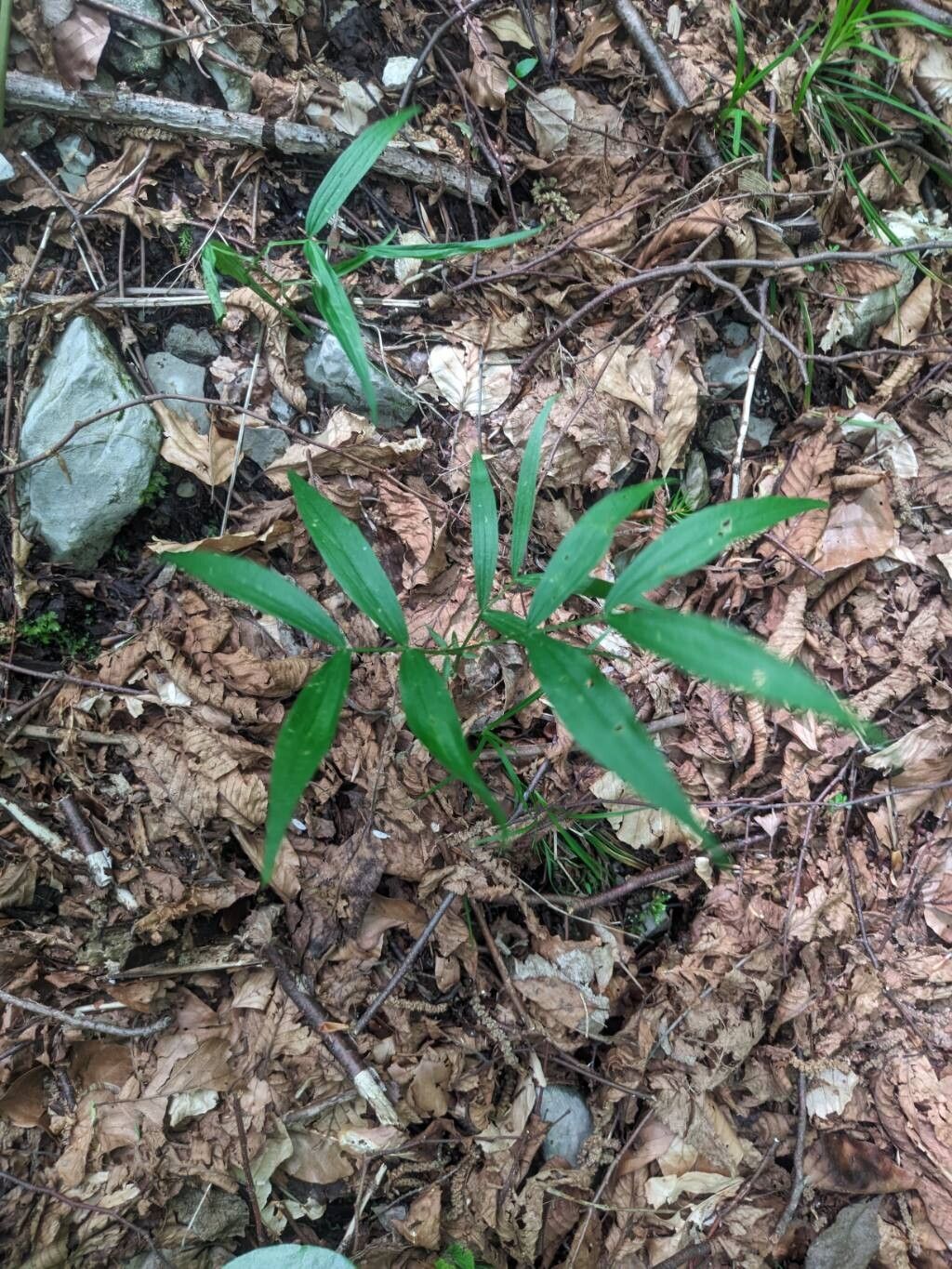
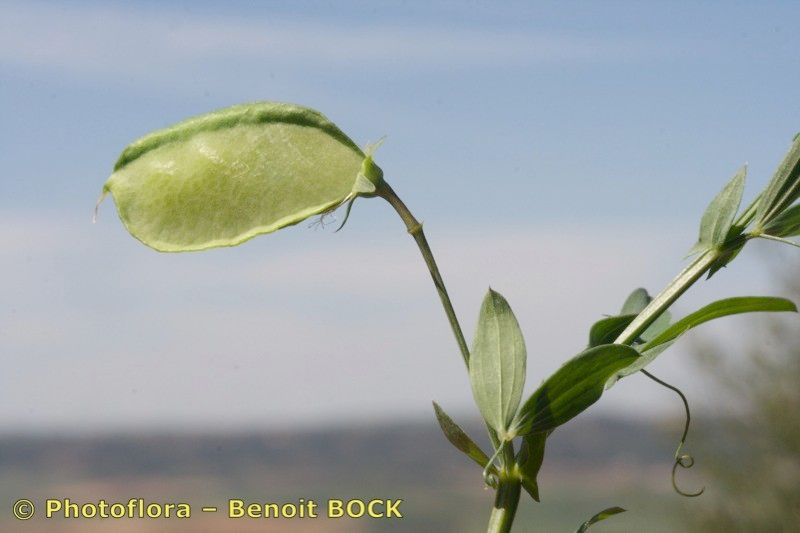
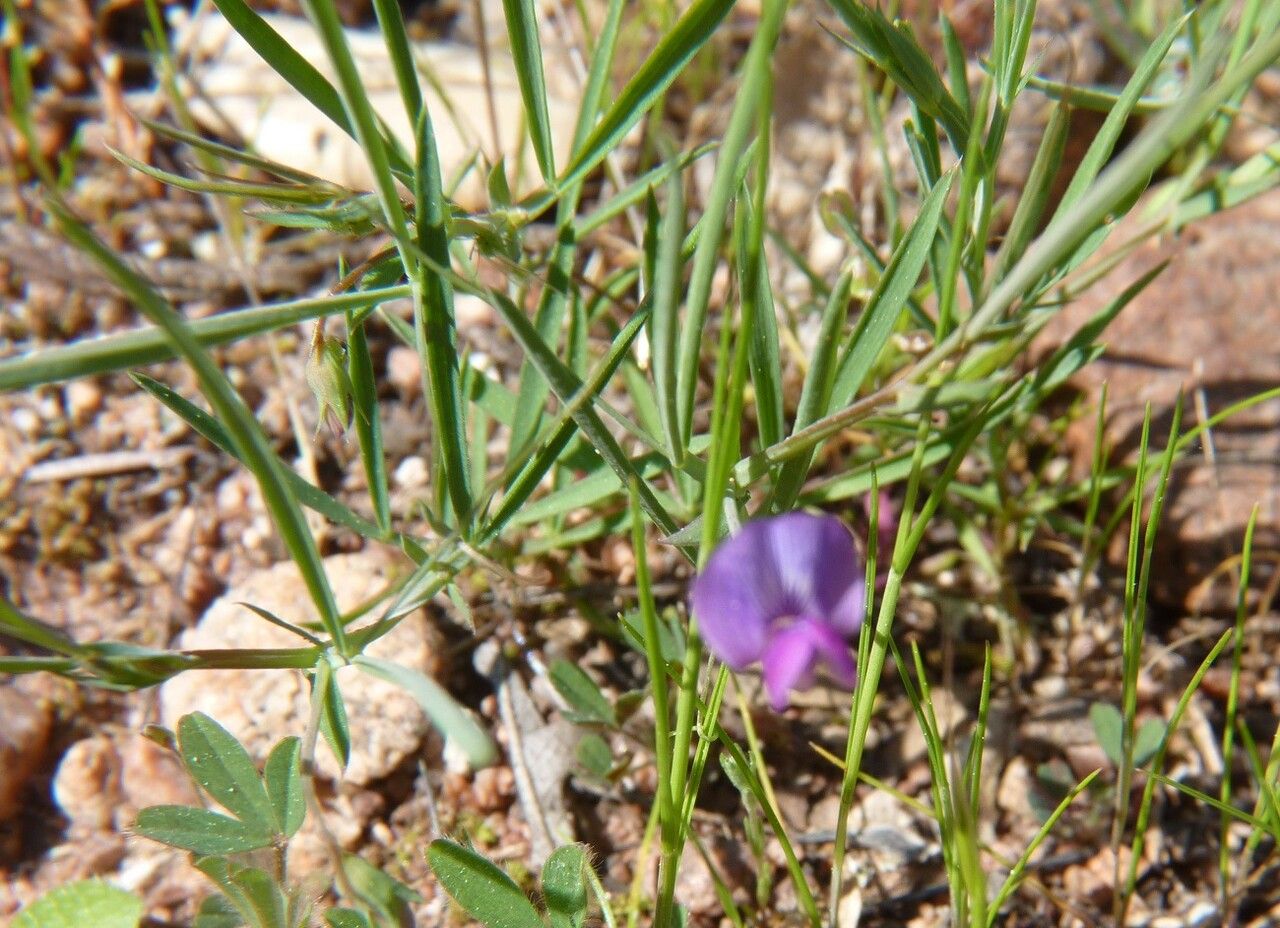
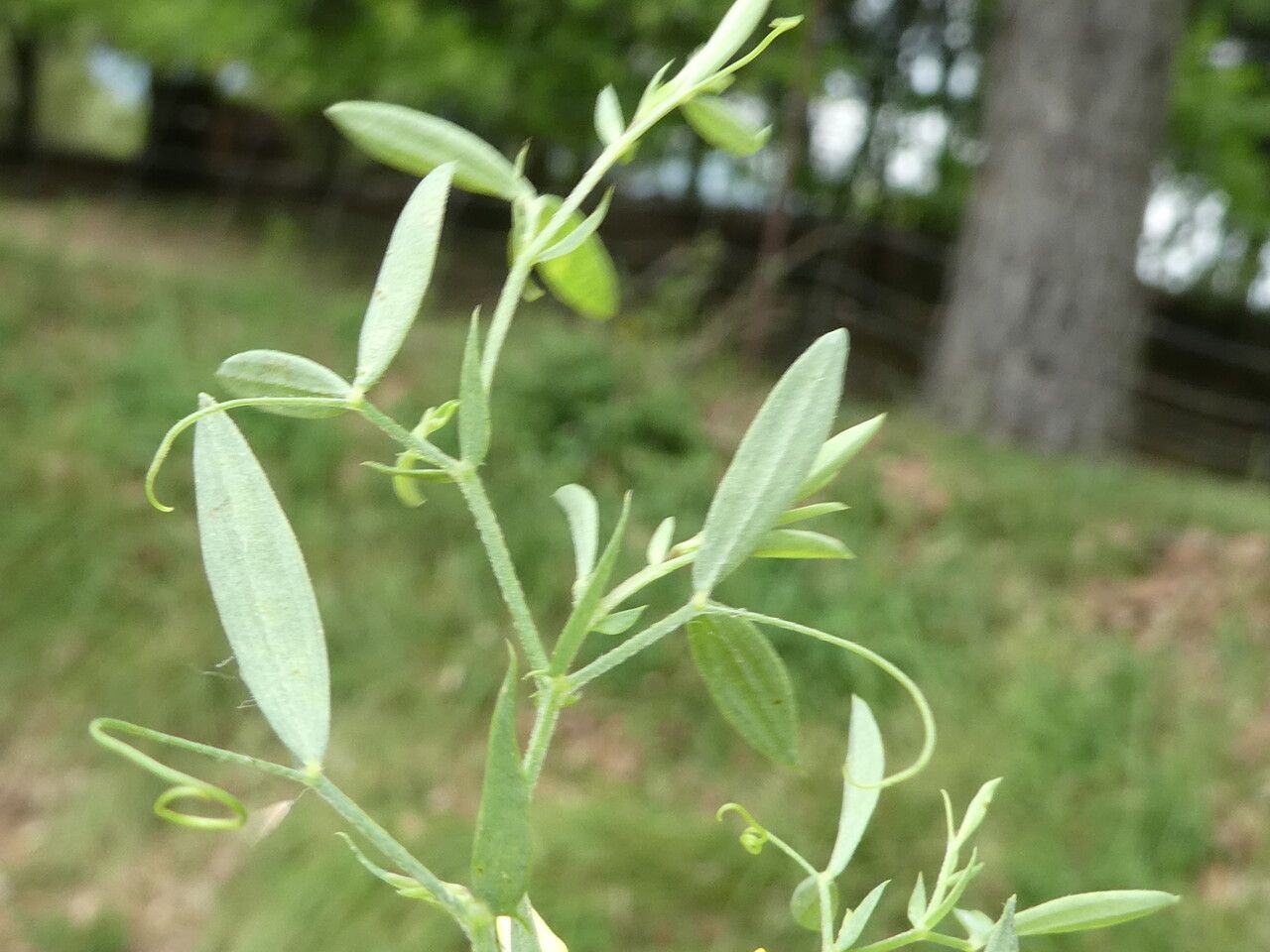
Lathyrus tingitanus is a species of wild pea known by the common name Tangier pea. It is native to southwestern Europe and Northwest Africa, and it is present in other regions of the world as an introduced species, including the Pacific Northwest of the United States. This is an annual herb producing a winged stem which climbs by means of coiled tendrils. The leaves are each made up of two leaflike linear leaflets a few centimeters long. The inflorescence has two or three pea flowers in varying shades of red, each up to 3 centimeters wide. The fruit is a hairless dehiscent legume pod.
Tangier pea shows good resistance to disease and is usually not susceptible to illnesses. However, it can be affected by pests and diseases present in its environment. These infections tend to be mild. For care, this plant requires moderate maintenance. It should be pruned regularly to keep a neat appearance and encourage healthy growth. Fertilizing can also help promote flowering. Tangier pea is suitable for anyone with outdoor space, such as a garden or patio, and does not demand extensive care experience. It may need more attention when grown indoors.
How to keep Lathyrus Tingitanus.
Light
The Tangier pea grows best in spots that receive strong, direct sunlight for most of the day. Although it can survive in lower light, this may negatively affect its growth and overall health. It comes from typically sunny habitats and is therefore adapted to high sun exposure.
Water
The Tangier pea flourishes in moderate climates with consistent moisture, avoiding waterlogging. It thrives with weekly watering, which helps maintain its vitality. Its strong growth is closely tied to regular watering and seasonal rainfall patterns, making it a popular choice as an ornamental outdoor plant.
Temperature
Tangier pea can adjust to a broad range of temperatures, but its range may still be constrained by various combinations of moisture and heat. It performs best in warm summer climates with sufficient rainfall or watering. Extended periods of cloudy, rainy weather or prolonged high temperatures can raise the chance of Tangier pea dying. In winter, adequate protection from the cold can increase the plant’s survival rate.
Fertilizer
When most of the Tangier pea's blooms have opened and reached full size, resume fertilizing. During peak bloom, apply fertilizer every three to four weeks, as weather permits. Then, once the Tangier pea starts producing fewer new blooms, stop fertilizing — there's no need to fertilize when the plant can no longer produce more blooms.
Pruning
The Tangier pea is a vigorous climbing plant known for its fragrant flowers. To encourage growth and blooms, prune it between early and late spring. Be sure to remove any dead or overcrowded stems to improve air circulation. Pinching young shoots will promote bushier growth. By timing these activities properly, you support the plant's natural growth and flowering cycle.
Botanical profile.
- Plant Type
- Herb, Vine
- Life Cycle
- Annual, Biennial
- Genus
- Lathyrus
- Family
- Fabaceae
- Hardiness Zone
- 7-10
- Mature Height
- 1.52 m to 2.44 m
- Mature Spread
- 10 cm to 49 cm
- Leaf Color
- Green
- Leaf Type
- Deciduous
- Flower Color
- Pink, Purple, Red
- Flower Size
- 3.05 cm
- Bloom Time
- Mid spring, Late spring, Early summer
- Planting Time
- Spring, Summer
- Harvest Time
- Summer
- Native Area
- Italy, Spain, Algeria, Morocco, Portugal
Other names.
Reader questions.
How should I water my Tangier pea plant?
To water Tangier pea, there are various options you can choose from. You can use a garden hose with a spray nozzle, a watering can, or any other common watering tool. Tangier pea is not too particular about the type of water it receives, and it can survive with rainwater, tap water, or filtered water. However, it is best to avoid watering this plant from above as it can harm the leaves and flowers and potentially lead to diseases. Instead, setting up a drip irrigation system is often the most effective method for watering Tangier pea. These systems ensure that water is evenly and directly applied to the soil. If you have a container-grown Tangier pea, you can use a similar approach to watering but using tools such as a cup, watering can, or tap to directly apply water to the soil.
What are the sunlight requirements for Tangier pea (Lathyrus tingitanus)?
Tangier pea requires strong, unfiltered sunlight for the majority of the day to thrive, ideally above 6 hours of sunlight, qualifying it as a plant needing full sun exposure. While it can tolerate partial sun conditions, about 3-6 hours of sunlight, the reduced light may negatively affect its growth and overall wellbeing. Its natural adaptation to sunny habitats underlines the importance of providing ample sunlight or utilizing artificial lighting solutions, especially in less sunny spaces or during winter.
What should I do if I give my Tangier pea plant too much water or too little water?
To remedy Tangier pea underwatering, water the plant more often when you notice it lacks moisture. However, overwatering is a bigger problem that can lead to diseases and potentially kill the plant. To prevent this, choose a sunny location with well-drained soil that allows excess water to drain properly. If you overwater a potted Tangier pea, consider transferring it to a new pot with good drainage and loose soil.
How can I use artificial lighting effectively for indoor Tangier pea plants?
When natural sunlight is insufficient for indoor Tangier pea plants, artificial lighting can be a vital supplement. Opt for LED lights, which can be tailored to provide specific light wavelengths needed by plants. For plants requiring full sun, aim for 30-50W per square foot of artificial light; for partial sun, 20-30W per square foot; and for full shade plants, 10-20W per square foot. Position the light source about 12-36 inches above the plant to mimic the effects of natural sunlight. Most plants will benefit from 8-12 hours of artificial light daily, closely imitating natural daylight hours.
How often do I need to water my Tangier pea plant?
To ensure the healthy growth of your Tangier pea, it is important to provide regular watering throughout the growing season. In spring, water the plant once a week. As the season progresses and temperatures rise, you may need to increase watering to two or three times per week. However, be careful not to exceed this rate as it can harm the plant. Regardless of the watering frequency, it is crucial to maintain moist but not overly wet soil for your Tangier pea. Watering potted Tangier pea plants requires a slightly different approach. Due to the faster heat and moisture loss in pots, you should water them more frequently, generally a few times per week compared to just once for plants in the ground.
What are the signs of light deficiency in Tangier pea plants?
When Tangier pea is grown indoors with insufficient light, it may exhibit symptoms such as smaller leaves, leggy or sparse growth, faster leaf drop, and stalled new leaf production, signaling light deficiency. Leaves might develop a lighter color or yellowish hue due to chlorosis, a condition caused by inadequate sunlight. Conversely, symptoms of excessive sunlight exposure include sunscald, leaf curling, wilting, and leaf scorching, which indicate direct damage from intense sunlight.
How much water does my Tangier pea plant require?
Determining the proper amount of water for your Tangier pea can be approached in a few different ways. One option is to gauge the soil's moisture by feeling it and watering until the first six inches feel damp. Another approach is to adhere to a set measurement, such as providing approximately two gallons of water per week, adjusted based on factors like temperature and soil dryness. However, be cautious with these guidelines as they may lead to overwatering if your plant requires less. If growing your Tangier pea in a container, a different method is necessary. It is recommended to water until all layers of dry soil are moistened, which can be assessed by sticking your finger into the soil. Another indicator is when a slight trickle of excess water drains from the pot's drainage holes.
How do I address sunlight-related issues in my Tangier pea plants?
To resolve sunlight-related issues in Tangier pea plants, gradually increase their exposure to sunlight by moving them to sunnier locations each week until they receive at least 6 hours of direct sunlight daily. For indoor plants, utilize a south-facing window or artificial lighting to supplement light exposure. Outdoors, ensure that plants are gradually acclimatized to sunlight to avoid shock or sunburn. If necessary, prune surrounding trees to reduce shade or consider transplanting smaller plants to sunnier locations, keeping in mind the plant's dormant period for minimal stress. It's essential to understand that areas of the plant already affected by poor light may not recover, but new growth will be healthy with improved lighting conditions.
How do I know if I'm giving my Tangier pea plant enough water?
Avoiding overwatering your Tangier pea can be challenging due to conflicting watering requirements. While these plants have deep roots that need to be watered weekly, they are prone to root rot and browning when overwatered. Underwatering is less of a concern as Tangier pea can survive without supplemental watering for some time. However, if not watered for too long, they may wilt and develop dry leaves.
How should I water my Tangier pea plant in different seasons?
As the season progresses, the water needs of your Tangier pea plant will increase. In spring, you should water it once a week. However, when summer arrives and the weather gets hotter, you may need to water it up to three times a week. This is especially important if your Tangier pea is growing in a container, as the soil in containers tends to dry out quicker. In autumn, when the temperature drops and the sun is not as intense, your Tangier pea may require less water.
How do I water my Tangier pea when it is growing?
Throughout the year, Tangier peas go through various growth stages that require different amounts of water. To start, when you sow the Tangier pea seeds, it's important to provide more water during the germination stage than the plant will need later on. This means watering often enough to keep the soil consistently moist. After a few weeks, when the Tangier pea grows above the soil, it will require slightly less water than during the seedling phase. Once the plant reaches maturity, you can switch to a regular watering schedule, typically once per week. During the flower development stage, you may need to increase the amount of water slightly to support the process.
What's the different way to water Tangier pea when it's inside or outside?
Most Tangier pea plants are grown outdoors because they tend to grow tall. Additionally, these plants require more sunlight than most indoor locations can provide. However, if you can create a suitable indoor growing environment, you should be prepared to water your Tangier pea plant more often than you would for outdoor growth. This is partly due to indoor locations being drier, often because of HVAC units, and partly because the soil in containers can dry out quickly compared to soil in the ground.