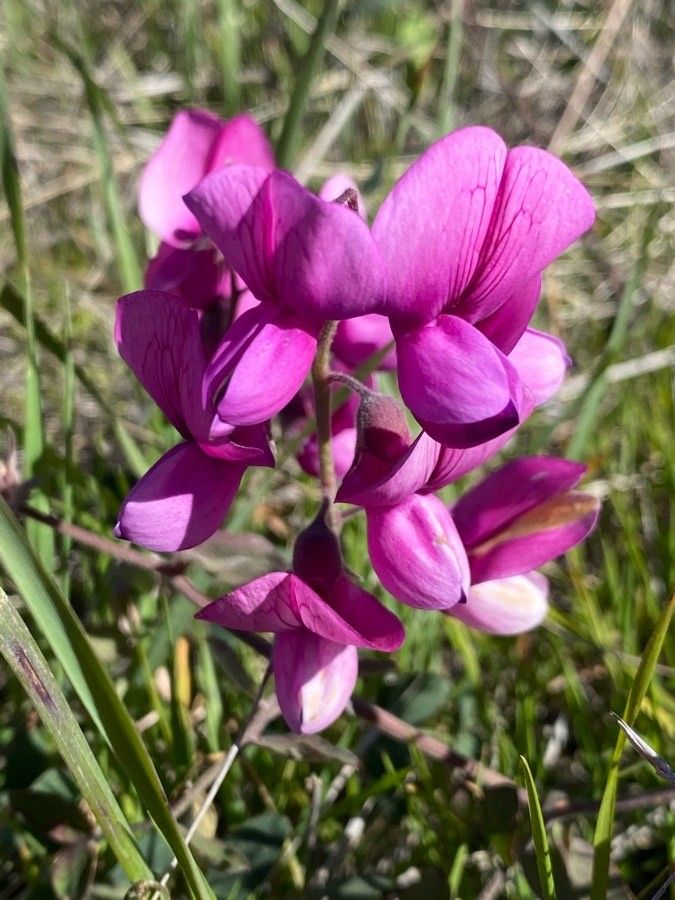
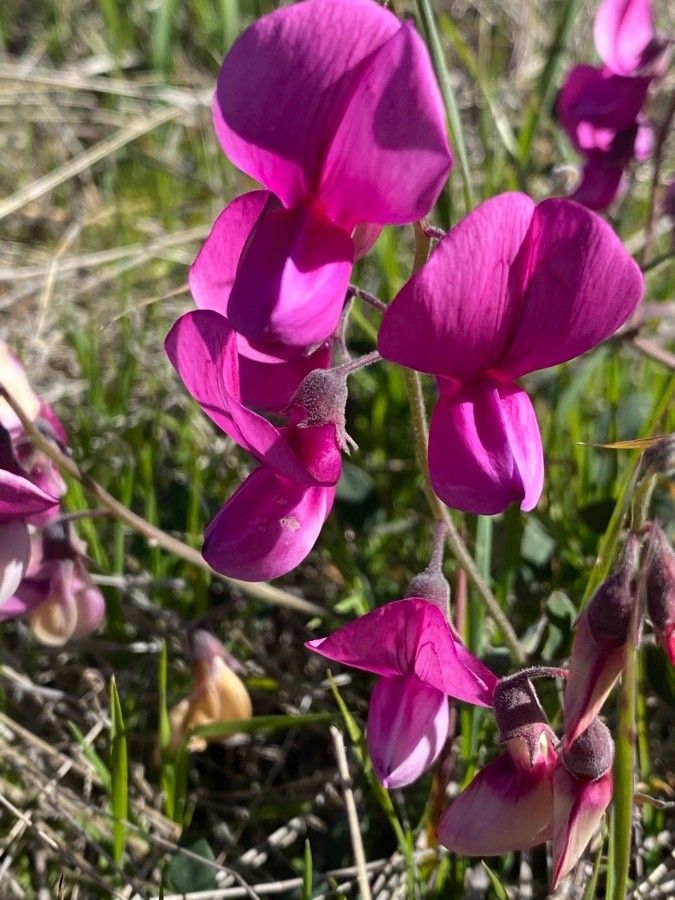
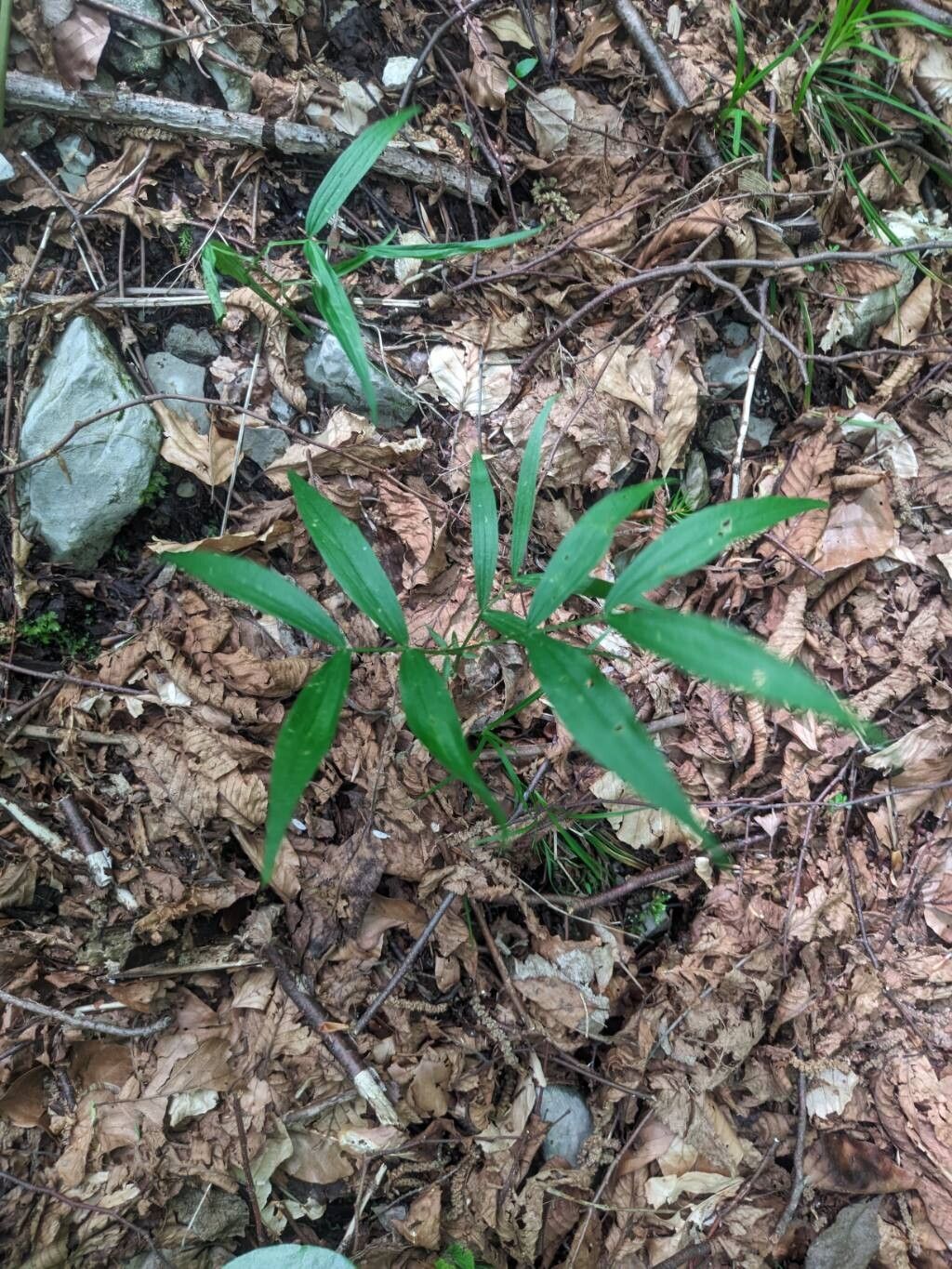
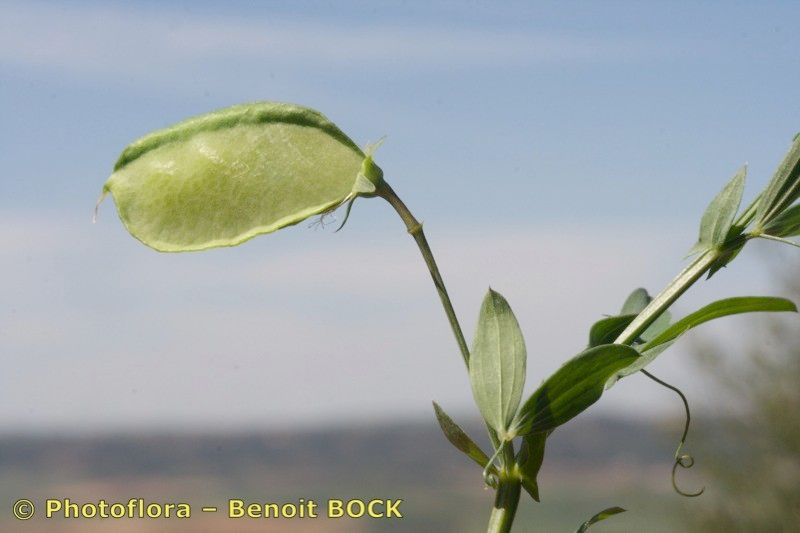
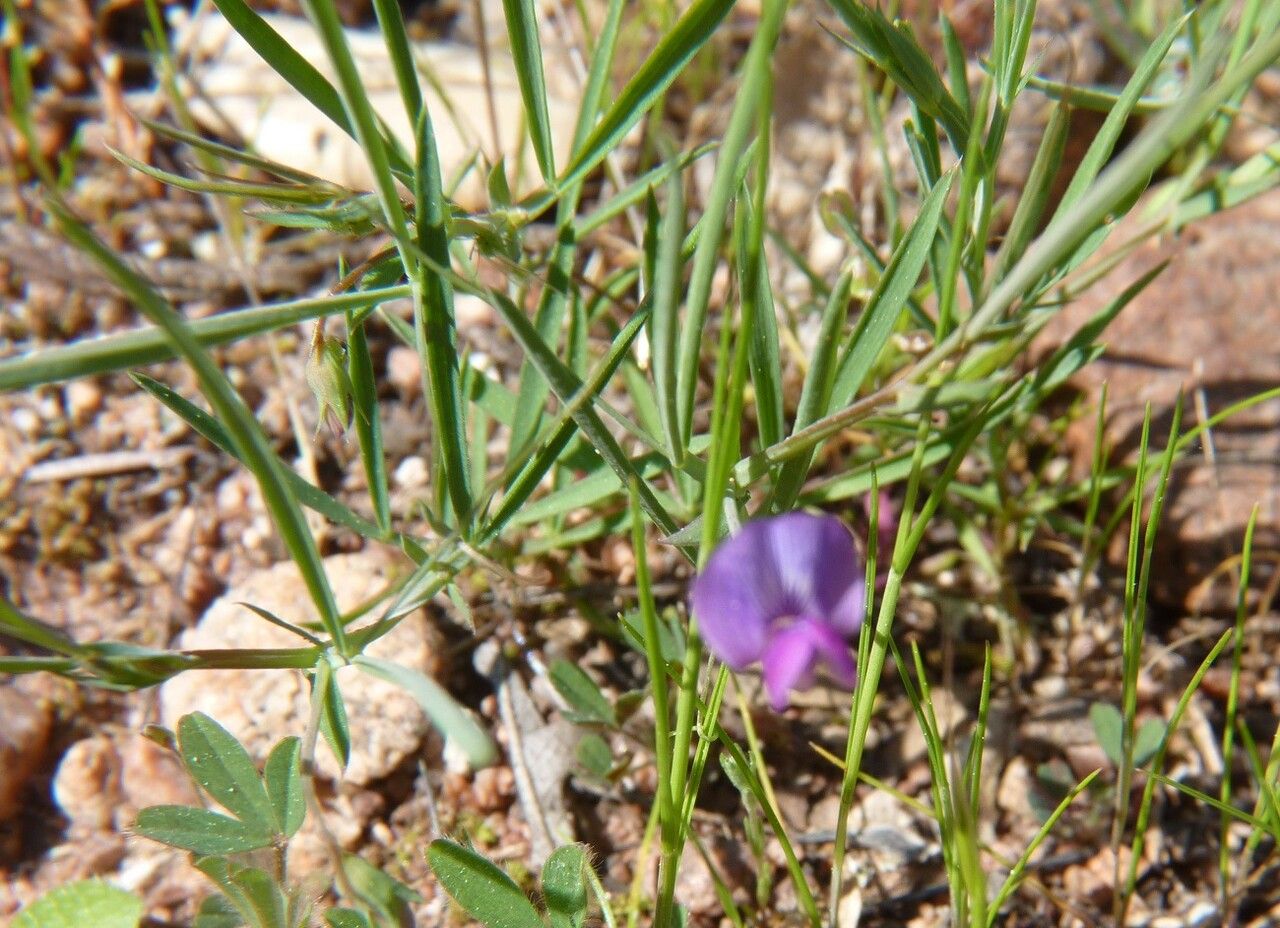
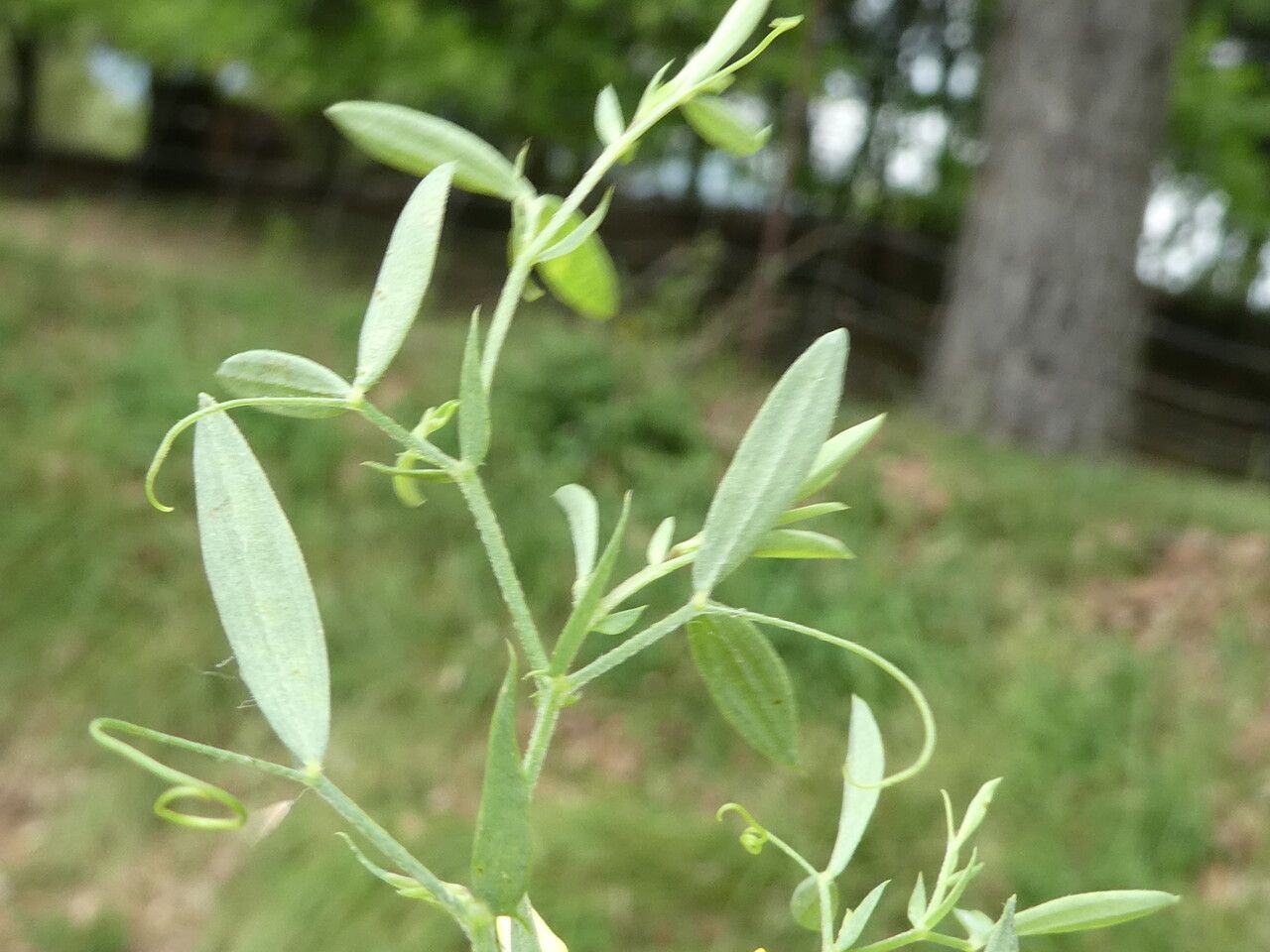
Lathyrus vestitus is a species of wild pea known by the common name Pacific pea. It is native to western North America, where it is mostly found in the forests, woodlands, and chaparral of California. The ranges of some subspecies extend into Oregon and Baja California. This is a perennial pea vine which varies in appearance across subspecies. Leaves are made up of several leaflets of various shapes up to 4 or 5 centimeters long. The leaves usually bear coiling tendrils and the stipules may be large or small. The inflorescence is a showy array of up to 15 pea flowers, sometimes densely packed together, and usually some shade of light to medium purple or white.
Common pacific pea has strong resistance to disease and is generally not susceptible to illnesses. Nevertheless, it can be affected by pests and diseases present in its environment. Such infections are typically not serious. Regarding care, this plant needs moderate maintenance. It should be pruned regularly to preserve an attractive appearance and healthy growth. Applying fertilizer can also encourage flowering. Common pacific pea is appropriate for anyone with outdoor space, like a garden or patio, and does not demand extensive care experience. It may need more attention if grown indoors.
How to keep Lathyrus Vestitus.
Light
The common pacific pea, to achieve optimal growth and health, prefers a steady, abundant supply of light throughout the day. It can also tolerate and do well with slightly reduced light. However, if exposed to too little or excessively strong light for extended periods, the common pacific pea may experience problems such as stunted growth or possible damage.
Water
The common Pacific pea flourishes in moist environments and requires regular hydration. To prevent drought stress, water it weekly. As an evergreen, it relies on consistent watering for healthy growth. Growing it indoors allows for better control of both humidity and watering, which benefits this perennial plant.
Temperature
Common pacific pea is native to areas with temperatures between 59 and 89.6°F (15 to 32°C). It prefers milder climates and can adapt to temperature changes across seasons. Care should be taken to avoid extreme heat or cold.
Fertilizer
The best time to fertilize a Common pacific pea is in early spring, as it comes out of dormancy and begins active growth. Fertilization supplies essential nutrients for healthy development. Although the Common pacific pea has fairly low fertilizer requirements, an annual application can improve its survival and encourage better, longer-lasting flowers.
Pruning
The common Pacific pea is known for its attractive, pea-like flowers and vining growth. Prune it from early to late spring to encourage blooming, remove dead stems, and improve air circulation. Making clean cuts minimizes the risk of disease, promotes vigorous growth, and helps maintain the plant's shape while preventing it from becoming invasive.
Botanical profile.
- Plant Type
- Herb, Vine
- Life Cycle
- Perennial
- Genus
- Lathyrus
- Family
- Fabaceae
- Hardiness Zone
- 8
- Mature Height
- 2.44 m
- Mature Spread
- 30 cm to 91 cm
- Leaf Color
- Green
- Leaf Type
- Evergreen, Semi-evergreen
- Flower Color
- Pink, Purple
- Flower Size
- 1.52 cm to 2.03 cm
- Bloom Time
- Mid spring, Late spring, Early summer
- Planting Time
- Spring, Summer
- Harvest Time
- Summer
Other names.
Reader questions.
How should I water my Common Pacific Pea plant?
To properly water the Common Pacific Pea, it is important to follow a few guidelines. Firstly, use filtered water that is at room temperature or slightly warmer. Tap water can have harmful particles that can affect the plant's well-being. Secondly, remember that the Common Pacific Pea thrives in warm conditions, so avoid using cold water as it could be a shock to its system. Additionally, overhead watering should be avoided to prevent complications with the foliage. Instead, pour filtered room temperature water directly onto the soil until it is completely soaked. This method allows the roots to benefit from the moisture, aiding in their spread through the soil and uptake of nutrients.
What kind of sunlight does Common pacific pea require?
The common pacific pea is a plant that requires full sun every day. It needs at least six hours of sunlight to keep its leaves, roots, and blooms healthy. Other perennials, like the Orange Daylily or Giant Coreopsis, can survive with only three hours of sunlight each day. However, they won't thrive as well as they would in sunnier conditions.
What temperature is best for growing Common Pacific Pea?
The best temperature for Common Pacific Pea depends on the time of year. There are two primary seasons to consider: the growing season and the dormancy season. During the growing season, when the plant has started to sprout, the ideal temperature range is between 65-80℉ (18-27℃). If it gets colder than 15℉ (-10℃), the plant may suffer, with its leaves browning and wilting. However, if it's just a short cold snap, the Common Pacific Pea might be able to survive with some assistance. On the other hand, during the warmer parts of the year, the Common Pacific Pea should also be protected from excessively high temperatures. The top temperature range for this plant is between 95-105℉ (35-40℃). Anything above that can damage the leaves and flowers, leading to wilting, drooping, and even sunburn. Recovering from these effects can be challenging for the Common Pacific Pea. Fortunately, there are simple and quick ways to deal with this issue.
What should I do if I give my Common pacific pea plant too much or too little water?
Overwatering is a more common issue than underwatering for the health of your Common pacific pea. When this species receives too much water, it can cause wilting, yellowing of stems and leaves, and the development of diseases like root rot, mold, and mildew, which can be fatal to the plant. While underwatering is less common, it can still happen and result in brittle, brown leaves. It is important to recognize the signs of overwatering promptly to prevent irreversible damage. If you notice these signs, reduce your watering schedule and consider improving the soil drainage by replacing it with a loose, well-draining potting mix. Conversely, if you see signs of underwatering, simply increase your watering frequency until the signs disappear.
Can the sun harm Common Pacific Pea? How can I shield Common Pacific Pea from sun and heat damage?
In warm climates, some Perennial Flowering Plants may struggle with excessive heat and suffer from sun damage. They can wilt, dry out, or even experience growth problems if they are consistently exposed to the intense afternoon sun. However, not all plants require protection from the light afternoon sun. For those that are harmed by intense afternoon exposure, it is recommended to provide them with some shade in warmer climates. Gardeners can achieve this by planting these plants in areas that do not receive direct heat during the afternoon, such as under trees or behind bushes.
The temperature needs for a new Common Pacific Pea plant in its first year or as a seedling.
If you are growing a Common pacific pea plant for the first year, it will require extra care during the coldest months. Frost can severely damage the plant and prevent it from regrowing in the spring. To protect it, keep the temperature above 40℉(5℃) by either bringing the plant indoors or using mulch or fabric barriers to shield it from frost. Additionally, it's advisable to plant the Common pacific pea in a shadier area during its first year or two, as smaller plants have trouble regulating their temperature in hot weather. Limit direct sunlight to no more than five hours a day, especially when the temperature exceeds 80℉(27℃). Using shadecloth and providing regular watering or misting will help control the heat during the summer.
How often should I water my Common Pacific Pea plant?
If your Common Pacific pea plant is in a pot, you can determine when it needs water by checking the soil. Simply stick your finger into the soil and if the top two to three inches are dry, it's time to water. Similarly, if you have the plant growing outdoors in the ground, you can also test the soil using the same method. During spring and early fall, you'll likely need to water the plant about once a week using this method. However, in extremely hot weather, you may need to water it twice or more per week. It's important to note that mature, well-established Common Pacific pea plants can handle periods of drought well.
Do I need to protect the Pacific pea plant from the sun?
Certain perennial plants require ample sunlight to reach their maximum bloom. However, in warmer climates, some of these plants actually benefit from less sun. For instance, individuals residing in hotter regions might find it beneficial to shade their flowering perennials during the intense afternoon sun, especially during summer months. Although many perennial flowering plants prefer partial shade in the hottest climates, there are exceptions. Take the Giant Coreopsis, for example, as it is not bothered by excessive sun exposure. These plants can flourish even when placed in the full sun during scorching weather.
How can I keep Common pacific pea safe from very hot or very cold temperatures?
If the growing season experiences cold temperatures below 15°F (-10°C), there are steps you can take to protect Common Pacific Pea from frost or cold damage. If you are growing it in a container, simply bring the container inside in bright, indirect light until temperatures rise above the lower threshold. For ground-planted Common Pacific Pea, using mulch or horticultural fabric to create an insulated barrier around the plant will shield it from frost and cold wind. In very hot temperatures above 80°F (27°C) during the day, it is important to limit the plant's exposure to sunlight to six hours or less per day. Preferably, this should be done in the morning. Installing shade cloth or a fine plastic mesh can reduce direct sunlight during the hottest parts of the day. A misting system can also be set up to release cooling mist around the plant's base during the day, which will help lower ground temperatures.
How much water does my pea plant need?
When watering your Common Pacific Pea, don't hold back on the amount of water you give it. Make sure the first two to three inches of soil are completely dry before watering, and then give it a thorough watering that soaks the entire soil. The water should be enough to cause excess water to flow out of the drainage holes at the bottom of the pot. If you don't see excess water draining, it means you haven't watered enough. However, be careful not to let water accumulate in the soil as it can be harmful to the plant. On the other hand, if water isn't draining properly, it could be a sign of poorly draining soil, which is not good for the plant. If the plant is outside, one inch of rain per week will be enough.
What will happen if the Common pacific pea doesn't get enough sunlight?
If your Common Pacific pea plant isn't receiving sufficient sunlight, you'll observe signs of insufficient requirements. In particular, the plant will not produce as many blooms as it would in full sun exposure. While some plants may develop dry spots on their leaves, most will still bloom despite the lack of sunlight. However, these blooms will be smaller and less vibrant.
The best temperatures for Common Pacific Pea during the dormant season.
During the cold winter months, Common pacific pea requires a certain amount of cold to remain dormant until it's time to sprout. Sprouting too early, before the danger of the last frost has passed, can be fatal, especially if it already started growing when the frost hits. Ideally, winter temperatures should be below 32℉(0℃), but if they reach 40℉(5℃), it's still okay. In temperate climates like woodland rainforests, an unexpected warm spell can cause premature sprouting. If there is still a risk of frost, you can protect the new sprout by covering it with clear plastic on stakes. This covering can be removed once the danger of frost is gone. While Common pacific pea can sometimes sprout at the correct time on its own, using this method increases the chances of a successful second sprouting.