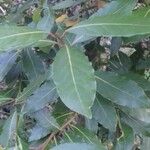
Laurus nobilis
برگ بو · درختچه برگ بو · (Sweet) Bay leaf · Bay Laurel · Laurel
Description
Source: leafsnapLaurus nobilis, commonly known as the bay laurel or sweet bay, is an evergreen tree or shrub belonging to the Lauraceae family. Native to the Mediterranean region, it can grow up to 10-18 meters tall. The leaves are dark green, glossy, and have a leathery texture with a distinctive aroma. Bay laurel has been used for centuries in cooking, prized for its aromatic leaves that enhance the flavor of soups, stews, sauces, and meat dishes. It is also valued in traditional medicine for its antiseptic properties. The plant thrives in well-drained soil with full sun exposure but can also tolerate partial shade. While it requires regular watering during dry periods, it can endure drought conditions once established. Cultivated since ancient times for its ornamental value, bay laurel is appreciated for its attractive foliage and its ability to be pruned into various shapes, such as topiaries or hedges. Beyond culinary uses, bay laurel is also used in perfumes due to its pleasant fragrance. Its essential oil, extracted from the leaves through steam distillation, contains compounds like eucalyptol, which have anti-inflammatory properties. Overall, Laurus nobilis is an attractive evergreen plant with multiple applications, ranging from culinary and traditional medicine to perfumery. It has been an important part of Mediterranean culture throughout history and continues to find relevance in modern applications.
💡 According to legend, Apollo, the eldest son of Zeus, and Daphne, the goddess of the laurel tree, were in love. As the god of the sun, Apollo was full of intense heat, but Daphne could not endure this heat. To escape it, she transformed into a large tree, which became the bay laurel.
🌳 Bay laurel is prized for its versatility, with applications that extend from aromatherapy to home care. Aside from its well-known use in cooking, the leaves yield essential oils used in perfumery and soap making because of their distinctive scent. Bay laurel is also incorporated into the culinary bouquet garni and has served as a natural insect repellent, demonstrating its multifaceted character.
🎭 Charm, triumph, achievement
Care Guide
💧 Water Every 7 days
Bay laurel originates from the Mediterranean region and thrives in well-drained soil with moderate moisture. Water the plant every 1 to 2 weeks, allowing the soil to dry out slightly between waterings. Bay laurel prefers consistent humidity and requires more frequent watering in the spring and summer when it is actively growing, which helps maintain optimal foliage health.
When should I water my Bay Laurel?
Watering your Bay Laurel effectively requires observing several indicators as proper and timely watering is vital for its health, development, and disease resistance. Check the soil's moisture level by feeling the top 1 to 2 inches with your finger; dry soil means it's time to water. Wilting, drooping leaves indicate a need for water, as does a change in leaf color from vibrant green to dull or yellow. Stunted growth and drooping stems are also signs of inadequate hydration. For potted plants, a light pot suggests the soil is dry. Be mindful of increased water needs during hot, dry weather, but avoid over-watering to prevent root rot and other water-related diseases. Both early and late watering come with risks, so it's essential to recognize the right signs to maintain a healthy Bay Laurel.
How should I water my Bay Laurel?
Watering Bay Laurel optimally involves specific techniques and tools. The bottom-watering technique is recommended; place the pot in a tray of water, allowing moisture to be absorbed from the bottom up, which encourages deep root growth and minimizes the risk of fungal diseases. When using a watering can, opt for one with a narrow spout to direct water flow to the base and avoid wetting the foliage, which could lead to disease. These practices ensure that your Bay Laurel receives adequate hydration without the risks associated with over-watering or fungal infestations.
How much water does Bay Laurel really need?
The amount of water Bay Laurel needs depends on its size and the environmental conditions. A small plant in a 12-inch pot generally requires about 1 quart of water every 7-10 days, whereas a fully grown plant might need up to 1 gallon every 1-2 weeks, adjusted for climate and soil drainage. Adequate watering results in bright, firm, and glossy leaves, while signs of over- or under-watering include drooping leaves or leaves that turn yellow or brown. Prioritize a deep watering method to encourage a strong root system and adjust the watering frequency based on the plant's size and environmental conditions.
What kind of water is best for Bay Laurel?
Bay Laurel thrives best with natural precipitation or rainwater, due to its balanced pH and lack of chemicals harmful to the plant. If rainwater isn't available, filtered or dechlorinated tap water is a suitable alternative. Bay Laurel is sensitive to chlorine, fluoride, and high mineral content in tap water, which can harm its growth and health. Let tap water sit out for 24-48 hours before watering to allow chlorine and fluoride to evaporate, and consider using water conditioners or filters to remove these elements. Room temperature water is preferred to prevent shock to the plant's root system. Regular checks for pH and mineral content in the water can help maintain its suitability for your Bay Laurel.
How do Bay Laurel's watering needs change with the seasons?
Bay Laurel's watering needs vary across seasons. In spring, as the plant exits dormancy, moderate watering supports its active growth phase. Summer demands consistent watering to counteract the heat, especially in direct sunlight, but avoid over-saturation. With the arrival of cooler autumn temperatures, reduce watering as the plant prepares for dormancy. Winter sees minimal watering needs due to dormancy and the risk of soil freezing. Always adjust watering based on weather changes and soil moisture, and avoid waterlogging to prevent root damage.
☀️ Light Full sun
Bay laurel grows best in places with abundant sunlight, though it can tolerate less-bright conditions. From seedling through maturity, plentiful sun improves its growth and overall health. Still, excessive sunlight can cause it to become scorched or display signs of stress. It comes from habitats where sunlight is an important part of the environment.
What are the sunlight requirements for Bay Laurel?
Bay Laurel, known botanically as Laurus nobilis, thrives best under full sun conditions, benefiting from more than 6 hours of direct sunlight daily. However, it can also adapt to partial sun, requiring about 3-6 hours of sunlight. It's crucial to observe how sunlight moves through your garden to find spots offering the ideal balance of light and shade, ensuring your Bay Laurel's well-being. In environments where natural light is insufficient, particularly indoors or during winter, artificial lighting can be a valuable solution to provide the necessary light for optimal growth. LED lights, requiring specific wattage based on the plant's sun exposure needs, along with proper positioning and light duration, helps in mimicking natural sunlight conditions.
What essential care does Bay Laurel need?
Bay Laurel flourishes in environments with abundant sunlight, a key factor for its growth from seedling to maturity. Ample sunlight exposure enhances its health and growth, although excessive sunlight can cause scorching or stress. Originating from sunny habitats, Bay Laurel can adapt to less-lit environments, necessitating artificial lighting when natural sunlight is inadequate. Suitable artificial light, the right distance of lights from the plant, and an appropriate duration of light exposure are critical for indoor plants to ensure they receive enough light for healthy growth.
What symptoms indicate insufficient light for Bay Laurel?
When Bay Laurel suffers from insufficient light, it may display several symptoms: new leaves may become smaller, and growth can appear leggy or sparse, indicating the plant is striving for more light. An early drop of older leaves can occur as the plant tries to conserve resources, and there may be a noticeable halt in new growth. Additionally, leaves might develop lighter colors or show signs of chlorosis, turning yellow due to a breakdown in chlorophyll. Sunscald, curling or twisting leaves, wilting, and scorching are all indications the plant may need more light or is reacting negatively to overexposure.
How can I address light-related issues for my Bay Laurel?
To address light-related issues in Bay Laurel, whether grown indoors, outdoors, or in the ground, a gradual increase in sunlight exposure is advisable. For indoor plants, moving them closer to a south-facing window or supplementing with artificial light can ensure they receive at least 6 hours of sunlight daily. Outdoors, gradually acclimatizing plants to sunnier spots helps prevent sunburn. It's important to reduce obstructions that block sunlight, like pruning overhanging branches. If necessary, transplanting smaller plants during their dormant period to a location with better sunlight and drainage can improve their health and growth. Remember, parts of the plant that have suffered due to insufficient sunlight may not recover, but new growth should be healthy with increased light exposure.
🌡️ Temperature 15–37.8°C
The bay laurel flourishes in its native Mediterranean climate, which features hot, dry summers and mild, rainy winters. It prefers temperatures of 59 to 100 ℉ (15 to 38 ℃) and can endure short spells of frost. In cooler periods it can tolerate indoor temperatures as low as 50 ℉ (10 ℃) provided humidity is adequate. In warm weather it benefits from being in shade and from frequent watering.
What are the ideal growing conditions for Bay Laurel?
Bay laurel, or Laurus nobilis, thrives in its native Mediterranean climate, which is characterized by hot, dry summers and mild, rainy winters. It prefers a temperature range between 59 to 100°F (15 to 38°C) and can withstand brief periods of frost. The plant has some level of cold tolerance, generally not requiring any additional cold protection measures if the temperature stays above the lower threshold of its tolerable growing temperature range. However, during cooler seasons, it can tolerate indoor temperatures as low as 50°F (10°C) if proper humidity levels are maintained. When exposed to warm weather, the bay laurel benefits from being placed in shaded areas and receiving frequent watering to maintain its health. If temperatures are expected to drop below its tolerable growing temperature minimum, it’s necessary to take temporary protective measures, such as wrapping the plant with plastic film, fabric, or other materials, removing them once the temperature rises again.
How should you care for Bay Laurel in low temperatures?
Bay laurel has moderate tolerance to low temperatures but thrives best when kept above its suitable growth temperature minimum. During winter, it’s important to ensure that the temperature remains above the tolerable growing temperature minimum to prevent damage. When temperatures fall below the limit growth temperature, the plant's leaves may start to droop and, in severe cases, wilt and fall off. The recovery procedure involves trimming off the frost-damaged parts of the plant. To prevent future damage when low temperatures are anticipated again, wrapping the plant with materials such as non-woven fabric or cloth and constructing a wind barrier to shield it from cold winds are effective solutions.
What steps should be taken to protect Bay Laurel in high temperatures?
During the summer, it's crucial to ensure that Bay laurel is kept below its suitable growth temperature maximum to avoid stress and damage from high temperatures. Exceeding the tolerable growing temperature maximum can cause the leaves to lighten in color, tips to dry and wither, leaves to curl, and increase the plant’s susceptibility to sunburn. To mitigate these effects, trim away the sunburned and dried-up parts of the plant and relocate it to a shadier spot or use a shade cloth to protect it from midday and afternoon sun. Additionally, keeping the soil consistently moist by watering in the morning and evening can help the plant cope with high temperatures.
💨 Humidity normal (40-60%)
This plant will thrive in moderate humidity, which is probably the level in your home. However, misting it a few times a week can be very beneficial. Make sure the room has good ventilation.
🪴 Soil 6-7
🌱 Fertilizer
Fertilize your Bay laurel in early spring to encourage healthy growth. Regular feeding improves overall health, producing vigorous growth, better tolerance of challenging conditions, and increased resistance to pests and diseases. Follow a consistent fertilization schedule for your Bay laurel to maintain vibrant foliage with rich color and a lush look.
Why should I put fertilizer on my Bay laurel plant?
If you own a Bay laurel, regular fertilization is important for its overall health. Providing the right nutrients will help it grow stronger and withstand tough conditions, while also improving its ability to fight off diseases and pests. Since the foliage of the Bay laurel is attractive, it's crucial to maintain it by following a specific fertilization schedule. This will result in leaves that have a deep color and a lush appearance.
When should I fertilize my Bay laurel to get the best results?
To ensure healthy growth, it is recommended to fertilize your Bay laurel during late winter or early spring. This provides the necessary nutrients for the plant when the weather becomes warm. If you live in a warm climate region, it can also be beneficial to fertilize the Bay laurel in early fall. This additional feeding not only adds nutrients for the upcoming growing season, but also helps the plant withstand the winter cold without foliage damage. Early fertilization allows the new branches to grow and withstand the cold winter conditions.
When is it best to not put fertilizer on my Bay laurel?
There are a few key times throughout the year when you should avoid fertilizing your Bay laurel to ensure its well-being. The first time to avoid fertilization is in the early and mid-winter months when the plant enters its dormant phase and does not require any additional nutrients. Similarly, it is not advisable to fertilize the Bay laurel during the late spring and summer. This is because those months usually bring hotter temperatures and drier weather, both of which can have a detrimental effect on the plant if combined with fertilization. To prevent any potential harm, it is best to stick to a fertilization schedule that involves feeding the Bay laurel only during the early spring and early fall.
What kind of fertilizer does my Bay laurel plant need?
For Bay laurel trees, nitrogen is typically the most crucial nutrient, but phosphorus and potassium should not be disregarded. All three main nutrients are necessary for optimal growth, so a balanced fertilizer like 10-10-10 can be effective. However, a more nuanced ratio, such as 10-6-4, that is a bit higher in nitrogen often produces better results. Both granular and liquid-based fertilizers can be used for fertilizing.
How can I make my Bay laurel plant grow better?
To fertilize your Bay laurel using granular fertilizer, simply sprinkle it on the soil at the right time. The nutrients will be released slowly into the soil due to the slow-release nature of granular fertilizer. Before applying the fertilizer, it's a good idea to lightly water your Bay laurel. Alternatively, you can use liquid fertilizer, although this is not as common. To do this, mix the fertilizer with water and pour it around the base of the Bay laurel. Sometimes, it is beneficial to test the soil before fertilizing to determine if any pH adjustments are necessary.
🪴 Pot & Repot 2-3 years
When repotting Bay laurel, select a pot 1–2 inches (2.5–5 cm) larger with good drainage. Use a well-draining potting mix. Repot in spring or fall, making sure the root ball sits slightly below the rim of the flower pot. Water thoroughly after repotting and place it in a warm spot with indirect sunlight.
✂️ Pruning
Bay laurel is a fragrant evergreen shrub with shiny leaves. To keep it in shape and encourage growth, prune it from early to late winter. During pruning, remove any dead branches and thin out crowded areas. Regular pruning not only prevents disease but also improves the plant’s appearance, promoting overall health.
🌿 Propagating
🐛 Diseases & pets
☠️ Toxicity
Characteristics
- Plant Type
- Shrub, Tree
- Life Cycle
- Perennial
- Genus
- Laurus
- Family
- Lauraceae
- Hardiness Zone
- 8-11
- Mature Height
- 7.01 m to 17.98 m
- Mature Spread
- 3.66 m to 11.89 m
- Leaf Color
- Green, Yellow
- Leaf Type
- Evergreen
- Flower Color
- Yellow
- Flower Size
- 1.02 cm
- Bloom Time
- Mid spring, Late spring
- Planting Time
- Spring, Autumn
- Harvest Time
- Mid summer, Late summer, Early fall
- Native Area
- Libya, Tunisia, Turkey, Montenegro, Cyprus, Bulgaria, Greece, Croatia, Slovenia, Morocco, Lebanon, Russia, Serbia, Syria, Italy, Algeria, France