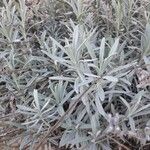
Lavandula angustifolia
اسطوخودوس انگلیسی، · انگریزی اسطو خودوس (UR) · English lavender · Common Lavender · Lavender
Description
Source: leafsnapLavandula, commonly known as lavender, is a genus of flowering plants in the mint family, Lamiaceae. Native to the Mediterranean region, lavender has been cultivated for centuries for its aromatic and medicinal properties. These small shrubs have narrow leaves and fragrant flowers that bloom in shades of purple, blue, or pink. The blossoms are arranged in spikes that rise above the foliage, attracting bees and other pollinators. Lavender has a long history of use as a natural remedy for various ailments, including anxiety, insomnia, headaches, and digestive issues. Its essential oil is widely employed in aromatherapy to promote relaxation and reduce stress. In addition to its medicinal properties, lavender is extensively used in perfumes, soaps, candles, and other beauty products due to its pleasant fragrance. Lavender plants thrive in well-drained soil with full sun exposure. They are drought-tolerant once established but require regular watering during their first year of growth. Overall, the Lavandula plant is an attractive addition to any garden, not only for its beauty but also for its versatility, both medicinally and aesthetically.
🌳 Beyond its well-known aromatic uses, english lavender has intriguing applications across different fields. In Ancient Egypt it was one of the herbs used in mummification, with its antibacterial properties helping to preserve the deceased. It is also used in beekeeping: english lavender flowers placed near beehives attract pollinators, boosting honey production and quality. The essential oil obtained from the plant is a versatile ingredient, employed in eco-friendly cleaning products for its antimicrobial action and in making natural perfumes because of its pleasant, long-lasting scent.
🎭 Await love, purity, serenity, and devotion
Care Guide
💧 Water Every 7 days
English lavender, which originates from the Mediterranean region, thrives in well-drained soil and can withstand dry conditions. Although it prefers consistent moisture, it becomes drought-resistant once established. Outdoors, English lavender benefits from natural precipitation and stays hydrated year-round thanks to its evergreen foliage.
When Should I Water My English Lavender?
Watering your English lavender is vital for its vibrant flower production, optimal growth, and disease resistance. It's time to water when the top 1 to 2 inches of soil are dry to the touch. Look for signs like wilted or lackluster leaves, indicating the plant needs water. During the pre-flowering stage, consistent watering is crucial to prevent bud drop. The plant will require more water in conditions of warm temperatures and high sunlight exposure. Be cautious of watering too early or too late to avoid root diseases or dehydration, respectively. Understanding these signs will help you maintain a proper watering schedule, encouraging growth and prolonging the lavender's life.
How Should I Water My English Lavender?
English lavender prefers well-draining soil and is sensitive to overwatering. To ensure proper hydration, use either direct-watering—concentrating water at the base—or bottom-watering methods. To avoid over or under-watering, using a moisture meter can be beneficial. Focus your watering on the base of the plant, keeping the foliage dry to prevent disease. It's also important to avoid watering directly into the center or on the foliage to prevent disease and rot.
How Much Water Does English Lavender Really Need?
English lavender thrives in well-drained soil and requires deep watering once a week to allow the soil to dry out between waterings. Water amount should be adjusted according to pot size, root depth, and plant size. Properly hydrated plants have healthy, vibrant leaves. Signs of under-watering include wilted leaves and dry soil, while over-watering may lead to yellowing leaves and a waterlogged soil texture. To prevent root damage or stunted growth, balance is key. Plant lavender in well-drained soil and add organic matter to improve moisture retention. Adjust watering needs based on the plant's growth stage and weather conditions.
What Kind of Water is Best for English Lavender?
English lavender prefers distilled water, as it is pure and free from contaminants. Rainwater is another excellent option due to its natural purity. If using tap water, ensure it's dechlorinated to remove chlorine. Filtered water is suitable as long as it's free from harmful contaminants. Be mindful of the lavender's sensitivity to chlorine and minerals, treating water accordingly. Room temperature water is preferable to avoid shocking the plant.
How Do English Lavender's Watering Needs Change with the Seasons?
In spring, water English lavender regularly to support growth, keeping the soil evenly moist. During summer's drought periods, reduce watering frequency, allowing the soil to dry slightly between sessions. As autumn approaches, gradually decrease watering as the plant enters dormancy, maintaining lightly moist soil. In winter, water sparingly, allowing the topsoil to dry out between waterings, as the plant requires minimal moisture.
☀️ Light Full sun
English lavender thrives in spots with plenty of sunlight, promoting the plant's overall healthy vigor. While it enjoys abundant light, it also shows some tolerance for areas with dappled sun. Native to sunny habitats, English lavender that receives too little light may exhibit stunted growth and decreased essential oil production, whereas too much exposure can scorch the leaves. Different growth stages do not noticeably change English lavender's sunlight requirements.
What are the sunlight requirements for English Lavender?
English Lavender, known botanically as Lavandula angustifolia, thrives best in full sun environments, which means it requires more than 6 hours of sunlight daily to flourish. It can also grow in partial sun conditions, approximately 3-6 hours of sunlight per day. However, it's essential to observe the movement of sunlight in your garden to find the optimal balance of light and shade, ensuring the plants remain healthy. Inadequate sunlight may lead to stunted growth and diminished essential oil production in English Lavender, while excessive exposure can cause leaf burn. Adjustments may need to be made to accommodate for less sunlight during certain seasons or in less sunny spaces, for which artificial lighting can be a solution.
How does artificial lighting benefit indoor English Lavender plants?
For English Lavender plants grown indoors, artificial lighting can significantly aid in their growth, especially when natural sunlight is insufficient, such as in winter or in less sunny spaces. Opting for the right type of artificial light, like LED lights, allows for customization to provide specific wavelengths needed by the plants. Full sun plants require 30-50W per square foot, partial sun plants need 20-30W per square foot, and full shade plants 10-20W per square foot of artificial light. The light source should be positioned 12-36 inches above the plant to best mimic natural sunlight, and the duration should align with the natural daylight hours necessary for the plant's species, typically between 8-12 hours per day.
What are signs of insufficient sunlight in English Lavender?
English Lavender displays several symptoms when it doesn't receive enough sunlight. These include leggy or sparse growth, where the plant appears thin and stretched due to longer spaces between leaves or stems, making it look weak. The plant might also experience slowed or ceased growth, entering a survival mode that halts new leaf production. Insufficient sunlight can also adversely affect flowering and fruiting, trigger chlorosis (yellowing of the leaves because of chlorophyll breakdown), cause sunscald, leaf curling as a defense mechanism against excessive sunlight, wilting due to rapid water loss, and leaf scorching characterized by brown, dry edges or patches on leaves from overexposure to sunlight.
How can you provide optimal sunlight for English Lavender?
To ensure English Lavender receives optimal sunlight, gradually introduce the plant to sunnier spots, aiming for at least 6 hours of direct sunlight daily. For indoor plants, using a south-facing window and keeping curtains open during daylight hours maximizes sunlight exposure. If the plant is large or not easily movable, supplementing with professional grow lights or keeping a lamp on for at least 8 hours a day can be beneficial. Outdoors, adaptability to sunlight can be improved by gradually moving the plant to locations with better sun exposure each week, avoiding sudden changes to prevent sunburn. Reducing obstructions, like pruning trees or moving plants to sunnier locations, and even considering transplanting smaller plants during their dormant period to areas with ample sunlight and good drainage, are effective strategies.
🌡️ Temperature 5–35°C
English lavender prefers temperatures between 41 and 95°F (5 and 35°C). This plant is native to the Mediterranean, where it grows in warm, sunny climates. In cooler climates, it may need additional winter protection or be brought indoors during frost.
What temperatures are preferred by English Lavender?
English lavender, also known by its botanical name Lavandula angustifolia, thrives in temperatures ranging from 41 to 95°F (5 to 35°C). Originating from the Mediterranean, it is well-suited to warm, sunny climates but can also exhibit strong cold resistance. In regions with cooler climates, it may need extra protection during winter or to be moved indoors to avoid frost. Despite its cold resistance, precautions such as covering the plant with soil or straw should be taken if temperatures are expected to drop below the growth limit temperature. Additionally, watering the plant abundantly before the first freeze of autumn is recommended to ensure the soil remains moist and enters a frozen state, which helps prevent water scarcity during winter and early spring.
How does low temperature affect English Lavender and what are the solutions?
English lavender is cold-tolerant, performing best when the temperatures are above its suitable growth minimum. Throughout winter, it's important to keep it above the tolerable growing temperature minimum. However, when temperatures fall below the growth limit temperature, you might not notice immediate changes during the winter, but there could be a decrease in sprouting or no sprouting at all come springtime. A solution to this issue is to remove any parts of the plant that have failed to sprout in spring, encouraging healthier growth.
What are the effects of high temperature on English Lavender and how can they be mitigated?
During the summer, it's essential to ensure that the temperature stays below the suitable growth maximum for English lavender. Exceeding the tolerable growing temperature maximum can cause the plant's leaves to lighten in color, curl, become prone to sunburn, and in severe cases, the plant may wilt and dry out. To mitigate these effects, you can trim away sunburned and dried parts of the plant. Moving the plant to a shaded area during the midday and afternoon sun or using a shade cloth can also help. Additionally, watering the plant in the morning and evening helps maintain soil moisture and protect the plant from excessive heat.
💨 Humidity normal (40-60%)
This plant will thrive in moderate humidity, which is probably the level in your home. However, misting it a few times a week can be very beneficial. Make sure the room has good ventilation.
🪴 Soil 6-7
🌱 Fertilizer
The ideal time to fertilize an English lavender is in early spring, as it is coming out of dormancy and beginning active growth. Fertilizing supplies key nutrients needed for healthy growth. Although English lavender has relatively low fertilizer requirements, applying fertilizer annually can improve its survival and promote better, longer-lasting flowers.
Why is it necessary to put fertilizer on my English lavender?
Fertilization is important for English lavender because it provides essential nutrients for the plant's growth. While English lavender generally has low fertilization needs and can survive without it, annual fertilization can greatly benefit the plant. It not only helps the plant stay alive but also promotes the production of better and longer-lasting flowers. Therefore, those who want their English lavender to thrive should remember to fertilize it each year.
When should I fertilize my English lavender?
The best time to fertilize English lavender is in late winter to early spring when it is transitioning from dormancy to active growth. Fertilizing at this time promotes healthy growth and sets the plant up for a successful season. Although early spring is ideal, fertilizing in fall is also acceptable. However, it is not recommended to feed English lavender during summer or winter.
When is it best to not fertilize my English lavender?
To properly care for your English lavender, it is important to fertilize it only during the late winter and early spring. This plant requires minimal fertilization, so a single feeding each year should be sufficient. Avoid fertilizing during spring, summer, and fall to prevent overfertilization and potential complications. The only exception is if you missed fertilizing in the spring, in which case it is acceptable to feed the plant in the fall. It is also unnecessary to fertilize during the winter when the English lavender is in a dormant phase and not actively growing.
What kind of plant food does my English lavender require?
English lavender can benefit from a general-purpose fertilizer with balanced nutrients, but there are specialized blends that can be even better. Some gardeners suggest using more phosphorus for stronger roots and better flowers, which makes sense for a flowering plant like English lavender. You can choose between granular or liquid fertilizer as long as it has enough nutrients. Aside from manufactured fertilizers, compost, manure, and similar organic materials can greatly improve the soil for your English lavender.
How should I give nutrients to my English lavender?
To fertilize English lavender, the most common method is applying granular or pellet fertilizer to the soil surrounding the plant. Timing is important – fertilize when the plant moves from its winter dormant growth phase to active growth. In early spring, wait for shoots to emerge and then apply fertilizer. Alternatively, some people opt for liquid fertilizer, which should be diluted with water before use. Regardless of the type, it is always recommended to moisten the soil before, during, and after applying fertilizer.
🪴 Pot & Repot 2-3 years
When repotting English lavender, select a pot 1–2 inches (2.5–5.1 cm) larger with ample drainage. Use a well-draining potting mix. Repot in spring or fall, making sure the root ball sits slightly lower than the rim of the flower pot. Water thoroughly after repotting and place it in a warm spot with indirect sunlight.
✂️ Pruning
English lavender is a hardy perennial known for its fragrant purple flowers. To achieve the best results, prune the plant in early spring or late winter, cutting back one-third of its height. Regularly remove spent blooms to encourage healthy growth, but avoid cutting into the old wood. This practice will help maintain a compact shape, improve air circulation, and enhance the plant's appearance in your garden.
🌿 Propagating
🐛 Diseases & pets
☠️ Toxicity
Characteristics
- Plant Type
- Herb, Shrub
- Life Cycle
- Perennial
- Genus
- Lavandula
- Family
- Lamiaceae
- Hardiness Zone
- 5-9
- Mature Height
- 0.49 m to 2.13 m
- Mature Spread
- 91 cm
- Leaf Color
- Green, Gray, Silver
- Leaf Type
- Evergreen
- Flower Color
- Lavender, Purple
- Flower Size
- 0.76 cm to 1.27 cm
- Bloom Time
- Early summer, Mid summer
- Planting Time
- Spring, Autumn
- Harvest Time
- Late summer, Early fall, Mid fall
- Native Area
- Mediterranean regions