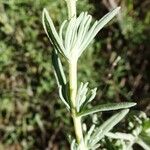
Lavandula stoechas
Topped lavender · French lavender · Spanish lavender · Fringed Lavender · Butterfly Lavender
Description
Source: leafsnapLavandula stoechas, commonly known as Spanish lavender or butterfly lavender, is a small evergreen shrub in the Lamiaceae family. Native to the Mediterranean region, it can be found in countries such as Spain, Portugal, France, and Italy. The plant grows up to 60 cm in height, featuring narrow grey-green leaves that release a highly aromatic scent when crushed. The flowers of Lavandula stoechas are especially distinctive due to their unique butterfly-like shape. Blooming from late spring through summer, these flowers are borne on long stems that rise above the foliage. They come in various colors, including purple-blue, pink-purple, and white. Spanish lavender thrives in well-drained soil and full sun exposure but can also tolerate some shade. While it is drought-tolerant once established, the plant benefits from regular watering during dry spells. For centuries, this plant has been valued for its medicinal properties, including its ability to relieve headaches and promote relaxation due to its calming scent. It is also widely used in perfumes, soaps, and other cosmetic products because of its pleasant fragrance. Overall, Lavandula stoechas is an attractive ornamental plant with unique flowers that add color and interest to any garden or landscape setting. Beyond its aesthetic appeal, the plant offers numerous benefits, such as medicinal properties and uses in the cosmetics industry, making it a popular choice among gardeners worldwide.
💡 Topped lavender and other Lavandula species are commonly used to produce essential oils and tea infusions, which are sold commercially and used in folk medicine. A scientific study in Turkey measured the amount of toxic components in certain prepared lavender infusions. The study found toxic levels of camphor in these infusions.
🌳 The lovely french lavender is more than its appearance suggests, producing prized essential oils that perfumers adore. Its lavender oil is desired not only for its calming fragrance but also for its ability to repel insects. Additionally, french lavender attracts bees, resulting in the pleasant creation of french lavender honey, a natural sweetener. Some culinary traditions even use french lavender as an appealing spice in different dishes.
🎭 Dedication, innocence, tranquility, loveliness, stillness
Care Guide
💧 Water Every 7 days
Topped lavender, native to the Mediterranean, thrives in dry coastal climates and prefers well-draining soil. To maintain balanced moisture, it should be watered every 1-2 weeks. Usually grown outdoors, this plant enjoys full sun exposure, which enhances its drought tolerance and aromatic flowering potential.
When Should I Water My Topped Lavender?
Watering topped lavender requires attention to several indicators to maintain its health and vibrant growth. The soil's moisture level, visible through checking the top 1 to 2 inches of soil for dryness, is a primary indicator. Leaf wilting, stunted growth, flower fading, and dry, cracked soil also signal the need for watering. While it’s important to avoid overwatering to prevent issues like root rot, underwatering can lead to leaf discoloration and wilting, severely affecting the plant's health. Regular monitoring for these signs helps in maintaining an optimal watering schedule for topped lavender.
How Should I Water My Topped Lavender?
Topped lavender benefits from a deep and infrequent watering approach to maintain optimal hydration. This involves watering the base of the plant to avoid wet foliage, which can lead to disease. Using a watering can with a narrow spout helps to direct the flow of water directly to the roots, preventing moisture on the leaves and ensuring the soil dries out slightly between waterings. This method encourages healthier growth and reduces the risk of disease.
How Much Water Does Topped Lavender Really Need?
A full-sized topped lavender plant typically requires a moderate amount of water, with adjustments based on plant size and pot dimensions. It's essential to water slowly until runoff water is observed, ensuring deep soil penetration to reach the plant's root depth. Adequate watering is reflected in moist but not waterlogged soil. Signs such as wilted or brown leaves might indicate under-watering, whereas yellow leaves suggest overwatering. Using the 'Finger Test' helps in determining when it's time to water, aiming for a balance to prevent both over and under-watering risks.
What Kind of Water is Best for Topped Lavender?
Topped lavender thrives best with rainwater, followed by distilled or filtered water, minimizing exposure to minerals, fluoride, and chlorine found in tap water. If tap water is used, it should be left out for 24 hours to allow chlorine to evaporate, or filtered to remove minerals and fluoride. Room temperature water is ideal, avoiding the shock or damage that can come from water that is too cold or too hot.
How Do Topped Lavender's Watering Needs Change with the Seasons?
Seasonal changes significantly impact the watering needs of topped lavender. In spring, increased watering supports active growth, whereas summer's high temperatures require consistent, deeper watering to counter evaporation. Watering needs decrease in autumn as growth slows, requiring only when the soil is dry. In winter, minimal watering is necessary, focusing on preventing dehydration while avoiding waterlogging. Adjusting watering patterns according to seasonal shifts is crucial for the plant’s health.
☀️ Light Full sun
French lavender prefers ample sunlight to grow well. Native to areas with abundant sun, it has adapted to capture the light necessary for photosynthesis. It can tolerate moderate sunlight conditions, but excessive or insufficient light can still hinder the plant's growth.
What are the sunlight requirements for topped lavender?
Topped lavender flourishes best under generous sun exposure, ideally thriving in environments that provide it with ample sunlight necessary for photosynthesis. It requires full sun, which means it needs above 6 hours of sunlight daily, but it can also adapt well to partial sun conditions, with about 3-6 hours of sunlight. It's crucial to ensure the plant gets the right balance of light. However, both overexposure and underexposure to sunlight could adversely affect its growth.
How does artificial lighting affect the growth of indoor topped lavender?
For indoor topped lavenders, artificial lighting can serve as an essential growth aid, especially in conditions where natural sunlight is scarce, such as during winter or in less sunny spaces. It's advised to use LED lights, which can be tailored to offer specific wavelengths needed by the plants. Full sun plants require 30-50W/sq ft of artificial light, partial sun plants 20-30W/sq ft, and full shade plants need 10-20W/sq ft. The artificial light source should be placed 12-36 inches above the plants and turned on for 8-12 hours daily to mimic natural daylight hours, ensuring optimal growth.
What are the symptoms of inadequate sunlight in topped lavender?
Topped lavender exhibits several symptoms when deprived of sufficient sunlight, including slower or halted growth as the plant enters survival mode. The plant may exhibit leggy or sparse growth, characterized by longer spaces between leaves or stems, making it appear weak. Other symptoms include faster leaf drop, chlorosis (where leaves turn yellow due to chlorophyll breakdown), sunscald, leaf curling as a defense mechanism against excessive sunlight, wilting due to increased water loss, and leaf scorching indicated by brown, dry edges on leaves.
What solutions can aid topped lavender suffering from insufficient sunlight?
To address insufficient sunlight for topped lavender, gradually moving the plants to sunnier locations is recommended, ensuring they receive at least 6 hours of direct sunlight daily. For indoor plants that are large or not easily movable, consider providing additional light through artificial means, keeping a lamp on for at least 8 hours daily or utilizing professional plant grow lights. Outdoors, it's crucial to avoid sudden changes in light intensity to prevent sunburn. Additionally, reducing obstructions like pruning trees to allow more sunlight and transplanting smaller plants during their dormant period can help improve sunlight exposure.
🌡️ Temperature 15–35°C
French lavender originates in temperate zones and flourishes best at temperatures between 68 and 95 °F (20 to 35 ℃). Keep conditions within this range for optimal growth. Seasonal adjustments may be required to replicate its native climate.
What are the ideal temperature conditions for growing Topped lavender?
Topped lavender flourishes in temperate regions, with ideal temperature conditions ranging between 68 to 95 °F (20 to 35 °C). It's crucial to maintain temperatures within this range for the plant's optimal growth. Adjustments might be necessary depending on the season to mimic its native climate more closely. Even though Topped lavender possesses strong cold resistance and usually doesn't require special frost protection measures during winter, protection is advised if temperatures are expected to fall below -15°C. This protection can be offered by covering the plant with soil or straw and watering it abundantly before the first freeze in autumn to keep the soil moist, which helps prevent drought and water scarcity for the plant during winter and early spring.
How does Topped lavender react to low temperatures?
Topped lavender is notably cold-tolerant and performs best when temperatures are maintained above 20°C. Through winter, it's advisable to keep it above 0°C. Under extremely cold conditions, specifically when temperatures drop below -15°C, there might not be noticeable changes during the winter. However, a decrease in sprouting or a lack of sprouting may occur during the springtime. To manage this, any parts of the plant that have failed to sprout by spring should be removed.
How should Topped lavender be cared for during high temperatures?
During the summer months, it's important to ensure that Topped lavender is not exposed to temperatures above 35°C. Exposure to temperatures exceeding 41°C can cause the plant's leaves to lighten in color, become prone to curling, suffer from sunburn, and, in severe cases, the entire plant might wilt and dry out. To combat these issues, any sunburned or dried-up parts of the plant should be trimmed away. If possible, move the plant to a shaded location, especially away from the midday and afternoon sun, or use a shade cloth to create some shade. Keeping the soil moist by watering the plant in the morning and evening can also help mitigate the effects of high temperatures.
What is the botanical name of Topped lavender?
The botanical name of Topped lavender is Lavandula stoechas.
💨 Humidity normal (40-60%)
This plant will thrive in moderate humidity, which is probably the level in your home. However, misting it a few times a week can be very beneficial. Make sure the room has good ventilation.
🪴 Soil 6-7
🌱 Fertilizer
The best time to fertilize French lavender is in early spring, as it comes out of dormancy and begins active growth. Fertilizing supplies essential nutrients for healthy development. While French lavender requires relatively little fertilization, applying fertilizer once a year can improve its survival and encourage better, longer-lasting blooms.
Why should I add fertilizer to my lavender that has been trimmed?
Fertilization is important for Topped lavender because it provides essential nutrients for growth both above and below ground. Although Topped lavender has relatively low fertilization needs, annual fertilization can greatly benefit the plant. It can help the plant thrive, improve flower quality and longevity. Therefore, those wanting their Topped lavender to look its best should prioritize annual fertilization.
When should I fertilize my Topped lavender for the best results?
The best time to fertilize a Topped lavender is in the late winter to early spring when the plant is transitioning from dormancy to active growth. Fertilizing at this time helps promote healthy growth for the season. While early spring is generally the most favorable time to fertilize, it is also acceptable to fertilize in the fall. However, it is not recommended to fertilize during summer or winter.
When is the best time to not fertilize my pruned lavender plant?
To properly fertilize your Topped lavender, it is important to know the right timing. Late winter and early spring are the only suitable times for fertilization. This plant does not require frequent fertilizing, as a single annual feeding is enough. Overfertilization can easily occur if you continue to fertilize during spring, summer, and fall. However, if you missed fertilizing in spring, it is acceptable to feed the plant in fall. It is unnecessary to fertilize the Topped lavender during the winter because it is in a dormant growth phase and does not produce new growth during this time. Therefore, it is not recommended to fertilize in winter.
What kind of fertilizer should I use for my lavender that has been trimmed?
For Topped lavender, any general-purpose fertilizer with balanced amounts of the main plant nutrients will work well. However, there are specific nutrient blends that can be even more beneficial. Many gardeners believe that higher levels of phosphorus promote stronger roots and better flowers. Since Topped lavender is a flowering plant, using a phosphorus-rich fertilizer may be the best option. Granular or liquid fertilizers are both suitable as long as they contain sufficient nutrients. Additionally, you can improve the soil for your Topped lavender using organic methods like compost, manure, and similar materials. These can greatly contribute to creating a healthy growing medium for your plant.
How can I fertilize my lavender that has been pruned on the top?
The most common way to fertilize a Topped lavender is by applying a granular or pellet fertilizer to the soil around the plant. It is important to remember to fertilize as the plant transitions from its winter dormant growth phase to active growth. In early spring, wait for the plant to start sending shoots through the soil before applying fertilizer. Alternatively, some people may prefer using liquid fertilizer, in which case it should be diluted with water before application. Regardless of the type of fertilizer used, it is recommended to moisten the soil before, during, and after applying it.
🪴 Pot & Repot 2-3 years
When repotting French lavender, choose a pot 1-2 inches (2.5–5.0 cm) larger that has ample drainage. Use a well-draining potting mix. Repot in spring or fall, making sure the root ball sits slightly lower than the rim of the flower pot. Water thoroughly after repotting and place it in a warm spot with indirect sunlight.
✂️ Pruning
Topped lavender is an aromatic evergreen shrub known for its vibrant purple flowers. To encourage healthy growth and improve air circulation, it should be pruned from late winter to early spring. During pruning, remove spent flowers and stray branches, taking care to avoid cutting into the woody parts of the plant. Always use clean tools to prevent the spread of disease.
🌿 Propagating
🐛 Diseases & pets
☠️ Toxicity
Characteristics
- Plant Type
- Herb, Shrub
- Life Cycle
- Perennial, Annual
- Genus
- Lavandula
- Family
- Lamiaceae
- Hardiness Zone
- 7-10
- Mature Height
- 30 cm to 91 cm
- Mature Spread
- 61 cm to 91 cm
- Leaf Color
- Green, Gray, Silver
- Leaf Type
- Evergreen
- Flower Color
- Purple, Lavender
- Flower Size
- 2.54 cm
- Bloom Time
- Late spring, Early summer, Mid summer
- Planting Time
- Spring
- Harvest Time
- Mid summer
- Native Area
- Mediterranean regions