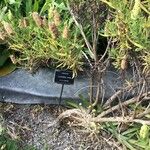
Lavandula viridis
Madeira lavender · Green Spanish lavender · Green lavender · Lemon lavender · Yellow lavender
Description
Source: leafsnapLavandula viridis, commonly known as green lavender or white lavender, is a species of flowering plant in the family Lamiaceae, occurring naturally in southern Portugal and southwest Spain.
Care Guide
💧 Water
Green Spanish lavender, originating from the Mediterranean, thrives in dry and sunny environments. This drought-tolerant plant requires watering only once a week. As an evergreen, it maintains its foliage throughout the year, making it suitable for both indoor and outdoor use. Additionally, it is an excellent choice for xeriscaping.
How should I water my Green spanish lavender?
To properly water the Green Spanish lavender, it is best to use filtered water at room temperature or slightly warmer. Tap water, which may contain harmful particles, should be avoided. This is because the plant is sensitive to cold water, which can be a shock to its system. Additionally, refrain from overhead watering as it can cause problems with the foliage. Instead, thoroughly soak the soil with filtered water until it is entirely moistened. This helps to nurture the plant's roots, allowing them to spread and collect necessary nutrients.
What should I do if I give my Green Spanish lavender too much water or too little water?
Overwatering is a more common problem for Green spanish lavender, and it can cause wilting, yellowing of stems and leaves, and diseases like root rot, mold, and mildew. Underwatering is less common, but it can lead to brittle, brown leaves. It's important to recognize the signs of overwatering early and adjust your watering schedule if needed. If the soil drains poorly, replace it with a well-draining mix. If your plant needs more water, increase the frequency of watering until the signs improve.
How frequently should I water my Green Spanish lavender?
If your Green spanish lavender is in a pot, the most accurate way to determine if it needs watering is by checking the soil with your finger. If the top two to three inches of soil are dry, it's time to water it. If you have your Green spanish lavender planted outdoors, you can use the same method to test the soil. Again, if the top few inches of soil are dry, it's time to water it. Normally, during spring and early fall, you would water this plant once a week using this method. However, during extremely hot weather, you may need to water it twice a week or more. It's worth noting that mature, well-established Green spanish lavender is quite resilient and can tolerate drought conditions.
How much water does my Green spanish lavender plant need?
To properly water your Green spanish lavender, don't be hesitant in the amount of water you provide. When the top few inches of soil are dry, water the plant thoroughly until the soil is soaked. You should add enough water to allow excess water to drain out from the pot's drainage holes. If you don't see any excess water draining, you may have under-watered the plant. Avoid letting water accumulate in the soil, as this can harm the plant. Additionally, if water doesn't drain well from the pot, it may indicate poor soil drainage, which is unhealthy for the plant. If the plant is outdoors, around 1 inch of rain per week is sufficient.
How do I water my Green spanish lavender when it is growing at different stages?
The water needs of the Green Spanish lavender can vary depending on its growth stages. When the plant is young or has been recently transplanted, it requires more water than usual. This is because during these stages, the plant focuses on developing new roots to support future growth, and these roots require more moisture. However, as the plant matures over a few seasons, it will need less water. Additionally, during the blooming period, the plant may also require more water due to the energy expended on flower development.
☀️ Light Full sun
Green spanish lavender is a perennial herbaceous plant that loves sunlight and comes from open habitats, frequently flourishing in meadows and grasslands. It prefers full sun but can also tolerate partial sun.
What are the sunlight requirements for Green Spanish Lavender?
Green Spanish Lavender is a perennial herbaceous plant that thrives best in full sun conditions, which means it requires more than 6 hours of sunlight daily. However, it can also tolerate partial sun, receiving about 3-6 hours of sunlight. It's essential to monitor the movement of sunlight through your garden to ensure that your plants get the ideal balance of light and shade, contributing to their well-being.
Can artificial lighting be used for Green Spanish Lavender, and if so, how?
Yes, artificial lighting can be utilized for Green Spanish Lavender, especially when natural sunlight is insufficient, such as during winter or in less sunny spaces. LED lights are a popular choice because they can be tailored to provide specific wavelengths needed by the plants. For full sun plants, 30-50W/sq ft of artificial light is recommended, 20-30W/sq ft for partial sun plants, and 10-20W/sq ft for full shade plants. The light source should be placed 12-36 inches above the plant to mimic natural sunlight, and plants generally require 8-12 hours of light per day.
What are the signs of inadequate lighting for Green Spanish Lavender?
Symptoms of light deficiency in Green Spanish Lavender include smaller new leaves, leggy or sparse growth, faster leaf drop, halted or no new growth, and lighter-colored new leaves. Also, chlorosis (leaves turning yellow), sunscald, leaf curling, wilting, and leaf scorching are signs of inadequate light or too much direct sunlight. These symptoms indicate the plant's struggle to receive the optimal light for photosynthesis and growth.
What are the solutions for improving light conditions for Green Spanish Lavender?
To improve light conditions for Green Spanish Lavender, indoor plants should be gradually moved to sunnier locations until they receive at least 6 hours of direct sunlight daily, utilizing south-facing windows and keeping curtains open. For plants that are large or not easily movable, consider using artificial light. Outdoors, gradually move plants to better sunlight spots to avoid sunburn. Minimizing obstructions such as pruning trees can help increase sun exposure. If necessary, transplant smaller plants during their dormant period to a location with ample sunlight and good drainage. Note that parts of the plant damaged by insufficient light may not recover, but new growth will be healthy following these adjustments.
🌡️ Temperature 15–35°C
Green spanish lavender has good temperature adaptability and can tolerate higher heat and greater temperature swings. In hot weather, you should pay attention to watering and provide suitable shade to avoid sunburn. However, Green spanish lavender is relatively poorly tolerant of low temperatures. While it can withstand some cold, excessively low temperatures may cause frost damage.
What is the botanical name of Green Spanish Lavender?
The botanical name of Green Spanish Lavender is Lavandula viridis. This plant is known for its unique characteristics and is a part of the Lavandula, or lavender, family.
💨 Humidity
🪴 Soil 6-7
🌱 Fertilizer
The best time to fertilize a Green spanish lavender is in early spring, as it is coming out of dormancy and beginning active growth. Fertilization supplies essential nutrients for healthy development. Although Green spanish lavender has comparatively low fertilizer requirements, applying fertilizer annually can improve its survival and encourage better, longer-lasting flowers.
🪴 Pot & Repot 2-3 years
To maintain the vibrant greenery and vitality of green Spanish lavender, repot the plant every 2 to 3 years in early spring. Choose a slightly larger container to encourage root growth, and use a well-draining potting mix. Be careful not to overwater the plant. Consistent care is essential for keeping your green Spanish lavender healthy and thriving.
✂️ Pruning
Green Spanish lavender is a hardy aromatic shrub known for its lush green foliage and fragrant flowers. To shape the plant and encourage new growth, it's best to prune it from early to late spring. Be sure to remove any spent blooms and dead wood, but take care not to cut into the old wood. This will help maintain the plant's vigor and promote healthy flowering.
🌿 Propagating
🐛 Diseases & pets
☠️ Toxicity
Characteristics
- Plant Type
- Herb
- Life Cycle
- Perennial
- Genus
- Lavandula
- Family
- Lamiaceae
- Hardiness Zone
- 7-10
- Mature Height
- 61 cm
- Mature Spread
- 76 cm
- Leaf Color
- Green
- Leaf Type
- Evergreen
- Flower Color
- White, Yellow, Green
- Flower Size
- 0.51 cm to 0.76 cm
- Bloom Time
- Summer, Early fall, Mid fall
- Planting Time
- Spring, Summer, Autumn
- Harvest Time
- Late summer, Fall, Early winter
- Native Area
- Spain, Portugal