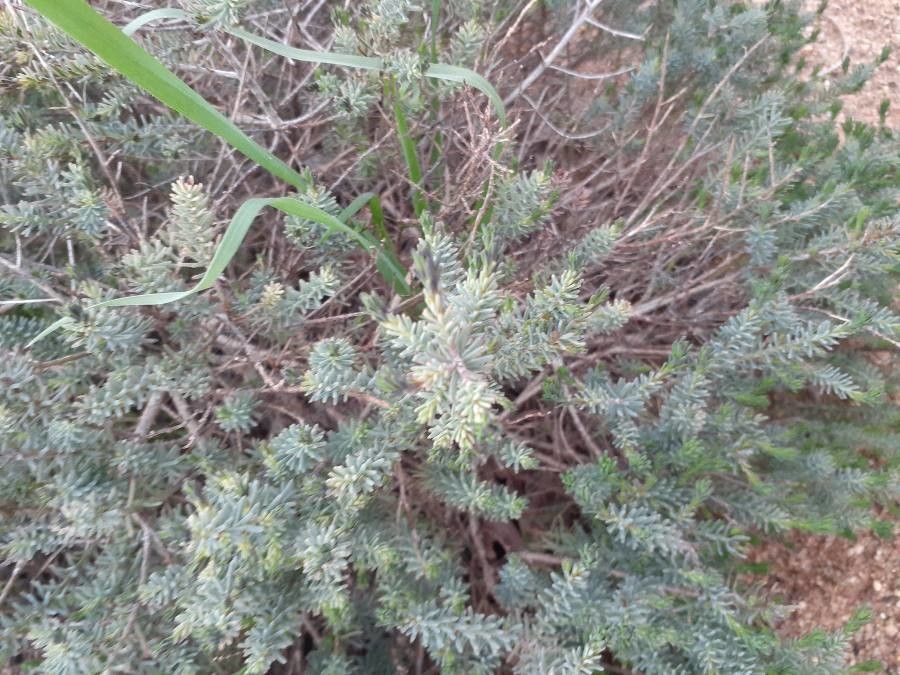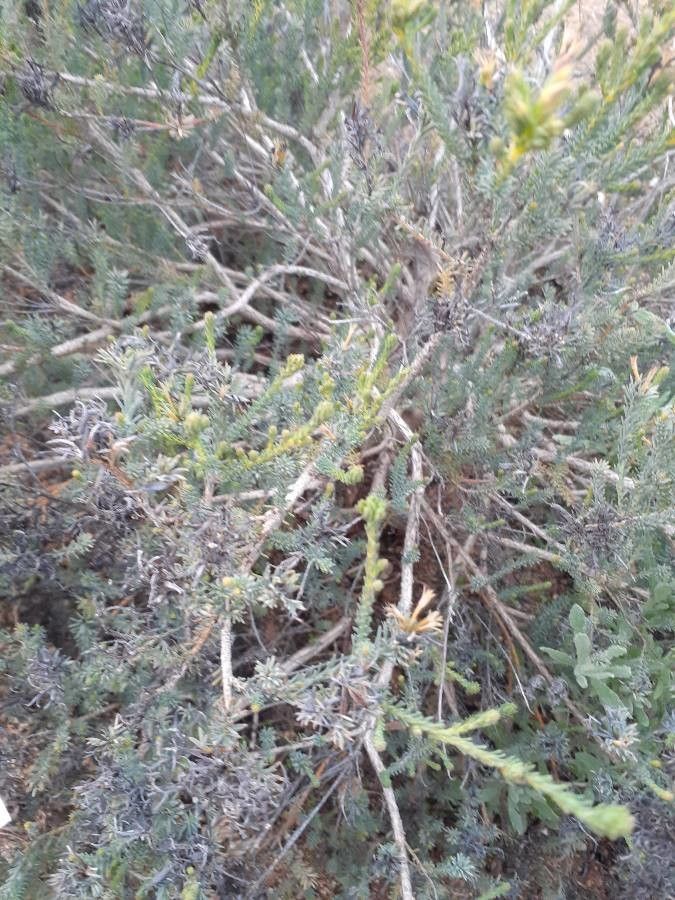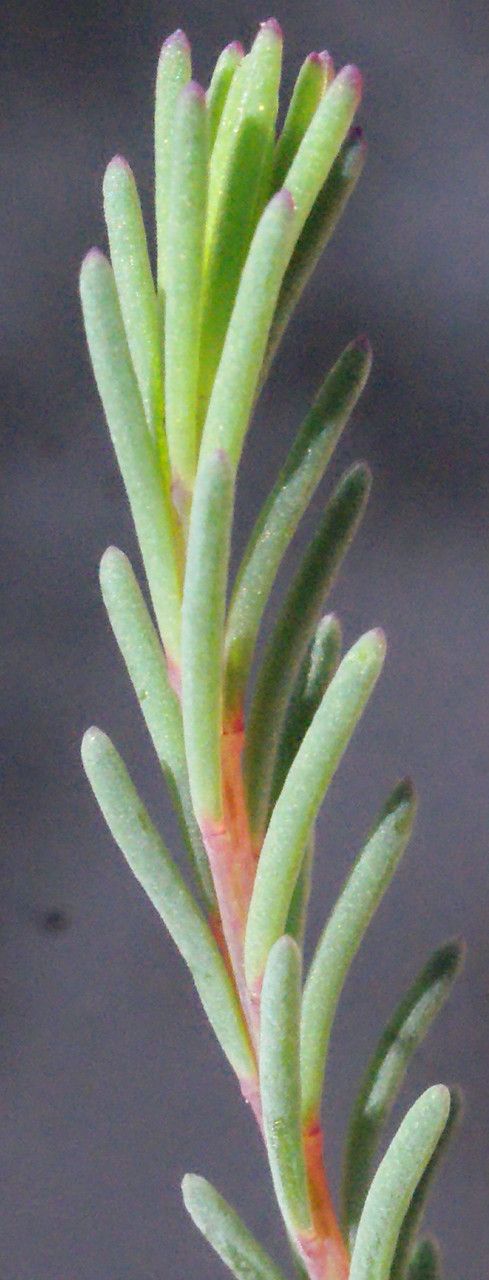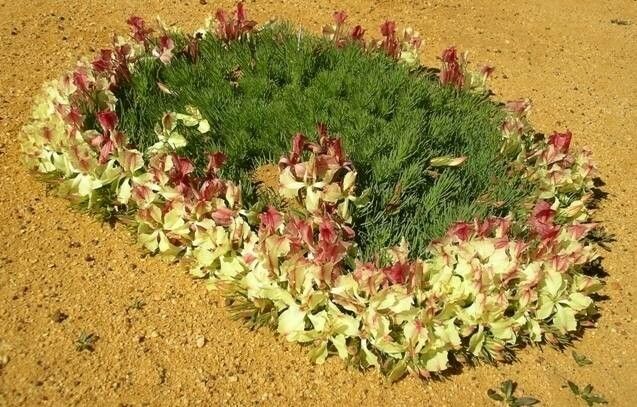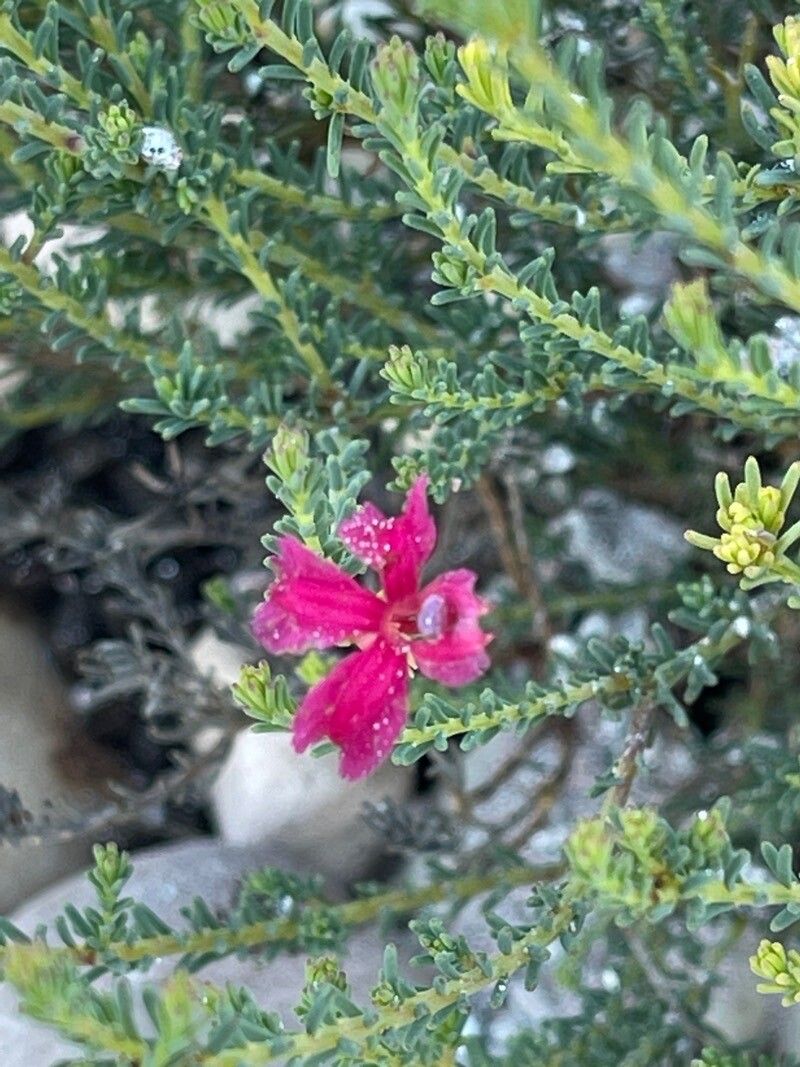
Lechenaultia formosa, commonly known as red leschenaultia, is a species of flowering plant in the family Goodeniaceae and is endemic to the south-west of Western Australia. It is a prostrate or erect shrub or subshrub with crowded, narrow, fleshy leaves and scarlet or orange-red to pale orange flowers.
Red leschenaultia has strong resistance to disease and is typically not vulnerable to illnesses. That said, it can be affected by pests and diseases present in its environment. Such infections are generally mild. Regarding care, this plant needs moderate maintenance. It should be pruned regularly to keep a tidy appearance and support healthy growth. Fertilizing can also encourage flowering. Red leschenaultia is appropriate for anyone with an outdoor area, like a garden or patio, and does not demand extensive gardening experience. It may need extra attention when grown indoors.
How to keep Lechenaultia Formosa.
Light
The red leschenaultia is a perennial herbaceous plant that loves the sun and is native to open environments, commonly found flourishing in grasslands and meadows. While it particularly enjoys full sun, it can also withstand conditions with partial sun.
Temperature
Red leschenaultia displays considerable resilience to heat, demonstrating the ability to endure elevated temperatures and major temperature fluctuations. Make sure to maintain proper hydration and adequate shade when the temperature rises to avoid sun damage. On the contrary, Red leschenaultia has notably less capacity to cope with colder climates. Despite its capability to tolerate a certain level of cold, extreme cold conditions can result in frost injury.
Fertilizer
The primary period to fertilize Red leschenaultia is in the early spring as blossoms are developing. The correct fertilizer promotes superior blooming and aids in producing beautiful Red leschenaultia flowers. Providing fertilizer at the beginning of spring guarantees exceptional flowers throughout the season and supplies energy for inactive growth stages.
Pruning
Red leschenaultia benefits greatly from pruning in early spring, which encourages bushiness and overall health. To maintain its vitality, trim off spent blooms and any leggy growth. Be careful to avoid heavy pruning in late summer. This approach improves air circulation, reduces the risk of disease, and promotes stronger flowering, resulting in prolonged vitality and beauty in the garden.
Botanical profile.
- Plant Type
- Herb
- Life Cycle
- Perennial
- Genus
- Lechenaultia
- Family
- Goodeniaceae
- Hardiness Zone
- 9-11
- Mature Height
- 20 cm to 40 cm
- Mature Spread
- 30 cm to 61 cm
- Leaf Color
- Green
- Leaf Type
- Evergreen
- Flower Size
- 2.03 cm to 3.05 cm
- Bloom Time
- Mid summer, Late summer, Early fall, Mid fall
- Planting Time
- Spring, Summer
- Harvest Time
- Late fall, Early winter