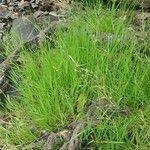
Leersia hexandra
Swamp ricegrass · Cutgrass · Southern Cutgrass · Southern Cut Grass · Rice Grass
Description
Source: leafsnapLeersia hexandra is a species of grass known by the common names southern cutgrass, clubhead cutgrass, and swamp rice grass. It has a pantropical distribution. It is also an introduced species in many regions, sometimes becoming invasive, and it is an agricultural weed of various crops, especially rice. It is also cultivated as a forage for livestock.
Care Guide
💧 Water
What should I do if I give too much or too little water to my Swamp rice grass?
Proper watering is crucial for the performance of this beautiful ornamental grass. In the ground, water issues can be resolved, but in a container, too much or too little water can quickly kill Swamp rice grass. When the grass doesn't receive the right amount of water, growth may stop. Overwatering can lead to yellow leaves with brown tips, while underwatering can cause drooping leaves, weak seed head production, and browning. If you suspect improper watering, the first step is to determine if there is too much or too little water. Cease watering if there is excess water, as it may take weeks for heavy soils to dry out. When new growth appears, test the soil for moisture and decide whether additional water is necessary. For grasses receiving too little water, simply provide a deep drink and observe if it perks up. Overall, it is better to water deeply and less frequently as it encourages grasses to develop deep roots, making them more resistant to drought and watering issues.
How frequently should I water my Swamp rice grass?
The watering needs of Swamp rice grass vary depending on its location. Generally, watering once a week is recommended. In hot climates, watering once or twice a week in the summer may be necessary. In moderate climates, watering once every seven days or more may be enough. Grass in containers usually need more frequent watering than grasses planted in the ground. However, the location also plays a role, as shaded grasses require less frequent watering than those planted in the ground. It is important to water Swamp rice grass only when the soil is dry. To determine if the soil is dry, you can press your finger a couple of inches into the soil or use a portable scale to weigh the grass in a potted plant. Signs that the grass lacks sufficient water include folded and thin blades. Although Swamp rice grass is drought-tolerant, regular and deep watering will result in a more beautiful color. Despite its hardiness, this grass still requires care and attention. When initially planted, Swamp rice grass needs more frequent watering until it establishes deep roots. For potted grass, the soil may dry out quickly, especially in hot, direct sun. Test the soil every few days and water only when it feels dry. In-ground grass generally requires less watering, dependent on the soil type. Clay soil retains moisture even if the surface feels dry, while sandy soil that drains quickly may need more frequent watering.
What do I need to be mindful of when I water my Swamp rice grass in various seasons, climates, or during different stages of growth?
To determine if you are watering enough, observe the rate of growth of your grasses. During the hottest months, swamp rice grass can double in size within a year. If the weather is hot but the grass is not growing vigorously, consider adjusting your watering schedule. In winter, you can water once a month, but still check the soil for moisture. During the grass's growth cycle in the warmest months, it requires more water than usual. However, during winter and cooler months, the need for water significantly decreases. Remember that it is crucial for the soil to completely dry out before adding water to swamp rice grass.
☀️ Light Full sun
Swamp rice grass comes from habitats with abundant sunlight, such as the shallow margins of ponds and lakes. It prefers full sun but can also tolerate partial sun.
What kind of sunlight does Swamp rice grass need?
Swamp rice grass is a plant that requires full sun every day. It needs a minimum of six hours of sunlight to keep its leaves, roots, and blooms healthy. While most perennials also need six hours of sunlight a day, some plants like the Orange Daylily or Giant Coreopsis can survive with just three hours of sunlight daily. However, these perennial flowering plants won't be able to thrive as well as they would in sunnier conditions.
Can the sun harm Swamp rice grass? How can we keep Swamp rice grass safe from sunlight and heat damage?
In warm climates, some Perennial Flowering Plants may struggle with excessive heat and suffer from sun damage. They can wilt, dry out, or even experience growth problems if they are consistently exposed to the intense afternoon sun. However, not all plants require protection from the light afternoon sun. For those that are harmed by intense afternoon exposure, it is recommended to provide them with some shade in warmer climates. Gardeners can achieve this by planting these plants in areas that do not receive direct heat during the afternoon, such as under trees or behind bushes.
Should I keep Swamp rice grass out of direct sunlight?
Certain perennial plants require ample sunlight to reach their maximum bloom. However, in warmer climates, some of these plants actually benefit from less sun. For instance, individuals residing in hotter regions might find it beneficial to shade their flowering perennials during the intense afternoon sun, especially during summer months. Although many perennial flowering plants prefer partial shade in the hottest climates, there are exceptions. Take the Giant Coreopsis, for example, as it is not bothered by excessive sun exposure. These plants can flourish even when placed in the full sun during scorching weather.
What will happen if Swamp rice grass doesn't get enough sunlight?
If your Swamp rice grass is not receiving sufficient sunlight, you will see signs of its insufficient needs. Fewer blooms will be produced in comparison to those plants with full sun exposure. Some plants may develop dry spots on their leaves, but even in inadequate sunlight, most of them will still bloom. However, the flowers will be smaller and less full.
Does Swamp rice grass require specific sunlight care at different stages of its growth?
Swamp rice grass is a wonderful addition to any garden, producing beautiful flowers. For optimal blooming, it requires a minimum of six hours of sunlight per day. However, to keep the flowers fresh for longer periods, it is beneficial to provide partial shade during the hottest parts of the day. When the grass is young, it is important to ensure it receives adequate sunlight without exposing it to intense afternoon heat. On the other hand, fully mature plants thrive when given ample sunlight for proper growth.
🌡️ Temperature 15–37.8°C
Swamp rice grass comes from tropical areas, where the climate is usually warm and humid. Consequently, it is well suited to high heat and moisture. It is not fond of abrupt temperature changes and prefers a consistent temperature, so avoiding fluctuations indoors is important. It generally cannot tolerate cold and needs higher temperatures to grow. If the ambient temperature falls too low, the plant may stop growing or even die.
💨 Humidity
🪴 Soil
🌱 Fertilizer
🪴 Pot & Repot
✂️ Pruning
Swamp rice grass flourishes in wet conditions and grows quickly. To encourage healthier and denser growth, as well as to manage its invasiveness, prune one-third of the plant in early spring, focusing on the older stems. Be sure to use clean, sharp tools to prevent the spread of diseases.
🌿 Propagating
🐛 Diseases & pets
☠️ Toxicity
Characteristics
- Plant Type
- Grass
- Life Cycle
- Perennial
- Genus
- Leersia
- Family
- Poaceae
- Hardiness Zone
- 8-11
- Mature Height
- 91 cm
- Mature Spread
- 30 cm to 61 cm
- Leaf Color
- Light Green, Pale Green
- Leaf Type
- Deciduous
- Flower Color
- Yellow, Purple, Green
- Flower Size
- 5.08 cm to 10.16 cm
- Bloom Time
- Summer, Early fall, Mid fall
- Planting Time
- Spring, Summer
- Harvest Time
- Mid summer, Late summer, Fall
- Native Area
- Burkina Faso, Libya, Sri Lanka, Belize, India, Mexico, Guatemala, Madagascar, Nigeria, Morocco, Guinea-Bissau, Uganda, Tanzania, Benin, Sierra Leone, Indonesia, Cameroon, Mozambique, Ethiopia, Central African Republic, Malawi, Tunisia, Honduras, Peru, Philippines, Bangladesh, Laos, Panama, China, Lebanon, Colombia, Japan, Togo, El Salvador, Côte d'Ivoire, Eswatini, Iran, Ecuador, Gambia, Costa Rica, Congo (DRC), Lesotho, Egypt, Angola, Malaysia, Namibia, Rwanda, Eritrea, Kenya, Jamaica, Zimbabwe, Mali, Cuba, Cambodia, Burundi, Venezuela, Brazil, Ghana, Botswana, Congo, Nepal, South Africa, Sudan, Mauritania, Zambia, Guinea, Spain, Bolivia, Vietnam, Myanmar, Guyana, Bhutan, Nicaragua, Algeria, Thailand, Gabon