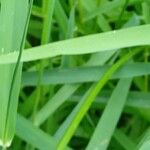
Leersia oryzoides
Cutgrass · Rice cutgrass · Ricegrass · Rice Cut Grass · Marsh-grass
Description
Source: leafsnapLeersia oryzoides, commonly known as rice cutgrass, is a perennial grass native to North America. It typically thrives in wetlands and along the edges of streams and ponds. The plant can grow up to 6 feet tall and features long, narrow green leaves. Rice cutgrass produces small flowers arranged in clusters on tall stems that bloom from late summer to early fall. These flowers are followed by small seeds, which can be dispersed by wind or water. This plant plays a crucial role in wetland ecosystems. It helps stabilize soil, prevent erosion, filter pollutants from waterways, and provide habitat for wildlife, including birds and insects. Beyond its ecological benefits, rice cutgrass has been historically used for various medicinal purposes by indigenous peoples. It contains compounds with anti-inflammatory properties, which have been used to treat conditions such as arthritis. In summary, Leersia oryzoides is an important plant species with significant ecological and medicinal value.
Care Guide
💧 Water Every 7 days
Rice cutgrass thrives in wetland habitats, adapting well to high moisture levels and occasional flooding. It prefers consistent hydration and benefits from weekly watering to keep the soil damp. As an aquatic grass, rice cutgrass flourishes in outdoor environments where the soil remains constantly saturated but well-drained.
What should I do if I give my Rice cutgrass too much or too little water?
Proper watering is essential for the health of this beautiful ornamental grass. When planted in the ground, any watering issues can be resolved, but in a container, both overwatering and underwatering can quickly be fatal to Rice cutgrass. Insufficient watering can cause the grass to stop growing, resulting in drooping leaves, weak seed head production, and browned leaves. On the other hand, overwatering can lead to yellow leaves with brown tips. If you suspect an issue with watering, the first step is to determine whether it is receiving too much or too little water. If overwatering is the problem, immediately stop watering and allow the soil to dry out; this can take weeks for heavy soils. Once you notice new growth, test the soil moisture and decide whether more water is needed. Conversely, if insufficient watering is the issue, simply give the grass a deep drink and observe if it recovers. Remember, it is better to water deeply but less frequently as this encourages the growth of deep roots, making the grass more resistant to drought and watering-related problems.
How often do I need to water my Rice cutgrass?
The watering needs of Rice cutgrass will vary depending on its location. Generally, it should be watered every week. In hot climates, watering once or twice a week during the summer may be necessary. In moderate climates, watering once every seven days or more may be sufficient. Grass in containers typically need more frequent watering than grass in the ground. However, the location also plays a role, as shaded grasses require less frequent watering than in-ground grasses. Rice cutgrass should only be watered when the soil is dry. Signs that the grass needs water include dry soil, lightness of the pot, folded and thin blades of grass, and lack of sufficient water in the roots. Despite its drought tolerance, regular and deep waterings will provide a beautiful color. While Rice cutgrass can handle harsh and dry conditions, it still requires care and attention. When first planted, it needs more frequent watering until it establishes deep roots. Rice cutgrass in pots dries out quickly, especially if exposed to hot and direct sunlight. Test the soil every 3 to 4 days and water when it feels dry. In the ground, Rice cutgrass generally requires less watering, but this depends on the soil type. Clay soil holds water for a long time and may feel dry on the surface while retaining moisture below, while sandy soils drain quickly and need more frequent watering.
What do I need to be careful about when watering my Rice cutgrass in different seasons, climates, or during different periods of growth?
To determine if you are watering enough, observe the rate of growth of your grasses. Rice cutgrass, for example, tends to double in size during the hottest months. Hence, if the weather is hot but the grass is not growing vigorously, consider adjusting your watering schedule. In the winter, watering once a month may suffice, but always check the soil for moisture. During the growth cycle (warmer months), the grass requires more water, whereas in winter and cooler months, the need for water drastically decreases. A crucial reminder regarding Rice cutgrass is to ensure the soil is completely dry before adding water.
☀️ Light Full sun
Rice cutgrass is a sun-loving, perennial herbaceous plant that comes from open habitats and commonly grows in meadows and grasslands. It prefers full sun but can also tolerate partial sun conditions.
What are the sunlight requirements for rice cutgrass?
Rice cutgrass, scientifically known as Leersia oryzoides, is a perennial herbaceous plant that thrives in open habitats such as meadows and grasslands. It prefers full sun conditions, necessitating more than 6 hours of sunlight daily. However, it can also tolerate partial sun conditions, which means about 3-6 hours of sunlight each day. It's crucial to observe the movement of sunlight through your garden to select spots that offer a suitable balance of light and shade, ensuring your plants' well-being.
How can artificial lighting be used for rice cutgrass indoors?
For indoor rice cutgrass plants, especially when natural sunlight is insufficient, artificial lighting serves as an essential solution for optimal growth. Indoor plants benefit greatly from adequate lighting, and artificial lights can be tailored to furnish the specific light wavelengths needed. LED lights are a favored option for plant lighting indoors due to their customizability. The recommended artificial light intensity varies depending on the plant's sunlight needs: full sun plants require 30-50W/sq ft, partial sun plants 20-30W/sq ft, and full shade plants 10-20W/sq ft. Position the light source about 12-36 inches above the plant to best mimic natural sunlight and adjust the lighting duration to mimic natural daylight hours, generally 8-12 hours per day.
What are common symptoms of light deficiency in rice cutgrass?
Rice cutgrass shows several symptoms when subjected to insufficient light. These include smaller new leaves compared to older ones, leggy or sparse growth due to elongated spaces between leaves or stems, and an accelerated leaf drop as the plant endeavors to conserve resources. Additionally, the plant may experience slower or halted growth, lighter-colored new leaves due to a shortfall in chlorophyll and essential nutrients, and chlorosis, where leaves lose their green color. Sunscald and leaf curling may occur from extreme light conditions, alongside wilting from excessive water loss through transpiration, and leaf scorching characterized by brown, dry leaf edges.
How can you mitigate light deficiency symptoms in rice cutgrass?
To counteract light deficiency in rice cutgrass, gradually introducing the plants to more sunlight is beneficial. If indoors, move the plant closer to a south-facing window or provide artificial lighting for at least 8 hours a day to ensure it receives sufficient light. For outdoor plants, transitioning them to sunnier spots weekly can help prevent sunburn. Additionally, minimize obstructions like tree branches that block sunlight or consider transplanting smaller plants during their dormant period to areas with more sunlight and better drainage. It's important to note that parts of the plant already affected by insufficient sunlight may not recover, but new growth will be healthy after improving light exposure.
🌡️ Temperature 0–35°C
Rice cutgrass is native to habitats with moderate temperatures, typically between 32 and 95 °F (0 to 35 ℃). It favors warm conditions from summer through early fall and may need indoor care during extreme winter temperatures.
What is the native environment of Rice cutgrass?
Rice cutgrass, botanically known as Leersia oryzoides, is native to environments that have moderate temperatures, generally ranging between 32 to 95 °F (0 to 35 °C). It flourishes in the warm weather of summer to early fall and may need to be nurtured indoors during the extreme winter temperatures.
How does Rice cutgrass handle cold temperatures?
Rice cutgrass possesses strong resistance against cold temperatures, so special frost protection measures are usually not necessary. However, if winter temperatures are expected to plummet below -35°C, providing cold protection by covering the plant with soil or straw is important. Additionally, to combat the potential for drought and water scarcity during winter and early spring, it is recommended to water the plant abundantly before the first freeze in autumn, ensuring the soil remains moist.
What happens to Rice cutgrass at low temperatures?
Being cold-tolerant, Rice cutgrass thrives best with temperatures above 0°C. During the winter, it is advised to keep the plant above -30°C, considering that exposure to temperatures below -35°C might not show noticeable changes in winter, but could lead to a decrease in sprouting or no sprouting at all during spring. The solution for parts that have failed to sprout in spring is simple: remove these unproductive parts to encourage new growth.
How should Rice cutgrass be cared for during high temperatures?
During the summer, to ensure the healthy growth of Rice cutgrass, the temperature should be maintained below 35°C. If the temperature climbs beyond 38°C, the plant's leaves might become lighter, curl up, become susceptible to sunburn, and in severe cases, the entire plant might wilt and dry out. To mitigate such damage, trim away the sunburned and dried up parts of the plant. Moreover, relocating the plant to a shadier location or utilizing a shade cloth to block out the harsh midday and afternoon sun can be beneficial. Keeping the soil consistently moist by watering the plant in the morning and evening is also crucial.
💨 Humidity high (>60%)
This plant needs special care because it loves high humidity levels of 60-80% or more. The best way to achieve this is by placing a humidifier near the plant. Daily misting is also essential! Make sure the room has good ventilation.
🪴 Soil 5-7
🌱 Fertilizer
Rice cutgrass needs extra nutrients to encourage healthy new growth. In spring, applying some compost around the plant's base can effectively supply the nutrition it requires. Fertilizing helps support vigorous growth and improves the plant's resistance to diseases and pests.
🪴 Pot & Repot
✂️ Pruning
Rice cutgrass flourishes in wet, marshy environments and has tough stems. To manage its growth and remove damaged stems, it's best to prune the plant in early spring. Make sure to use sharp tools for clean cuts. Regular pruning encourages denser foliage and helps prevent the plant from becoming invasive. Additionally, monitoring its regrowth throughout the season ensures that the plant remains healthy and strong.
🌿 Propagating
🐛 Diseases & pets
☠️ Toxicity
Characteristics
- Plant Type
- Grass
- Life Cycle
- Perennial
- Genus
- Leersia
- Family
- Poaceae
- Hardiness Zone
- 3-9
- Mature Height
- 0.91 m to 1.52 m
- Mature Spread
- 30 cm
- Leaf Color
- Light Green, Olive Drab
- Leaf Type
- Deciduous
- Flower Color
- White, Yellow, Green
- Flower Size
- 10.16 cm to 15.24 cm
- Bloom Time
- Mid summer, Late summer, Early fall
- Planting Time
- Spring, Summer
- Harvest Time
- Early fall, Mid fall
- Native Area
- Turkey, Sweden, India, Austria, Mexico, Slovakia, Pakistan, Slovenia, Croatia, Belarus, Uzbekistan, Russia, Germany, Estonia, Romania, Latvia, South Korea, Belgium, Portugal, Netherlands, France, Tajikistan, Czech Republic, Bulgaria, Armenia, Poland, Greece, Ukraine, Serbia, China, Lithuania, Kyrgyzstan, Kazakhstan, Italy, Spain, Switzerland, Denmark, Myanmar, Japan, Finland, Iran, Albania, Azerbaijan, United Kingdom, Hungary, Turkmenistan