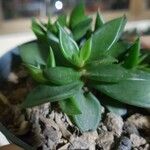
Lenophyllum texanum
Coastal stonecrop · Texas stonecrop
Description
Source: leafsnapLenophyllum texanum is a succulent plant native to Texas, USA. It is a low-growing, spreading species that forms dense mats of fleshy leaves. The leaves are small, triangular, and bluish-green with red margins. In the summer, the plant produces small white or pink flowers that attract pollinators like bees and butterflies. Lenophyllum texanum is easy to grow, thriving in full sun to partial shade and well-draining soil. While it is drought-tolerant once established, it benefits from occasional watering during prolonged dry spells. This succulent is an excellent choice for ground cover or container planting in rock gardens, xeriscapes, or other low-water landscapes. Its hardiness makes it suitable for outdoor growth year-round in USDA hardiness zones 7-10. Overall, Lenophyllum texanum is a beautiful and versatile succulent with unique foliage coloration, adding interest to any garden setting while requiring minimal maintenance.
Care Guide
💧 Water Every 7 days
Coastal stonecrop prospers in coastal environments where rains are infrequent and the soil drains well. This drought-tolerant plant requires minimal watering, ideally once every three weeks. As an outdoor plant in rock gardens, it benefits from dry spells and the occasional humidity provided by ocean mists.
☀️ Light Full sun
Coastal stonecrop does best with plenty of sunlight, though it can still cope with moderate sun exposure, echoing its origin in places full of sunlight. Excessive sun can cause stress and wilting, while too little light may greatly slow its growth.
🌡️ Temperature 15–35°C
Coastal stonecrop originates from a temperate climate and requires temperatures between 59 to 95 °F (15 to 35 ℃). It can tolerate cooler months, though its growth may slow when temperatures drop below its preferred range.
💨 Humidity
🪴 Soil 6-7
🌱 Fertilizer
For Coastal stonecrop, apply light amounts of fertilizer once or twice a year during the growing season. Avoid feeding in winter and in summer when the plant is dormant. Cut back on fertilizer for repotted specimens and wait a couple of months after repotting before you fertilize. Fertilizing helps maintain healthy growth and promotes blooms.
🪴 Pot & Repot Every 2 years
Coastal stonecrop is an excellent choice of low-growing succulent for small, shallow pots. It should be repotted every two years in the spring, using a slightly larger container with good drainage. After repotting, provide bright, indirect light and water sparingly to prevent root rot. Following these guidelines will help your coastal stonecrop thrive beautifully.
✂️ Pruning
To keep your coastal stonecrop in good shape, prune any excessive or dense branches in the spring and fall using a knife or scissors. To propagate the plant, cut a sturdy stem with 5-6 leaves, apply sulfur powder to the cut end, and allow it to heal. Once healed, plant the stem in slightly damp soil.
🌿 Propagating
🐛 Diseases & pets
☠️ Toxicity
Characteristics
- Plant Type
- Herb
- Life Cycle
- Perennial
- Genus
- Lenophyllum
- Family
- Crassulaceae
- Hardiness Zone
- 7-10
- Mature Height
- 0 cm to 30 cm
- Mature Spread
- 46 cm
- Leaf Color
- Light Green, Pale Green
- Leaf Type
- Evergreen
- Flower Color
- Yellow
- Flower Size
- 2.54 cm
- Bloom Time
- Late summer, Early fall, Mid fall
- Planting Time
- Spring, Summer
- Harvest Time
- Mid fall, Late fall, Early winter
- Native Area
- Mexico