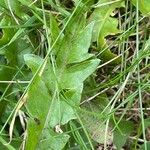
Leontodon saxatilis
Hairy hawkbit · Lesser hawkbit · Rough hawkbit · Hawkbit · Little Hawkbit
Description
Source: leafsnapLeontodon saxatilis, commonly known as Lesser Hawkbit, is a perennial herbaceous plant belonging to the Asteraceae family. Native to Europe, it thrives in meadows, grasslands, and rocky areas. The plant typically grows up to 30 cm in height and features a basal rosette of deeply lobed leaves with toothed edges. Its slender stem bears yellow flowers with toothed petals that bloom from May to September. These flowers are followed by small fruits called achenes, which are dispersed by wind or animals. The Lesser Hawkbit has been used for medicinal purposes for centuries, particularly due to its diuretic properties that aid in treating urinary tract infections and kidney stones. Additionally, it contains antioxidants that help protect against free radicals. The plant is also an important food source for bees, butterflies, moths, beetles, and other insects because of its nectar-rich flowers. In summary, Leontodon saxatilis is not only an attractive wildflower but also an important part of natural ecosystems across Europe. Its medicinal properties offer benefits for human health, making it a valuable plant both ecologically and medicinally.
Care Guide
💧 Water Every 7 days
Rough Hawkbit thrives in environments with moderate moisture and requires consistent weekly watering to stay healthy. Being a deciduous plant, it goes dormant during the colder months, which greatly reduces its need for water.
What do I do if I give my Rough Hawkbit too much or too little water?
To avoid underwatering your Rough Hawkbit, make sure to water it regularly once you notice it lacks moisture. On the other hand, overwatering can be a more serious problem as it can lead to diseases, decline, and death of the plant. To prevent this, choose a well-lit location with good drainage to allow excess water to drain out. If you have overwatered a potted Rough Hawkbit, consider transferring it to a new pot with loose soil and efficient drainage.
How should I water my Rough Hawkbit when it is growing at different stages?
Throughout the year, Rough Hawkbit goes through various growth stages, each with different water requirements. Starting from a seed, it's important to provide extra water during germination to maintain consistent moisture in the soil. After a few weeks, when the Rough Hawkbit emerges above the soil, it will need slightly less water compared to the seedling phase. Once the plant is fully mature, a regular watering frequency of about once per week is sufficient. During flower development, a slightly increased amount of water may be needed to support the process.
How should I water my Rough Hawkbit?
To water Rough Hawkbit, there are several options available. You can use a garden hose with a spray nozzle, a watering can, or any other common watering tool. This plant is not particular about the type of water it receives, whether it's rainwater, tap water, or filtered water. However, it's best to avoid watering it from overhead as this can harm the leaves and flowers and potentially cause diseases. A drip irrigation system is often the most effective way to water Rough Hawkbit, as it evenly distributes water directly to the soil. When it comes to container-grown Rough Hawkbit, you can use a cup, watering can, or tap water to directly water the soil.
How often do I need to water my Rough Hawkbit?
Rough Hawkbit requires regular watering throughout the growing season. In the spring, water it once per week. As the season progresses and the weather gets warmer, increase watering to two to three times per week. However, be careful not to overwater, as it can be harmful to the plant. Regardless of watering frequency, make sure the soil remains moist but not wet. Watering Rough Hawkbit in a pot is slightly different. Due to the pot's soil heating up and drying out faster, increase watering to a few times per week, compared to once per week for a plant in the ground.
How much water does my Rough Hawkbit plant need?
There are a few ways to decide how much water your Rough Hawkbit needs. One method is to feel the soil and water until the top six inches feel moist. Another option is to use a measurement, like two gallons per week, adjusting based on temperature and soil dryness. However, be careful not to overwater if your plant needs less. For container-grown Hawkbit, check the soil moisture by sticking your finger in or look for water draining out the bottom. Make sure all soil layers are moistened.
☀️ Light Full sun
Rough Hawkbit is native to bright, open habitats and flourishes in full sun. It can endure partial sun but favors direct sunlight for best growth. This species, which may be annual or biennial, is recognized for its love of sun.
What are the sunlight requirements for Rough Hawkbit?
Rough Hawkbit, known botanically as Leontodon saxatilis, thrives in bright, open environments. It requires full sun, which is above 6 hours of direct sunlight daily, for optimal growth, but can also tolerate partial sun, receiving about 3-6 hours of sunlight. It's critical to observe how sunlight moves through your garden to ensure your plants receive the right balance of light and shade, ensuring their health and happiness.
How do artificial lights support plant growth?
In conditions where natural sunlight is insufficient, especially during winter or in less sunny spaces, artificial lighting can be a lifesaver for indoor plants. They require adequate lighting for optimal growth, and artificial lights offer a solution to promote faster, healthier growth. LED lights, for instance, are favored for indoor plant lighting as they can be customized to provide specific wavelengths of light needed by plants. Full sun plants need 30-50W/sq ft, partial sun plants require 20-30W/sq ft, and full shade plants need 10-20W/sq ft of artificial light. The light source should be placed 12-36 inches above the plant, mimicking natural sunlight, and most plants will benefit from 8-12 hours of light per day.
What symptoms indicate insufficient light for Rough Hawkbit?
When Rough Hawkbit is grown indoors or in settings with inadequate light, it may display several symptoms of light deficiency. These include small leaves, leggy or sparse growth, faster leaf drop, slower or no new growth, lighter-colored new leaves, and signs of chlorosis. Excessive sunlight, on the other hand, may lead to sunscald, leaf curling, wilting, and leaf scorching. These symptoms reflect the plant's struggle with the provided light conditions, indicating the need for adjustments to its environment.
What are the effective solutions for managing light exposure for Rough Hawkbit?
To address insufficient light for Rough Hawkbit, gradually move your plants to receive at least 6 hours of direct sunlight daily. Indoors, use south-facing windows and consider artificial light sources, such as desk lamps or professional plant grow lights, to ensure an 8-hour exposure. Outdoors, adapt your plants to sunlight gradually to prevent sunburn. If your plants are in the ground and shaded, prune any obstructions or consider transplanting them during their dormant period to areas with better sunlight and drainage. Notably, parts of the plant damaged by inadequate light may not recover, but new growth will be healthy with improved light conditions.
🌡️ Temperature 15–35°C
Rough Hawkbit is native to habitats that generally have temperatures of 68 to 95°F (20 to 35℃). The plant favors comparable temperate conditions. Seasonal adjustments may be required to remain within this preferred range.
What temperature does a Rough Hawkbit seedling need in its first year?
If you are planting Rough Hawkbit outside for the first time, it may need extra care during the coldest months. Frost can severely damage a new Rough Hawkbit and prevent it from growing back in the spring. To protect it, keep the temperature above 40℉(5℃) by either bringing it indoors or using mulch or fabric barriers. During the first year or two, it's best to plant Rough Hawkbit in a shadier spot as smaller plants have a harder time regulating their temperature in hot weather. Limit direct sunlight to no more than five hours per day, especially if the temperature goes above 80℉(27℃). Using shadecloth and providing frequent watering or misting will help control summer heat.
What temperature is best for Rough Hawkbit?
The ideal temperature for Rough Hawkbit depends on the season. There are two seasons to consider: the growing season and the dormancy season. During the growing season, when Rough Hawkbit starts to sprout, the best temperature range is 65-80℉ (18-27℃). If it gets colder than 15℉ (-10℃), the plant may suffer, with browning and wilting leaves. However, if it's a brief cold spell, Rough Hawkbit might survive with some assistance. In warmer months, Rough Hawkbit needs protection from excessive heat. The plant's temperature limit is 95-105℉ (35-40℃). Anything above that can damage its leaves and flowers, causing wilting, drooping, and even sunburn. Recovering from sunburn can be challenging for Rough Hawkbit. Fortunately, there are several quick and easy ways to address this issue.
How can I keep Rough Hawkbit safe from very hot or very cold temperatures?
During the growing season, if temperatures drop below 15℉(-10℃), there are a few steps you can take to protect Rough Hawkbit from frost or cold damage. If it is planted in a container, simply bring the container indoors with bright, indirect light until temperatures rise above the threshold. For ground-planted Rough Hawkbit, you can use mulch or horticultural fabric to create a barrier that insulates the plant from frost and cold wind. On the other hand, if temperatures exceed 80℉(27℃) in the shade during the day, it is important to limit Rough Hawkbit's exposure to sunlight to six hours or less per day, preferably in the morning. Installing shade cloth or a fine plastic mesh can help reduce direct sunlight during the hottest parts of the day. Additionally, consider setting up a misting system to release a gradual cooling mist around the base of the plant during the day, which will lower ground temperatures.
Temperature suggestions for Rough Hawkbit during the inactive season.
During the cold winter months, Rough Hawkbit needs a certain amount of cold to remain dormant until it's time to sprout. Sprouting too early can be fatal to Rough Hawkbit, especially if it has already started growing before the last frost. Ideally, winter temperatures should be below freezing (32℉/0℃), but if they reach 40℉(5℃), everything will be fine. In more temperate climates, like woodland rainforests, an unexpected warm period can cause Rough Hawkbit to sprout prematurely. If there is still a risk of frost, you can cover it with clear plastic on stakes to protect the new sprout from the cold. This covering can be removed when the threat of frost has passed. Occasionally, Rough Hawkbit will naturally sprout at the right time without intervention, but using this method increases the chances of successful second sprouting.
💨 Humidity
🪴 Soil 6-7
🌱 Fertilizer
When Rough Hawkbit has opened most of its flowers to full size, resume fertilizing. During the period of peak bloom, apply fertilizer every three to four weeks, as weather allows. Once Rough Hawkbit begins producing fewer new flowers, stop fertilizing; there's no need to feed the plant when it can no longer produce more blooms.
🪴 Pot & Repot
✂️ Pruning
Rough Hawkbit is a low-growing perennial herb known for its bright yellow flowers and basal leaves. To maintain its health and appearance, prune the plant in the spring. This helps prevent legginess, removes dead foliage, and encourages continuous blooming. Regular pruning also improves air circulation, reduces the risk of disease, and supports the plant's overall vigor.
🌿 Propagating
🐛 Diseases & pets
☠️ Toxicity
Characteristics
- Plant Type
- Herb
- Life Cycle
- Annual
- Genus
- Leontodon
- Family
- Asteraceae
- Hardiness Zone
- 7-10
- Mature Height
- 10 cm to 30 cm
- Mature Spread
- 15 cm to 25 cm
- Leaf Color
- Green, Dark Green
- Leaf Type
- Semi-evergreen
- Flower Color
- Yellow
- Flower Size
- 2.54 cm
- Bloom Time
- Late spring, Summer, Fall
- Planting Time
- Spring, Summer, Autumn
- Harvest Time
- Summer, Fall, Early winter