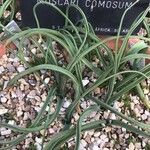
Leopoldia comosa
Tassel grape hyacinth · Tassel hyacinth · Feather Hyacinth · Tasselled Hyacinth
Description
Source: leafsnapLeopoldia comosa (syn. Muscari comosum) is a perennial bulbous plant. Usually called the tassel hyacinth or tassel grape hyacinth, it is one of a number of species and genera also known as grape hyacinths. It is found in rocky ground and cultivated areas, such as cornfields and vineyards in the Mediterranean region, but has naturalized elsewhere. In southern Italy and Greece, its bulb is a culinary delicacy.
🌳 Tassel hyacinth's least celebrated function may be its ability to act as a bioindicator, revealing soil health and the presence of heavy metals. Its presence can indicate a balanced ecosystem, and scientists have examined its phytoremediation potential. Beyond its visual appeal, it fulfills a largely overlooked yet crucial role in environmental monitoring.
Care Guide
💧 Water
Tassel hyacinth, native to Mediterranean climates, thrives in well-drained soils with moderate moisture. It prefers drier conditions and can tolerate drought, so it should be watered about once a week. This plant does well outdoors, especially in garden climate zones that match its natural habitat, where it can take advantage of the rain cycle.
How often should I water my Tassel hyacinth?
When watering your Tassel hyacinth, it's important to be generous with the amount of water you give. Make sure the first two to three inches of soil are dry before watering. Give the plant a thorough watering that completely soaks the soil. The water should be enough to cause excess water to flow through the drainage holes at the bottom of the pot. If you don't see any excess water draining, it means you haven't watered enough. However, be careful not to let water accumulate in the soil, as this can harm the plant. If you notice that water is not draining properly, it may be due to poorly draining soils, which can be harmful to the plant's health. If the plant is outside, one inch of rain per week should be enough.
How should I water my Tassel hyacinth?
To properly water the Tassel hyacinth, it's important to use filtered water at room temperature. Tap water may contain harmful particles that can affect the health of the plant. The Tassel hyacinth prefers warmer water because it originates from a warm environment, and cold water can be a shock to its system. Additionally, it is advised to avoid overhead watering, as it can cause issues with the foliage. Instead, water the plant by applying filtered room temperature water directly to the soil until it is completely soaked. This method is beneficial as it moistens the roots, allowing them to spread and absorb the necessary nutrients from the soil.
What should I do if I give my Tassel hyacinth too much water or not enough water?
Overwatering is a common issue for Tassel hyacinths and can cause wilting, yellowing, and diseases like root rot, mold, and mildew. Underwatering is less common, but can cause brittle, brown leaves. It's important to notice and address signs of overwatering early, as some diseases may be irreversible if left untreated. Reduce watering and check soil drainage if overwatering is suspected. For underwatering, simply increase watering until signs improve.
How many times should I water my Tassel hyacinth?
If your Tassel hyacinth is in a pot, you can determine if it needs water by checking the moisture of the soil. Stick your finger in the soil, and if the top two to three inches feel dry, it's time to water. For Tassel hyacinth grown outdoors in the ground, you can use the same method. When the top few inches of soil are dry, it's time to water. Typically in spring and early fall, watering once a week is sufficient. However, during periods of extreme heat, you may need to water twice or more per week. It's worth noting that mature Tassel hyacinth plants can tolerate dry conditions quite well.
How should I water my Tassel hyacinth at different times while it grows?
The water needs of the Tassel hyacinth can vary depending on its growth stages. In the first few years and when it is newly transplanted, you will need to provide more water. During these stages, the plant focuses on developing new roots, which require increased moisture to support future growth. However, as the Tassel hyacinth matures, it will need less water. Another stage that requires additional watering is when the plant blooms. Flower development consumes a substantial amount of moisture, so watering may need to be increased during this period.
☀️ Light Full sun
The tassel hyacinth naturally grows best in environments where it gets uninterrupted light for the whole day. It is not especially suited to low-light settings, so insufficient light can restrict its growth. By contrast, excess light does not harm it.
What are the sunlight requirements for a Tassel hyacinth?
The Tassel hyacinth, or Leopoldia comosa, thrives when exposed to full sunlight, requiring more than 6 hours of sunlight daily to maintain optimal growth. It's crucial to observe how sunlight moves through your garden, picking spots that offer a perfect balance of light and shade, ensuring the plants' well-being. This species is naturally inclined towards unobstructed light throughout the day and does not adapt well to low-light conditions. However, it doesn't seem to be negatively affected by overexposure to light.
How can artificial lighting be used for Tassel hyacinth?
In scenarios where natural sunlight is insufficient, especially during winter or in less sunny spaces, artificial lighting becomes essential for the growth of Tassel hyacinth. Optimal growth under artificial lighting requires choosing the right type of light, like LED, which can be customized to deliver specific wavelengths needed by the plant. The amount of artificial light recommended varies by plant type: full sun plants need 30-50W/sq ft, partial sun plants require 20-30W/sq ft, and full shade plants need 10-20W/sq ft. The light source should be placed 12-36 inches above the plant, mimicking natural sunlight for most plants, which necessitate 8-12 hours of light per day.
What are the signs of insufficient or excessive light in Tassel hyacinth?
Signs of insufficient light in Tassel hyacinth include smaller new leaves, leggy or sparse growth, faster leaf drop, slower or halted new growth, lighter-colored new leaves, and symptoms like chlorosis, where leaves lose their green color. Excessive light exposure may lead to sunscald, leaf curling as a defense mechanism against too much light, wilting due to loss of water through transpiration, and leaf scorching, characterized by brown, dry edges on leaves.
What are the solutions for Tassel hyacinth suffering from insufficient or excessive sunlight?
For Tassel hyacinth with insufficient light, gradually moving them to areas with at least 6 hours of direct sunlight daily can promote health and growth. Use south-facing windows or consider artificial lighting for plants that are large or not easily movable, ensuring they receive ample light. Outdoor plants should also be gradually moved to sunnier locations to prevent sunburn. It's beneficial to observe the environment for any obstructions like trees, and consider pruning or transplanting small plants during their dormant period to locations with better sunlight and drainage. Unfortunately, parts of the plant affected by insufficient sunlight may not recover, but new growth should flourish with improved light exposure.
🌡️ Temperature 5–32.2°C
Tassel hyacinth is native to regions where temperatures range from 41 to 89.6℉ (5 to 32℃). It thrives best in these conditions. If cultivating tassel hyacinth during other seasons, adjust the environment to replicate this natural habitat for optimal growth.
What are the ideal temperature conditions for Tassel hyacinth growth?
Tassel hyacinth, or Leopoldia comosa, flourishes in environments where temperatures range from 41°F (5°C) to 89.6°F (32°C). These conditions are vital for its optimal growth. The plant possesses a strong resistance to cold, making special frost protection measures generally unnecessary. However, in regions where temperatures may plummet below -30°C in winter, it's crucial to safeguard the plant using coverings like soil or straw. Additionally, abundant watering before the first freeze of autumn is recommended to keep the soil moist, helping to prevent drought and water scarcity during the colder months and into early spring.
How does Tassel hyacinth react to extremely low and high temperatures?
Tassel hyacinth shows remarkable tolerance to low temperatures and performs best when temperatures stay above 5°C. During the winter, it is crucial to maintain temperatures above -25°C to prevent damage. At temperatures dropping below -30°C, while there might not be noticeable immediate effects, the plant might face reduced sprouting or fail to sprout in the spring. In such cases, removing parts that haven't sprouted in spring is advisable. On the flip side, during summer, it's essential to keep temperatures below 32°C. Exceeding 35°C can lead to symptoms such as lighter leaf color, tendency for leaves to curl, susceptibility to sunburn, and in extreme situations, wilting and drying out of the plant. Solutions include trimming sunburned and dried-up parts, relocating the plant to a shaded area or using a shade cloth, and watering the plant in the morning and evening to maintain soil moisture.
💨 Humidity
🪴 Soil 6-7
🌱 Fertilizer
The primary time to fertilize Tassel hyacinth is in early spring, when the flowers are starting to form. A suitable fertilizer promotes better blooms and helps the plant produce attractive flowers. Fertilizing at that time ensures good flowers through the season and supplies energy for its dormant growth phases.
Which fertilizer should I use for my Tassel hyacinth?
A general-purpose fertilizer with a balanced amount of the three main plant nutrients will work well for a Tassel hyacinth. However, there are specific blends that can be even more beneficial. Many gardeners believe that higher levels of phosphorus lead to stronger roots and better flowers. Since Tassel hyacinth is a flowering plant, using a phosphorus-rich fertilizer may be the best option. You can choose either granular or liquid fertilizer as long as it is nutrient-rich. Additionally, compost, manure, and similar materials can help improve the soil for your Tassel hyacinth, providing a healthy growing medium.
Why should I add fertilizer to my Tassel hyacinth?
Fertilization is important for the Tassel hyacinth because it provides essential nutrients for the plant's growth above and below the ground. While the fertilization needs for a Tassel hyacinth are relatively low, annual fertilization can greatly benefit the plant and result in better, longer-lasting flowers. Therefore, those who want their Tassel hyacinth to thrive should make sure to fertilize it annually.
When should I fertilize my Tassel hyacinth for best results?
To ensure healthy growth, the best time to fertilize a Tassel hyacinth is in late winter to early spring when it is coming out of its dormant phase and starting to actively grow. Fertilizing during this period helps the plant get a head start for the season. While fertilizing in early spring is most beneficial, fall is also an option. However, it is not recommended to feed a Tassel hyacinth during summer or winter.
When is the best time to not fertilize my Tassel hyacinth?
To properly care for your Tassel hyacinth, it is important to only fertilize it in late winter and early spring. This plant has low fertilizer needs, so one feeding a year is sufficient. Overfertilizing during spring, summer, and fall can cause complications, unless you missed fertilizing in spring, in which case fall feeding is fine. Additionally, there is no need to fertilize during winter when the plant is dormant and not actively growing.
How can I make my Tassel hyacinth grow better?
To fertilize a Tassel hyacinth, the most common method is to use granular or pellet fertilizer on the soil around the plant. It's important to remember that the best time to fertilize is when the plant is transitioning from its winter dormant phase to active growth. In early spring, wait for shoots to emerge from the soil before applying fertilizer. Alternatively, some people opt for liquid fertilizer, which should be diluted with water before application. Regardless of the type of fertilizer used, it's always recommended to moisten the soil before, during, and after fertilization.
🪴 Pot & Repot
✂️ Pruning
The tassel hyacinth showcases vibrant flower spikes in blue, purple, or white. To maintain its health and appearance, it should be pruned from early to late spring. By removing dead leaves and faded blooms, you encourage healthier growth and more abundant flowers, while also preventing seed formation, which allows the plant to concentrate its energy on the bulb. Regular pruning helps keep the plant looking neat and tidy.
🌿 Propagating
🐛 Diseases & pets
☠️ Toxicity
Characteristics
- Plant Type
- Herb
- Life Cycle
- Perennial
- Genus
- Leopoldia
- Family
- Asparagaceae
- Hardiness Zone
- 4-8
- Mature Height
- 30 cm to 46 cm
- Mature Spread
- 20 cm to 30 cm
- Leaf Color
- Green, Blue
- Leaf Type
- Deciduous
- Flower Color
- Purple, Brown, Green
- Flower Size
- 2.54 cm
- Bloom Time
- Mid spring, Late spring
- Planting Time
- Autumn
- Harvest Time
- Late spring, Early summer
- Native Area
- Libya, Egypt, Turkey, Austria, Slovakia, Montenegro, Croatia, Slovenia, Morocco, Russia, Iraq, Germany, Romania, France, Portugal, Tunisia, Czech Republic, Cyprus, Bulgaria, Poland, Greece, Ukraine, Lebanon, Serbia, Syria, Italy, Spain, Switzerland, Iran, Albania, Algeria, Hungary