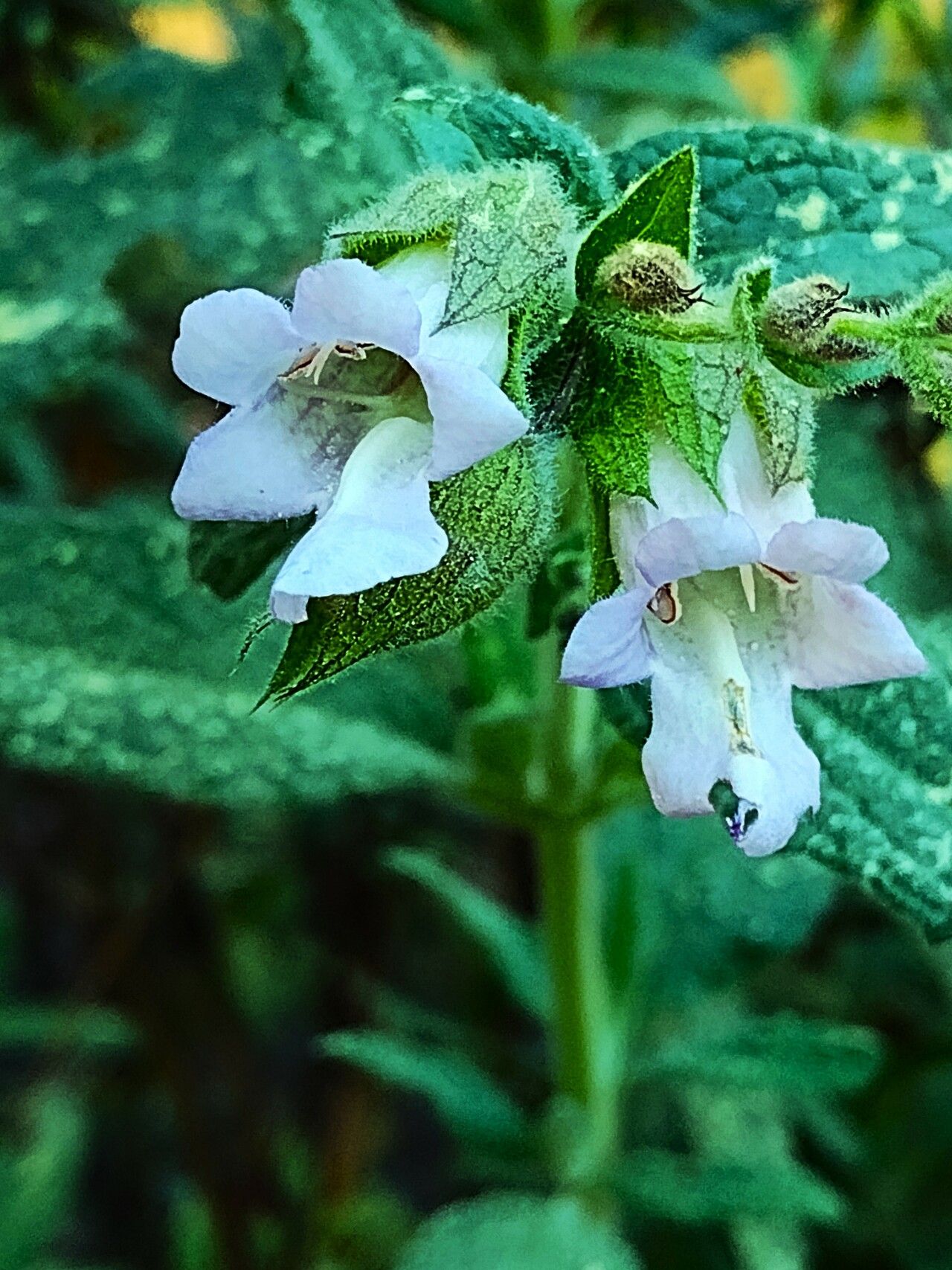
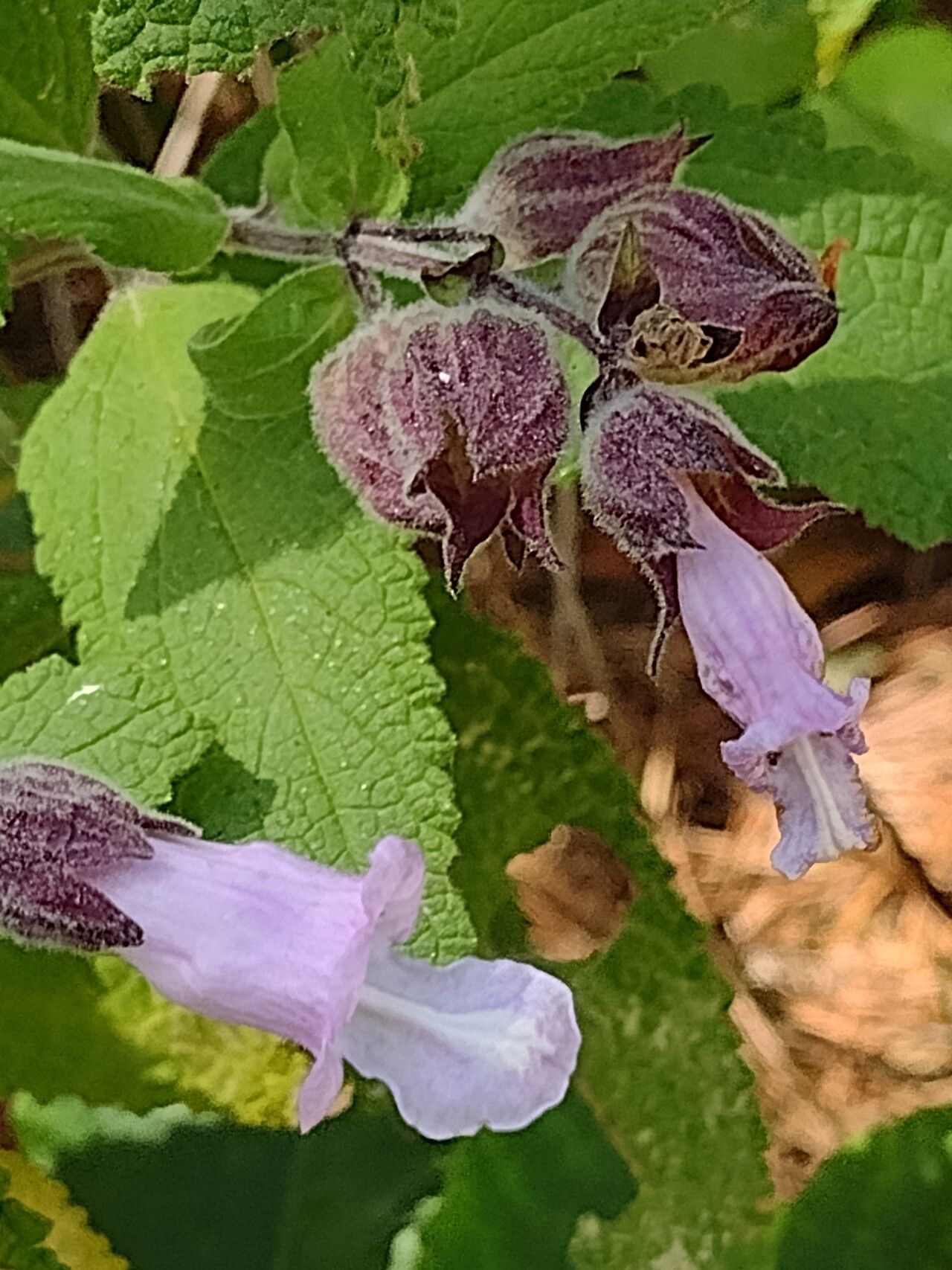
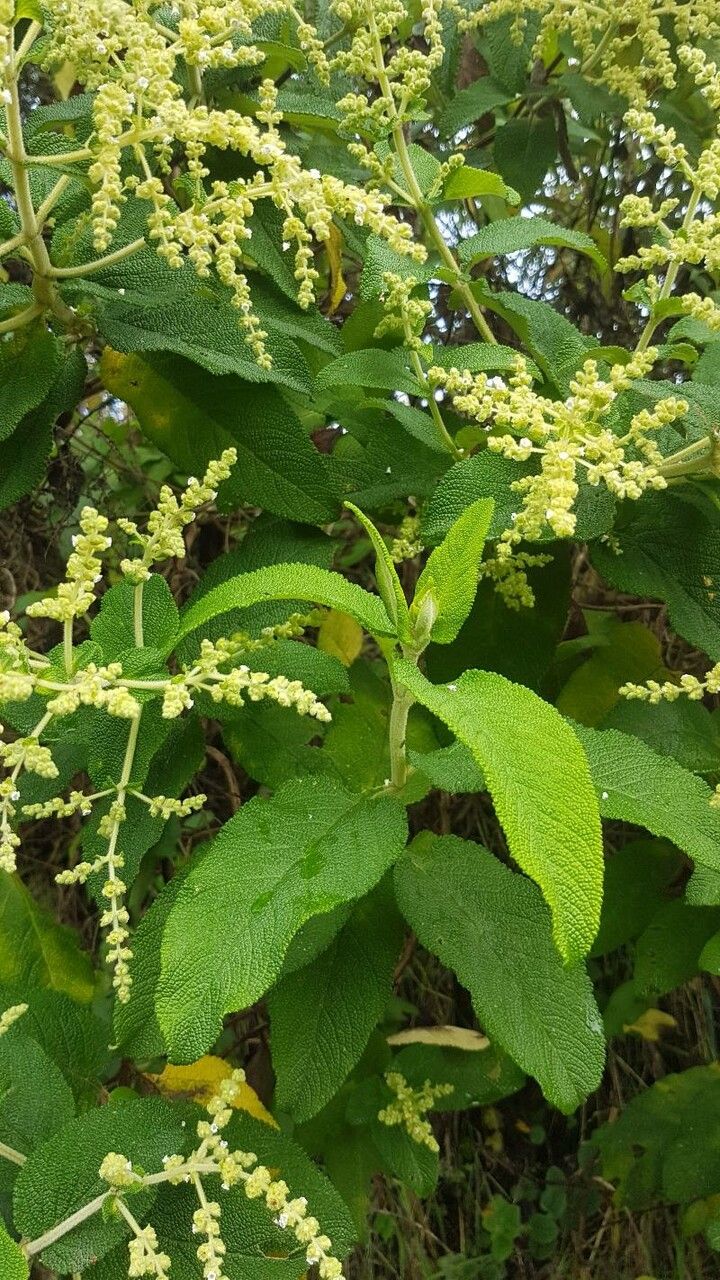
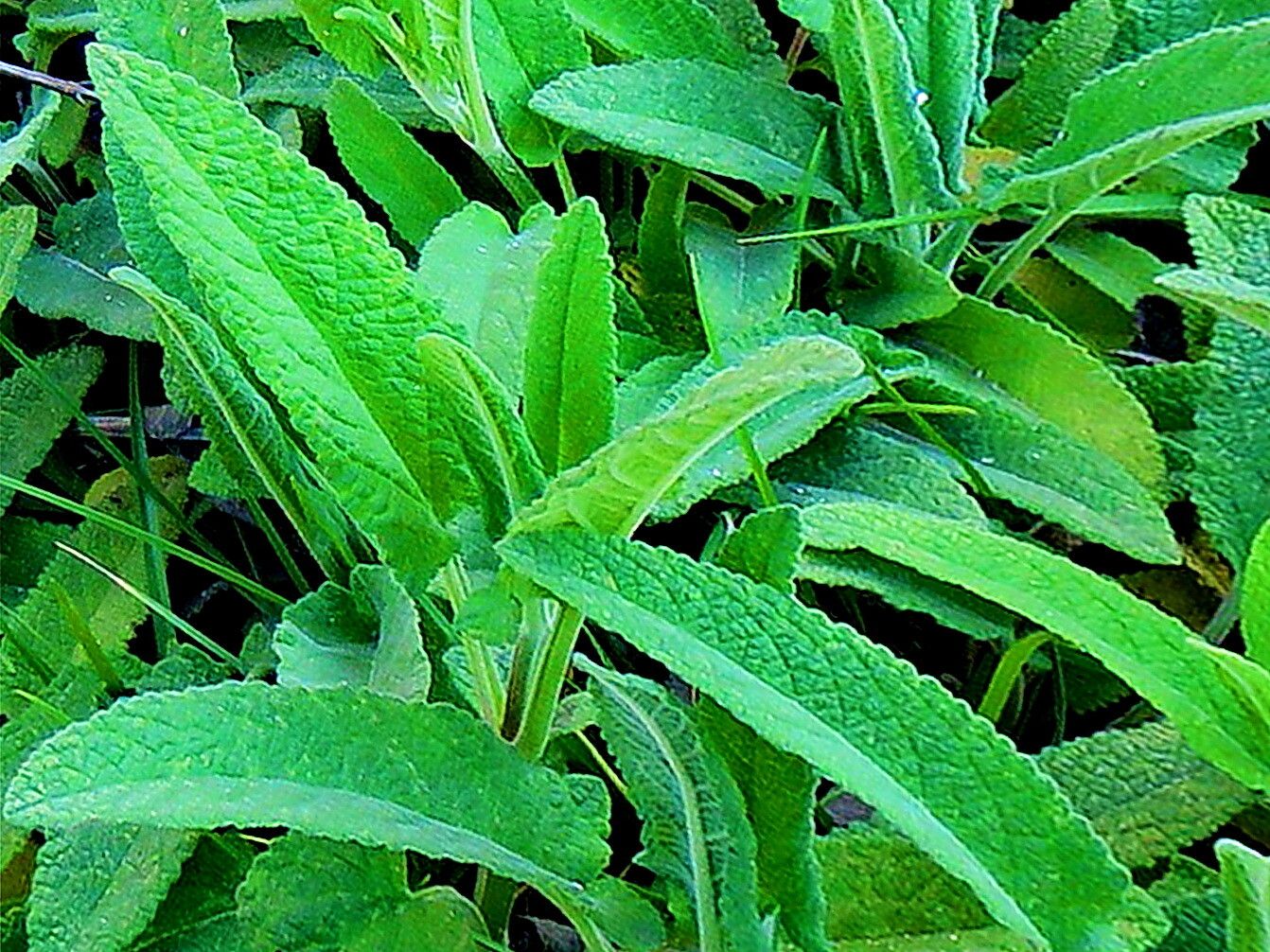
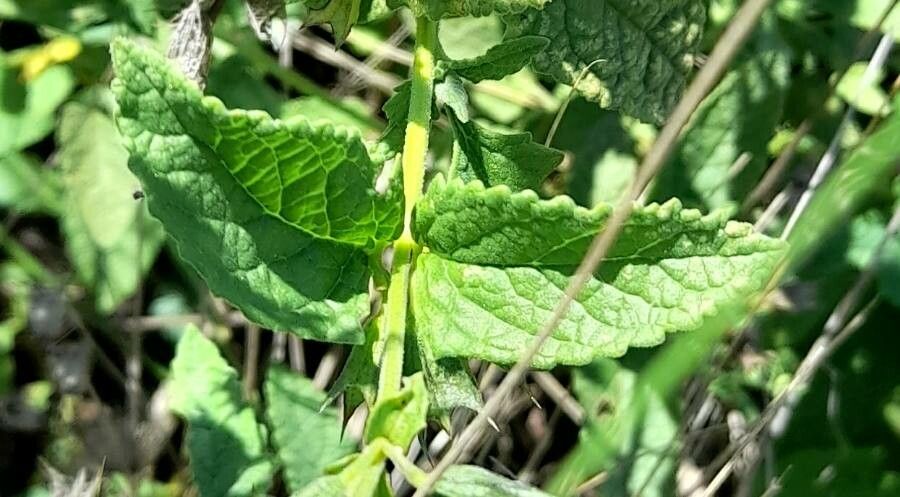
Lepechinia calycina is a species of flowering plant in the mint family known by the common name pitchersage or woodbalm. It is endemic to California, where it is a common plant in several different habitat types, including the chaparral plant community.
Woodbalm is resistant to disease and generally not susceptible to illnesses. In terms of care, this plant is fairly low-maintenance. When grown outdoors it needs little watering, and larger plants typically do not require pruning. Smaller plants, however, should be pruned after they finish blooming. Woodbalm is appropriate for anyone with an outdoor area, such as a garden or deck, and does not demand much prior care experience.
How to keep Lepechinia Calycina.
Light
Woodbalm flourishes with ample sunlight, displaying healthy growth in full sun. This preference comes from its origins in sun-rich habitats. While it can tolerate lower light levels, too little or too much light can undermine its health and cause the plant to suffer.
Water
Woodbalm thrives in semi-arid environments and exhibits remarkable drought resistance. To maintain its health, water the plant every 2 to 3 weeks. It prefers full sunlight and requires well-draining soil to prevent root waterlogging during the growing season.
Temperature
Woodbalm is native to areas with mild climates and does well in temperatures from 59 to 95 °F (15 to 35 °C). To obtain the best results, imitate these conditions. Seasonal adjustments are usually not required.
Fertilizer
Proper timing is essential for fertilizing Woodbalm. Start feeding in early spring and continue every month up to early summer. Fertilizer encourages attractive blooms and supplies energy during both dormant and active growth periods.
Pruning
Pruning woodbalm in early spring encourages new growth and helps maintain its shape. Start by removing dead stems and thinning out crowded areas to improve air circulation. Trimming away spent flowers also extends the blooming period. By using proper pruning techniques, you can ensure that your woodbalm remains healthy, vibrant, and visually appealing.
Botanical profile.
- Plant Type
- Shrub
- Life Cycle
- Perennial
- Genus
- Lepechinia
- Family
- Lamiaceae
- Hardiness Zone
- 7-10
- Mature Height
- 0.61 m to 1.52 m
- Mature Spread
- 0.61 m to 1.52 m
- Leaf Color
- Green, Dark Green
- Leaf Type
- Semi-evergreen
- Flower Color
- White, Purple, Blue
- Flower Size
- 2.03 cm to 3.05 cm
- Bloom Time
- Mid spring, Late spring, Early summer
- Planting Time
- Spring, Summer, Autumn
- Harvest Time
- Summer
Other names.
Reader questions.
What should I do if I give Woodbalm too much or too little water?
If a Woodbalm is overwatered, its leaves may turn yellow, drop off, and wilt, giving the plant a dull and unhealthy appearance with mushy stems. When these signs begin to show, it's best to adjust your watering schedule. Wilting can also be a sign of under watering, which causes leaves to turn crispy and dry. To determine if watering is needed, check the soil for dryness and give the plant a full watering if necessary. Although enough water will help the Woodbalm recover, it may still exhibit dryness and yellow leaves due to damaged roots for a few days. Once the plant returns to normal, yellowing leaves will stop. When keeping the Woodbalm indoors, always check the moisture levels in the pot and avoid overwatering. Look out for black spots, and if present, let the soil dry by refraining from watering for a few days. Overwatering can lead to root rot, so if you observe discolored and slimy roots, consider transferring the plant to a different pot. It's crucial to prevent root rot by avoiding excessively soggy soil. Outdoor planting requires digging a little deeper. If you find the soil is too dry when checking with your fingers, it may indicate underwatering. Adequate watering is necessary to help the plant recover.
Is sunlight harmful to Woodbalm? How can you keep Woodbalm safe from the sun and heat?
If you plan on moving Woodbalm plants outdoors, be cautious of direct sunlight as it can cause damage. To prevent sunburn, gradually transition them from shade to a brighter location. However, even when acclimated, extreme heat can still harm the plants. In a heatwave, ensure the soil stays moist to help the plants handle the excessive heat. If the weather becomes extreme, consider moving potted plants to shaded areas or using a shade cloth as protection for sensitive Woodbalm.
What temperature is best for Woodbalm?
Woodbalm thrives best in a temperature range of 65~80℉ (18~27℃). During the primary growing phase, the highest temperature it can tolerate is 95℉ (35℃), while the lowest tolerable temperature is 15℉ (-10℃). This species is able to survive freezing winters, as it is tolerant of low temperatures. For optimal conditions, the perfect temperature range is 65~80℉ (18~27℃), the highest range is 85~95℉ (30~35℃), and the lowest range is -5~15℉ (-20~-10℃) or below.
What is the most effective way to water my Woodbalm?
To ensure excellent root development, place a garden hose at the base of the plant. Avoid spraying the leaves directly, especially if they are outside and exposed to direct sunlight. Use bubblers or soaker hoses to hydrate the roots effectively. When adding or removing plants, use soaker hoses that cover the entire garden or bed to ensure deep root growth. Remember to drain excess water and allow the soil to dry before watering again. Water at ground level to prevent diseases. On sunny days, consider spraying the whole bush with water. Whether in pots or in the ground, it's best to provide Woodbalm with deep watering instead of light sprinkling.
Does Woodbalm need to be protected from sunlight at different stages of its growth?
Tender, new leaves are highly susceptible to sunburn. As a result, Woodbalm that is young and experiencing rapid growth, particularly during late spring and early summer, will be more vulnerable to intense sunlight and heat compared to mature plants or those in a slower growth stage during the fall. When purchasing Woodbalm directly from a nursery, it is important to note that these plants are typically not accustomed to being exposed to prolonged direct sunlight, and therefore need to be gradually introduced to such conditions.
Do I need to change the temperature for Woodbalm at different stages of growth?
Research indicates that when exposed to prolonged periods of elevated temperatures, Woodbalm tends to experience stunted growth, particularly during the development of axillary buds and the growth of main shoots. However, maintaining consistent and cooler temperatures, around 65℉(18℃), can promote vigorous growth following germination or transplanting.
How much water does my Woodbalm need?
The Woodbalm plant prefers deep and infrequent watering, particularly if they are in pots. When watering, it is important to soak them in a gallon of water each time, as the soil in pots dries out faster due to limited water storage. In colder regions, watering is needed every 3 to 5 days. It is best to water the plant early in the morning when the soil is dry, whether it is kept indoors or outdoors. To determine if watering is necessary, check the soil inside the pot. If the top 2-3 inches of soil is dry, it is time to give the plant a thorough watering. During hot days, check the moisture daily as the heat can quickly dry out the pot's soil. If you have a garden, irrigation of the soil is necessary. In hot climates, watering once a week may be sufficient. Only water when you notice the top 2-3 inches of soil becoming too dry, indoors or outdoors. Take into consideration any rainwater the plant receives and ensure not to overwater, as this can lead to root rot. If there is ample rainfall, additional watering may not be necessary. Woodbalm plants typically grow in spring and fall. If they are kept outdoors, adding mulch about 3 to 4 inches deep can help conserve water. Sandy soil requires more frequent watering since it drains faster. On the other hand, clay soil requires less frequent watering, with intervals of 2-3 days, to prevent root rot. Keeping track of watering dates on a calendar can help ensure timely watering. If you notice the leaves drooping, it may indicate that watering is needed soon.
How many hours of sunlight does Woodbalm need each day to grow well?
To ensure healthy growth, Woodbalm needs a minimum of 3-6 hours of sunlight daily. While plants that can tolerate partial sunlight usually do well in full sun, they are more adaptable due to their lower photosynthesis needs compared to plants that require full sun or partial shade.
How can I make sure Woodbalm stays warm during the cold seasons?
Woodbalm is a hardy plant that can handle freezing temperatures when grown in the ground, as long as the area doesn't drop below 15℉ (-10℃) in winter. However, if you choose to plant it in pots or containers, extra care is needed to protect the roots from the cold. You can do this by wrapping the container in a blanket or by bringing it indoors for full protection against the elements.
How much water should I give to my Woodbalm?
To care for Woodbalm, it generally needs about a gallon of water on a regular schedule. For potted plants, it's important to water them deeply until you see water dripping out of the bottom of the pot. Then, allow the soil to dry out before watering again. You can use a water calculator or moisture meter to help determine the amount of water your plants need each week. During the flowering period, provide plenty of water but allow the moisture to evaporate afterwards to avoid root rot. If you have planted Woodbalm outdoors and there is sufficient rainfall, you may not need to water it additionally. However, when Woodbalm is young or newly planted, make sure it receives 1-2 inches of rain per week. As the plant matures, it can rely on rainfall alone. Only in extremely hot weather, or if there has been no rain for 2-3 weeks, should you give Woodbalm a thorough watering during cooler parts of the day to protect it from heat damage. Additional watering will be necessary during prolonged dry periods.
What kind of sunlight does Woodbalm require?
Woodbalm thrives in full or part sun, particularly in the morning. However, during the summer, it is important to shield it from intense afternoon sunlight. Excessive exposure to hot afternoon sun in temperate environments can result in leaf burn, which can adversely affect the plant's overall appearance and health.
What will happen to Woodbalm if the temperature is too high or too low?
Woodbalm will experience greater harm if the temperature is consistently too high instead of too low. Excessive heat can lead to reduced seed germination and photosynthesis efficiency due to hormone triggers caused by heat stress. This can be identified through signs of wilting, leaf browning, and even potential death. Conversely, if Woodbalm becomes too cold, important plant functions like nutrient uptake and photosynthesis will stop, potentially leading to plant death. Additionally, a single freezing event during the growing season can cause a membrane phase transition, resulting in the cessation of plant functions and eventual death.