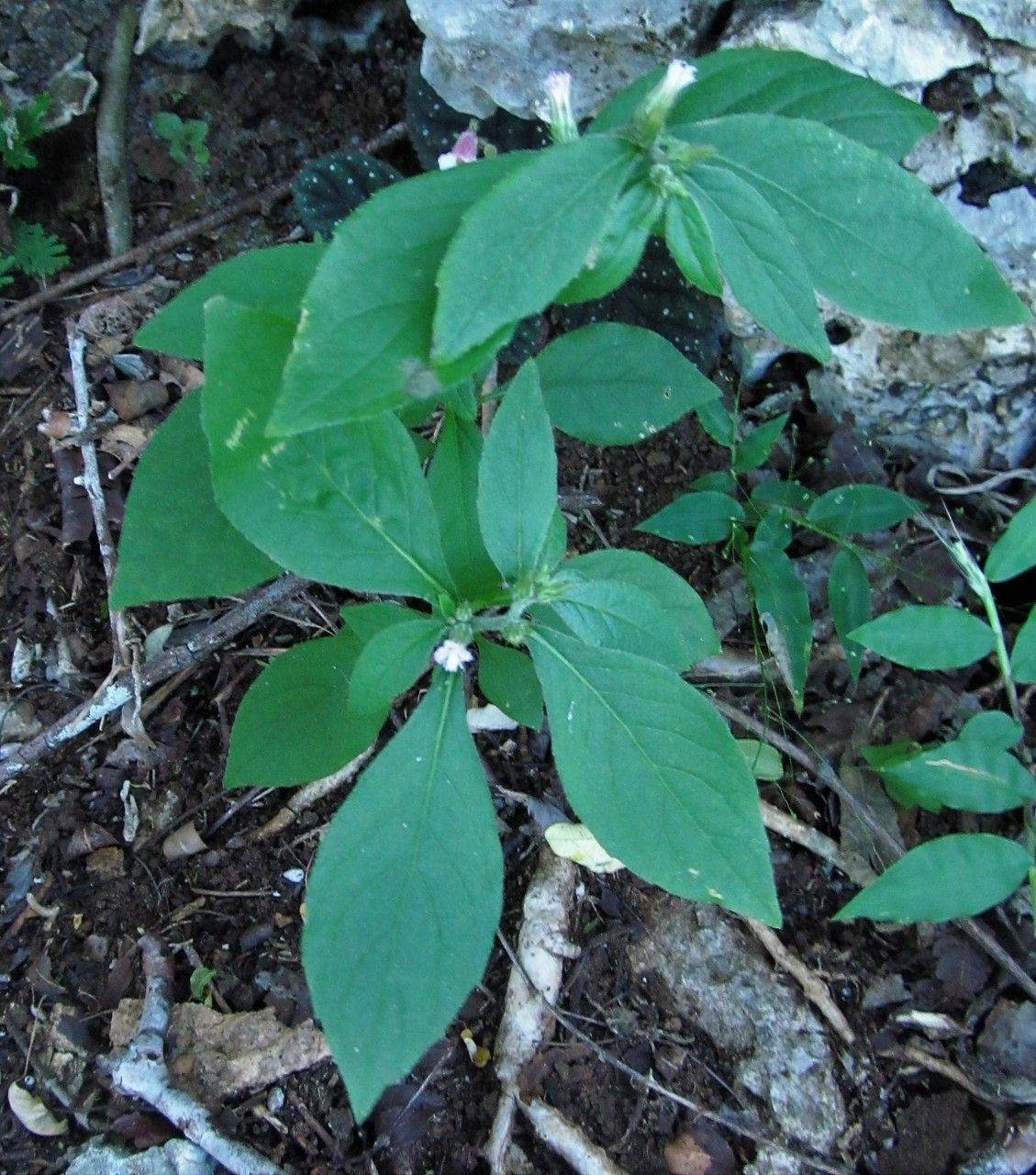
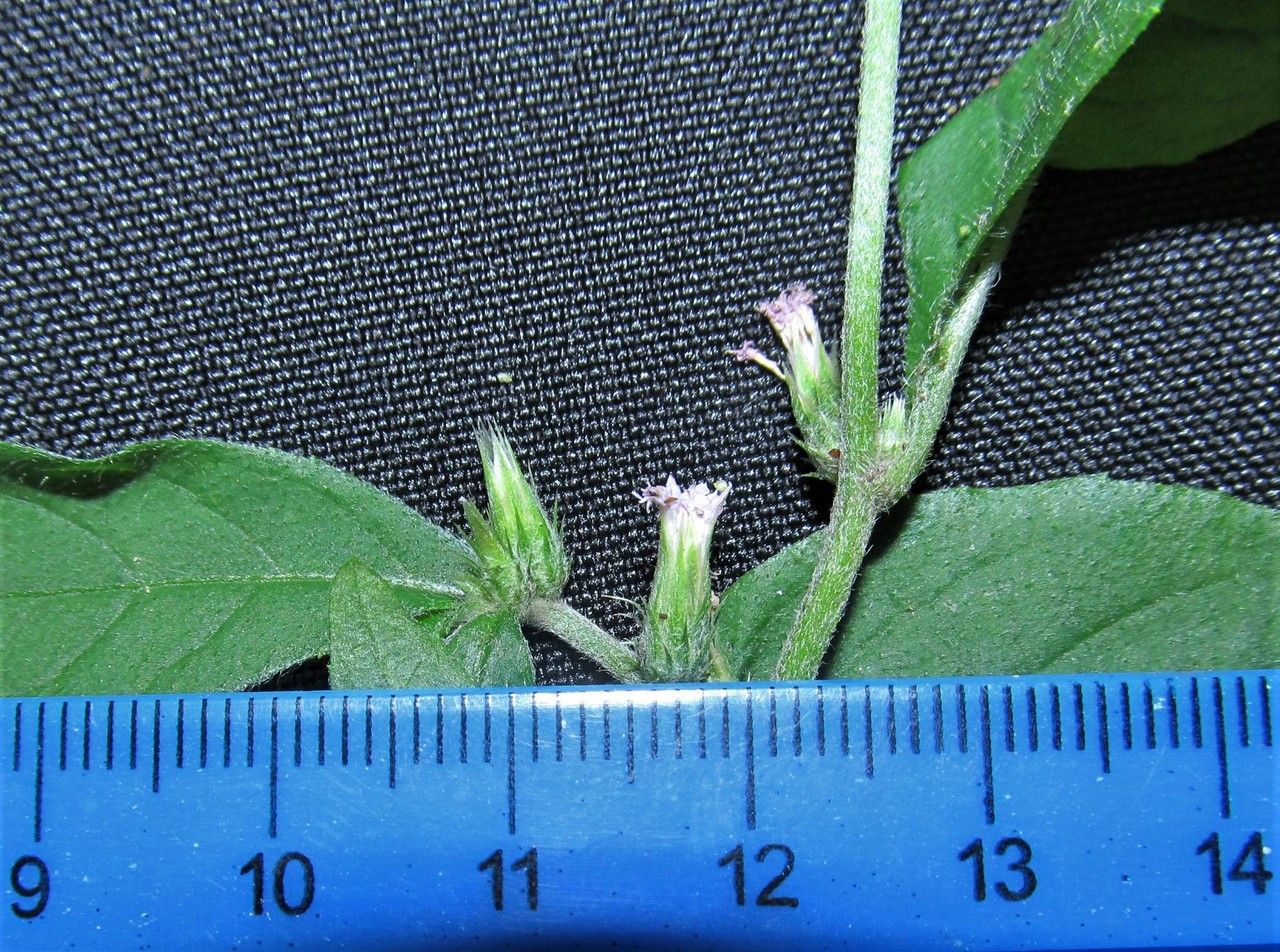
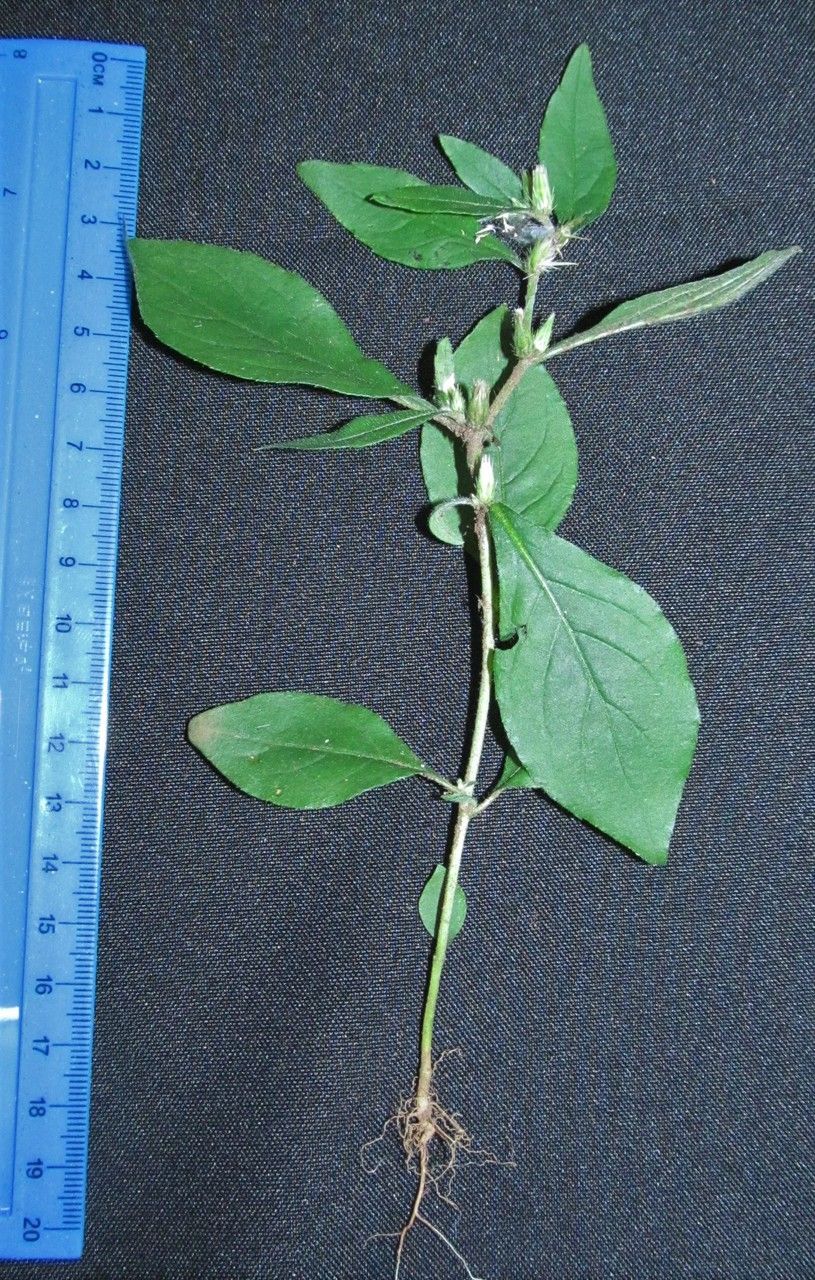
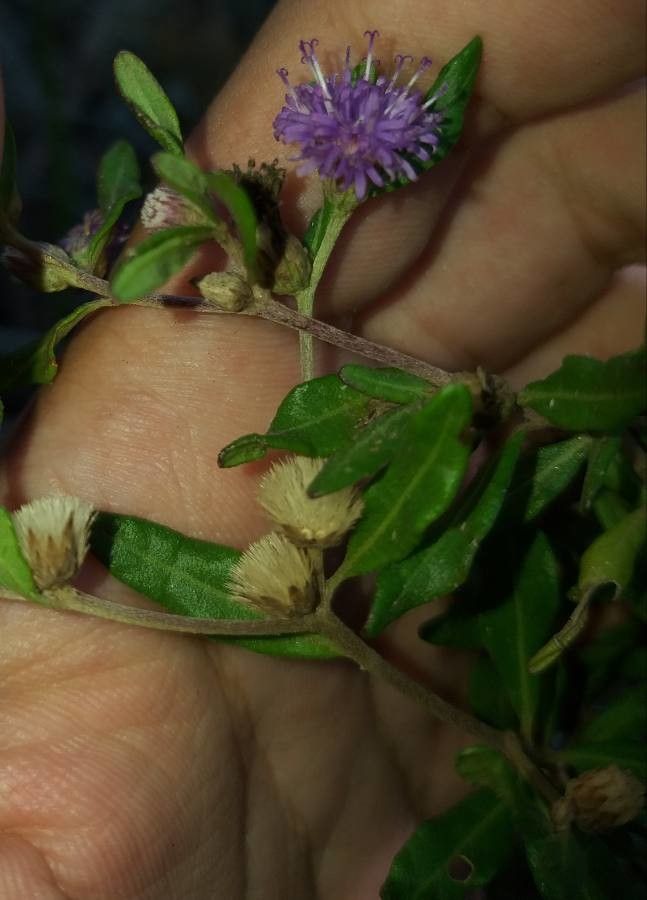
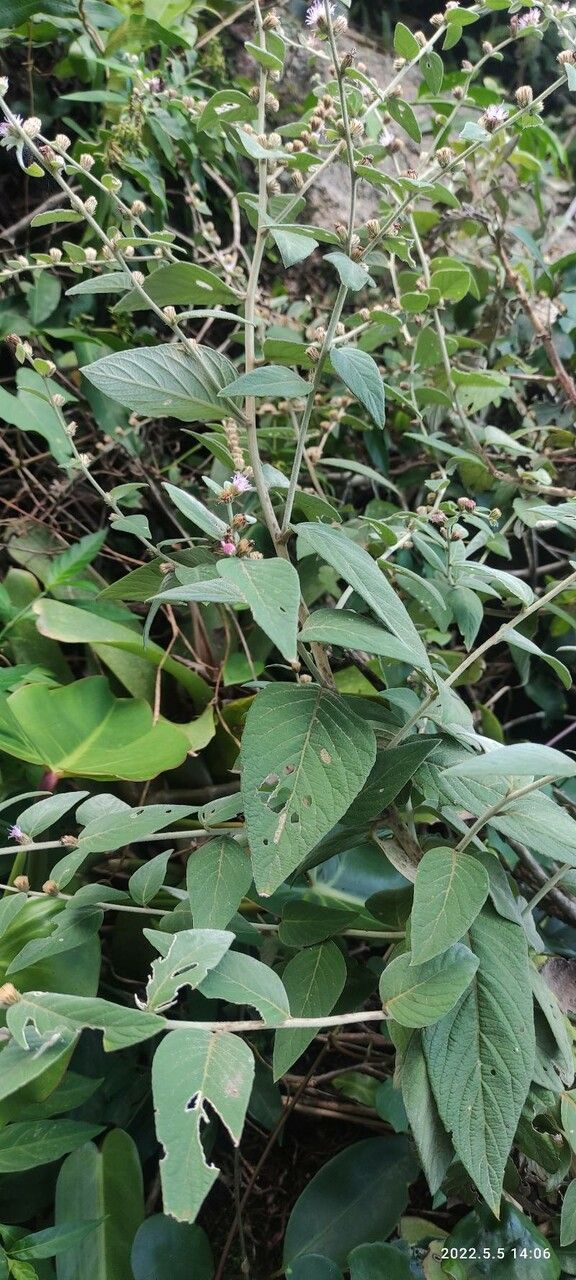
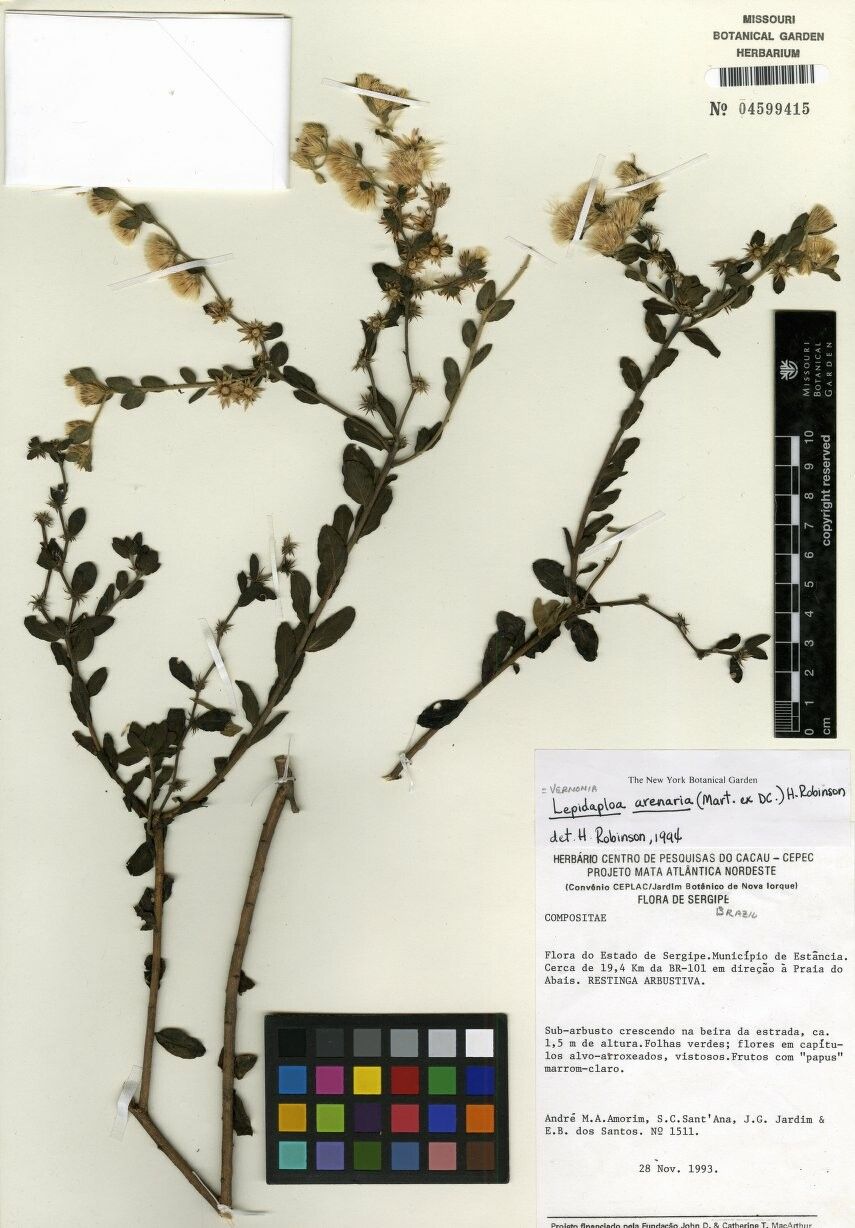
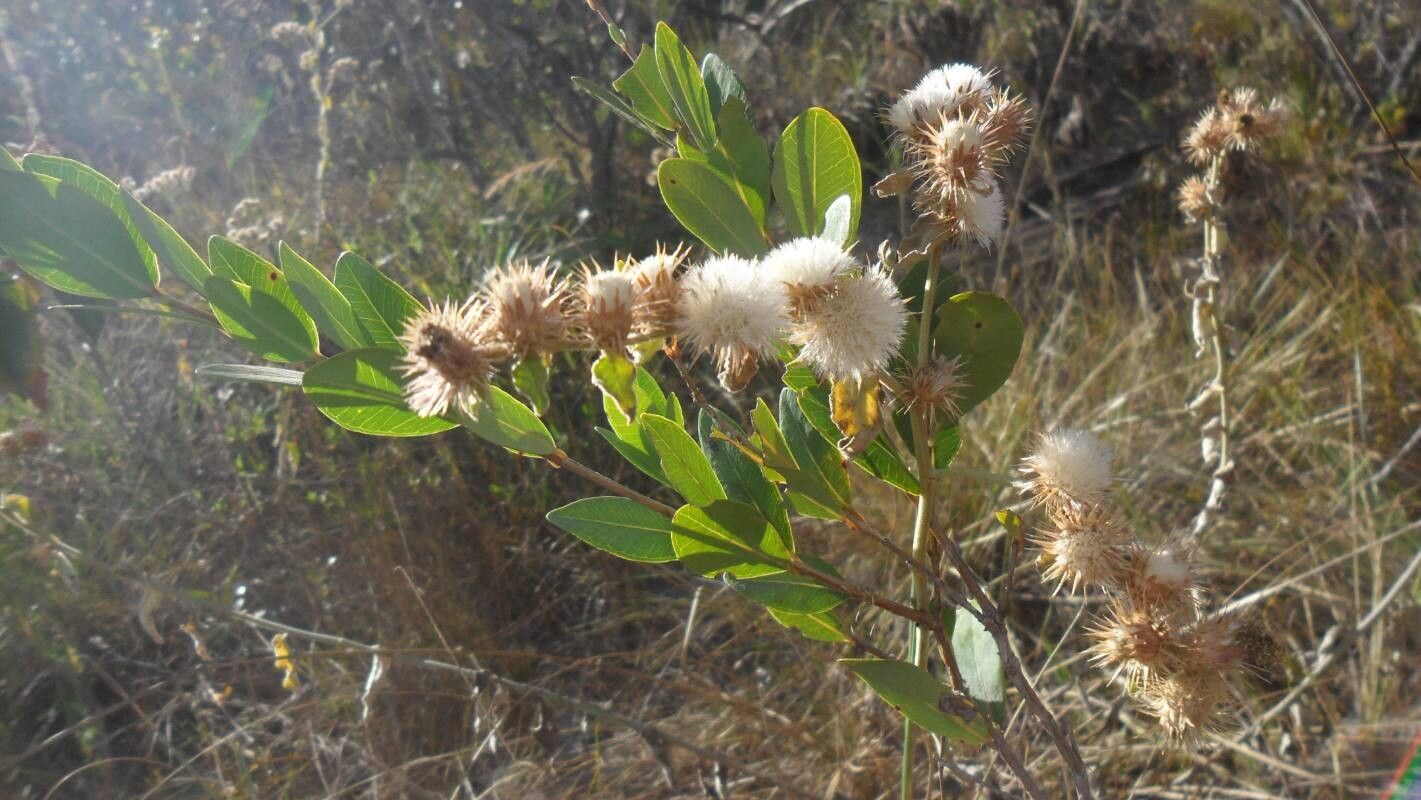
Vernonia has strong disease resistance and is generally not prone to diseases. In terms of care, this plant is fairly low maintenance. When grown outdoors, it needs minimal watering, and larger plants typically do not require pruning. Smaller plants, however, should be pruned after they have bloomed. Vernoniat is suitable for anyone with an outdoor space, such as a garden or deck, and does not require much care experience.
How to keep Lepidaploa Remotiflora.
Light
Vernonia is native to open habitats, including sunny meadows and forest edges that provide abundant light. It does best in full sun but can also tolerate partial sun, adapting well to different sunlight conditions.
Water
Vernonia thrives best in moderate humidity and consistent moisture but can also adapt to slightly drier conditions. It should be watered every 2-3 weeks, allowing the soil to partially dry out between waterings. Primarily an outdoor plant, Vernonia benefits from a growing season that reflects its natural rainfall patterns, which is essential for optimal hydration and growth.
Temperature
Vernonia comes from tropical areas, where the climate is generally warm and humid. As a result, it is well suited to high temperatures and moisture. It is sensitive to sudden temperature shifts and prefers a stable thermal environment, so it’s important to avoid indoor temperature fluctuations. It usually cannot tolerate cold conditions and needs higher temperatures to grow. If the ambient temperature falls too low, the plant may stop growing or even die.
Fertilizer
The best time to fertilize a Vernonia is in early spring, when it breaks dormancy. This encourages overall growth and flower development. Fertilizing improves the foliage, stems, and branches, and encourages flowers that are larger, more vibrant, and longer-lasting. It helps move nutrients from the roots to the flowers and enhances the plant’s health and resistance to disease.
Pruning
Vernonia produces small purple flowers and thrives in a variety of environments. To encourage its growth, prune the plant in early spring by removing dead branches and ensuring adequate airflow. Regular pruning helps prevent overcrowding and promotes blooming. Additionally, it's important to sanitize your tools to prevent the spread of disease.
Botanical profile.
- Plant Type
- Shrub
- Life Cycle
- Perennial
- Genus
- Lepidaploa
- Family
- Asteraceae
- Hardiness Zone
- 9-11
- Mature Height
- 3.05 m to 3.96 m
- Mature Spread
- 30 cm to 61 cm
- Leaf Color
- Green, Dark Green
- Leaf Type
- Deciduous
- Flower Color
- Lavender, Purple
- Flower Size
- 0.51 cm to 1.02 cm
- Bloom Time
- Summer, Early fall, Mid fall
- Planting Time
- Spring, Summer, Autumn
- Harvest Time
- Late summer, Fall, Early winter
- Native Area
- Colombia, Bolivia, Venezuela
Reader questions.
Do I need to change how often I water my Vernonia plant based on the seasons or weather?
The Vernonia plant prefers to be outdoors and relies on rain for watering, except in persistent dry weather when additional watering is needed. During the spring and fall growing seasons, the soil should be kept moist but not soggy, with alternating dry and moist conditions being beneficial for the plant. In the summer, hot weather and lack of rainfall can cause water to evaporate quickly, so more frequent watering is necessary to keep the soil moist. Generally, less water is needed during the winter when the plant goes dormant and loses its leaves. Using a well-draining but moisture-retentive soil mixture like terracotta can help the water evaporate quicker during this period. Once the plant starts to leaf out and go dormant, watering can be skipped as long as there are fall and winter rains. After spring, the Vernonia can be cultivated and encouraged to grow and bloom when the temperature becomes warmer. Good drainage is crucial for the plant, especially during the winter, to avoid ponding. When the plant is in a pot, it has limited root growth, so regular watering is important, especially in the summer. It's best to water deeply, ensuring the entire root system is soaked at least once or twice a week, depending on the weather. Shallow sprinkles that reach the leaves should be avoided as they can promote fungal growth and do not reach the roots effectively. Even during dormancy in the fall and winter, the Vernonia should not be allowed to dry out completely. However, overwatering should be avoided as well, as the plant dislikes sitting in water for too long and may die during winter if the soil doesn't drain well. Applying mulch can be beneficial to reduce stress, conserve water, and promote healthy blooms.
How many hours of sunlight should Vernonia get each day to grow healthy?
To ensure healthy growth, it is important for Vernonia to receive a minimum of 3–6 hours of sunlight every day. While most plants that can handle part sun can also thrive in full sun, Vernonia is more flexible because it requires less light for photosynthesis. This means it can adapt and grow well in both full sun and part shade conditions.
Are there any warnings or advice for being in the sun with Vernonia?
When you transplant Vernonia, it may go through a shock period. To help it recover, keep it shaded from bright afternoon sun or in a protected area. On hot days, the leaves may droop as a natural response to protect the roots from burning. However, if the leaves are still drooping in the evening or next morning, the plant needs to be watered. Avoid watering during the hottest times of the day to prevent leaf scorching. Underwatered Vernonia may have weaker roots, which cannot protect the leaves from the heat. To care for an underwatered plant, give it a deep watering and allow the top two inches of soil to dry out before the next watering. Even if it loses its leaves, proper care will encourage new leaf growth.