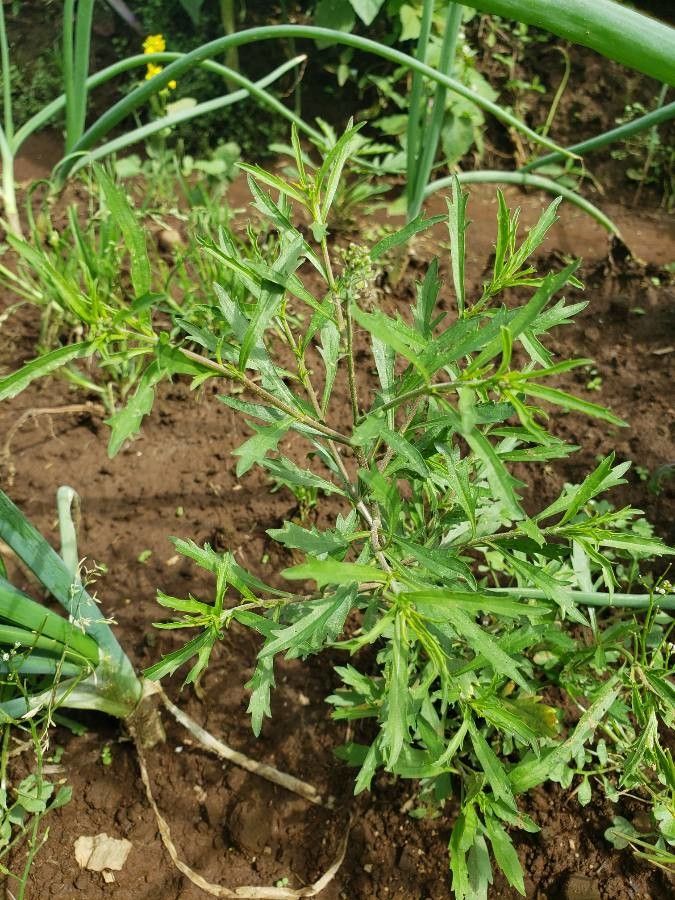
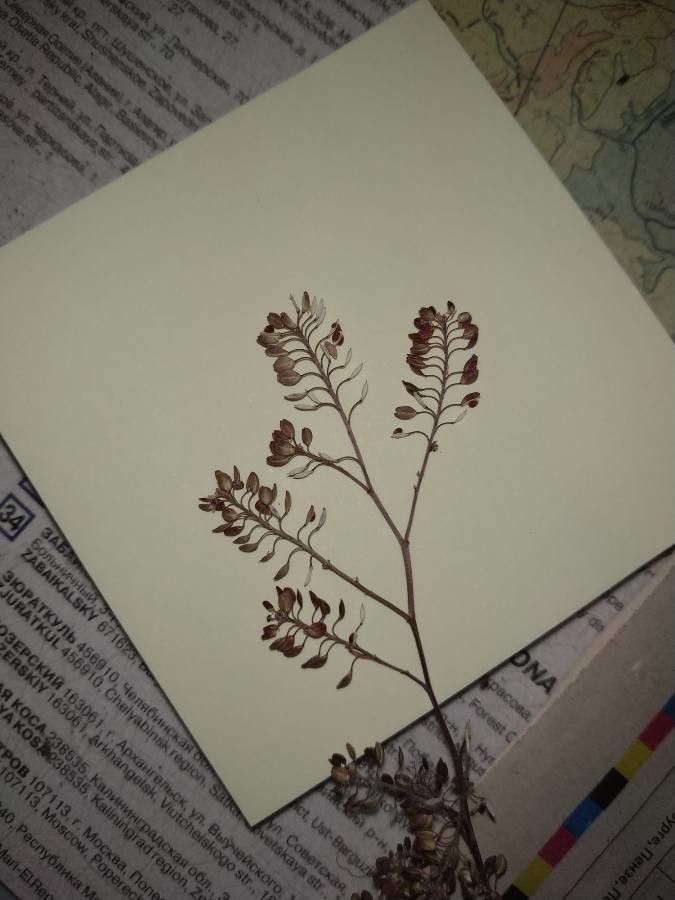
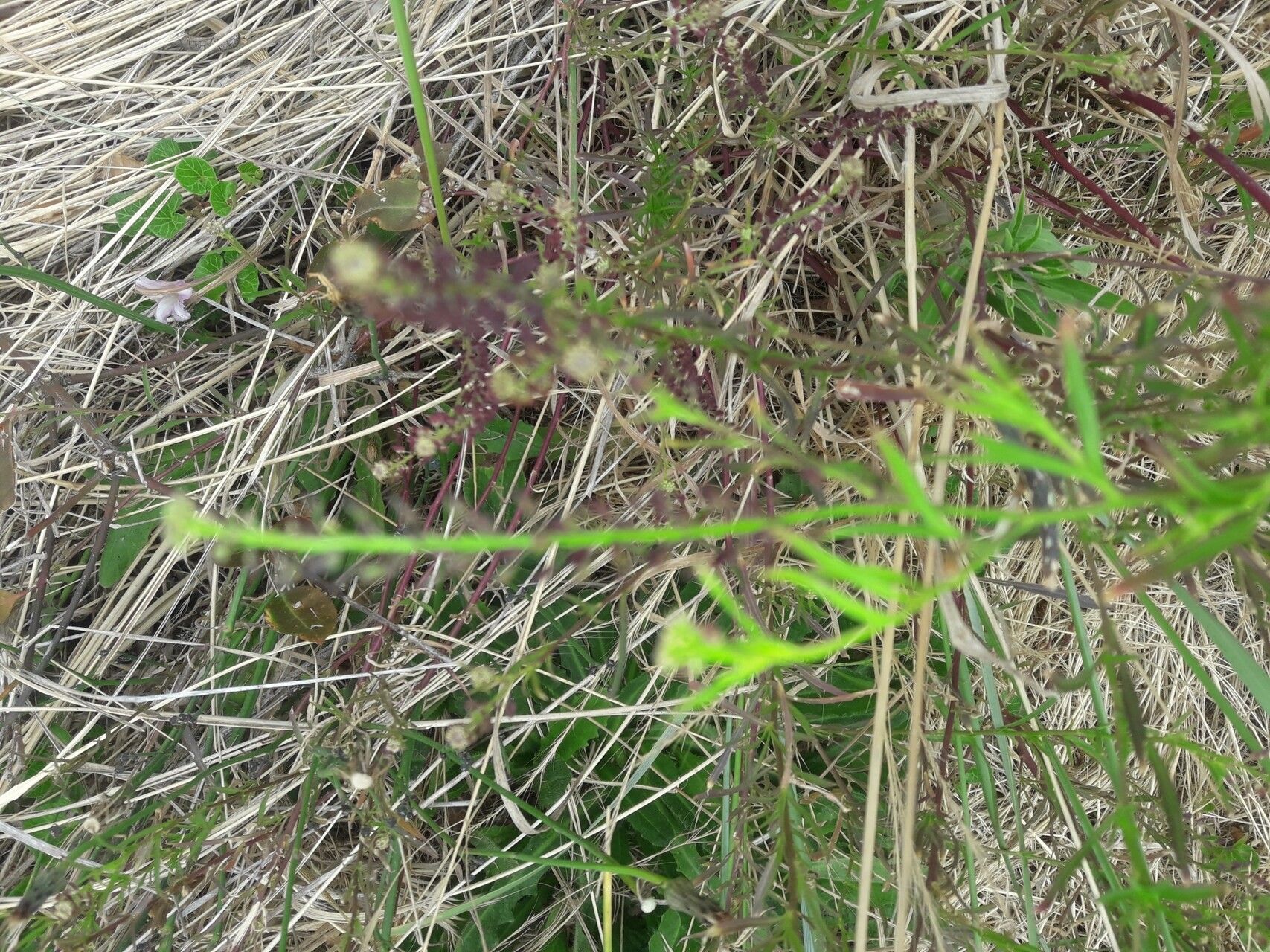
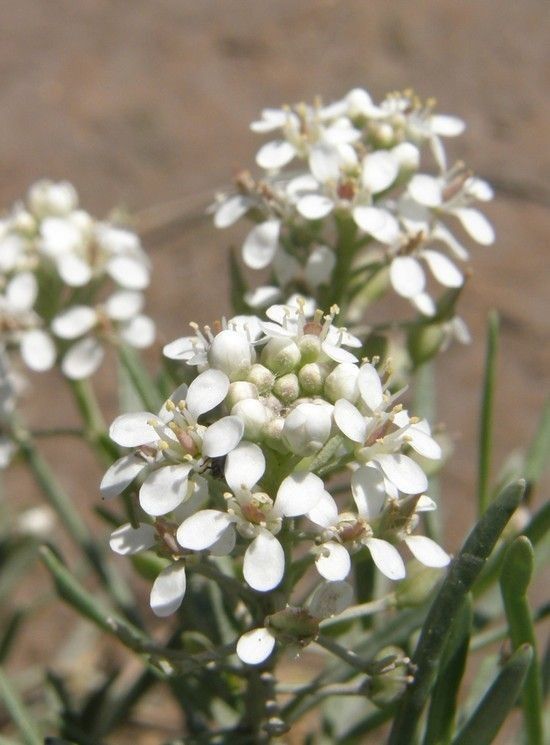
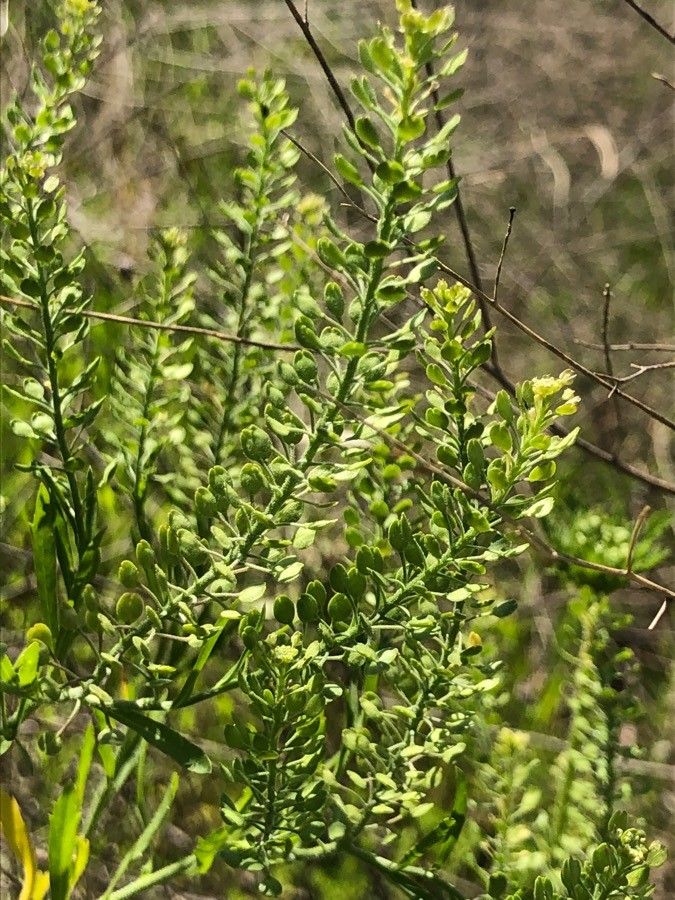
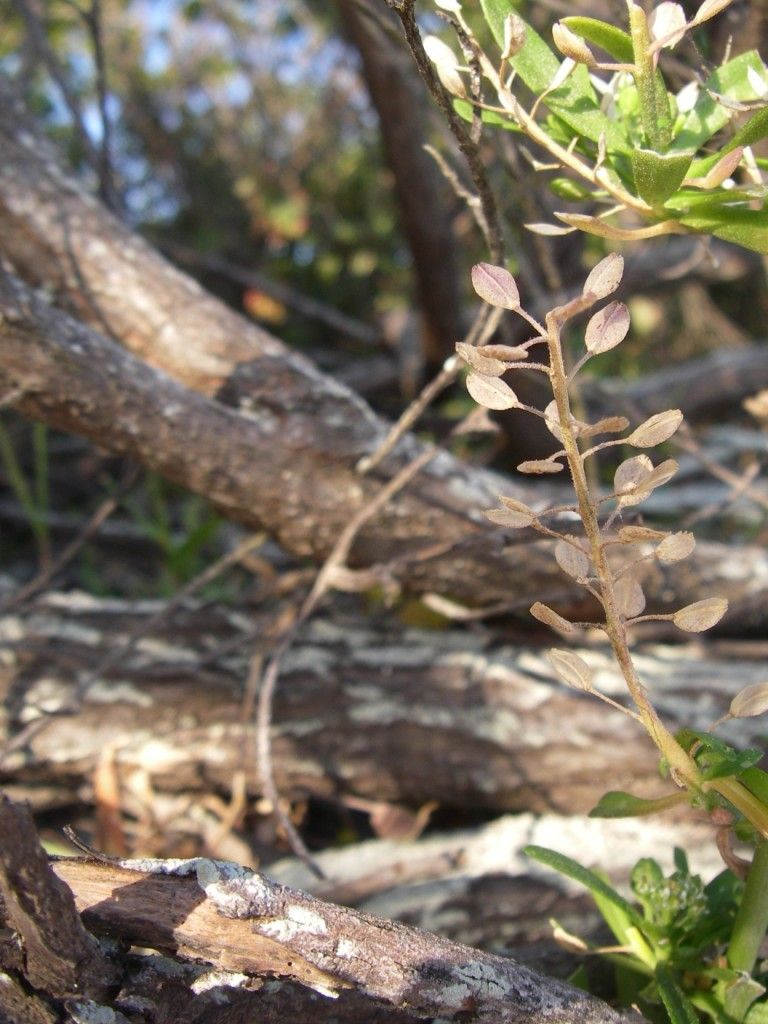
Pepperweed shows strong resistance to disease and is generally not prone to illness. Still, it can be vulnerable to pests and diseases present in its environment. Such infections are typically not severe. Care-wise, this plant needs moderate upkeep. It should be pruned regularly to maintain an attractive appearance and healthy growth. Applying fertilizer can also encourage flowering. Pepperweed is appropriate for anyone with outdoor space, like a garden or patio, and does not demand extensive gardening experience. It may require more attention when grown indoors.
How to keep Lepidium Apetalum.
Light
Pepperweed comes from bright, open environments where it flourishes in full sun. It can tolerate partial sun but favors direct sunlight for optimal growth. This annual and biennial plant is recognized for its sun-loving nature.
Water
Pepperweed is a hardy plant that thrives in arid regions due to its excellent drought tolerance. Although it can withstand dry conditions, it benefits from weekly watering to support its growth. As an evergreen plant, pepperweed is adaptable to different climates, and it can endure rainy periods while retaining water effectively.
Temperature
Pepperweed is native to climates where temperatures generally range from 68 to 95°F (20 to 35℃). It does best in warm conditions. If temperatures drop too low or rise too high, adjust the environment to reproduce the preferred conditions.
Fertilizer
Pepperweed benefits from regular, weak fertilizer applications to encourage healthy leaf growth. You should fertilize Pepperweed about once a month during the summer. Nitrogen is essential for foliage, and providing nitrogen-rich sources helps Pepperweed thrive.
Pruning
Pepperweed is known for its lush foliage and fast growth. To maintain its health, prune the plant between early and late spring. Focus on removing any dead or diseased branches and thin out crowded areas to improve air circulation and allow more sunlight to reach the plant. This not only helps manage its growth and prevent overcrowding but also encourages a healthier appearance and promotes vigorous new growth.
Botanical profile.
- Plant Type
- Herb
- Life Cycle
- Annual, Biennial
- Genus
- Lepidium
- Family
- Brassicaceae
- Hardiness Zone
- 3-10
- Mature Height
- 30 cm
- Mature Spread
- 2.13 m
- Leaf Color
- Green, Dark Green
- Leaf Type
- Semi-evergreen
- Flower Color
- White, Yellow
- Flower Size
- 0.10 cm to 0.20 cm
- Bloom Time
- Mid spring, Late spring, Early summer
- Planting Time
- Spring, Summer
- Harvest Time
- Summer
- Native Area
- Nepal, Afghanistan, India, Kyrgyzstan, Kazakhstan, Mongolia, Koppen, Bangladesh, Pakistan, South Korea, China
Other names.
Reader questions.
How should I water my Pepperweed plant?
Watering Pepperweed is easy and versatile. You can use a garden hose with a spray nozzle, a watering can, or any common watering tool. Pepperweed is not too particular about its water source and can thrive on rainwater, tap water, or filtered water. However, it's best to avoid watering from overhead as it can damage the leaves and flowers and lead to disease. A drip irrigation system is often the ideal method for watering Pepperweed as it provides even and direct watering to the soil. When watering a Pepperweed plant in a container, you can use a cup, watering can, or tap to apply water directly to the soil.
What are the sunlight requirements for Pepperweed?
Pepperweed, scientifically known as Lepidium apetalum, flourishes in bright, open environments and requires full sun exposure, defined as more than 6 hours of sunlight per day, to thrive optimally. It can also tolerate partial sun, which means about 3-6 hours of sunlight. The plant's growth and health are maximized when it receives the right balance of light and shade, underscoring the importance of choosing garden spots or positioning potted plants where they can receive adequate sunlight.
What are the ideal growing conditions for Pepperweed?
Pepperweed, or Lepidium apetalum, thrives in climates where temperatures generally range between 68 to 95°F (20 to 35°C), preferring warm conditions for optimal growth. This plant demonstrates strong cold resistance, indicating that special frost protection measures are not typically required during winter. However, appropriate care should be taken to protect it when temperatures are expected to drop below -35°C by covering the plant with insulating materials such as soil or straw. Additionally, ensuring the soil is moist before the first freeze in autumn can help the plant endure winter and early spring challenges by preventing drought and water scarcity.
How often I need to water my Pepperweed?
Pepperweed should be watered regularly throughout its growing season. In the spring, it's recommended to water the plant about once a week. As the weather gets warmer, you may need to increase the watering to two or three times per week. However, be careful not to exceed this rate as it could harm the Pepperweed. It's important to keep the soil relatively moist but not wet, regardless of how often you need to water. If you're growing Pepperweed in a pot, remember that the soil in a container can dry out faster than ground soil due to the heat. Therefore, you should water a potted Pepperweed a few times per week, instead of just once like an in-ground plant.
How can artificial lighting be used for Pepperweed grown indoors?
For indoor Pepperweed plants or when natural sunlight is insufficient, artificial lighting can be a great solution. LED lights are recommended due to their ability to provide specific wavelengths needed for plant growth. Full sun plants require 30-50W/sq ft, partial sun plants need 20-30W/sq ft, and full shade plants need 10-20W/sq ft of artificial light. The light source should be placed 12-36 inches above the plant, and it's suggested to mimic natural daylight by keeping lights on for 8-12 hours per day.
How does Pepperweed react to low temperatures, and what should I do in spring?
Pepperweed is notably cold-tolerant and performs best when the temperature remains above 20°C. It usually survives winters well above 0°C but can endure temperatures as low as -35°C. Despite not showing significant changes during winter, temperatures falling below -35°C might result in a decrease in sprouting or even no sprouting at all during the following spring. In such cases, it's recommended to remove any parts of the plant that have failed to sprout in spring, to help maintain its health and vitality.
What is the difference between watering Pepperweed inside and outside?
Pepperweed plants mostly prefer outdoor growing conditions due to a few reasons. Firstly, they tend to grow tall, which can be challenging to accommodate indoors. Secondly, Pepperweed requires more daily sunlight than what most indoor locations can provide. However, if you have a suitable indoor growing space, you may need to water your Pepperweed more frequently compared to outdoor growing. This is because indoor environments are typically drier due to HVAC units, and soil in containers can dry out relatively fast as well.
What symptoms indicate Pepperweed is receiving inadequate light?
When Pepperweed is grown indoors or in areas with insufficient light, several symptoms may appear: smaller new leaves, leggy or sparse growth, faster leaf drop, slower or halted growth, pale or irregularly colored new leaves, chlorosis (yellowing leaves due to chlorophyll breakdown), sunscald, leaf curling, wilting, and leaf scorching. These symptoms highlight light deficiency or excessive light exposure, signaling the need to adjust the plant's lighting environment.
How should I care for Pepperweed in high temperatures?
Pepperweed should ideally be kept below 35°C during the summer months. Exposing the plant to temperatures above 41°C can cause the leaves to lighten in color, become prone to curling, suffer from sunburn, and in severe cases, lead the entire plant to wilt and dry out. To mitigate these issues, affected parts of the plant should be trimmed away. Moving the plant to a location that offers shade, especially during the midday and afternoon sun, or utilizing a shade cloth can help. Additionally, ensure the soil remains moist by watering the plant in the early morning or evening.
How should indoor and outdoor Pepperweed plants be cared for to address light issues?
To address light issues for both indoor and outdoor Pepperweed plants, gradually increase their sunlight exposure. For indoor plants, move them to a sunnier spot each week until they receive at least 6 hours of direct sunlight daily, utilizing a south-facing window and considering artificial light sources if necessary. For outdoor plants, it's crucial to move them to sunnier locations gradually to prevent sunburn. Additionally, identify and reduce obstructions blocking sunlight and consider transplanting smaller plants to more sunlit areas, ensuring they have ample sunlight and good drainage.