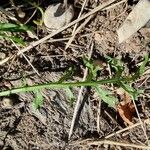
Lepidium coronopus
Creeping wart cress · Greater swine cress · Crowfoot · Swine cress · Greater swinecress
Description
Source: leafsnapLepidium coronopus, (swine cress, creeping wart cress, or greater swine cress), is a species of flowering plant in the mustard family which is native to parts of Africa, western Asia and Europe, growing in shingle banks, wasteland or cultivated fields.
Care Guide
💧 Water
Creeping wart cress thrives in temperate regions and prefers soil that stays consistently moist without becoming waterlogged. To keep it optimally hydrated, water the plant weekly, especially during its active growing season. Ensuring even moisture will promote vigorous growth and overall health.
How often do I need to water my Creeping wart cress?
Creeping wart cress requires regular watering throughout the growing season. In the spring, you should water it once a week. As the season progresses and it gets warmer, you may need to increase the watering to two to three times a week. However, watering too much can harm the plant, so be careful. Regardless of how often you water, make sure the soil remains moist without being overly wet. It's different if you are growing Creeping wart cress in a pot. The soil in pots can dry out faster, so you'll need to water container-grown plants a few times a week, compared to just once a week for plants in the ground.
How should I water my Creeping wart cress plant?
To water Creeping wart cress, you have several options. You can use a garden hose with a spray nozzle, a watering can, or any other common watering tool. This plant is not too picky about its water source and can survive on rainwater, tap water, or filtered water. However, it's best to avoid watering from overhead as it can damage leaves, flowers, and potentially lead to disease. Setting up a drip irrigation system is often the most effective method for watering Creeping wart cress as it provides even and direct water to the soil. If you have a container-grown plant, the watering approach is similar, but you can use a cup, watering can, or tap to water directly onto the soil.
What should I do if I give my Creeping wart cress too much water or too little water?
To ensure the health of your Creeping wart cress, it's important to pay attention to its watering needs. If you notice the plant lacking moisture, you simply need to water it more regularly. However, overwatering can be a more serious issue. It can cause diseases that can eventually lead to the plant's decline and death. To prevent overwatering, choose a suitable location for your plant that receives plenty of sunlight, as this helps to dry out the soil. Additionally, good drainage is important to prevent excess water from pooling and causing waterlogged soil. If your Creeping wart cress is in a pot and you have overwatered it, consider changing to a new pot with better drainage. Ensure the new pot has sufficient drainage holes and use loose soil when repotting. This will help the excess water to drain efficiently and keep your plant healthy.
How much water does my creeping watercress plant need?
Determining how much water to give your Creeping Wart Cress can be done in a few different ways. Some gardeners like to feel the soil to gauge moisture levels and water until the top six inches are moist. Others prefer using a set measurement, usually around two gallons per week, depending on temperature and soil dryness. However, following strict guidelines might lead to overwatering if your plant requires less. When growing in a container, it's best to water until all the soil layers are moist and/or until you see excess water trickling out of the drainage holes.
How do I know if I'm watering my Creeping wart cress enough?
Avoiding overwatering your Creeping wart cress can be tricky. On one hand, these plants need weekly watering to keep their deep roots moist. However, they are prone to root rot and browning if overwatered. Underwatering is less of a concern as Creeping wart cress can survive without much water for a while. Nonetheless, if you neglect watering for too long, the plant may wilt and develop dry leaves.
☀️ Light Full sun
Creeping wart cress stems from bright, open habitats where it flourishes in full sun. It can tolerate partial sun but favors direct sunlight for optimal growth. This plant, which can be annual or biennial, is noted for its sun-loving nature.
What are the sunlight requirements for Creeping wart cress?
Creeping wart cress, known botanically as Lepidium coronopus, flourishes in environments that provide full sun, meaning it requires above 6 hours of sunlight daily. It can also tolerate partial sun, which refers to about 3-6 hours of sunlight each day. When planning your garden or deciding where to place your plant, observe the patterns of sunlight and shade throughout the day. Choosing the right location ensures your Creeping wart cress receives the right balance of light for optimal growth, something essential for its well-being.
How important is sunlight for the growth of Creeping wart cress?
Sunlight plays a crucial role in the growth and health of Creeping wart cress. Originating from bright, open habitats, this plant is adapted to thrive under full sun conditions. Although it can survive in partial sun environments, direct sunlight promotes its optimal growth. In cases where natural sunlight is insufficient, especially indoors or during winter, supplemental artificial lighting can be employed to ensure the plant continues to grow healthily. Optimal artificial lighting mimics natural sunlight, supporting faster and healthier development.
What are the symptoms of inadequate light for Creeping wart cress?
Inadequate light can lead to several observable symptoms in Creeping wart cress, indicating the plant's need for more sunlight. These include smaller new leaves, leggy or sparse growth, accelerated leaf drop, halted or absent new growth, and paler new leaves. Other symptoms like chlorosis, sunscald, leaf curling, wilting, and leaf scorching can appear due to inappropriate light conditions. These symptoms reflect the plant's struggle under poor lighting, emphasizing the importance of adequate sunlight for its health.
How can I address insufficient sunlight for my Creeping wart cress?
Addressing insufficient sunlight for Creeping wart cress involves gradual adjustments to its exposure. For indoor plants, move them closer to south-facing windows or provide artificial lighting to achieve at least 6 hours of direct sunlight daily. Outdoors, relocate your plants to sunnier spots gradually to avoid shock. Pruning nearby trees can also improve sun exposure. For plants in the ground, consider transplanting to a sunnier location. Remember, while affected parts may not recover, new growth will be healthy with improved light conditions.
🌡️ Temperature 5–35°C
Creeping wart cress can tolerate a broad spectrum of temperature conditions, though its range may still be restricted by various combinations of moisture and heat. It performs best in warm summer climates with enough rainfall or supplemental watering. Long periods of cloudy, rainy weather or extended high temperatures make the plant more likely to die. In winter, adequate protection from the cold can increase its chances of survival.
💨 Humidity
🪴 Soil 6-7
🌱 Fertilizer
Creeping wart cress benefits from regular, light applications of fertilizer to encourage healthy leaf growth. Fertilize creeping wart cress about once a month during the summer months. Nitrogen is vital for foliage, and adding nitrogen-rich sources helps creeping wart cress thrive.
🪴 Pot & Repot
✂️ Pruning
Creeping wart cress has a low-growing, spreading foliage. To maintain its appearance and control its growth, prune the plant from early to late spring. Trim back any overgrown stems and remove any dead parts to encourage healthier growth. Always use clean, sharp tools for pruning to ensure the plant remains healthy and manageable throughout the growing season.
🌿 Propagating
🐛 Diseases & pets
☠️ Toxicity
Characteristics
- Plant Type
- Herb
- Life Cycle
- Annual, Biennial
- Genus
- Lepidium
- Family
- Brassicaceae
- Hardiness Zone
- 5-9
- Mature Height
- 10 cm to 30 cm
- Mature Spread
- 15 cm to 40 cm
- Leaf Color
- Green, Dark Green
- Leaf Type
- Deciduous
- Flower Color
- White
- Flower Size
- 0.10 cm to 0.20 cm
- Bloom Time
- Late spring, Early summer, Mid summer
- Planting Time
- Spring, Autumn
- Harvest Time
- Mid summer, Late summer, Early fall
- Native Area
- Libya, Egypt, Turkey, Sweden, Austria, Slovakia, Montenegro, Eritrea, Slovenia, Morocco, Croatia, Russia, Iraq, Germany, Romania, Belgium, Portugal, Netherlands, Saudi Arabia, France, Tunisia, Czech Republic, Cyprus, Bulgaria, Poland, Armenia, Greece, Ukraine, Serbia, Lebanon, Norway, Syria, Italy, Spain, Switzerland, Denmark, Finland, Albania, Ireland, United Kingdom, Hungary, Algeria, Azerbaijan, Turkmenistan