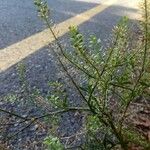
Lepidium ruderale
Narrow-leaf pepperwort · Peppergrass · Roadside pepperweed · Narrow-leaved pepperwort · Roadside Peppergrass
Description
Source: leafsnapLepidium ruderale is species of flowering plants in the mustard or cabbage family, Brassicaceae. It is native to temperate Asia and northern and eastern Europe. It has also naturalized in southwestern Europe and North America. Its common names include narrow-leaf pepperwort, roadside pepperweed, and peppergrass.
Care Guide
💧 Water
Roadside pepperweed thrives with consistent moisture and benefits from being watered weekly. Although it is moderately drought-tolerant, it grows best outdoors where it can naturally receive rainfall. For indoor cultivation, it is crucial to monitor the soil moisture carefully to prevent overwatering and root problems.
How much water does my Roadside pepperweed require?
Determining the appropriate amount of water for your Roadside pepperweed can be done in a few ways. One method is to feel the soil for moisture and water until the top six inches are moist. Another option is to use a set measurement, such as around two gallons per week, depending on heat and soil dryness. However, following strict guidelines may result in overwatering if the plant needs less. For container-grown pepperweed, water until all soil layers are moist and use your finger to check for moisture or allow excess water to trickle from drainage holes.
How is watering Roadside pepperweed different inside and outside?
Most Roadside pepperweed plants grow outdoors instead of indoors for a few reasons. Firstly, they tend to grow tall, which may make them unsuitable for indoor spaces. Additionally, Roadside pepperweed requires more sunlight than most indoor locations can provide on a daily basis. If you do manage to find an appropriate indoor growing spot, be aware that you may need to water your Roadside pepperweed more frequently compared to outdoor growing. This is because indoor spaces are generally drier due to HVAC units, and soil in containers can dry out faster than soil in the ground.
How should I water my Roadside pepperweed plant?
To water Roadside pepperweed, you have several options. You can use a garden hose with a spray nozzle, a watering can, or any common watering tool. This plant is not too particular about their water source, as they can survive with rainwater, tap water, or filtered water. However, it's best to avoid watering from overhead as it can harm the leaves and flowers and may cause disease. Instead, a drip irrigation system is recommended for even and direct watering. If you have a container-grown Roadside pepperweed, you can use a cup, watering can, or your tap to water it by applying the water directly to the soil.
What should I do if I give my Roadside pepperweed too much water or too little water?
If you notice that your Roadside pepperweed lacks moisture, the solution is simple: water it more regularly. However, overwatering can be a more serious problem. If you don't catch it early, your plant may get sick and eventually die. To avoid this, choose a location for your plant that gets plenty of sunlight and has good drainage. This will help dry the soil and prevent water from pooling. If you overwater a potted Roadside pepperweed, consider getting a new pot with proper drainage and loose soil.
How frequently should I water my Roadside pepperweed?
To help Roadside pepperweed thrive, it's important to water it regularly during the growing season. In the spring, watering once a week should be sufficient. However, as the weather gets warmer, you may need to increase watering to two or three times a week. It's important not to exceed this rate, as it can harm the plant. Additionally, make sure to keep the soil moist but not wet, regardless of how often you water. If you have Roadside pepperweed in a pot, you'll need to water it more frequently. Potted plants can heat up and dry out faster than those in the ground, so aim to water them a few times per week instead of just once.
☀️ Light Full sun
Roadside pepperweed prefers places that get plenty of sunlight, though it can tolerate spots where the light is diminished. Its native habitat receives intense sun. Too much or too little sun exposure can influence its growth in different ways.
What are the sunlight requirements for Roadside pepperweed?
Roadside pepperweed thrives best in locations that receive a significant amount of sunlight, capable of growing in both full and partial sun conditions. Full sun exposure means the plant should get above 6 hours of sunlight daily, while partial sun refers to about 3-6 hours of sunlight. It's important to watch how sunlight moves through your garden to ensure your plants get a balance of light and shade, aligning with their needs for optimal growth. The plant's natural habitat is conducive to high sunlight intensity, indicating too much or too little sun might affect its growth differently.
How to use artificial lighting for indoor plants?
For indoor Roadside pepperweed or other plants, artificial lighting can be essential when natural sunlight is insufficient. LED lights are recommended because they can be customized to simulate specific wavelengths needed for optimal growth. Plants that require full sun need about 30-50W per square foot of light, partial sun plants require 20-30W, and full shade plants need 10-20W. The artificial light source should be placed 12-36 inches above the plant, mimicking natural light conditions. Most plants will need 8-12 hours of light daily, so it's crucial to adjust the duration to meet your plant's specific light needs.
What are the common symptoms of improper sunlight in Roadside pepperweed?
When Roadside pepperweed doesn't receive adequate sunlight, it may display several symptoms indicating light deficiency. These include smaller new leaves, leggy or sparse growth, faster leaf drop, slower or no growth, and lighter-colored new leaves. Additionally, excessive sunlight can cause chlorosis, sunscald, leaf curling, wilting, and leaf scorching. Each of these symptoms reveals the plant's struggle with either under or overexposure to sunlight, emphasizing the importance of providing the right sunlight conditions for healthy growth.
What are the best practices for managing sunlight for Roadside pepperweed?
To ensure healthy growth of Roadside pepperweed, gradually introduce plants to sunnier locations until they receive at least 6 hours of direct sunlight daily. For indoor plants, use a south-facing window and consider artificial lighting for additional support. Outdoors, avoid sudden changes in light intensity to prevent sunburn. If your plant is not getting enough sunlight, reducing obstructions and potentially transplanting to a sunnier location are effective strategies. Remember, while parts of the plant that were previously affected may not recover, new growth should be healthy once proper light exposure is achieved.
🌡️ Temperature 0–25°C
Roadside pepperweed is a plant that does well in regions with average temperatures between 68 and 95 °F (20 to 35 ℃). Native to temperate regions, it adjusts easily to seasonal shifts in temperature. During colder months it can benefit from extra warmth.
What is the optimal temperature range for growing roadside pepperweed?
Roadside pepperweed, scientifically known as Lepidium ruderale, thrives in areas where the average temperature ranges from 68 to 95°F (20 to 35°C). Originally from temperate zones, this plant adapts well to seasonal temperature fluctuations, indicating it can handle different temperatures throughout the year. Although it is highly cold-tolerant, during cooler months, it may benefit from additional heat to maintain its health.
How does roadside pepperweed handle winter conditions?
Roadside pepperweed is remarkably tolerant of cold weather and doesn't require special frost protection measures during winter. To prepare for the first freeze in autumn, it's advisable to water the plant generously. This ensures that the soil stays moist when it freezes, helping to prevent drought and water scarcity for the plant during the colder winter and early spring months.
What should be done if roadside pepperweed experiences temperatures below its cold tolerance?
Although roadside pepperweed can withstand extremely cold temperatures, if the winter temperature drops below -35°C, the plant may not show immediate damage, but you might notice a decrease in sprouting or complete lack of sprouting in the spring. In such cases, it is recommended to remove any parts of the plant that have failed to sprout when spring arrives.
How should roadside pepperweed be cared for in high temperatures?
Roadside pepperweed is not tolerant of high temperatures. Should the temperature rise above 35°C, its growth may halt, and the plant becomes more susceptible to rot. To mitigate high temperature stress, trim away any sunburned and dried-up parts of the plant. It's beneficial to move the plant to a location that offers shade during the intense midday and afternoon sun or to provide shade using a shade cloth. Additionally, watering the plant in the morning and evening can help keep the soil moist, thereby helping the plant to better cope with the heat.
💨 Humidity high (>60%)
This plant needs special care because it loves high humidity levels of 60-80% or more. The best way to achieve this is by placing a humidifier near the plant. Daily misting is also essential! Make sure the room has good ventilation.
🪴 Soil 6-7
🌱 Fertilizer
Roadside pepperweed responds well to regular, light fertilizer applications to encourage healthy leaf growth. Apply fertilizer to Roadside pepperweed roughly once a month during the summer. Nitrogen is vital for foliage, and adding nitrogen-rich sources helps Roadside pepperweed thrive.
🪴 Pot & Repot
✂️ Pruning
Roadside pepperweed is an annual herb characterized by its small, peppery leaves and white flowers. Prune it from early to late spring to encourage dense growth, remove dead stems, improve air circulation, and enhance its appearance. Regular pruning helps maintain the plant's vitality and reduces the risk of disease.
🌿 Propagating
🐛 Diseases & pets
☠️ Toxicity
Characteristics
- Plant Type
- Herb
- Life Cycle
- Annual, Biennial
- Genus
- Lepidium
- Family
- Brassicaceae
- Hardiness Zone
- 3
- Mature Height
- 10 cm to 20 cm
- Mature Spread
- 49 cm
- Leaf Color
- Green, Dark Green
- Leaf Type
- Semi-evergreen
- Flower Color
- Yellow, Green
- Flower Size
- 0.13 cm
- Bloom Time
- Mid spring, Late spring, Early summer
- Planting Time
- Spring, Summer, Autumn
- Harvest Time
- Summer
- Native Area
- Turkey, Austria, Sweden, Slovakia, Montenegro, Croatia, Slovenia, Belarus, Uzbekistan, Russia, Iraq, Germany, Iceland, Estonia, Romania, Latvia, Belgium, Netherlands, Portugal, Saudi Arabia, France, Tajikistan, Czech Republic, Bulgaria, Armenia, Poland, Greece, Ukraine, Serbia, China, Lithuania, Norway, Kyrgyzstan, Kazakhstan, Italy, Spain, Switzerland, Denmark, Finland, Iran, Albania, Azerbaijan, United Kingdom, Hungary, Kuwait, Turkmenistan