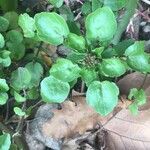
Lepidium sativum
ترتیزک · شاهی · Garden cress · Pepperwort · Town cress
Description
Source: leafsnapCress (Lepidium sativum), sometimes referred to as garden cress (or curly cress) to distinguish it from similar plants also referred to as cress (from old Germanic cresso which means sharp, spicy), is a rather fast-growing, edible herb. Garden cress is genetically related to watercress and mustard, sharing their peppery, tangy flavour and aroma. In some regions, garden cress is known as mustard and cress, garden pepper cress, pepperwort, pepper grass, or poor man's pepper.This annual plant can reach a height of 60 cm (24 in), with many branches on the upper part. The white to pinkish flowers are only 2 mm (1⁄16 in) across, clustered in small branched racemes.When consumed raw, cress is a high-nutrient food containing substantial content of vitamins A, C and K and several dietary minerals.
Care Guide
💧 Water
Garden cress flourishes in moist environments and needs watering every 1-2 weeks. It prefers moderate humidity and is sensitive to drought. This plant is ideally suited for hydroponic systems or well-draining containers, as it thrives with carefully monitored soil moisture, reflecting its origins in consistently moist habitats.
How should I water my Garden cress?
Garden cress has specific preferences for water and its method of delivery. If you don't water it properly, you may harm your tomatoes. The best way to water garden cress is to apply it directly to the soil in a slow and gentle manner. Avoid pouring all the water in at once or doing overhead watering. Water slowly but deeply to ensure the soil is moist throughout the garden cress growth area.
What should I do if I give my Garden cress too much water or too little water?
If you have overwatered your Garden cress and are worried about the risk of disease, take immediate action. The best approach is to remove the plant from its current location and let its roots dry a bit before replanting it in a new spot with well-draining soil. If you are growing in pots, consider transferring the plant to a pot with better drainage. On the other hand, if you are underwatering, simply increase the frequency of watering your plant.
How many times should I water my Garden cress?
Garden cress needs a lot of water as it grows. In the spring and summer, it's best to water it early and often. At the beginning of the growing season, water it once or twice a week. As the season goes on, increase the frequency of watering; during summer, you might need to water it twice a day or even more, depending on how hot it is. Once your Garden cress has finished growing the most, you can water it less often, about once a week, until the end of the season.
How much water does my Garden cress require?
Garden cress is a popular plant that many gardeners, both professional and amateur, can grow successfully. We have a good understanding of how to take care of these plants, including knowing how much water they need. On average, Garden cress should receive about 1-1.5 inches of water per week, evenly distributed during your weekly watering. As the weather gets warmer, you may need to increase the amount of water, but typically around two inches per week is a good guideline.
How do I know if I'm giving enough water to my Garden cress?
Both underwatering and overwatering can cause issues for your Garden cress, and they can present similar symptoms. Overwatering or underwatering can result in foliage discoloration and wilting. When underwatered, Garden cress leaves will initially curl and droop, with some leaves losing vigor. Stunted growth and poor development are common with underwatering, as this plant requires ample water. On the other hand, overwatering can lead to diseases like rot and unpleasant smells from the soil. Symptoms of underwatering tend to appear faster than those of overwatering. If you observe excessive standing water or waterlogged soil, it's likely a sign of overwatering.
☀️ Light Full sun
Garden cress does best when exposed to direct, unblocked light for most of the day, similar to the environments of its ancestors. Sunlight is essential for its healthy growth at every stage. Too much or too little light can damage the plant, causing it to weaken or even wilt.
What are the sunlight requirements for Garden Cress?
Garden Cress requires more than 6 hours of sunlight daily to thrive. It's essential to watch the movement of sunlight through your garden to find spots that offer a perfect balance of light and shade, ensuring the plants' happiness and healthy growth. Originating from habitats with abundant direct light, every stage of its development significantly benefits from sunlight. However, both excessive and insufficient sunlight can be detrimental, leading to conditions such as weakness or wilting.
How can I supplement natural sunlight for Garden Cress with artificial lighting?
When natural sunlight is lacking, especially during winter or in less sunny spaces, artificial lighting becomes crucial for the growth of indoor plants. LED lights are recommended for their customizable wavelengths, fitting the specific needs of your plants. For full sun plants, 30-50 watts per square foot is necessary; partial sun plants require 20-30 watts per square foot, and full shade plants need 10-20 watts per square foot. The artificial light source should be placed 12-36 inches above the plant, mimicking natural sunlight conditions, and kept on for 8-12 hours per day to support the plant's needs.
What symptoms indicate light deficiency in Garden Cress?
Light deficiency in Garden Cress can result in several symptoms such as small new leaves, leggy or sparse growth, faster leaf drop, slower or halted new growth, lighter-colored new leaves, and conditions like chlorosis, sunscald, leaf curling, wilting, and leaf scorching. These symptoms suggest the plant is not receiving adequate light, affecting its ability to photosynthesize and maintain overall health.
How can I address lighting issues for both indoor and outdoor Garden Cress plants?
To optimize growth for indoor plants, gradually move them to locations with at least 6 hours of direct sunlight or use artificial light sources, such as desk lamps or professional grow lights, for at least 8 hours daily. For outdoor plants, transition them gradually to sunnier spots to avoid sunburn. In cases where plants are too large or difficult to move, consider adjusting their environment by reducing obstructions like overhanging branches. Also, transplanting smaller plants during their dormant period can help ensure they receive ample sunlight and proper drainage.
🌡️ Temperature 10–35°C
Garden cress originates from temperate areas where temperatures generally range from 68 to 95 °F (20 to 35 ℃). It prefers warm conditions but can tolerate small temperature fluctuations. If seasonal changes are extreme, consider regularly monitoring and adjusting the plant's environment.
What is the native temperature range for Garden cress and how should it be maintained?
Garden cress is native to temperate regions where it thrives in temperatures typically ranging from 68 to 95 °F (20 to 35 °C). To maintain optimal growth, the plant prefers warm conditions and should ideally be kept above 20°C during winter cultivation. It's crucial to ensure the minimum temperature remains above the freezing point to prevent damage. In the event of temperatures approaching -5°C (25°F) during winter, it is advisable to bring the plant indoors or to protect it by setting up a temporary greenhouse or using protective materials such as plastic film or fabric.
What should be done if Garden cress is exposed to low temperatures?
Garden cress has a moderate tolerance to low temperatures, thriving best between 20°C and 35°C. If the temperature drops below 0°C, steps should be taken to keep the plant safe. In cases where temperatures fall below -25°C, leaves may darken, and the plant may suffer from water-soaked necrosis, wilting, and drooping, eventually turning brown. To address frost damage, trim away the affected parts and move the plant to a warm environment or set up a makeshift greenhouse. It's also beneficial to place the plant near a south-facing window for sunlight or use supplemental lighting if natural light is insufficient.
How should Garden cress be cared for during high temperatures?
During summer, it's important to ensure that Garden cress does not remain in temperatures above 35°C. Exposure to temperatures exceeding 38°C can slow down growth, lighten leaf color, and increase susceptibility to sunburn. To mitigate damage from high temperatures, remove any sunburned or dried parts of the plant. Then, relocate the plant to an area with shade from the afternoon sun. Watering in the morning and evening can help keep the soil moist and further protect the plant from heat stress.
💨 Humidity
🪴 Soil 6-7
🌱 Fertilizer
To maximize yield, garden cress does best with regular applications of a balanced fertilizer, especially one high in nitrogen. Apply fertilizer before planting, at planting, and when seedlings are 2 inches (5.1 cm) tall. Adding compost or manure also supplies nutrients continuously. If soil nutrients are lacking, leaves and stems remain underdeveloped, flavors are poor, stems are thin, and the taste can be bitter.
When should I fertilize my Garden cress?
To benefit your Garden cress, it is important to apply fertilizer at different points during the growing season. First, when preparing the ground for planting, make sure to amend the soil with nutrient-rich organic material like compost or manure at least 2 to 8 weeks before planting. Then, at planting time, amend the soil again using the same method. Once your seedlings have emerged and grown to around 2 inches tall, you can apply the next dose of fertilizer. From then on, it's recommended to regularly feed your Garden cress with rich organic matter or a commercial fertilizer until harvest. A good schedule would be to fertilize every two to three weeks. Additionally, adding a layer of compost or manure around the plant can provide a continuous supply of nutrients.
What will happen if I put too much fertilizer on my Garden cress?
Overfertilizing Garden cress can be detrimental, causing stress and burning. In extreme cases, the plant may even die, especially if excessive fertilizer is used in dry and hot conditions. To prevent this, remember to water thoroughly when fertilizing. Excessive fertilizers can lead to fertilizer burn, a condition where an accumulation of salts occurs in the roots or other parts of the plant. This is less likely to happen when using organic fertilizers compared to chemical ones, so it is advisable to opt for natural materials if possible. Too much fertilizer can result in plant stress, which manifests as yellowing and wilting foliage. It is better to prevent this condition rather than treat it afterwards, but if you accidentally overfertilize, you can flush the soil with a lot of water. Fortunately, Garden cress is resilient and can recover from unfavorable conditions once the problem is corrected.
Why is it necessary to fertilize my Garden cress?
Garden cress is grown for its tasty leaves and shoots, but it requires enough nutrients to really thrive. If the soil doesn't have sufficient nutrients, the plant won't grow well and the flavors won't be as good as those from a plant grown in better conditions. The stems may be thin and the taste might be bitter. This is especially important when growing garden cress in a container, as container plants don't have as much access to organic matter as those in the ground. If you're growing garden cress in a pot, make sure to use a balanced liquid fertilizer to supplement its nutrients.
When is it a bad idea to use fertilizer on my Garden cress?
To ensure successful growth of Garden cress, it is important to consider soil conditions. When the soil is dry, avoid fertilizing this plant as it needs a sufficient amount of water to effectively absorb nutrients. It is also advisable to refrain from using chemical fertilizers on this plant when it is not in its growing season, as this may introduce excessive amounts of fertilizer that the plant cannot utilize. The surplus fertilizer can end up in the groundwater and contaminate the soil. Therefore, it is recommended to only fertilize during the active growing periods.
What kind of fertilizer does my Garden cress need?
To successfully grow garden cress, it's important to provide it with a balanced fertilizer. However, if the soil is already rich, it may not require much fertilization. Organic options like fish emulsion, well-rotted manure, and compost or compost tea are highly effective for garden cress. When choosing a fertilizer, consider selecting one with a slightly higher nitrogen ratio as this will promote strong foliage development. To understand the ratio of nitrogen, phosphorus, and potassium in the fertilizer, refer to the NPK number on the label. To determine the best fertilizer for your garden cress, it's recommended to perform a soil test and compare the results with the plant's requirements.
🪴 Pot & Repot
✂️ Pruning
Garden cress is a fast-growing annual herb with a strong flavor. To promote bushier growth and prevent bolting, begin regular pruning in early spring. Be careful not to cut more than one-third of the plant at a time, and use sterilized tools to minimize the risk of disease. Following these steps will help ensure a healthy harvest.
🌿 Propagating
🐛 Diseases & pets
☠️ Toxicity
The quick answer is no; dogs shouldn't eat watercress since it seriously affects their digestive systems. Consuming cress can benefit your heart's health. Carotenoids in particular are antioxidants that have been associated with reduced blood pressure, a lower chance of developing heart disease, and even a lower risk of heart attacks and strokes.
Characteristics
- Plant Type
- Herb
- Life Cycle
- Annual
- Genus
- Lepidium
- Family
- Brassicaceae
- Hardiness Zone
- 6-9
- Mature Height
- 61 cm
- Mature Spread
- 20 cm
- Leaf Color
- Light Green, Dark Green
- Leaf Type
- Semi-evergreen
- Flower Color
- White
- Flower Size
- 0.20 cm
- Bloom Time
- Mid spring, Late spring, Early summer
- Planting Time
- Autumn, Winter, Spring
- Harvest Time
- Late spring, Early summer, Mid summer
- Native Area
- Europe