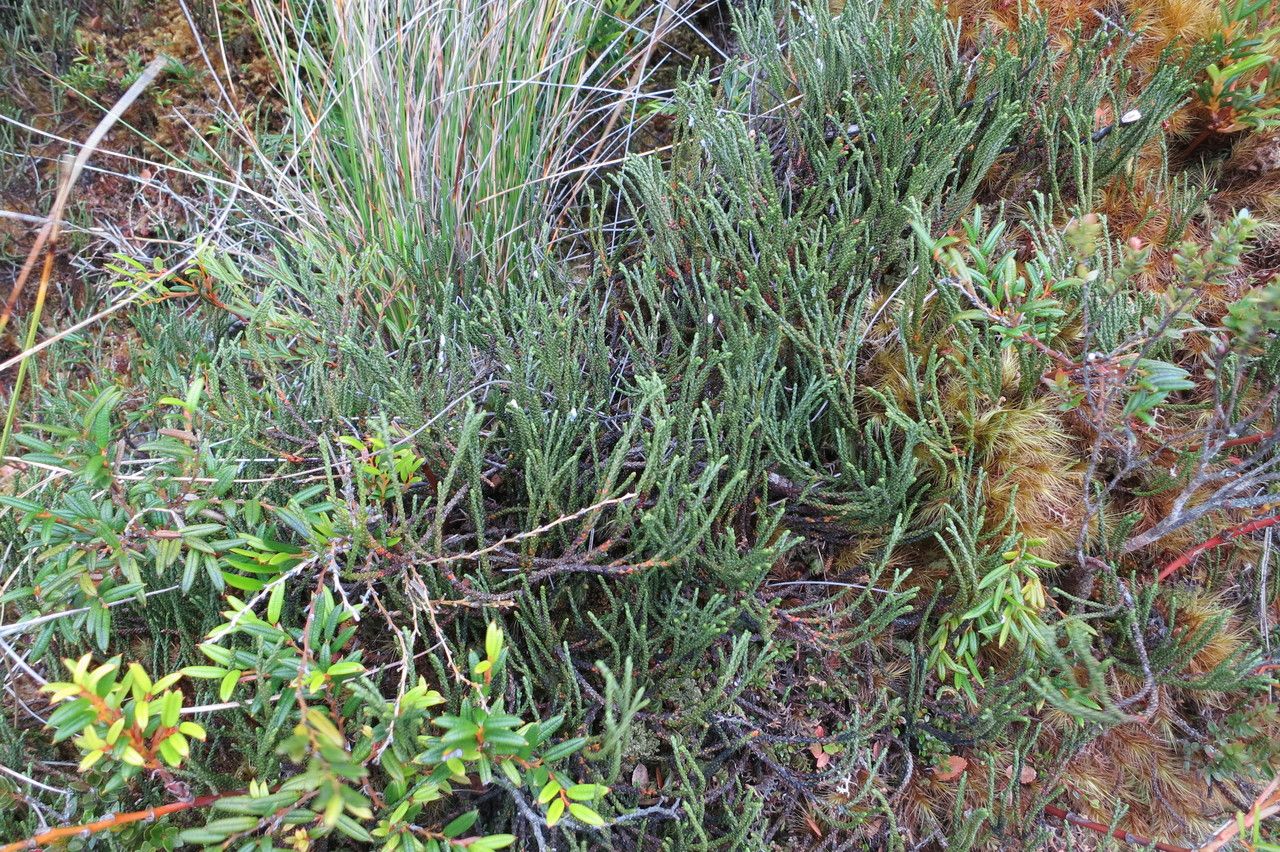
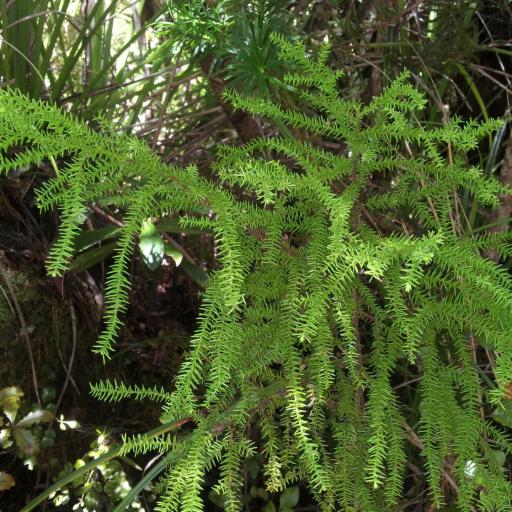
Lepidothamnus laxifolius, commonly known as the pygmy pine or mountain rimu, is a species of conifer in the family Podocarpaceae. It is endemic to New Zealand, where it is found in the North Island, the South Island and on Stewart Island.
Pygmy pine is well resistant to disease and generally not susceptible to illnesses. In terms of care, this plant is fairly low-maintenance. When grown outdoors it needs only minimal watering, and larger specimens typically do not require pruning. Smaller plants, however, should be pruned after they have finished blooming. Pygmy pine is suitable for anyone with an outdoor area, such as a garden or a deck, and does not demand much prior care experience.
How to keep Lepidothamnus Laxifolius.
Light
The Pygmy pine originates from open habitats like sun-drenched fields and the fringes of forests that ensure abundant light. It flourishes under direct sunlight, but can also withstand conditions with only partial sun, displaying a good adaptability to diverse sunlight conditions.
Water
The pygmy pine thrives in environments with moderate water availability and can adapt to areas with limited rainfall. It needs watering every 2 to 3 weeks. Being an evergreen, it retains its foliage throughout the year and conserves water during dry seasons.
Fertilizer
The Pygmy pine possesses distinct nutritional needs and isn't dependent on excessive fertilization. The preferential time to provide additional nutrients is during spring for maximum growth. Supplementing its diet enhances its health, bolsters its resilience against pests and diseases, and aids in prolonging its longevity.
Pruning
The pygmy pine is a small, slow-growing conifer with needle-like leaves. To keep it healthy, prune it between early and late winter, concentrating on removing dead branches and thinning out crowded areas to improve air circulation. Light pruning encourages growth, while heavy pruning can impede the tree's recovery. With regular care, you can maintain a healthier and more attractive plant.
Botanical profile.
- Plant Type
- Shrub
- Life Cycle
- Perennial
- Genus
- Lepidothamnus
- Family
- Podocarpaceae
- Hardiness Zone
- 7-10
- Mature Height
- 30 cm to 91 cm
- Mature Spread
- 0.49 m to 1.52 m
- Leaf Color
- Dark Green
- Leaf Type
- Evergreen
- Flower Color
- White
- Bloom Time
- Late fall, Early winter
- Planting Time
- Spring, Summer
- Harvest Time
- Mid winter, Late winter, Early spring
- Native Area
- New Zealand
Other names.
Reader questions.
How do I know if I'm giving enough water to my Pygmy pine?
Overwatering is a common issue for the Pygmy pine. There are specific signs to watch for. If the Pygmy pine is overwatered, its leaves will turn yellow and it may lose some leaves. Overwatering can also cause the plant to shrink and can lead to root rot. On the other hand, an underwatered Pygmy pine will start to droop and its leaves may turn brown or become brittle. If you notice signs of overwatering or underwatering, it is important to take action and restore the health of your Pygmy pine.
Can the sun harm Pygmy pines? How can we shield Pygmy pines from sunlight and heat damage?
When moving Pygmy pine plants from indoors to outdoors, it's important to be cautious of direct sunlight as it can lead to damage. To prevent sunburn, gradually transition the plants from a shaded area to a brighter spot. However, even if the plants are accustomed to the sun, extreme heat can still harm them. During a heatwave, it's crucial to keep the soil consistently moist to help the plants cope with the excessive heat. To protect sensitive Pygmy pines in extreme weather events, consider moving container plants to areas with afternoon shade or placing a shade cloth over them.
How should I water my Pygmy pine plant in the best way?
Your Pygmy pine doesn't require specific watering methods, so you can use any common watering tool to moisten its soil. Watering cans, hoses, or even cups will work well. Just make sure to apply water directly to the soil, ensuring all areas are equally moistened to provide water to the entire root system. Filtered water is recommended to avoid harmful particles, and water at or slightly above room temperature is preferable to prevent shocking the Pygmy pine. However, it generally responds well to any type of water.
Does Pygmy pine need to stay out of the sun?
Pygmy pines benefit from bright morning sun and some full sun exposure, but they cannot handle the harsh midday sun in summer. If planted in the ground, they can adapt gradually to the increasing intensity of the summer sun. However, potted plants that have been indoors or in protected locations can get injured when exposed suddenly to direct summer sun. To protect Pygmy pines from the afternoon heat, it is advisable to plant or place them in shaded areas, such as under taller trees, plants, buildings, or landscape features.
What do I need to do if I give my Pygmy pine plant too much water or too little water?
Outdoor plants, especially newly planted ones or seedlings, can suffer from lack of watering. It's important to water them sufficiently for a few months until the roots are established. Once the roots are established, Pygmy pines can rely on rain most of the time. However, when Pygmy pines are planted in pots, overwatering becomes more likely. If you accidentally overwater your Pygmy pine, you should immediately stop watering it to minimize the negative effects. Then, remove the plant from its pot to inspect the roots. If no root rot is found, you can return the plant to its container. If root rot is present, trim affected roots and consider using a fungicide. Finally, repot the Pygmy pine in well-draining soil. On the other hand, if you underwater your Pygmy pine, simply water it more frequently. Underwatering is easily fixed as the leaves will droop, dry out, and fall off. After sufficient watering, the leaves will quickly regain fullness. Take prompt action to adjust your watering frequency when you notice underwatering.
What happens if Pygmy pine doesn't get enough sunlight?
Pygmy pine plants may show signs of insufficient sunlight through pale green color or drooping, yellow leaves. Normal leaf drop is expected, but if no new leaves grow back, it indicates a problem. Inadequate light can lead to weak, pale, and easily infested new growth. By recognizing these signs and adjusting the lighting conditions, significant improvements can be made.
How frequently should I sprinkle water on my Pygmy pine?
1. Most outdoor plants can grow with natural rainfall. If your area doesn't receive much rain, make sure to water your plants every 2 weeks in spring and fall. In summer, you'll need to water more often. In winter, when plants grow slower and need less water, you can water less frequently or not at all. Young or newly planted Pygmy pines require more frequent watering to help them establish and grow. 2. For potted plants, there are two main approaches to determine when to water your Pygmy pine. One way is to have a set watering schedule, such as once a week or once every other week. However, this may not always work because it doesn't consider the specific conditions for your Pygmy pine. The other option is to check the soil moisture. Wait until the top two to four inches of soil have completely dried out before watering again. Keep in mind that during summer, the plant's water needs will be higher, so you may need to adjust the watering frequency accordingly.
Does the Pygmy pine require specific sunlight care as it goes through different stages of growth?
Tender new leaves are extremely prone to sunburn. It's important to remember that very young Pygmy pine trees, especially when they're experiencing rapid growth in late spring and early summer, are more susceptible to the harsh sun and heat compared to mature ones or those in a dormant fall growth stage. Additionally, Pygmy pines freshly obtained from a nursery are typically not accustomed to strong full sunlight, so they should be gradually exposed to it.
How much water does my small pine tree need?
To effectively water your Pygmy pine, you don't always have to use a large amount of water. Instead, if only a few inches of soil have dried since the last watering, give it around five to ten ounces of water. You can also determine the amount of water based on the moisture level of the soil. Take note of how many inches of soil have dried between waterings. To ensure your Pygmy pine receives sufficient moisture, provide enough water to saturate all the dry soil layers since the previous watering. If more than half of the soil has dried, it's advisable to give more water than usual. In such cases, water until excess water drains from the pot's drainage holes. If your Pygmy pine is planted in a location with ample outdoor rainfall, it may not need additional watering. For young or newly established Pygmy pines, ensure they receive 1-2 inches of rain per week. As the tree matures, it can rely solely on rainwater. Only during hot weather and extended periods of no rainfall for 2-3 weeks, consider giving your Pygmy pine a thorough watering to avoid stress.
Are there any warnings or advice for being exposed to sunlight and taking care of Pygmy pines?
When recently transplanted, Pygmy pine may experience shock and require careful care. This includes providing shade from intense afternoon sun or placing it in a protected area. On hot days, you may notice the leaves drooping, which is typically nothing to worry about. This is a natural process where plants send water from their leaves to protect their roots from burning. However, if the leaves continue to droop in the evening or next morning, the plant needs water. It is important to avoid watering during the hottest times of day to prevent scorching the leaves with sunlight. Underwatered Pygmy pine will be weaker and have less effective roots to protect the leaves from water loss on hot, sunny summer days. To care for an underwatered plant, give it a prolonged, deep watering and allow the top two inches of soil to dry before the next watering. Even if it loses its leaves, with proper care, it will regrow new ones.
How do I water my Pygmy pine tree when it is growing?
When the Pygmy pine is very young, especially as a seedling, it requires more water compared to when it is fully grown. In the early stages of its life, it is crucial to consistently keep the soil moist to promote root development. This applies to any Pygmy pine that has been transplanted to a new location. Moreover, providing the correct care can lead to the Pygmy pine developing beautiful flowers and fruits. If your Pygmy pine is in the flowering or fruiting phase, it is advisable to slightly increase the amount of water given to support these plant structures.
How many hours of sunlight does Pygmy pine need each day to grow well?
To ensure healthy growth, Pygmy pine needs a minimum of 3-6 hours of sunlight per day. It's important to note that this is the minimum requirement. Most plants that can tolerate partial sunlight can also thrive in full sunlight. However, due to their lower photosynthesis needs, they are more adaptable compared to plants that specifically need full sunlight or partial shade.