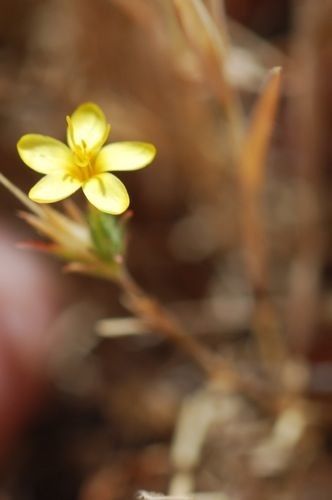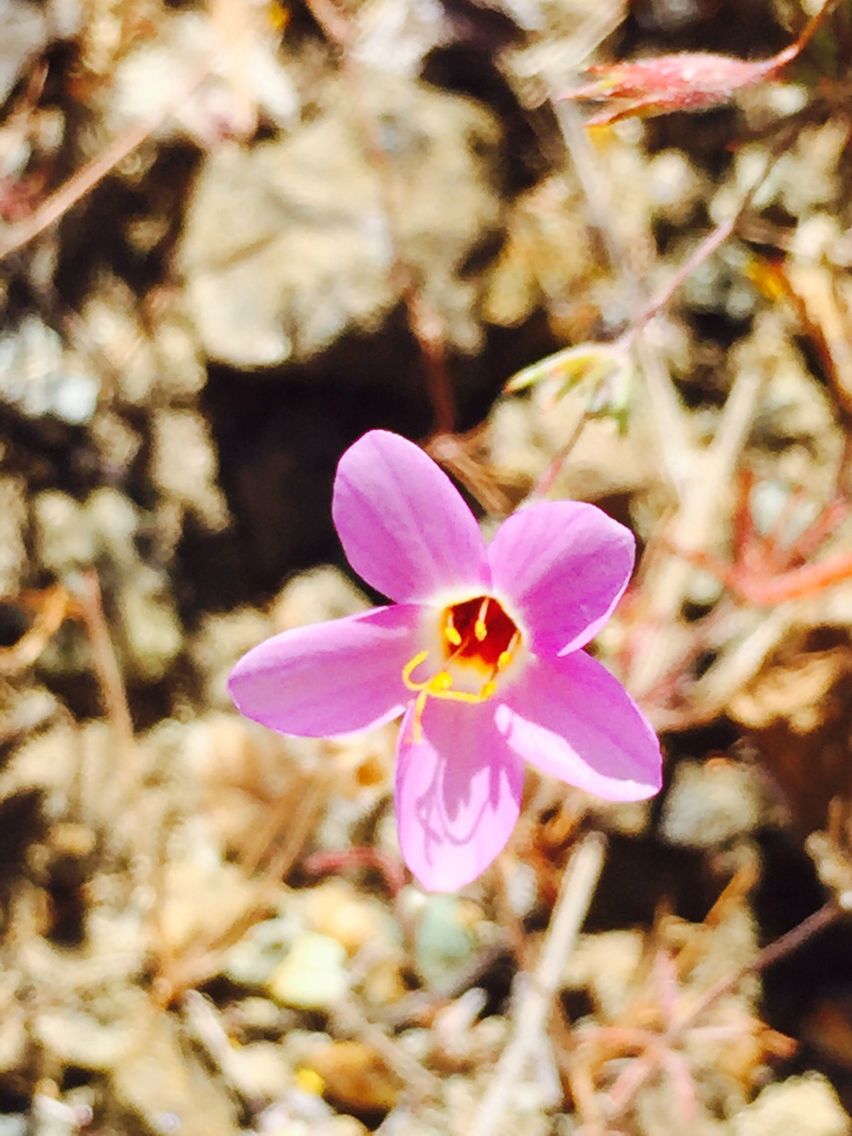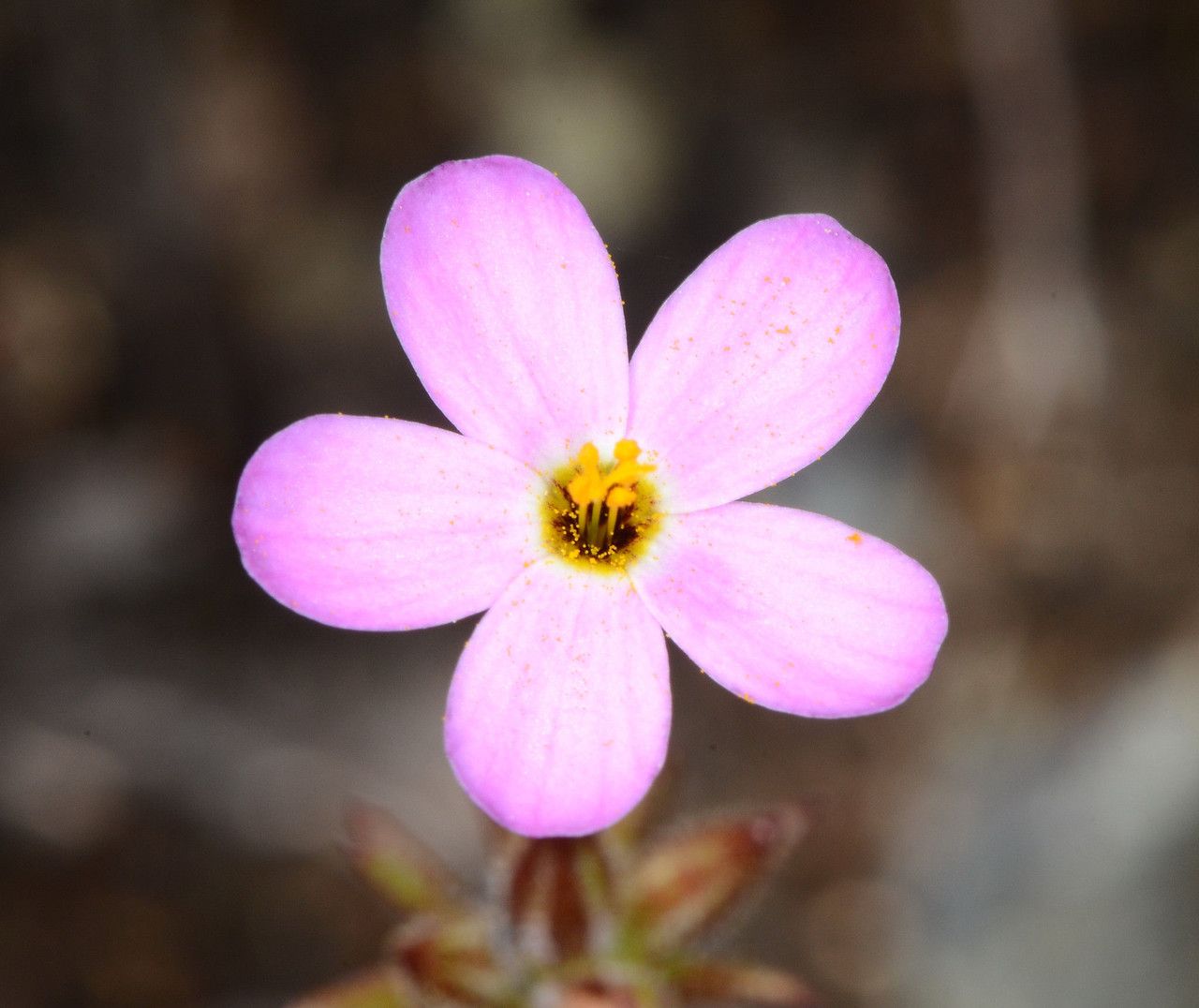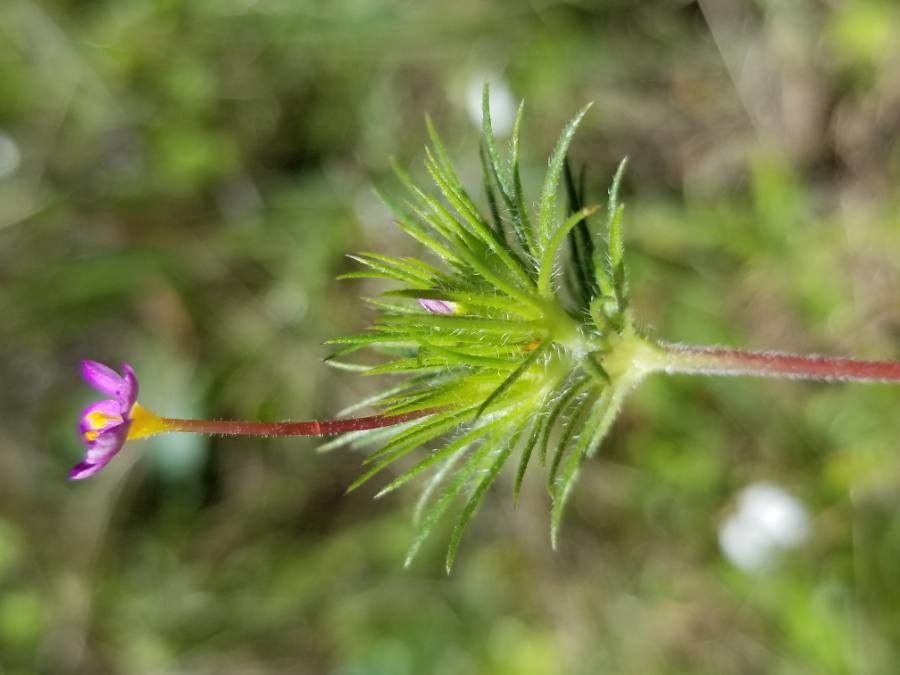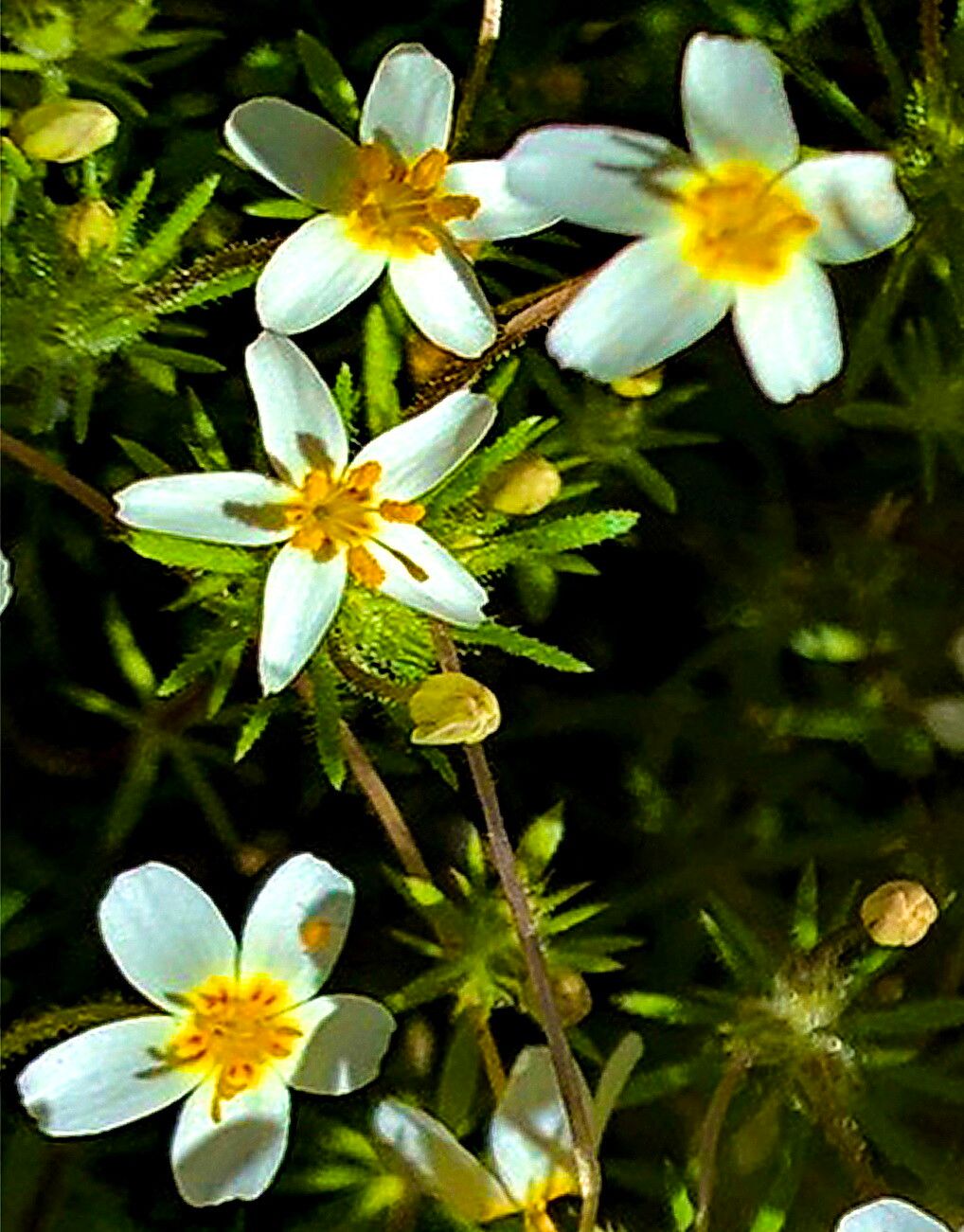
Leptosiphon parviflorus (syn. Linanthus parviflorus) is a species of flowering plant in the phlox family known by the common name variable linanthus.
Variable linanthus shows strong resistance to disease and generally does not tend to get sick. Still, it can be vulnerable to pests and illnesses present nearby. These infections are typically mild. For care, this plant is of medium maintenance. It should be pruned regularly to preserve a neat appearance and encourage healthy growth. Applying fertilizer can also aid in boosting flowering. Variable linanthus is appropriate for anyone with outdoor areas like a garden or patio and does not demand extensive gardening experience. It may need extra attention if cultivated indoors.
How to keep Leptosiphon Parviflorus.
Light
Variable linanthus is native to bright, open habitats and thrives in full sun. It can tolerate partial sun but prefers direct sunlight for optimal growth. This plant, which can be annual or biennial, is known for its sun-loving nature.
Water
Variable linanthus, native to moderate climates, thrives in similar environments. It prefers consistent moisture and is somewhat drought-tolerant, needing to be watered twice a week. As an herbaceous plant, variable linanthus flourishes outdoors during its growing season, provided it receives proper care and watering for optimal growth and flowering.
Temperature
Variable linanthus can tolerate a broad range of temperatures, but its distribution may still be restricted by different combinations of moisture and heat. It does best in warm summer conditions with sufficient rainfall or watering. Extended periods of cloudy, rainy weather or prolonged high temperatures can raise the chance of Variable linanthus dying. In winter, adequate protection from cold can increase the plant’s survival rate.
Fertilizer
When most of Variable linanthus’s blooms are fully open, resume fertilizing. At the time of peak bloom, apply fertilizer once every three to four weeks, as weather allows. Then, when Variable linanthus begins to produce fewer new blooms, stop fertilizing; there is no need to fertilize when the plant can no longer produce additional blooms.
Pruning
Linanthus plants thrive when pruned strategically. This involves lightly shaping the plant and removing any dead branches. The best time to prune is from early to late spring, as this encourages blooming and helps prevent disease. Be careful not to over-prune, as this can stress the plant. Instead, gentle and consistent pruning will promote a vibrant and healthy display.
Botanical profile.
- Plant Type
- Herb
- Life Cycle
- Annual
- Genus
- Leptosiphon
- Family
- Polemoniaceae
- Hardiness Zone
- 7-10
- Mature Height
- 25 cm
- Mature Spread
- 30 cm
- Leaf Color
- Green
- Leaf Type
- Semi-evergreen
- Flower Color
- White
- Flower Size
- 0.76 cm
- Bloom Time
- Spring
- Planting Time
- Spring, Summer
- Harvest Time
- Late spring, Early summer, Mid summer
- Native Area
- Mexico
Other names.
Reader questions.
What are the sunlight requirements for Variable linanthus (Leptosiphon parviflorus)?
Variable linanthus (Leptosiphon parviflorus) thrives in conditions that meet specific sunlight requirements. For plants requiring 'Full sun,' they should receive above 6 hours of sunlight daily. Those needing 'Partial sun' should get about 3-6 hours of sunlight. It's crucial to observe how sunlight moves through your garden to ensure that you select spots providing the right balance of light and shade. This awareness contributes significantly to the happiness and health of your plants.