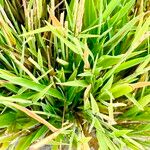
Lepturus repens
Pacific Island Thintail
Care Guide
💧 Water
☀️ Light Full sun
The perennial herbaceous plant Stalky Grass hails from open habitats, frequently flourishing in meadows and grasslands. While its preferred light condition is full sun, it can also withstand areas with partial sun.
🌡️ Temperature 20–37.8°C
Stalky Grass comes from tropical zones, where the weather is generally hot and moist. Therefore, it's specially adapted to thrive in conditions with elevated temperature and humidity. Sudden changes in temperature are not favorable for this plant and it prefers consistent temperature conditions. So, it's crucial to keep it away from varying temperature spaces indoors. Cold temperatures aren't usually well-tolerated by it and its growth necessitates hotter temperatures. Should the temperature of the surroundings plummet too severely, the plant may halt growth or potentially perish.
💨 Humidity
🪴 Soil 6-8
🌱 Fertilizer
Stalky Grass needs extra nourishment to encourage robust new development. Applying compost around the plant's root area during spring can adequately supply it with the crucial nutrients. Feeding the plant helps stimulate strong growth and bolsters its ability to fend off diseases and insects.
🪴 Pot & Repot
✂️ Pruning
🌿 Propagating
🐛 Diseases & pets
☠️ Toxicity
Characteristics
- Plant Type
- Grass
- Life Cycle
- Perennial
- Hardiness Zone
- 10-12
- Mature Height
- 20 cm to 49 cm
- Mature Spread
- 15 cm to 30 cm
- Leaf Color
- Green
- Leaf Type
- Evergreen
- Flower Size
- 0.20 cm to 0.25 cm
- Bloom Time
- Summer, Early fall, Mid fall
- Planting Time
- Spring, Summer
- Harvest Time
- Late summer, Fall, Early winter