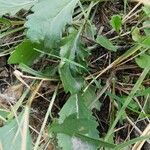
Leucanthemum adustum
Saw-leaved moon daisy · Mountain Daisy
Care Guide
💧 Water
☀️ Light Full sun
The mountain daisy is a sun-loving, perennial herbaceous plant native to open habitats and commonly found in meadows and grasslands. It prefers full sun but can also tolerate partial sun.
🌡️ Temperature 5–35°C
Mountain daisy can adjust to a broad span of temperatures, but its range may still be constrained by particular mixes of moisture and heat. It performs best in warm summer conditions with sufficient rainfall or irrigation. Extended stretches of cloudy, rainy weather or prolonged high heat raise the risk of Mountain daisy dying. During winter, shielding it from cold improves its chances of survival.
💨 Humidity
🪴 Soil 6-8
🌱 Fertilizer
The best time to fertilize a Mountain daisy is in early spring, as it comes out of dormancy and begins active growth. Fertilizing supplies essential nutrients for healthy development. Although the Mountain daisy has relatively low fertilizer requirements, annual feeding can improve its survival and encourage better, longer-lasting flowers.
🪴 Pot & Repot
✂️ Pruning
🌿 Propagating
🐛 Diseases & pets
☠️ Toxicity
Characteristics
- Plant Type
- Herb
- Life Cycle
- Perennial
- Genus
- Leucanthemum
- Family
- Asteraceae
- Hardiness Zone
- 4-9
- Mature Height
- 20 cm to 40 cm
- Mature Spread
- 15 cm to 30 cm
- Leaf Color
- Dark Green, Forest Green
- Leaf Type
- Semi-evergreen
- Flower Color
- White, Yellow
- Flower Size
- 4.06 cm to 6.35 cm
- Bloom Time
- Summer
- Planting Time
- Spring
- Harvest Time
- Late summer, Early fall, Mid fall