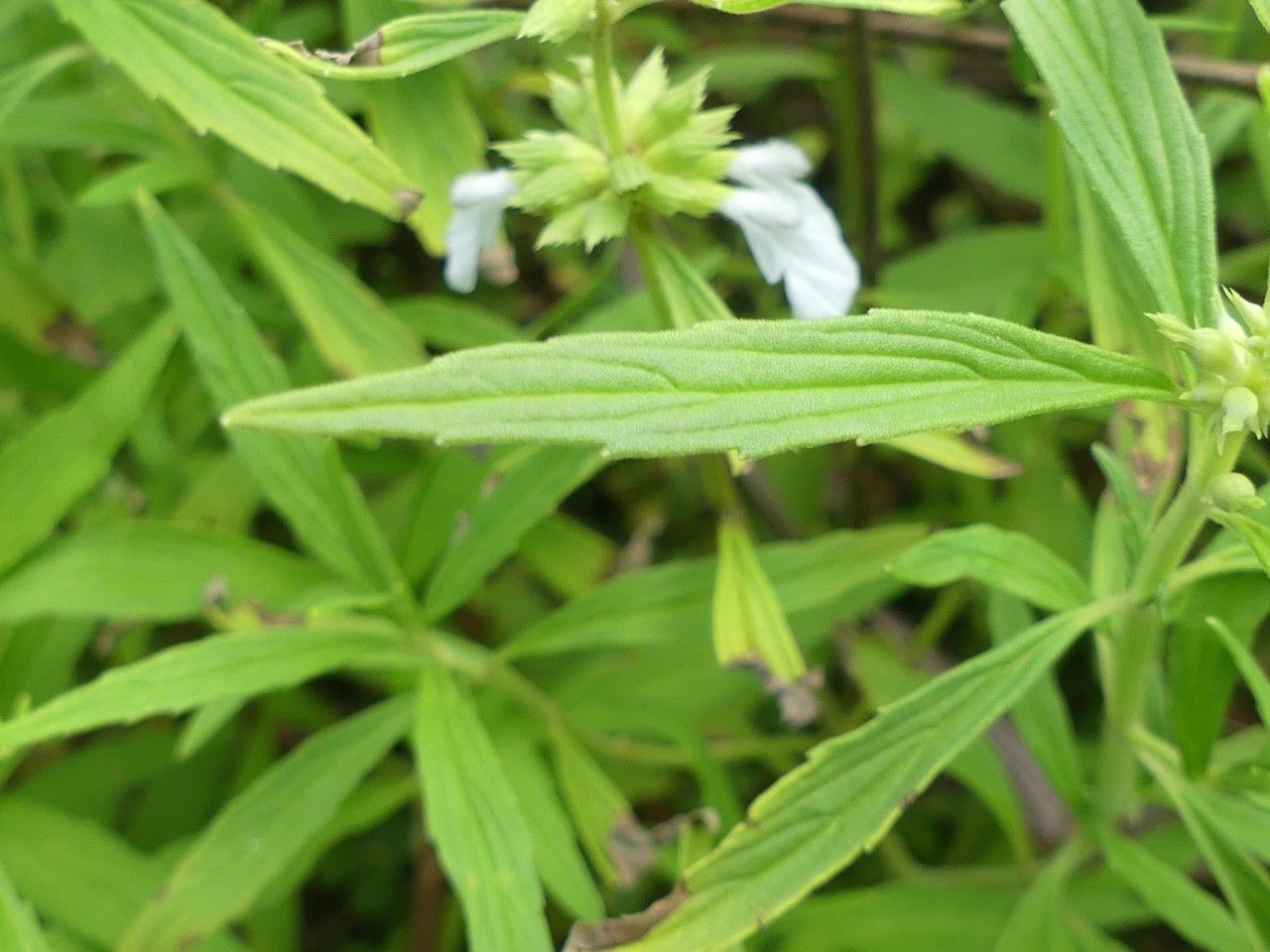
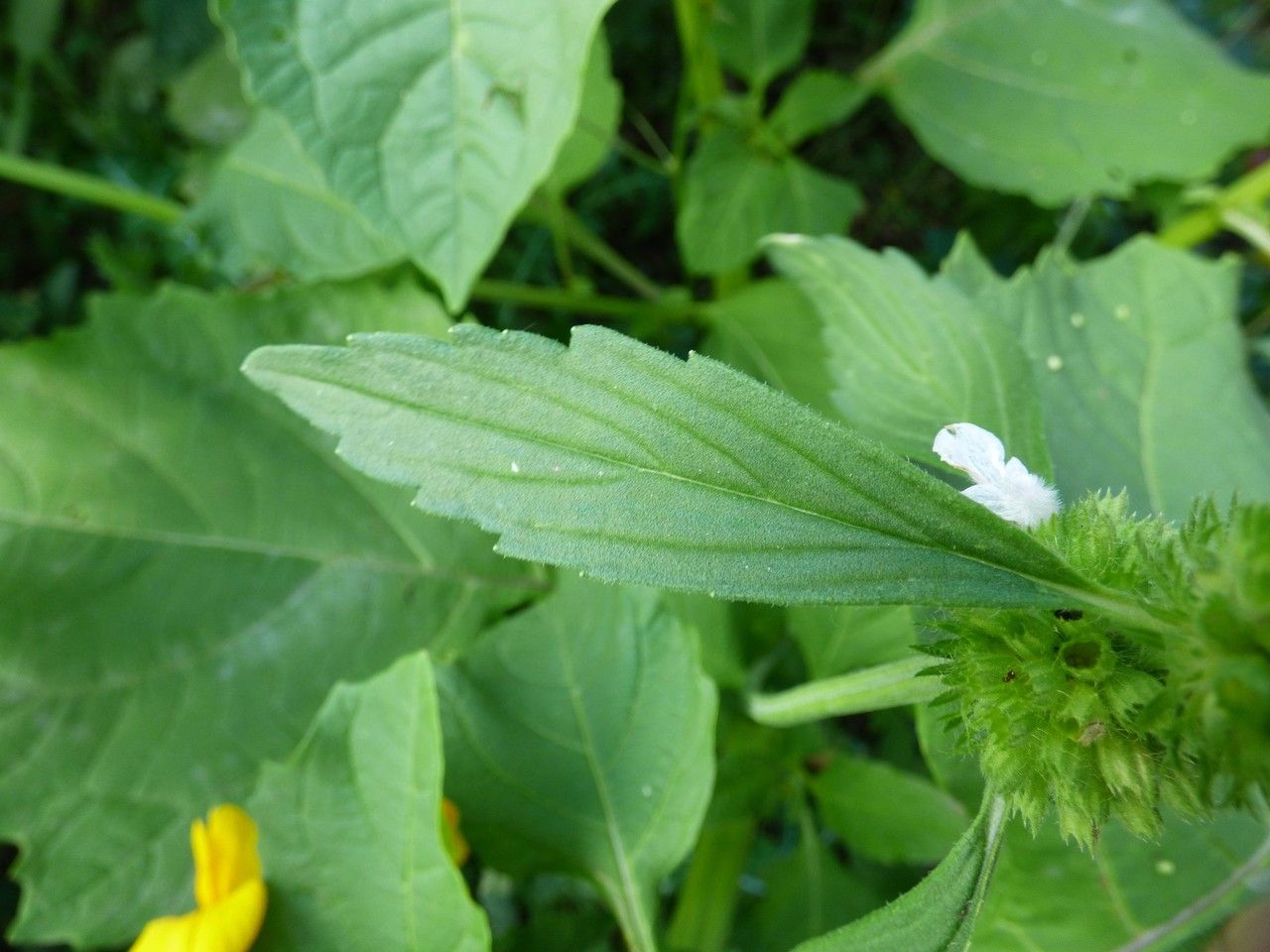
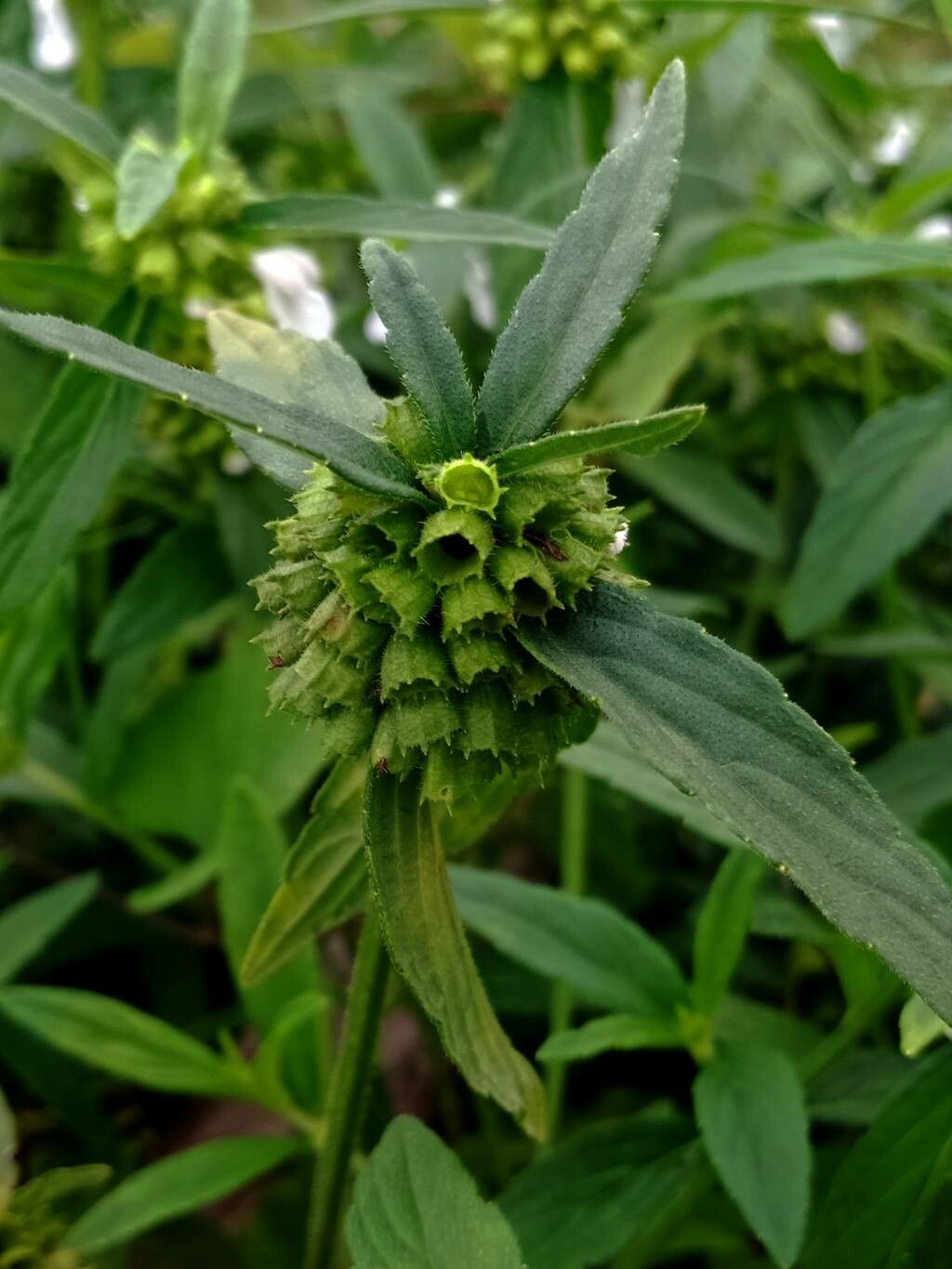
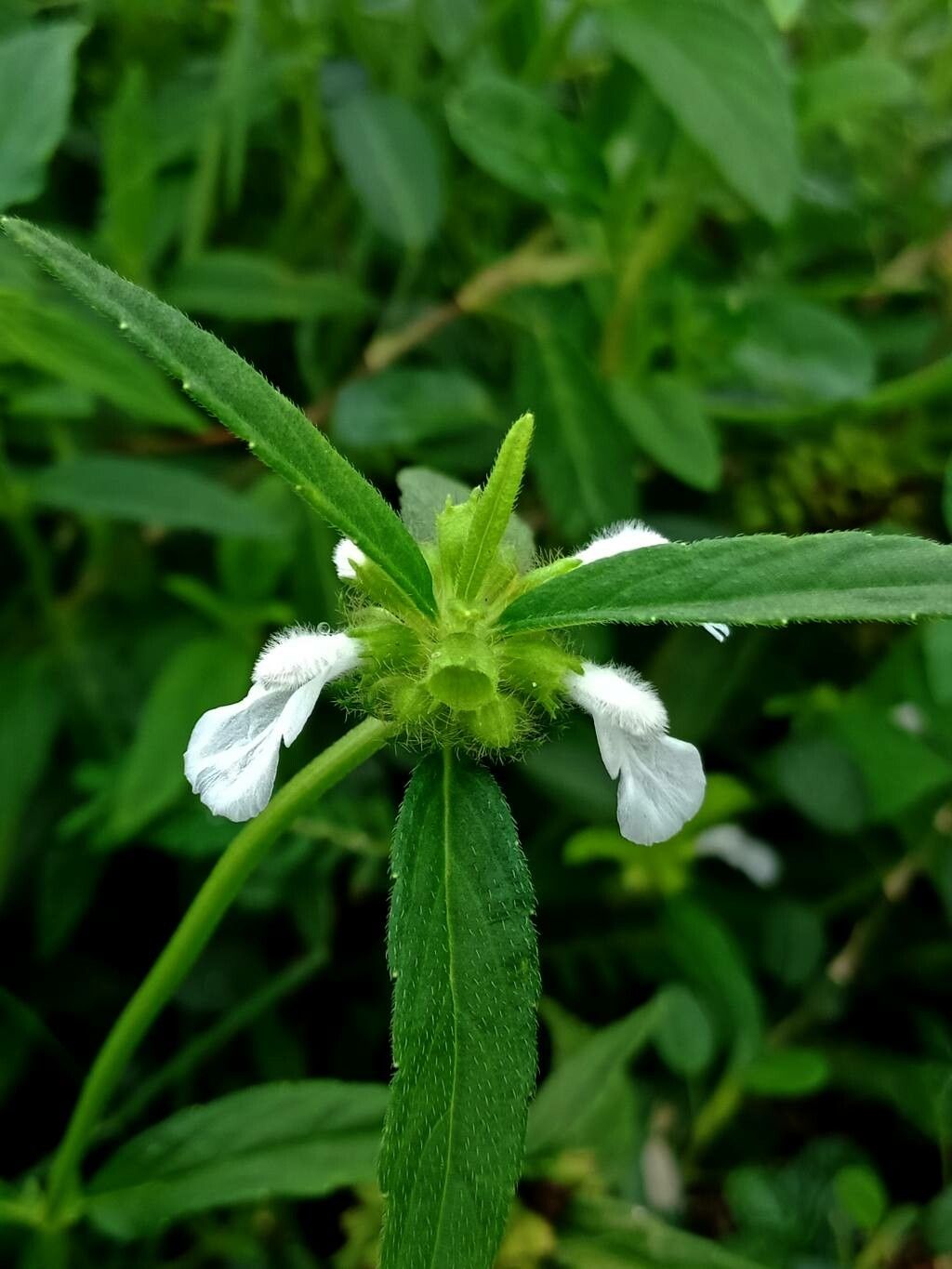
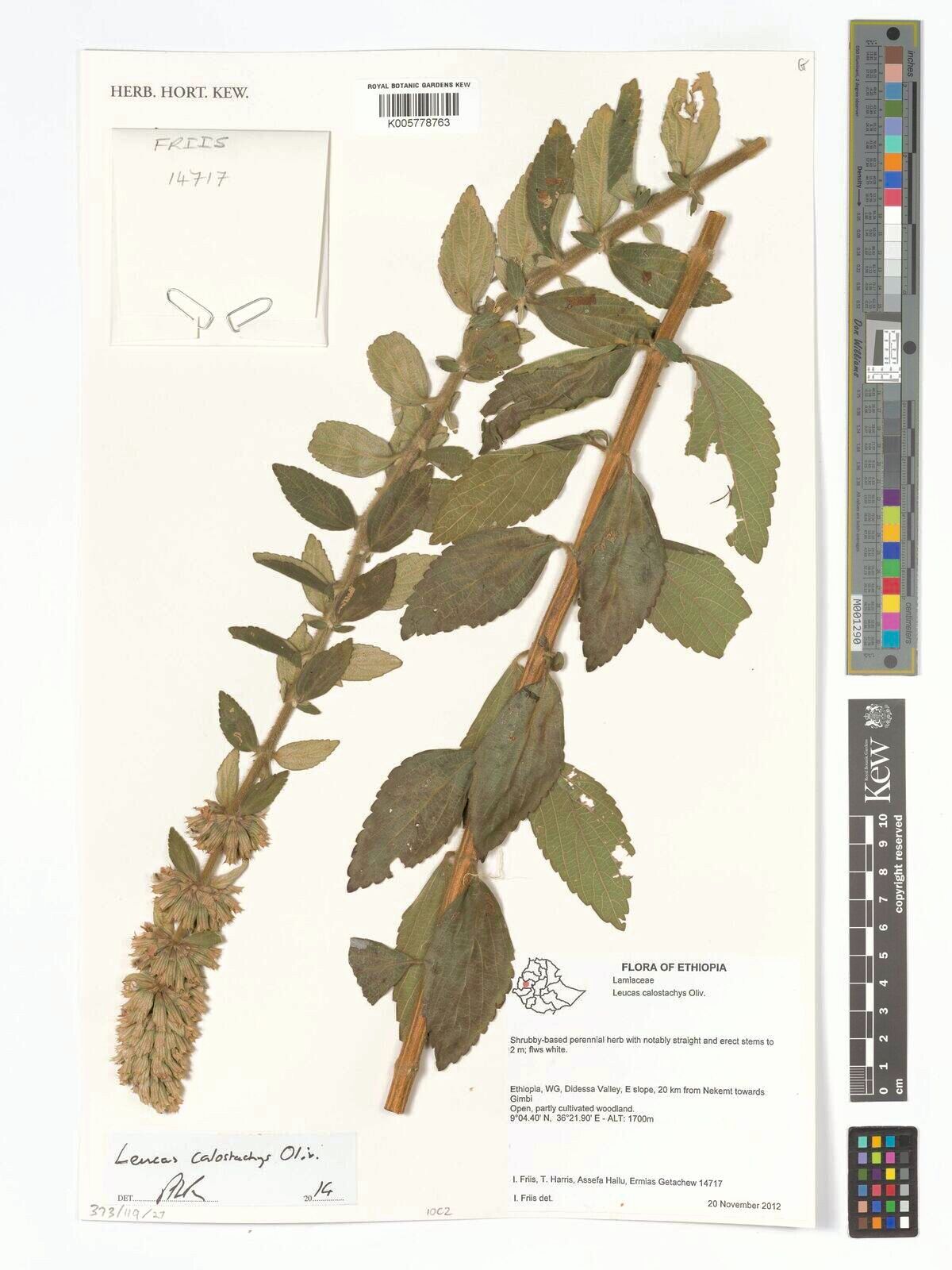
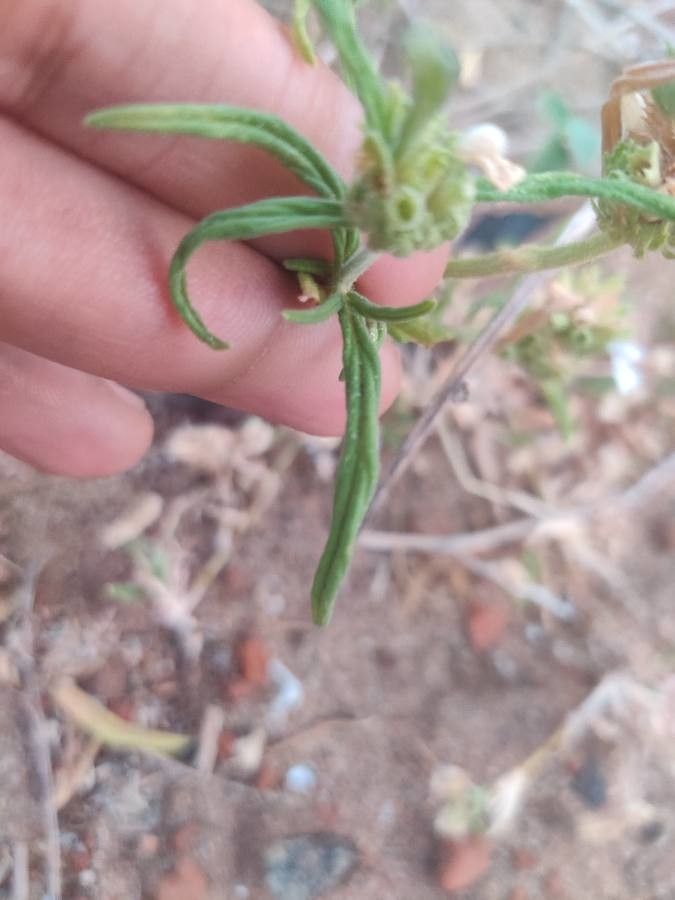
Leucas aspera is a plant species within the genus Leucas and the family Lamiaceae. Although the species has many different common names depending on the region in which it is located, it is most commonly known as Thumbai or Thumba. Found throughout India, it is known for its various uses in the fields of medicine and agriculture.
Thumbai has strong resistance to disease and is typically not susceptible to illnesses. Still, it can be affected by pests and diseases present in its environment. Such infections are generally mild. Care-wise, this plant needs moderate maintenance. It should be pruned regularly to preserve a neat appearance and encourage healthy growth. Feeding the plant with fertilizer can also aid in boosting flowering. Thumbai is well suited to anyone with outdoor space like a garden or patio and does not demand extensive care experience. It may need more attention when grown indoors.
How to keep Leucas Aspera.
Light
Thumbai comes from bright, open areas and thrives in full sun. It can tolerate partial shade but prefers direct sunlight for the best growth. This plant, which can be annual or biennial, is known for its sun-loving nature.
Water
Thumbai thrives in tropical rainforests, benefiting from high humidity and frequent rainfall. It prefers moist conditions and should be watered weekly to ensure lush growth. As an evergreen plant, thumbai retains water effectively throughout the year, making it ideal for both indoor and outdoor gardening.
Temperature
Thumbai is native to tropical areas, where the climate is generally warm and humid. Therefore, it is well suited to high heat and moisture. It does not tolerate abrupt temperature changes and favors a steady thermal environment, so avoiding indoor temperature swings is important. It typically cannot endure cold and needs relatively high temperatures to thrive. If the surrounding temperature becomes too low, the plant may stop growing or even die.
Fertilizer
Thumbai benefits from regular, mild fertilizer applications to encourage healthy leaf growth. You should feed Thumbai about once a month during the summer. Nitrogen is essential for foliage, and adding nitrogen-rich sources helps Thumbai thrive.
Pruning
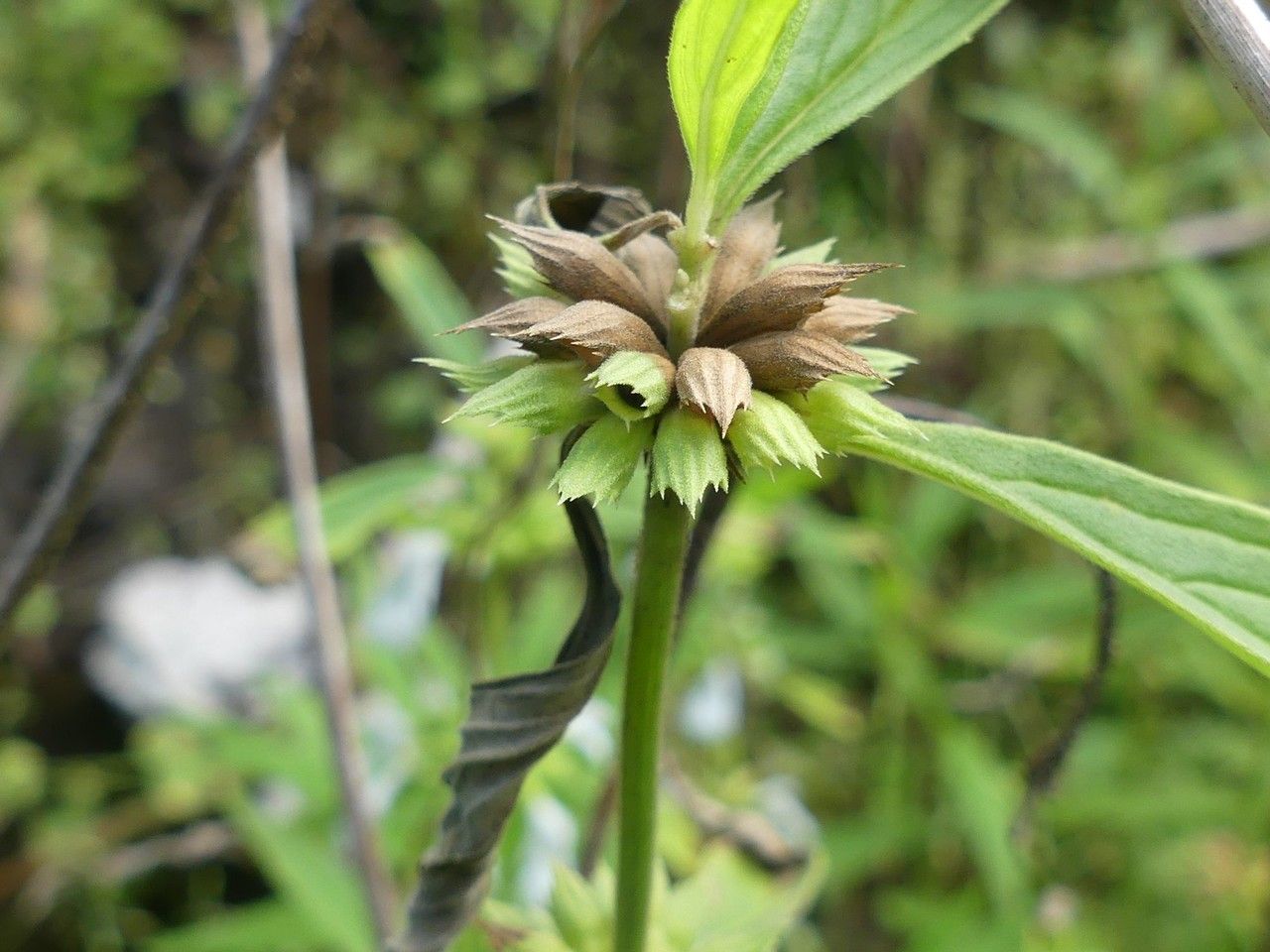
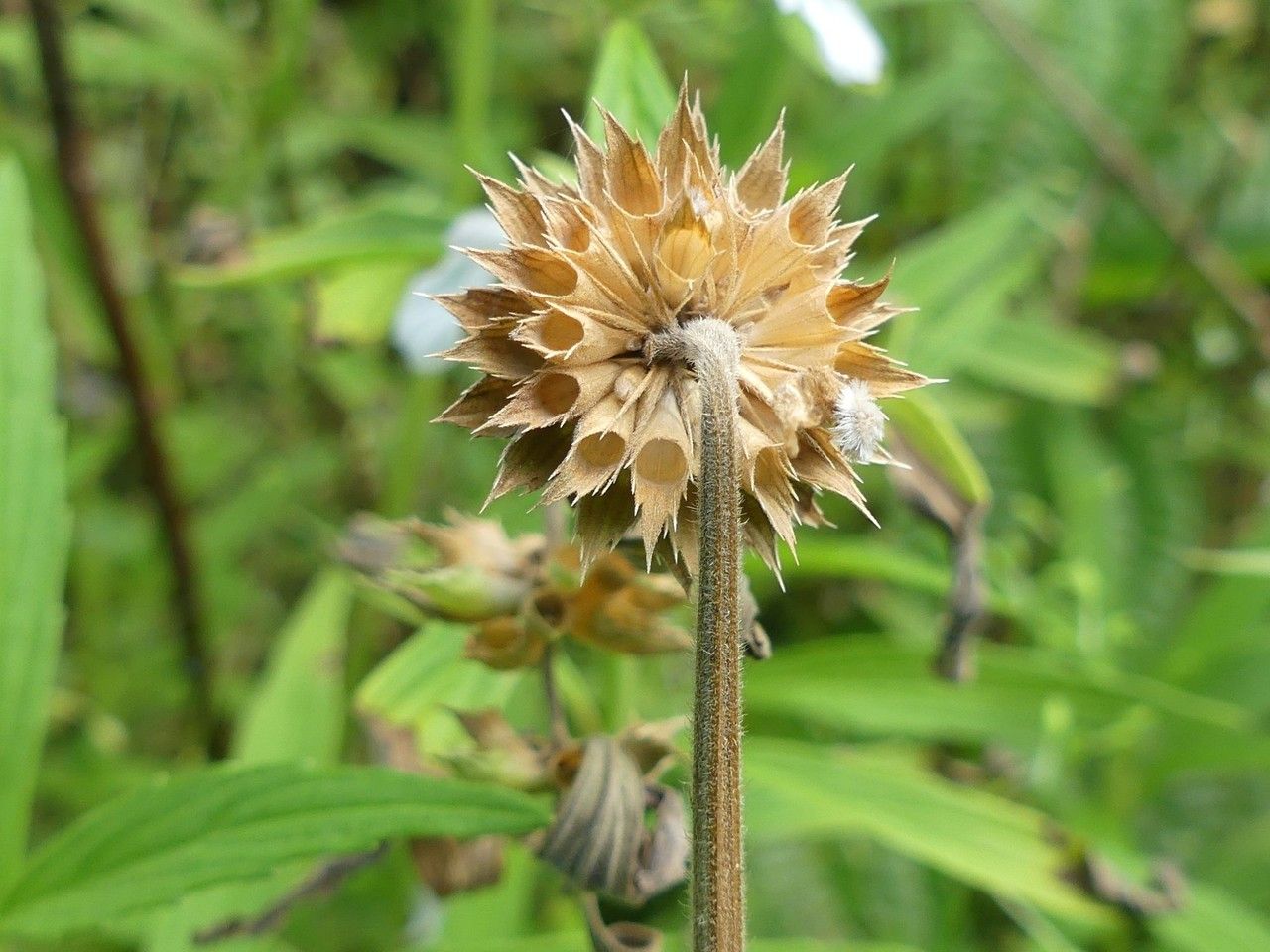
Thumbai is known for its whorled flowers and medicinal properties. To encourage healthy growth and denser foliage, prune the plant in early spring, removing any weak branches. Be sure to use sterilized tools to prevent infections. These practices not only boost the plant's vigor and appearance but also help minimize the risk of disease.
Botanical profile.
- Plant Type
- Herb
- Life Cycle
- Annual
- Genus
- Leucas
- Family
- Lamiaceae
- Hardiness Zone
- 9-11
- Mature Height
- 15 cm to 61 cm
- Mature Spread
- 20 cm to 40 cm
- Leaf Color
- Green
- Leaf Type
- Semi-evergreen
- Flower Color
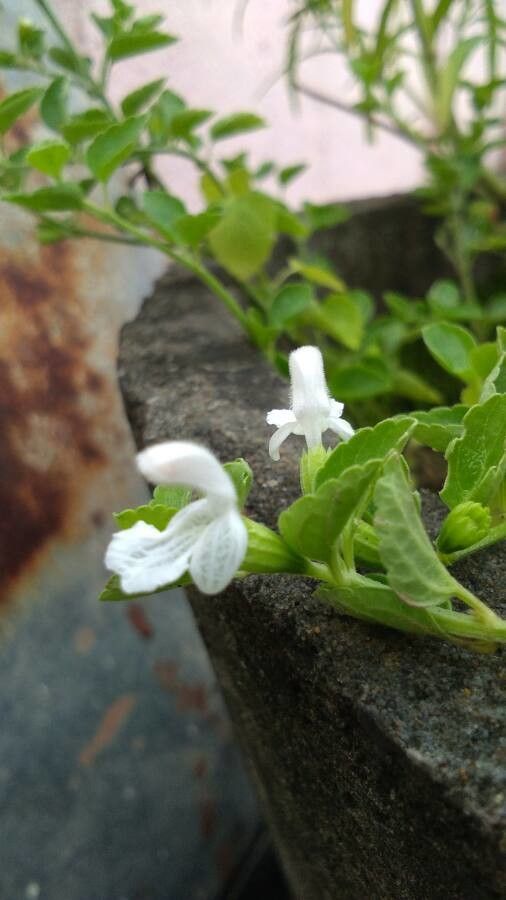
- White
- Flower Size
- 2.03 cm to 3.05 cm
- Bloom Time
- Summer, Early fall, Mid fall
- Planting Time
- Spring, Summer, Autumn
- Harvest Time
- Late summer, Fall, Early winter
- Native Area
- Nepal, India, Malaysia, Indonesia, Cambodia, Vietnam, Myanmar, Philippines, Bangladesh, Pakistan, Thailand, China
Other names.
Reader questions.
What should I do if I give my Thumbai plant too much water or too little water?
To remedy underwatering Thumbai, simply start watering it more regularly. Overwatering, on the other hand, can be a bigger problem as it may lead to diseases and death. To prevent this, choose a sunny location with good drainage. If your potted Thumbai is overwatered, consider changing it to a new pot with better drainage. Use loose soil and a pot that drains efficiently when repotting.
What are the sunlight requirements for Thumbai?
Thumbai requires full sun, which means it needs above 6 hours of sunlight daily to thrive optimally. It can tolerate partial sun, with about 3-6 hours of sunlight, but full sun is preferable for its growth. It's essential to observe how sunlight moves through your garden to find spots with the perfect balance between light and shade, ensuring your plants grow happily.
How do I water my Thumbai plant in the best way?
Thumbai can be watered using various tools like a garden hose with a spray nozzle or a watering can. It is not too particular about the type of water it receives and can thrive with rainwater, tap water, or filtered water. However, it is best to avoid watering this plant from above as it may harm its leaves and flowers and increase the risk of disease. Instead, a drip irrigation system is recommended as it provides even and direct watering to the soil. When watering a Thumbai in a container, use a cup, watering can, or tap to water directly onto the soil.
How does Thumbai react to artificial lighting?
Indoor Thumbai plants require adequate lighting, especially when natural sunlight is insufficient. Artificial lighting can be an excellent solution to promote faster, healthier growth. LED lights are commonly used because they can be customized to the plants' needs. Full sun plants need 30-50W/sq ft, partial sun plants need 20-30W/sq ft, and full shade plants need 10-20W/sq ft of artificial light. The artificial light source should be placed 12-36 inches above the plant, mimicking natural sunlight conditions. Most plants will thrive with 8-12 hours of artificial light per day.
How often should I give water to my Thumbai plant?
To keep your Thumbai plant healthy, it's important to water it regularly. In the spring, watering once a week should be sufficient. However, as the season progresses and temperatures rise, you may need to increase watering to two or three times a week. It's crucial not to exceed this frequency, as it can harm the plant. Additionally, make sure the soil remains moist but not overly wet, regardless of how often you need to water. When it comes to Thumbai in pots, the watering requirements are a bit different. Generally, you'll need to water container-grown Thumbai more frequently, as the soil in pots can dry out faster than garden soil. In most cases, watering a potted Thumbai a few times per week should be sufficient, compared to once a week for plants in the ground.
What are the symptoms of inadequate light in Thumbai?
When Thumbai is grown indoors under inadequate light, several symptoms may appear. These include smaller new leaves, leggy or sparse growth, faster leaf drop, slowed or halted growth, lighter-colored new leaves, chlorosis (leaves turning yellow), sunscald (damage from intense light exposure), leaf curling (as a defense mechanism against excessive sunlight), wilting (due to increased water loss), and leaf scorching (brown, dry edges on leaves due to too much sunlight). These symptoms indicate the plant's struggle with light conditions.
How much water does my Thumbai plant require?
Determining how much water to give to your Thumbai can be approached in a few different ways. Some gardeners rely on feeling the soil for moisture and water until the first six inches are moist. Another method is to use a set measurement, such as giving about two gallons of water per week, adjusting for weather and soil dryness. However, be cautious of overwatering if your plant needs less than two gallons. When growing Thumbai in a container, give enough water to moisten the dry layers of soil, which can be tested by sticking your finger in the soil or watering until you see excess water draining from the pot's holes.
How can I improve light conditions for indoor Thumbai plants?
To enhance light conditions for indoor Thumbai plants, gradually move them to a location with at least 6 hours of direct sunlight daily, preferably using a south-facing window. Using curtains to regulate light is also beneficial. If the plant is large or not easily movable, consider using artificial light by keeping a lamp on for at least 8 hours daily or investing in professional plant grow lights to ensure adequate light exposure.
How can I know if I'm giving enough water to my Thumbai plant?
Avoiding overwatering your Thumbai can be a bit challenging. These plants have deep roots that need to be moistened weekly, but they are also prone to root rot. Overwatering can cause browning and other issues. Underwatering is less of a concern as Thumbai can survive without supplemental watering for a while, but if you go too long without watering, it may wilt and develop dry leaves.
What are the recommendations for Thumbai plants growing outdoors?
For outdoor Thumbai plants, gradually adapting them to sunlight is key. Begin by moving them to sunnier spots each week, avoiding sudden changes in light intensity to prevent sunburn. Note that parts of the plant affected by previous low light conditions may not recover, but new growth will be healthy with improved light exposure.
How do I water my Thumbai plant at different times of the year?
As the seasons change, you can expect your Thumbai's water needs to change as well. In spring, watering once a week is sufficient. However, as the hot summer months approach, you may need to increase watering to about three times per week, especially if your Thumbai is in a container. Containers tend to dry out faster in warm weather. In autumn, as the temperature cools and the sun is less intense, your Thumbai may require less water while still in bloom.
How can ground-planted Thumbai receive more sunlight?
For ground-planted Thumbai to receive more sunlight, start by reducing obstructions. Observe what's blocking the sunlight and consider pruning trees or bushes that cast shade on your plants. If transplanting smaller plants, choose their dormant period for the move, usually late winter or early spring. Dig up the plant carefully, keeping the root ball intact, and relocate it to a sunnier spot with good drainage.