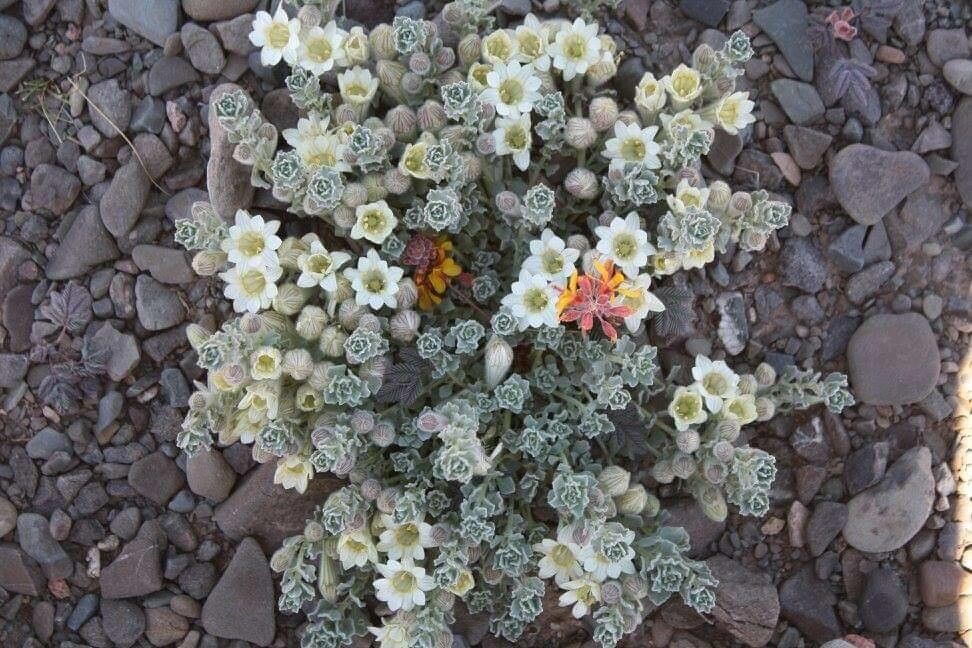
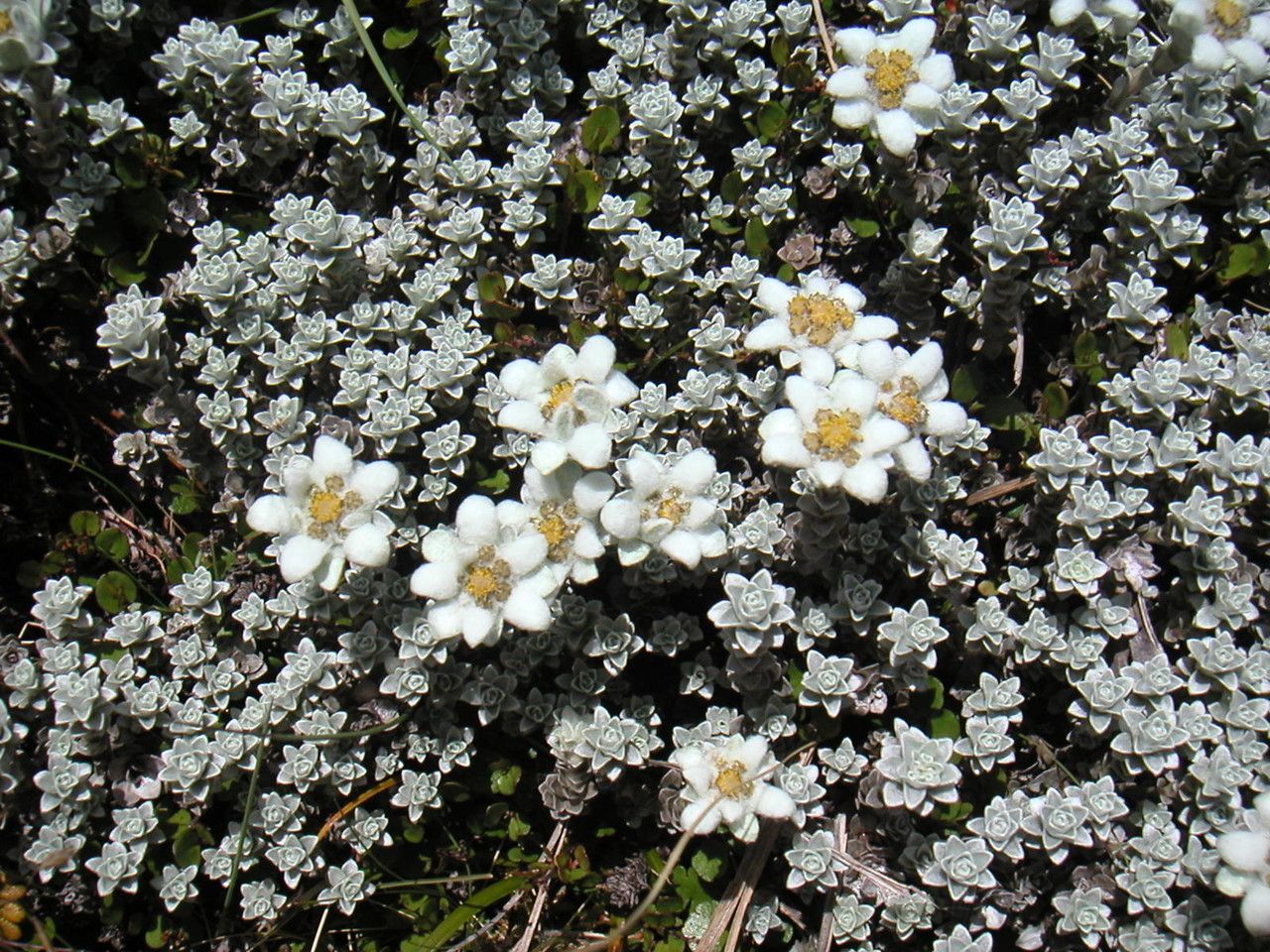
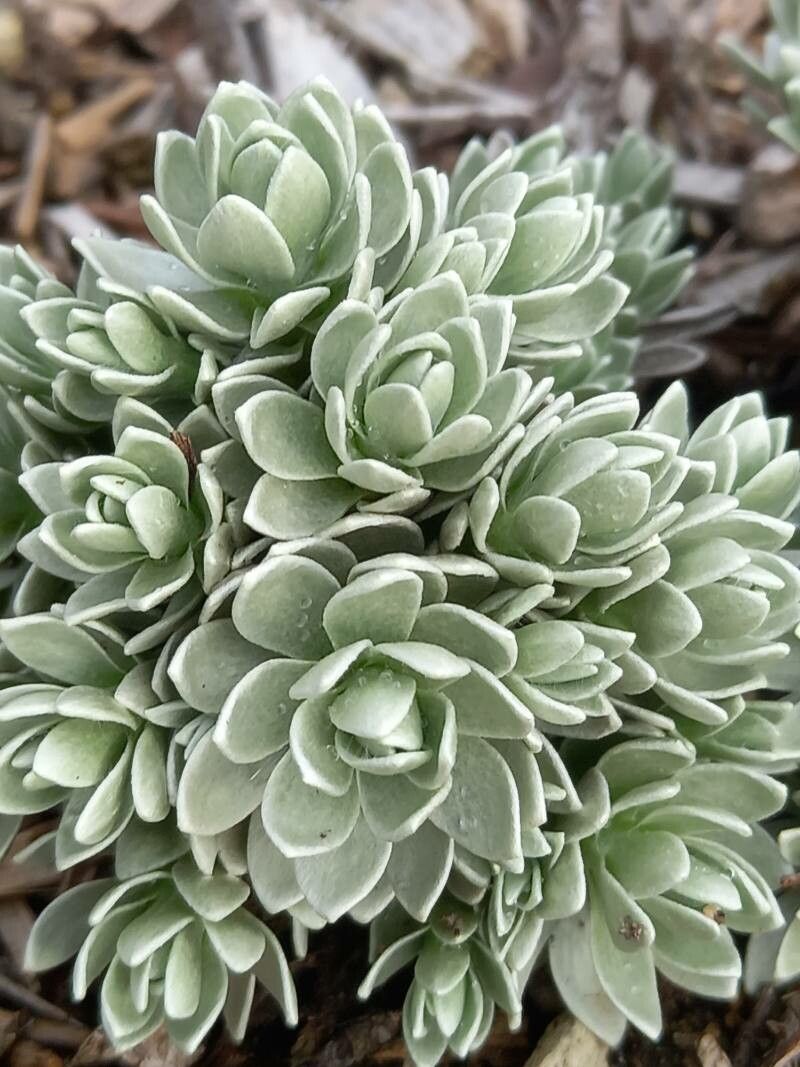
Leucogenes grandiceps, commonly known as the South Island edelweiss, is a species of plant in the family Asteraceae. It is native to the South and Stewart Islands of New Zealand.
South Island edelweiss has strong disease resistance and is typically not vulnerable to illnesses. Still, it can be affected by pests and diseases that exist in its environment. These infections are generally minor. Regarding care, this plant needs a moderate level of maintenance. Regular pruning is necessary to preserve an attractive appearance and healthy growth. Applying fertilizer can also encourage blooming. South Island edelweiss is well suited for anyone with outdoor space, such as a garden or patio, and does not demand extensive gardening experience. It may need additional attention when cultivated indoors.
How to keep Leucogenes Grandiceps.
Light
South island edelweiss is a sun-loving perennial herbaceous plant native to open habitats, frequently thriving in meadows and grasslands. It prefers full sun but can also tolerate partial sun conditions.
Water
The South Island edelweiss, native to New Zealand's alpine regions, thrives with minimal watering. It prefers well-drained soil and, once established, can tolerate drought conditions. To maintain its health, water it weekly, ensuring not to oversaturate the soil. During its active growing season, this plant benefits from natural rainfall and cooler temperatures.
Fertilizer
For South island edelweiss, the main time to fertilize is in early spring when the flowers are beginning to form. The right fertilizer promotes better blooms and helps South island edelweiss produce attractive flowers. Fertilizing in early spring ensures excellent flowering during the season and provides energy for dormant growth phases.
Pruning
The South Island edelweiss boasts beautiful star-shaped blooms and striking silver foliage. To promote dense growth and improve air circulation, regular pruning from early to late spring is recommended. This not only helps reduce the risk of pests but also enhances the plant's appearance, ensuring vibrant blooms throughout the growing season.
Pot & Repot
Repot your South Island edelweiss every two years during the spring to prevent the roots from becoming crowded. Use a slightly larger pot with good drainage. After repotting, place the plant in bright, indirect light and keep the soil moist, but avoid waterlogging. South Island edelweiss thrives in cool environments, so it’s essential to carefully replicate its native alpine conditions.
Botanical profile.
- Plant Type
- Herb
- Life Cycle
- Perennial
- Genus
- Leucogenes
- Family
- Compositae
- Hardiness Zone
- 7-9
- Mature Height
- 20 cm
- Mature Spread
- 20 cm
- Leaf Color
- Silver, White
- Leaf Type
- Semi-evergreen
- Flower Color
- White
- Flower Size
- 2.03 cm to 3.05 cm
- Bloom Time
- Early summer, Mid summer
- Planting Time
- Summer
- Harvest Time
- Late summer, Early fall
- Native Area
- New Zealand
Other names.
Reader questions.
What are the sunlight requirements for South Island Edelweiss (Leucogenes grandiceps)?
South Island Edelweiss (Leucogenes grandiceps) thrives in conditions where it can receive varying amounts of sunlight throughout the day. Specifically, it requires 'Full sun' exposure, which means it needs to be in a spot where it can soak up more than 6 hours of sunlight daily. If you have slightly less light available, it can also tolerate 'Partial sun', meaning it can grow well with about 3-6 hours of sunlight. It's essential to observe how sunlight moves through your garden over the day. Choosing locations that provide a good balance of light and shade is crucial for ensuring the health and happiness of your plants.