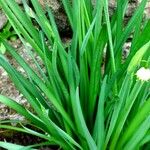
Leucojum aestivum
Summer snowflake · Snowdrops · Loddon-lily · Spring snowflake · Giant snowflake
Description
Source: leafsnapLeucojum aestivum, commonly called summer snowflake or Loddon lily (see River Loddon § Loddon lily), is a plant species widely cultivated as an ornamental. It is native to most of Europe from Spain and Ireland to Ukraine, with the exception of Scandinavia, Russia, Belarus and the Baltic countries. It is also considered native to Turkey, Iran and the Caucasus. It is naturalized in Denmark, South Australia, New South Wales, Nova Scotia and much of the eastern United States.
💡 Despite its name, the summer snowflake blooms in the spring. It is often mistaken for the snowdrop plant, Galanthus nivalis, and is sometimes incorrectly referred to by the same name. However, these two plants belong to different species and have distinct blooming periods. Snowdrops bloom in the winter, while summer snowflakes bloom in the spring.
🌳 Summer snowflake is an uncommon source of spice. Its pure white blossoms serve as decorative accents for salads and sweet treats, and they also hold unexplored potential as a food seasoning — when steeped in olive oil they lend a subtle, almond-like note. In addition, these flowers are full of promise for the fragrance industry. When distilled, the summer snowflake's essential oils produce an enchanting aroma with touches of citrus and vanilla, well suited to crafting captivating perfumes.
🎭 Innocence and hope
Care Guide
💧 Water Every week
The summer snowflake flourishes in consistently moist soil and benefits from regular weekly watering. Although it can withstand short dry periods, it prefers rainwater during its growing season, which reflects its natural habitat of damp environments. This herbaceous perennial is usually grown outdoors to ensure optimal health.
What can I do if I give too much or too little water to my Summer snowflake?
The Summer snowflake is a delicate plant that doesn't need a lot of water. Too much water can cause bulb rot, which is indicated by mushy bulbs, spotted and floppy stems, droopy flowers, and yellowed stalks. While it is normal for yellow leaves to develop at the end of their blooming period, yellowing before blooming is a sign of overwatering. Unfortunately, bulb rot cannot be reversed, but if caught early, you can dig up the bulb, remove the rotten portions, and disinfect any tools and pots used. It's easier to solve an underwatering problem with this plant, which is indicated by no blooms, sagging stalks, and browning around the edges of the flower petals. If you've underwatered, give the plant a good drink without saturating the soil. However, be cautious not to overwater, as prolonged periods of water can lead to root rot and fungus growth on the bulb, which is identified by spots on the leaves and buds, as well as discoloration and death of leaf tips.
How often do I need to water my Summer snowflake?
Summer snowflake is an easy plant to care for. It grows best when planted directly into the ground in the sunniest part of your garden, although it can also be grown in a pot. Since it grows from a bulb, you should be cautious about overwatering as it can cause the bulb to rot. After initially watering the plant, you can leave it alone until you see shoots appear. To ensure the best results, check the moisture of the soil after new leaves have grown. To do this, insert your finger about 2-3 inches below the surface of the soil. If it is still wet, there's no need to water the plant. For potted plants, check the water collection tray for standing water and avoid watering if there is any. For a more precise reading, use a moisture sensor inserted 2-3 inches into the soil. The moisture level should be in the middle of the 'moist' range. It's recommended to water the Summer snowflake once per week.
How do I change my watering for my Summer snowflake depending on the conditions?
The Summer snowflake is a resilient plant that can withstand harsh conditions. If you plant it outdoors, you can let nature take care of watering, as it doesn't require much water and can survive droughts. Just ensure that the soil has good drainage. When growing the Summer snowflake in a pot, be cautious with watering because overwatering can cause bulb rot. Water less frequently indoors and ensure there are drainage holes in the pots. During the growing phase, water the plant around one inch per week to encourage blooming. Consider the humidity and temperature of your environment when deciding how often to water. In hot, dry climates, water may evaporate faster and require more frequent watering. In more humid climates, watering can be less frequent. Always check the soil moisture to avoid overwatering. It's best to provide well-drained, moist soil for these plants.
☀️ Light Full sun
The summer snowflake thrives with abundant light but can tolerate spots with reduced illumination. Light strongly affects its healthy growth. Its lighting needs are consistent across different growth stages, and its preference reflects ancestry in well-lit habitats. Too little light can stunt its growth, while too much exposure can cause damage.
What are the sunlight requirements for a Summer Snowflake?
The Summer Snowflake (Leucojum aestivum) thrives best under full sun conditions, meaning it requires more than 6 hours of sunlight daily, but it can also tolerate partial sun, which is about 3-6 hours of sunlight. An important note to keep in mind is the movement of sunlight through your garden; observing this can help you find the perfect spots that provide a balance of light and shade, ensuring your plant's happiness.
How important is light for the growth of Summer Snowflake?
Light plays a crucial role in the growth and health of the Summer Snowflake. Originating from well-lit environments, this plant flourishes under abundant light exposure but can also adapt to areas with less light. While its light requirements don't vary significantly through different growth stages, insufficient light can stunt its growth, and too much direct light might cause harm. For indoor plants, artificial lighting, like LED lights, can be an effective solution during less sunny seasons or in naturally dim spaces. Proper lighting ensures the plant grows healthily, requiring specific wattages based on the plants' sun exposure categories.
What symptoms should I look for to determine if my Summer Snowflake is getting too much or too little sunlight?
Symptoms of light deficiency in your Summer Snowflake may include smaller than usual new leaves, leggy or sparse growth, faster leaf drop, slower or halted new growth, lighter-colored new leaves, and signs of chlorosis. Conversely, excessive sunlight exposure can lead to symptoms such as sunscald, leaf curling, wilting, leaf scorching, and in severe cases, the breakdown of chlorophyll, which affects the plant's ability to photosynthesize. These signs help identify whether to increase or reduce light exposure for optimal plant health.
How can I adjust lighting conditions for my Summer Snowflake?
To ensure your Summer Snowflake receives optimal light, indoors you can gradually move it to sunnier spots each week until it gets at least 6 hours of direct sunlight a day or use artificial lights for large plants that are not easily moved. For outdoor plants, a gradual adaptation to brighter areas is recommended to prevent sunburn. Reducing obstructions, such as by pruning tree branches that block sunlight, or transplanting smaller plants to sunnier locations, can also improve light access. While parts of the plant that suffered due to insufficient light might not recover, new growth will be healthy once adequate light conditions are established.
🌡️ Temperature 0–35°C
The summer snowflake grows best in its native conditions with moderate to cool temperatures. Its preferred temperature range is 32 to 95 °F (0 to 35 °C). Temperatures should be adjusted across seasons to keep it within that range.
What are the ideal growing conditions for Summer Snowflake?
The Summer Snowflake (Leucojum aestivum) thrives in a native growth environment that features moderate to cool temperatures. Its preferred temperature range is between 32 to 95°F (0 to 35°C). Depending on the season, temperature adjustments may be needed to maintain this range. The plant has strong cold resistance, so special frost protection measures aren't typically necessary. However, if winter temperatures are expected to fall below its cold tolerance limit, providing cold protection by covering the plant with soil or straw is important. Additionally, watering the plant abundantly before the first freeze in autumn, ensuring the soil remains moist, helps prevent drought and water scarcity during winter and early spring.
What symptoms indicate Summer Snowflake is experiencing unfavorable low temperatures?
The Summer Snowflake is notably cold-tolerant and demonstrates optimal growth when temperatures are above its minimum suitable growth temperature. During the winter, it's essential to ensure that temperatures remain above its tolerable growing temperature minimum. If temperatures fall below its growth limit temperature, there may not be noticeable changes during winter, but it could lead to decreased sprouting or even no sprouting in the spring. The recommended solution for these symptoms is to remove any parts of the plant that have failed to sprout in the spring.
What symptoms show that Summer Snowflake is being adversely affected by high temperatures?
When the Summer Snowflake is exposed to temperatures above its recommended maximum during the summer, its leaves may become lighter in color, prone to curling, susceptible to sunburn, and in severe cases, the entire plant may wilt and become dry. To mitigate these symptoms, it's advisable to trim away the sunburned and dried-up parts of the plant. Moving the plant to a location that provides shade during the midday and afternoon sun, or using a shade cloth, can also be beneficial. Watering the plant in the morning and evening to keep the soil moist is recommended for maintaining its health.
💨 Humidity
🪴 Soil 6-7
🌱 Fertilizer
The best time to fertilize a Summer snowflake is in early spring, as it comes out of dormancy and begins active growth. Fertilization supplies essential nutrients for healthy growth. Although the Summer snowflake has relatively low fertilization needs, applying fertilizer annually can improve its survival and encourage better, longer-lasting flowers.
Why should I put fertilizer on my Summer snowflake plant?
Fertilization is important for the Summer snowflake and other plants because it provides essential nutrients for growth. Although the Summer snowflake doesn't require a lot of fertilization, it can greatly benefit from annual fertilization to ensure its survival and encourage the development of beautiful, long-lasting flowers. Therefore, those wanting to keep their Summer snowflake in its best state should prioritize annual fertilization.
When should I fertilize my Summer snowflake for the best results?
The best time to fertilize a Summer snowflake is in late winter to early spring when it is transitioning from dormancy to active growth. Fertilizing at this time promotes healthy growth and sets the plant up for a great season. While early spring is preferred, fall is also an acceptable time to fertilize. However, it is not recommended to fertilize in summer or winter.
When is it not a good idea to add fertilizer to my Summer snowflake plant?
To properly fertilize your Summer snowflake, remember to only do so during late winter and early spring. This plant has low fertilizer needs, so a single annual feeding is sufficient. Avoid fertilizing during spring, summer, and fall as this can easily lead to overfertilization and complications. However, if you missed fertilizing in spring, it is acceptable to feed the plant in fall. Also, refrain from fertilizing during winter when the Summer snowflake is dormant and not producing new growth.
What kind of fertilizer does my Summer snowflake plant need?
For Summer snowflake plants, any general-purpose fertilizer with a balanced amount of the three main nutrients will be effective. However, there are specific nutrient blends that can provide even greater benefits. Some gardeners believe that higher levels of phosphorus promote stronger roots and better flowers, so using a phosphorus-rich fertilizer may be the best choice. Whether in granular or liquid form, the fertilizer should contain sufficient nutrients. Additionally, organic methods like compost and manure can greatly improve the soil quality for Summer snowflakes.
How can I make my Summer snowflake plant get more nutrients?
To fertilize a Summer snowflake, the most common method is to use a granular or pellet fertilizer. It is important to apply the fertilizer around the plant when it is transitioning from its winter dormant growth phase to an active growth phase. In early spring, wait for shoots to emerge from the soil before applying the fertilizer. Some people may prefer using a liquid fertilizer, in which case, it should be diluted with water before application. Regardless of the type of fertilizer used, it is recommended to moisten the soil before, during, and after fertilizing.
🪴 Pot & Repot Every 12 months
Repot Summer snowflake in early spring. Choose a pot that is wider than it is deep and has good drainage. Use a well-draining loamy potting mix enriched with compost. Gently remove old soil from the bulb and plant it at a depth equal to the bulb’s height. Water thoroughly after repotting and place the pot in a sunny spot. Avoid overwatering to prevent the bulb from rotting.
✂️ Pruning
The Summer Snowflake plant showcases delicate, bell-shaped flowers. To encourage healthy growth, prune dead leaves in the spring and remove faded blooms to boost flowering for the next season. Be careful not to prune too heavily in order to preserve the foliage, which is essential for photosynthesis and contributes to the plant's overall health and appearance.
🌿 Propagating
🐛 Diseases & pets
☠️ Toxicity
Characteristics
- Plant Type
- Herb
- Life Cycle
- Perennial
- Genus
- Leucojum
- Family
- Amaryllidaceae
- Hardiness Zone
- 3-10
- Mature Height
- 30 cm to 61 cm
- Mature Spread
- 10 cm
- Leaf Color
- Green
- Leaf Type
- Deciduous
- Flower Color
- White
- Flower Size
- 3.05 cm to 4.06 cm
- Bloom Time
- Mid spring, Late spring
- Planting Time
- Autumn, Winter, Spring
- Harvest Time
- Early summer, Mid summer