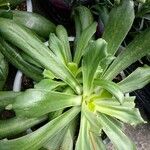
Lewisia cotyledon
Siskiyou lewisia · Cliff-maids
Description
Source: leafsnapLewisia cotyledon, commonly known as Siskiyou Lewisia, is a perennial plant native to the western United States. This member of the Portulacaceae family typically thrives in rocky or gravelly soils within alpine or subalpine environments. The plant forms rosettes of fleshy leaves that are green to blue-green and can grow up to 6 inches long. Its showy flowers range in color from white to pink, orange, or red, featuring five petals that create a cup-shaped bloom. These flowers appear on long stems above the foliage from late spring through early summer. Lewisia cotyledon is an excellent choice for rock gardens or any other well-drained areas with full sun exposure. Once established, it requires minimal watering and can withstand cold temperatures down to -20°F (-29°C). Additionally, Native American tribes have utilized this plant for its anti-inflammatory medicinal properties. Overall, Lewisia cotyledon is an attractive perennial that adds vibrant color and interest to any garden setting. It is low maintenance and hardy, making it suitable for challenging growing conditions.
Care Guide
💧 Water Every 7 days
Siskiyou lewisia flourishes in rocky alpine environments, needing soil that drains well and moderate levels of moisture. To closely replicate its natural conditions, it should be watered once a week. As an evergreen plant, it is crucial to maintain proper water retention to ensure its foliage stays vibrant throughout the growing season and all year long.
How frequently do I need to water my Siskiyou lewisia?
Siskiyou lewisia, overall, requires a significant amount of water during its growing season. To meet this demand, it is recommended to water early and frequently in the spring and summer. Initially, watering once or twice a week is sufficient. However, as the season progresses, it is necessary to increase watering frequency, potentially reaching twice a day or more during summer, depending on weather conditions. Once the major growth phases have passed, you can reduce watering to about once a week until the end of the growing season.
How should I water my Siskiyou lewisia plant?
The Siskiyou lewisia has specific preferences for watering. It is important to provide the proper amount of water and use the correct watering technique to avoid harming your tomatoes. The best way to water Siskiyou lewisia is to apply the water directly to the soil in a slow and gentle manner. Avoid pouring all the water at once or using overhead watering. While watering slowly, make sure to water deeply to ensure the soil is adequately moist for the Siskiyou lewisia.
What should I do if I give too much or too little water to my Siskiyou lewisia plant?
If you find that you've overwatered your Siskiyou lewisia and you're worried about diseases, act immediately. The best way to address an overwatered Siskiyou lewisia is to remove it from its current spot. Let the roots dry a bit before replanting it in a new location with well-draining soil. If you grow it in pots, consider moving it to a pot with better drainage. On the other hand, if you've underwatered your plant, simply increase how often you water it.
How much water does my Siskiyou lewisia plant need?
Siskiyou lewisia is a popular plant among both professional and amateur gardeners, so there is a wealth of knowledge on how to properly care for it. Specifically, we know that an average Siskiyou lewisia should receive around 1 - 1.5 inches of water per week. This amount should be evenly spread out during your weekly watering. As the weather gets warmer, you may need to increase the amount of water, but as a baseline, two inches per week is usually sufficient.
How do I know if I am giving my Siskiyou lewisia plant enough water?
Both underwatering and overwatering can be problematic for your Siskiyou lewisia, and they can cause similar symptoms. Foliage discoloration and wilting can result from either underwatering or overwatering. When your Siskiyou lewisia is underwatered, its leaves will curl and droop initially. You will also notice a decrease in leaf vigor. This plant requires a high amount of water, so underwatering can lead to stunted growth and poor overall development. On the other hand, overwatering is more likely to cause disease, such as rot, and can result in unpleasant smells from the soil. The symptoms of underwatering appear faster than those of overwatering. Additionally, if you observe standing water or waterlogged soils, it is likely an indication of overwatering.
☀️ Light Partial sun
Siskiyou lewisia does best with moderate sunlight and can tolerate stronger sun. Its native habitat light conditions reflect this preference. Maintaining a balance between adequate and excessive light is important, because both too much and too little can harm its healthy growth.
What are the sun requirements for Siskiyou lewisia?
Siskiyou lewisia thrives best under moderate sun exposure and is capable of enduring more intense sunlight. It requires about 3-6 hours of sunlight for partial sun conditions and above 6 hours for full sun conditions. Observing how sunlight moves through your garden will help in choosing spots that provide a balance of light and shade, ensuring the plants' well-being.
How can artificial lighting be used for Siskiyou lewisia?
Artificial lighting is crucial for indoor plants, especially when natural sunlight is insufficient. For Siskiyou lewisia, LED lights are recommended as they can be customized to specific wavelengths needed by the plants. The amount of artificial light required varies: 30-50W/sq ft for full sun plants, 20-30W/sq ft for partial sun plants, and 10-20W/sq ft for full shade plants. The light source should be placed 12-36 inches above the plant for 8-12 hours per day to mimic natural daylight hours, ensuring optimal growth.
What are the important symptoms of light deficiency or excess in Siskiyou lewisia?
Symptoms of light deficiency in Siskiyou lewisia include smaller new leaves, leggy or sparse growth, faster leaf drop, slower or no new growth, lighter-colored new leaves, and in cases of excessive light, chlorosis, sunscald, leaf curling, wilting, and leaf scorching may occur. These symptoms indicate that the plant is either getting too much or too little light, affecting its health and growth negatively.
What solutions are available for insufficient or excessive sunlight exposure for Siskiyou lewisia?
To address sunlight exposure issues for Siskiyou lewisia, consider gradually moving your plants to spots with the ideal sunlight, indoors or outdoors, ensuring a gradual adaptation to the light conditions. For indoor plants, use artificial light if moving them isn't feasible, aiming for at least 8 hours of light daily. Outdoors, avoid sudden changes in light intensity to prevent sunburn. If sunlight is blocked, for ground plants, prune obstructing trees or transplant the plant to a sunnier location with good drainage during its dormant period. Note that parts of the plant damaged by light issues may not recover, but new growth should be healthy with proper light exposure.
🌡️ Temperature 10–32.2°C
Siskiyou lewisia is native to regions where temperatures range from 68 to 95 °F (20 to 35 ℃). It favors a warm climate and can be sensitive to abrupt temperature changes. In colder seasons, it may need temperature adjustments to achieve optimal growth.
What is the native climate for Siskiyou lewisia?
Siskiyou lewisia is native to regions with temperatures ranging between 68 to 95°F (20 to 35°C). It thrives in warm climates and may be sensitive to significant temperature shifts. To encourage optimal growth, especially in colder seasons, it's crucial to adjust temperatures to suit its warmth preference, ensuring that the environment stays above the freezing point to avoid damage to the plant.
How should Siskiyou lewisia be cared for in winter?
During winter, it's beneficial for the growth of Siskiyou lewisia to maintain temperatures above 20°C. The minimum temperature should remain above the freezing point to prevent the plant from freezing damage. If the outdoor temperature drops close to -5°C (25°F), it is advisable to either bring the plant indoors or provide protection by setting up a temporary greenhouse or using materials like plastic film or fabric to wrap the plant. This helps in avoiding damage from cold temperatures.
What happens to Siskiyou lewisia at low temperatures?
At low temperatures, Siskiyou lewisia shows moderate tolerance but thrives best between 20°C and 35°C. Ensuring the temperature stays above 0°C during winter is crucial. Exposure to temperatures below -5°C can cause the leaves to darken, and if the temperature falls below -25°C, the plant may suffer from water-soaked necrosis, wilting, and drooping, with leaves gradually turning brown. To mitigate frost damage, it's recommended to trim away the frost-damaged parts and either move the plant indoors to a warmer setting or use a makeshift greenhouse for protection.
How can you protect Siskiyou lewisia from high temperatures?
During summer, Siskiyou lewisia should be kept in temperatures below 35°C to avoid inhibiting its growth. Exposure to temperatures above 38°C can lead to slowed growth, lighter leaf coloration, and increased susceptibility to sunburn. To protect the plant, trim away sunburned and dried-up parts, relocate it to a shaded area to escape the harsh afternoon sun, and ensure the soil is kept moist by watering in the morning and evening.
💨 Humidity normal (40-60%)
This plant will thrive in moderate humidity, which is probably the level in your home. However, misting it a few times a week can be very beneficial. Make sure the room has good ventilation.
🪴 Soil 6-7
🌱 Fertilizer
Siskiyou lewisia plants do well with one or two applications of organic fertilizer that contains potassium and phosphorus. Apply the fertilizer before planting, work it into the soil, and water thoroughly. Usually a single application is enough, but a second can be made after seedlings are established. Avoid overusing fertilizer to prevent damage to the plants.
What kind of fertilizer does my Siskiyou lewisia plant require?
Siskiyou lewisia is commonly grown for its roots, but the foliage is also edible. To ensure a strong root system, use a fertilizer with more phosphate and potassium than nitrogen. Natural options like bone meal and kelp work well, but chemical fertilizers can be used too. Just avoid high nitrogen content, as it is less important for this vegetable. For the best fertilizer choice, take a soil sample from your garden area and test it for nutrient needs, density, and pH level. Considering all these factors together and treating the soil holistically will contribute to the plant's success.
Do I have to put plant food on my Siskiyou lewisia?
Siskiyou lewisia is a fast-growing plant that expends a significant amount of energy to produce root vegetables. To grow and develop roots, Siskiyou lewisia species require sunlight, oxygen, water, and nutrients. Although garden soil typically contains these nutrients due to organic matter decomposition, there are instances where the nutrient levels may not be sufficient for optimal Siskiyou lewisia growth. In such cases, fertilizers can provide the necessary boost.
When should I fertilize my Siskiyou lewisia for the best results?
To prepare your soil for planting, apply natural fertilizer. You can do this at any time that works for you, but make sure you have enough time to properly incorporate the fertilizer into the soil and water it thoroughly before putting seeds or seedlings in the ground. Typically, applying fertilizer once is sufficient for healthy Siskiyou lewisia growth throughout the season. However, if you wish to increase their yield further, you can make an additional application once the seedlings have established themselves. Just remember to avoid using excessive fertilizer, as it may harm the plants.
When is the best time to not fertilize my Siskiyou lewisia plant?
To ensure effective fertilization, remember to avoid applying fertilizer when the soil is dry. After fertilizing, make sure to water your plants thoroughly as this helps deliver the nutrients properly. If you prioritize the growth of foliage over the root crops, then high-nitrogen fertilizers might be suitable for you. However, take care not to let fertilizer come into contact with the base of the plant, leaves, or stems as it can potentially damage them.
How should I fertilize my Siskiyou lewisia plant?
To fertilize Siskiyou lewisia, start by mixing organic fertilizers like bone meal or kelp into the soil before planting. If you need to fertilize again later, use compost or well-rotted manure as mulch around the base of the lewisia, without direct contact. This mulch will gradually break down, providing nutrients to the roots. For liquid fertilizers, dilute them with water as directed and spray them around the lewisia, being careful not to splash the plant. Granular fertilizers can be sprinkled around the base or between rows, or mixed into the top soil to prevent them from being washed or blown away.
🪴 Pot & Repot 2-3 years
Repot Siskiyou Lewisia every 2 to 3 years in early spring. Use a shallow, wide pot to accommodate its taproot system. Make sure the soil is well-draining and be careful not to overwater, as this can cause root rot. For optimal acclimatization and growth, place the plant in bright, indirect light.
✂️ Pruning
To keep your Siskiyou lewisia healthy, it's best to prune it from early spring to late winter. Remove any spent flowers and damaged areas to boost growth and prevent disease. Prune carefully to maintain a compact shape and encourage more blooms. Always use clean, sharp tools to reduce stress on the plant. For specific seasonal care tips, refer to horticultural guides.
🌿 Propagating
🐛 Diseases & pets
☠️ Toxicity
Characteristics
- Plant Type
- Herb
- Life Cycle
- Perennial, Annual
- Genus
- Lewisia
- Family
- Montiaceae
- Hardiness Zone
- 6-8
- Mature Height
- 10 cm to 30 cm
- Mature Spread
- 30 cm
- Leaf Color
- Green
- Leaf Type
- Evergreen
- Flower Color
- Pink, White
- Flower Size
- 2.54 cm
- Bloom Time
- Late spring, Early summer
- Planting Time
- Spring
- Harvest Time
- Early summer, Mid summer