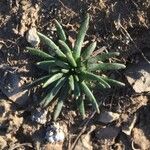
Lewisia rediviva
Bitter-root · Mo'ôtáa-heséeo'ôtse · Oregon bitter-root · Oregon bitterroot · Southern lewisia
Description
Source: leafsnapBitterroot (Lewisia rediviva) is a small perennial herb in the family Montiaceae. Its specific epithet rediviva ("revived, reborn") refers to its ability to regenerate from dry and seemingly dead roots.The genus Lewisia was moved in 2009 from the purslane family (Portulacaceae) with adoption of the APG III system, which established the family Montiaceae.
Care Guide
💧 Water
Bitterroot, a plant native to arid regions, is highly drought-tolerant and requires minimal watering, typically only needing irrigation once a week. It thrives outdoors and is perfect for rock gardens that offer good drainage. Furthermore, bitterroot is well-suited for rocky or sandy soils that do not retain excessive water.
How frequently do I need to water my Bitterroot?
Bitterroot needs a lot of water during the growing season. To ensure it gets enough, you should water it regularly in the spring and summer. In the beginning, watering once or twice a week is enough. As the season goes on, increase the frequency to twice a day or more during summer. Once the Bitterroot has finished its main growth phases, reduce watering to once a week until the growing season ends.
How should I water my Bitterroot plant?
The Bitterroot has specific preferences when it comes to receiving water. It cares about how you water it, as using the wrong technique can harm your tomatoes. The best way to water Bitterroot is to apply the water directly to the soil in a slow and gentle manner. Avoid pouring all the water into the soil at once or using overhead watering. While watering slowly, make sure to water deeply to ensure sufficient moisture for the soil where your Bitterroot grows.
What should I do if I give my Bitterroot plant too much water or too little water?
If you have overwatered your Bitterroot and are worried about disease, it's important to act quickly. The best solution is to remove the plant from its current location and let its roots dry a bit before replanting in soil with good drainage. If you grow it in a pot, consider using one with more or larger drainage holes. On the other hand, if you have underwatered your Bitterroot, simply increase the frequency of watering.
How much water does my Bitterroot plant need?
Bitterroot plants are highly popular among gardeners, both professional and amateur. As a result, we have gained a good understanding of how to care for them. One specific aspect of caring for Bitterroot plants is knowing how much water they need. On average, Bitterroot plants require about 1 - 1.5 inches of water per week, which should be evenly spread out during your weekly watering routine. During hotter weather, you may need to increase the amount of water to meet their needs, but generally, providing around two inches of water per week is a good starting point.
How can I know if I'm giving my Bitterroot plant enough water?
Both underwatering and overwatering can be problematic for your Bitterroot plant, and they can exhibit similar symptoms. For instance, both lack of water and excessive water can cause discoloration and wilting of the foliage. When the Bitterroot is underwatered, its leaves will initially curl and droop, with decreased overall vitality. This insufficient watering can also result in stunted growth and poor development, as this plant requires ample water. On the other hand, overwatering is more prone to causing diseases, such as rot, and can give rise to unpleasant odors emanating from the soil. Symptoms of underwatering tend to appear more quickly than those of overwatering. Additionally, overwatering can be observed through soil conditions, particularly if there is excessive standing water or waterlogged soil.
☀️ Light Full sun
Bitterroot does best with a plentiful amount of sunlight for optimal growth but can still survive with less light. Excessive shading can impede its development. Originating from areas with abundant sunshine, it is adapted to strong illumination. Too much shade can stunt its growth, while too much sun usually does not harm it.
What are the sun requirements for Bitterroot?
Bitterroot thrives under conditions that offer generous sun exposure, requiring more than 6 hours of sunlight (full sun) for optimal growth, while still being able to survive with about 3-6 hours of sunlight (partial sun). Despite its preference for abundant sunlight, typical of its native environments, Bitterroot can adapt to varying light conditions. Excessive shade may hinder its growth, but it's unlikely to be damaged by too much sun. It's advised to monitor the movement of sunlight in your garden to find the perfect balance of light and shade for the plants.
How does artificial lighting affect Bitterroot's growth indoors?
For indoor Bitterroot plants, adequate lighting is essential, especially when natural sunlight is insufficient, such as during winter or in less sunny spaces. Artificial lights, like LED lights which can be tailored to provide specific wavelengths of light, serve as an effective solution. The recommended artificial light intensity is 30-50W/sq ft for full sun plants, 20-30W/sq ft for partial sun plants, and 10-20W/sq ft for full shade plants. The light source should be placed 12-36 inches above the plant, simulating natural sunlight conditions, and provided for 8-12 hours per day.
What symptoms indicate Bitterroot is not receiving enough light?
Bitterroot showing symptoms of light deficiency may have smaller new leaves, leggy or sparse growth, and experience faster leaf drop. It may also showcase slower or halted growth, develop lighter-colored or irregularly patterned new leaves, and suffer from conditions like chlorosis, sunscald, leaf curling, wilting, and leaf scorching. These symptoms highlight the plant's struggle in adapting to inadequate light conditions, affecting its ability to photosynthesize effectively and maintain good health.
How can I manage sunlight exposure for healthier Bitterroot growth?
To promote healthier growth of Bitterroot, gradually increasing sunlight exposure is key. For indoor plants, moving them to a sunnier location each week until they receive at least 6 hours of direct sunlight daily, utilizing a south-facing window, and considering the use of artificial lights are effective strategies. For outdoor plants, identifying and reducing sunlight obstructions, such as pruning blocking branches or relocating the plant to sunnier spots, can significantly improve light access. It's important to make these changes gradually to prevent shock from sudden light intensity changes. Note that parts of the plant already affected by insufficient light may not recover, but new growth should be healthy with improved light conditions.
🌡️ Temperature 5–32.2°C
Bitterroot is native to temperate regions where temperatures range from 41 to 89.6 °F (5 to 32 ℃). It does best in cooler conditions, particularly during winter. In extreme temperatures, cover its base with a mulch to provide insulation.
What is the native climate for Bitterroot and how should it be cared for in extreme temperatures?
Bitterroot is native to temperate climates and thrives best in temperatures ranging from 41 to 89.6°F (5 to 32°C). It favors cooler conditions, especially during winter. To protect Bitterroot in extreme temperatures, its base should be covered with mulch for insulation. In colder climates, ensuring the temperature stays above 5°C during winter cultivation is crucial for the plant's growth, and precautions should be taken to keep the temperature above the freezing point to avoid freezing damage. If the outdoor temperature nears -5°C (25°F) in winter, it's advisable to bring the plant indoors or protect it by setting up a temporary greenhouse or using plastic film or fabric to wrap the plant.
What are the symptoms and solutions for Bitterroot when exposed to low temperatures?
Bitterroot has a moderate tolerance to low temperatures and performs best when the temperature is kept between 5°C and 32°C. During winter, the temperature should not drop below -25°C. Exposure to temperatures below -30°C can darken the leaves, and in severe cases, lead to water-soaked necrosis, wilting, drooping, and the leaves gradually turning brown. The solution for frost damage involves trimming away the frost-damaged parts and immediately moving the plant to a warm environment indoors or setting up a makeshift greenhouse. Placing the plant near a south-facing window ensures ample sunlight, and if natural light is insufficient, supplemental lighting can be used.
How does Bitterroot react to high temperatures, and what are the corrective measures?
In high temperatures, particularly above 32°C, Bitterroot's growth can slow down, and its leaves may become lighter and susceptible to sunburn. It is advisable to keep the plant below 32°C during summer. If the temperature exceeds 35°C, the corrective measures include trimming away the sunburned and dried parts of the plant and relocating it to a shaded area to avoid the afternoon sun. Additionally, watering the plant in the morning and evening can help keep the soil moist and reduce the risk of sunburn.
💨 Humidity normal (40-60%)
This plant will thrive in moderate humidity, which is probably the level in your home. However, misting it a few times a week can be very beneficial. Make sure the room has good ventilation.
🪴 Soil 6-7
🌱 Fertilizer Every 45 days
Bitterroot species benefit from one or two applications of organic natural fertilizers containing potassium and phosphorus. Apply the fertilizer before planting, mix it into the soil and water thoroughly. One application is normally enough, but a second can be applied once seedlings have become established. Avoid using excessive fertilizer to prevent damage to the plants.
Why is it important to put fertilizer on my Bitterroot plant?
Bitterroot is known for its fast growth and its ability to produce delicious root vegetables. In addition to sunlight, oxygen, and water, Bitterroot species also need nutrients to thrive and grow roots. Usually, these nutrients can be found in garden soil due to the decomposition of organic matter. However, there are instances where the soil may not contain enough nutrients to support healthy Bitterroot growth. In such cases, fertilizer can be used to give the Bitterroot the boost it needs.
When should I fertilize my Bitterroot?
To prepare your soil for planting, apply natural fertilizer. There is no specific deadline, but make sure you have enough time to mix the fertilizer into the soil and water it thoroughly before planting seeds or seedlings. Typically, one application of fertilizer is sufficient to help Bitterroot plants thrive all season. However, if desired, you can apply an additional dose once the seedlings have established to enhance their yield. Take caution not to overdo it with the fertilizer, as this may harm the plants.
When is the best time to not add fertilizer to my Bitterroot plant?
To ensure effective fertilization, remember to avoid applying fertilizer when the soil is dry. After fertilizing, make sure to water your plants thoroughly as this helps deliver the nutrients properly. If you prioritize the growth of foliage over the root crops, then high-nitrogen fertilizers might be suitable for you. However, take care not to let fertilizer come into contact with the base of the plant, leaves, or stems as it can potentially damage them.
What kind of fertilizer does my Bitterroot plant need?
Many people grow Bitterroot for the roots, but the foliage can also be eaten. To promote a healthy root system, use a fertilizer with more phosphate and potassium compared to nitrogen. Natural options like bone meal and kelp work well, but chemical fertilizers can also be used. Just avoid fertilizers with high nitrogen content, as it's not as important for this vegetable. To determine the best fertilizer for Bitterroot, test the soil in your garden area. This will identify the necessary nutrients, as well as density and pH level, which all contribute to successful growth. So, it's important to consider the overall health of the soil.
How can I fertilize my Bitterroot plant?
To fertilize Bitterroot, start by adding organic fertilizer like bone meal or kelp into the soil before planting. If you need to fertilize during the season, use compost or well-rotted manure as mulch around the plant, keeping it away from the base. This will gradually release nutrients to the roots. For liquid fertilizers, dilute according to the instructions and spray around the Bitterroot without splashing the plant. Granular fertilizers can be sprinkled around the base or between rows, or lightly mixed into the top soil layer to prevent them from being washed or blown away.
🪴 Pot & Repot 2-3 years
Repot your bitterroot plant every 2 to 3 years during the spring. Use a shallow, wide pot with excellent drainage, and fill it with gritty soil. When handling the plant, be gentle with its fleshy taproot. After repotting, be careful not to overwater the plant and make sure it receives bright light to support optimal growth.
✂️ Pruning
The Bitterroot plant is known for its succulent leaves and vibrant pink flowers, and it requires minimal pruning. To promote healthy growth, trim any dead or damaged foliage in early spring. By performing light maintenance, you can preserve the plant's natural shape, encourage blooming, and prevent disease, resulting in a vibrant and stunning display.
🌿 Propagating
🐛 Diseases & pets
☠️ Toxicity
Characteristics
- Plant Type
- Herb
- Life Cycle
- Perennial
- Genus
- Lewisia
- Family
- Montiaceae
- Hardiness Zone
- 4-8
- Mature Height
- 3 cm to 8 cm
- Mature Spread
- 5 cm
- Leaf Color
- Green, Dark Green
- Leaf Type
- Deciduous
- Flower Color
- Pink, White
- Flower Size
- 5.08 cm
- Bloom Time
- Mid spring, Late spring
- Planting Time
- Spring, Summer
- Harvest Time
- Early summer, Mid summer