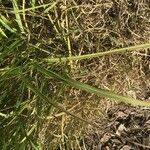
Leymus arenarius
ليموس اريناريوس (ARZ) · European dune grass · Lyme grass · Rancheria grass · Sea lyme grass
Description
Source: leafsnapLeymus arenarius is a psammophilic (sand-loving) species of grass in the family Poaceae, native to the coasts of Atlantic and Northern Europe. Leymus arenarius is commonly known as sand ryegrass, sea lyme grass, or simply lyme grass.
Care Guide
💧 Water
Lyme grass, native to sandy coastal soils, thrives with moderate moisture and benefits from weekly watering. Its robust root system efficiently extracts water during dry spells, making it an excellent choice for xeriscaping or beachside gardens. Additionally, lyme grass is well-adapted to prevent saltwater saturation.
What should I do if I give my Lyme grass too much or too little water?
Proper watering is essential for this beautiful ornamental grass to thrive. If the grass is planted in the ground, any watering issues can be resolved easily. However, if it is in a container, too much or too little water can quickly kill the Lyme grass. Insufficient water can cause the grass to stop growing, leading to drooping leaves, weak seed head production, and browning. Overwatering can be identified by yellow leaves with brown tips. If you suspect improper watering, the first step is to determine if the problem is excessive or inadequate water. In the case of overwatering, immediately stop watering and allow the heavy soils to dry out, which may take some time. Once new growth appears, test the soil for moisture to determine if more water is necessary. On the other hand, if the grass is receiving too little watering, a deep drink of water may help revitalize it. Remember, it is always better to water deeply and infrequently as this encourages the growth of deep roots, making the grass more resistant to drought and less susceptible to watering-related problems.
How many times should I water my Lyme grass?
The watering needs of Lyme grass vary depending on its location. In general, watering this grass once a week is recommended. However, in hot climates, watering it once or twice a week during the summer may be necessary. In moderate climates, watering once every seven days or more should suffice. Grass in containers typically requires more frequent watering compared to grass planted in the ground. Additionally, the location of the grass is also a factor. Lyme grass that is in shade requires less frequent watering compared to grass planted in the ground. It's best to water Lyme grass only when the soil is dry. There are a few signs to look for to determine if the soil is dry enough to water. For instance, pressing your finger a couple of inches into the soil can help you assess its moisture level. If you have potted grass, you can weigh the grass with a portable scale or simply feel the pot to determine if it is light due to lack of water. When the roots lack sufficient water, the grass blades may appear folded along their centers and thinner than usual. Although Lyme grass is drought-tolerant, regular and deep watering will result in a beautiful color. In its natural habitat, Lyme grass grows in open scrubland, facing extreme heat, bright sun, and intermittent rain. Despite its drought resistance, it still requires care and attention. Although this hardy grass can handle harsh and dry conditions, gardeners agree that it thrives best with consistent watering. When first planted, Lyme grass needs more frequent watering until its roots have established deep into the soil. For potted Lyme grass, the soil tends to dry out quickly, especially if the pot is exposed to hot, direct sunlight for a significant portion of the day. It is recommended to test the soil every 3 to 4 days and water only when it feels dry. Lyme grass planted in the ground generally requires less watering, though this depends on the type of soil it is grown in. Heavy clay soil tends to hold water for longer periods and may feel dry on the surface while retaining sufficient moisture below ground. On the other hand, sandy soils that drain quickly will likely need more frequent watering.
What do I need to watch out for when watering my Lyme grass in different seasons, climates, or during different periods of growth?
To determine if you are watering enough, observe the rate of growth of your grasses. Lyme grass tends to double in size during the hottest months of the year. If the weather is hot but the grass is not growing vigorously, you may need to adjust your watering schedule. In winter, watering once a month may be sufficient, but check the soil for moisture. During the growth cycle in warmer months, the grass will require more water than usual. However, in winter and cooler months, the need for water will significantly decrease. It is crucial to remember that the soil in which Lyme grass is planted should always be allowed to completely dry out before watering.
☀️ Light Full sun
Lyme grass requires ample light for best growth, though it can tolerate some shaded spots. Its typical coastal habitat demonstrates its ability to handle different light levels. However, too little sunlight may impede its development, while too much can potentially scorch its leaves.
What are the sunlight requirements for Lyme Grass?
Lyme grass, or Leymus arenarius, thrives under specific sunlight conditions. It requires full sun, which means it needs above 6 hours of direct sunlight daily, although it can also grow in partial sun, receiving about 3-6 hours of sunlight. It is essential to observe the movement of sunlight through your garden to find spots that offer the right balance of light and shade, which is crucial for the plant's health.
What are the essential growth conditions for Lyme Grass?
Lyme grass flourishes in environments with abundant light, characteristic of its native coastal ecosystems, proving its adaptability to varying light intensities. However, insufficient sunlight can impede its growth, while too much exposure can cause leaf scorch. If natural light is not enough, especially during winter or in darker spaces, artificial lighting can be a great alternative. LEDs are recommended for indoor plants, with full sun plants needing 30-50W/sq ft, partial sun plants 20-30W/sq ft, and full shade plants 10-20W/sq ft. The light source should be placed 12-36 inches above the plant for 8-12 hours per day to mimic natural sunlight conditions.
What are the key symptoms of inadequate or excessive sunlight in Lyme Grass?
When Lyme grass does not receive adequate sunlight, it may exhibit symptoms such as small and sparse new leaves, longer spaces between the leaves or stems, faster leaf drop, slower or halted growth, lighter-colored new leaves due to insufficient chlorophyll, and overall weak appearance. Excessive sunlight exposure can lead to chlorosis, where leaves turn yellow, sunscald characterized by pale or necrotic patches on the plant, leaf curling as a defense against sunlight, wilting due to loss of water, and leaf scorching appearing as brown, dry edges or patches on leaves.
How can you address the symptoms of inadequate or excessive sunlight for Lyme Grass?
To mitigate the symptoms caused by inadequate or excessive sunlight, start by gradually moving your Lyme grass to a location with the optimal amount of sunlight, ideally at least 6 hours of direct sunlight for indoor plants. For outdoor plants, ensure a gradual transition to prevent sunburn. If natural sunlight is insufficient, use artificial lighting, keeping it on for at least 8 hours a day. You may also need to minimize obstructions like trees by pruning to increase sunlight penetration. For smaller plants, consider transplanting during their dormant period to a brighter location with proper drainage. It's important to note that parts of the plant already affected might not recover, but new growth after adjusting light exposure should be healthy.
🌡️ Temperature 5–35°C
Lyme grass is a plant well adapted to temperate regions, doing best when temperatures range from 41 to 95 °F (5 to 35 ℃). Since it prefers cooler conditions, summer heatwaves can stress it; therefore providing shade and water during hot periods is recommended.
What is Lyme grass and where does it thrive?
Lyme grass, known botanically as Leymus arenarius, is a plant that excels in temperate climates. It thrives best when temperatures range from 41 to 95 °F (5 to 35 °C). Ideally suited to cooler environments, Lyme grass can experience stress during summer heatwaves. In such cases, providing shade and water is recommended to keep the plant healthy. Despite its strong resistance to cold, special precautions should be taken if winter temperatures are expected to drop below -25°C by covering the plant with soil or straw.
How does Lyme grass react to low temperatures?
Lyme grass is notably cold-tolerant, performing optimally when temperatures are above 5°C. Despite its resilience, if winter temperatures drop below -20°C, it's advised to keep the plant protected. A significant concern arises when temperatures fall below -25°C, as this could lead to a lack of sprouting in spring or even no sprouting at all. In spring, removing any parts of the plant that have failed to sprout can help manage this issue.
What should be done if Lyme grass experiences high temperatures?
During the summer, it is crucial to ensure that Lyme grass does not exceed temperatures of 35°C. Exposure to temperatures above 38°C can result in the leaves of Lyme grass becoming lighter, curling, suffering from sunburn, or, in severe cases, the plant may wilt and dry out entirely. To mitigate these effects, removing sunburned and dried parts, relocating the plant to shaded areas during midday and afternoon, or using a shade cloth can be beneficial. Additionally, watering the plant in both the morning and evening will help keep the soil moist and the plant healthy.
💨 Humidity
🪴 Soil 5-7
🌱 Fertilizer
Lyme grass needs extra nutrients to encourage healthy new growth. In spring, adding some compost around the plant's base will effectively supply the nutrition it requires. Fertilizing supports vigorous growth and helps the plant withstand diseases and pests.
🪴 Pot & Repot Every 12 months
✂️ Pruning
Lyme grass flourishes in sandy soil and is known for its tall, bluish-green leaves. To encourage strong growth, prune the plant in early spring. Start by cutting back any dead stems and removing any damaged parts. This process rejuvenates the plant, improves its appearance, and prevents overcrowding. Be sure to use clean, sharp tools for precise cuts, which will minimize stress on the plant.
🌿 Propagating
🐛 Diseases & pets
☠️ Toxicity
Characteristics
- Plant Type
- Grass
- Life Cycle
- Perennial
- Genus
- Leymus
- Family
- Poaceae
- Hardiness Zone
- 5-9
- Mature Height
- 0.61 m to 1.22 m
- Mature Spread
- 61 cm to 91 cm
- Leaf Color
- Blue, Gray, Silver, Green
- Leaf Type
- Evergreen
- Flower Color
- Yellow, Green, Blue, Cream, Silver
- Bloom Time
- Early summer, Mid summer
- Planting Time
- Spring, Summer, Autumn
- Harvest Time
- Late summer, Early fall
- Native Area
- Russia, Lithuania, Norway, Germany, Sweden, Denmark, Iceland, Finland, Estonia, France, Ireland, United Kingdom, Greece, Latvia, Belgium, Belarus, Netherlands