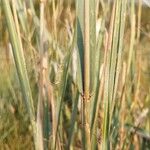
Leymus mollis
American dune grass · Sea lyme grass · Strand grass · American Ryegrass · Sea Wheatgrass
Description
Source: leafsnapLeymus mollis, commonly known as American dune grass or wild rye, is a perennial grass species native to the western coast of North America. It typically grows in coastal sand dunes and other sandy habitats but can also be found in meadows and along roadsides. This plant has a clumping growth habit with long, narrow, bluish-green leaves. During the summer months, it produces tall flower spikes that can reach up to 6 feet in height. The flowers are small, inconspicuous, and have a purplish hue. Leymus mollis plays a crucial role in stabilizing sand dunes along coastal areas. Its extensive root system helps prevent erosion caused by wind and water. Additionally, it provides habitat for various wildlife, including birds, insects, and small mammals. Indigenous peoples have used Leymus mollis for various purposes. They have woven baskets and mats from its leaves and used it medicinally to treat ailments such as fever and stomach issues. Overall, Leymus mollis is an essential ecological component of coastal ecosystems on the western coast of North America. Its ability to stabilize sandy habitats and provide shelter for wildlife underscores its importance.
🎭 Psychic abilities, protection. It represents food, concealment and resilience.
Care Guide
💧 Water Every 7 days
American Dune Grass thrives in coastal sand dunes, expertly adapting to saline spray and shifting substrates with occasional rainfall. While it prefers moderate moisture, it does require weekly watering. This plant grows outdoors and spreads through rhizomes, helping to stabilize sandy soils and contribute to dune ecosystems. Its ability to spread reflects its watering needs.
How should I water my American Dune Grass the right way?
To properly water the American Dune Grass, it is recommended to use filtered water at room temperature. Tap water may contain harmful particles, so filtered water is preferable. Since the plant is native to warm environments, it is best to avoid using cold water, which could potentially shock it. Another important tip is to refrain from watering the plant overhead, as this can lead to leaf-related issues. Instead, it is recommended to thoroughly soak the soil with filtered room temperature water. This promotes root moisture and enables the roots to expand and gather essential nutrients from the soil.
What do I do if I give my American Dune Grass too much or too little water?
Overwatering is a common issue for American Dune Grass and can cause wilting, yellowing leaves, and various diseases. Root rot, mold, and mildew can develop if overwatering is prolonged, potentially killing the plant. Underwatering is less common as this plant is fairly drought-tolerant. However, it can still occur and result in brittle, brown leaves. To prevent overwatering, it is important to recognize the signs early and reduce watering immediately. Additionally, if the soil drains poorly, it should be replaced with a well-draining potting mix. For underwatering, simply water more regularly until the signs improve.
How many times a week should I water my American Dune Grass?
If your American Dune Grass is in a pot, the best way to determine if it needs water is by checking the soil with your finger. If the top two to three inches of soil are dry, it's time to water. If you have it planted in the ground outdoors, you can use the same method. Once the first few inches of soil have dried out, it's time to water. In the spring and early fall, watering once a week is usually enough. However, during extremely hot weather, you may need to water twice a week or more. However, mature and well-established American Dune Grass can tolerate drought well.
How much water does my American Dune Grass need? How often should I water my American Dune Grass?
When watering your American Dune Grass, don't hold back on the amount of water you give. Make sure the top two to three inches of soil are dry before watering, and give the plant a good, thorough soaking. The water should completely saturate the soil and cause excess water to drain through the pot's drainage holes. If you don't see water draining from the pot, it means you haven't watered enough. However, be careful not to let the water accumulate in the soil, as this can harm the plant. On the other hand, if water doesn't drain well through the pot, it means the soil doesn't drain properly, which is bad for the plant's health. If the plant is outside, it should receive about 1 inch of rain per week, which will be enough.
How should I water my American Dune Grass as it grows?
The water needs of the American Dune Grass can vary depending on its growth stages. When the grass is new or recently transplanted, it requires more water because it is focused on developing its root system. These roots need extra moisture to support future growth. However, as the grass becomes more established over a few seasons, it will require less water. Another stage that requires increased watering is during the bloom period, as the plant uses a significant amount of moisture for flower development.
☀️ Light Full sun
American Dune Grass thrives in places where sunlight drenches it generously throughout the day. Although its native habitat reflects this condition, the absence of such intense light does not prevent it from developing. Still, too much or too little exposure can impact its health and growth rate.
What happens if American Dune Grass doesn't get enough sunlight?
If your American Dune Grass isn't receiving sufficient sunlight, you'll see signs of inadequate conditions. The plants won't produce as many blooms as they would in full sun. Some plants may develop dry spots on their leaves, but they will still manage to bloom. However, the flowers will be smaller and less abundant.
What kind of sunlight does American Dune Grass require?
American Dune Grass thrives in full sun and requires at least six hours of sunlight daily for optimal leaf, root, and bloom health. While many perennials also need six hours of sunlight a day, plants such as the Orange Daylily or Giant Coreopsis can tolerate a minimum of three hours of sunlight daily. However, it's important to note that while these perennial flowering plants can survive with just three hours of direct sunlight, they won't thrive as well as they would in sunnier conditions.
Can the sun harm American Dune Grass? How can we shield American Dune Grass from the sun and heat damage?
In warm climates, some Perennial Flowering Plants may struggle with excessive heat and suffer from sun damage. They can wilt, dry out, or even experience growth problems if they are consistently exposed to the intense afternoon sun. However, not all plants require protection from the light afternoon sun. For those that are harmed by intense afternoon exposure, it is recommended to provide them with some shade in warmer climates. Gardeners can achieve this by planting these plants in areas that do not receive direct heat during the afternoon, such as under trees or behind bushes.
Should I prevent American Dune Grass from getting too much sun?
Certain perennial plants require ample sunlight to reach their maximum bloom. However, in warmer climates, some of these plants actually benefit from less sun. For instance, individuals residing in hotter regions might find it beneficial to shade their flowering perennials during the intense afternoon sun, especially during summer months. Although many perennial flowering plants prefer partial shade in the hottest climates, there are exceptions. Take the Giant Coreopsis, for example, as it is not bothered by excessive sun exposure. These plants can flourish even when placed in the full sun during scorching weather.
Does American Dune Grass require specific sunlight requirements at different stages of growth?
American Dune Grass is a wonderful flower for gardens. For optimal blooming, it requires at least six hours of sunlight per day. However, to prolong the freshness of the flowers, it can be beneficial to provide some shade during the hottest parts of the day. When the grass is young, it is important to ensure that it receives ample sunlight without being exposed to intense afternoon heat. On the other hand, a fully mature plant should be given plenty of sun to promote healthy growth.
🌡️ Temperature 0–32.2°C
American Dune Grass is native to regions with temperatures ranging from 32 to 90°F (0 to 32℃). The plant thrives within this range but can tolerate minor deviations. For optimal growth, keep conditions within these temperatures, adjusting during extreme seasons if necessary.
What temperature is best for American Dune Grass?
The temperature requirements for American Dune Grass vary depending on the time of year. There are two main seasons to consider: the growing season and the dormancy season. During the growing season, which is when the grass starts to sprout, the ideal temperature range is between 65 to 80℉ (18-27℃). If the temperature drops below 15℉ (-10℃), the grass may suffer and its leaves may turn brown and wilt. However, if it's just a short cold snap, the grass might be able to survive with some assistance. On the other hand, during the warmer parts of the year, the grass needs protection from temperatures that are too high. The upper limit for this plant's temperature range is 95-105℉ (35-40℃). Anything above that can harm the leaves and blooms of the grass, leading to wilting, drooping, and even sunburn. Recovering from such damage can be challenging for American Dune Grass. Luckily, there are various quick and easy methods to combat this issue.
The temperature needed for new American Dune Grass plants.
During the coldest months of the year, if you have just planted American Dune Grass outside for the first time, it may require extra care. Frost can cause significant damage to the grass and prevent it from growing back healthy in the spring. To keep the grass healthy and ensure its survival during this time, you can either bring it inside for a month or two, or use mulch or fabric barriers to protect it from frost damage. In the first year or two, it's recommended to plant the grass in a shadier spot as smaller and weaker plants struggle to regulate their temperature in hot weather. Limiting direct sunlight to no more than five hours a day, especially when temperatures exceed 80℉, and using shadecloth and regular watering or misting will help control heat during the summer.
How can I keep American Dune Grass safe in really hot or cold weather?
If temperatures drop below 15℉(-10℃) during the growing season, there are steps you can take to protect American Dune Grass from frost or cold damage. If you have American Dune Grass in a container, simply bring it inside where it can receive bright, indirect light until temperatures rise above the lower threshold again. For American Dune Grass planted in the ground, you can use mulch or horticultural fabric to create a protective barrier against frost and cold wind. In hotter temperatures exceeding 80℉(27℃) in the shade during the day, be cautious about exposing American Dune Grass to more than six hours of sunlight per day, preferably in the morning. Setting up shade cloth or a fine plastic mesh can help reduce direct sunlight during the hottest parts of the day. Additionally, installing a misting system around the base of the plant can release cooling mist throughout the day to lower ground temperatures.
The preferred temperatures for American Dune Grass during the inactive season.
American Dune Grass requires a certain amount of cold during winter to remain dormant until it's time to sprout. It's important for the grass not to sprout too early before the last frost, as this can be deadly, particularly if it has already sprouted and a frost occurs. Ideally, winter temperatures should be below 32℉ (0℃), but temperatures up to 40℉ (5℃) are also acceptable. However, in more temperate climates like woodland rainforests, there may be unexpected warm spells that cause premature sprouting of the grass. In such cases, if there's still a risk of frost, it's recommended to cover the sprout with clear plastic on stakes to protect it from the cold. This covering can be removed once the frost danger has passed. While sometimes the grass will naturally sprout at the right time, using this method increases the likelihood of successful second sprouting.
💨 Humidity
🪴 Soil 6-8
🌱 Fertilizer
A single fertilizer application in spring is typically enough for American Dune Grass, though multiple feedings can maximize growth. Apply it about once a month to once every month and a half. Fertilization improves the leaves' appearance and function, helping maintain even color and a healthy texture. It also encourages root development and nutrient uptake, supporting the plant's long-term health.
🪴 Pot & Repot
✂️ Pruning
American dune grass benefits from pruning in early spring. This encourages new growth and helps prevent overgrowth. Regularly removing dead foliage improves air circulation and reduces the risk of disease. These practices not only enhance the plant's health but also its appearance throughout the season. For more care tips, consider consulting reliable sources.
🌿 Propagating
🐛 Diseases & pets
☠️ Toxicity
Characteristics
- Plant Type
- Herb
- Life Cycle
- Perennial
- Genus
- Leymus
- Family
- Poaceae
- Hardiness Zone
- 2-8
- Mature Height
- 1.83 m
- Mature Spread
- 49 cm to 91 cm
- Leaf Color
- Green, Blue, Bronze
- Leaf Type
- Evergreen
- Flower Color
- White, Yellow, Brown
- Flower Size
- 1.02 cm to 1.52 cm
- Bloom Time
- Early summer, Mid summer
- Planting Time
- Spring, Summer, Autumn
- Harvest Time
- Late summer, Early fall