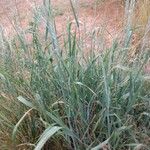
Leymus triticoides
Beardless wild rye · Creeping wild rye · Beardless lymegrass · Beardless wildrye · Creeping lymegrass
Description
Source: leafsnapLeymus triticoides, with the common names creeping wild rye and beardless wild rye, is a species of wild rye. It is native to western North America from British Columbia to California and Texas.
Care Guide
💧 Water
Beardless wildrye thrives in environments with moderate moisture and benefits from consistent hydration without becoming waterlogged. To maintain its vigor, it requires weekly watering that mimics the conditions of its native grassland habitat. As an outdoor plant, beardless wildrye aligns its growth with the seasonal availability of water, effectively using rainfall for its development.
☀️ Light Full sun
Beardless wildrye is a sun-loving, perennial herbaceous plant native to open habitats, commonly found in meadows and grasslands. It prefers full sun but can also tolerate partial sun.
Can Beardless wildrye be harmed by sunlight? How can Beardless wildrye be kept safe from the sun and heat?
In warm climates, some Perennial Flowering Plants may struggle with excessive heat and suffer from sun damage. They can wilt, dry out, or even experience growth problems if they are consistently exposed to the intense afternoon sun. However, not all plants require protection from the light afternoon sun. For those that are harmed by intense afternoon exposure, it is recommended to provide them with some shade in warmer climates. Gardeners can achieve this by planting these plants in areas that do not receive direct heat during the afternoon, such as under trees or behind bushes.
How much light does Beardless wildrye need to make food?
Beardless wildrye requires at least six hours of light to support its photosynthesis cycles. The sun is necessary for the growth of foliage and blooms in these flowering plants. On the other hand, perennial flowering plants like the Giant Coreopsis may need between eight to twelve hours of full sun each day to keep their large flowers and healthy foliage thriving.
🌡️ Temperature 15–37.8°C
Beardless wildrye is a plant that grows best in temperatures from 59 to 100 °F (15 to 38 °C), reflecting its native growing environment. Seasonal adjustments might be required to reproduce this temperature range for optimal growth.
Suggestions for the temperature during the dormant season for Beardless wildrye.
Beardless wildrye needs a certain amount of cold during winter to remain dormant until it's ready to sprout. Sprouting too early, before the last frost, can be fatal to Beardless wildrye, especially if it has already started growing. Ideally, winter temperatures should stay below freezing, but up to 40℉(5℃) is acceptable. However, in more temperate climates like woodland rainforests, unexpected warm spells can cause premature sprouting. If there's still a risk of frost, you can protect the new sprout by covering it with clear plastic on stakes. This cover can be removed when the frost danger is gone. While some Beardless wildrye may naturally resprout at the right time, using this method increases the chances of a successful second sprouting.
💨 Humidity
🪴 Soil 6-7
🌱 Fertilizer
Beardless wildrye benefits from added nutrients to encourage healthy new growth. In spring, spreading compost around the plant's base can effectively supply the nutrition it requires. Fertilizing supports vigorous growth and helps the plant better resist diseases and pests.
🪴 Pot & Repot
✂️ Pruning
Beardless wildrye is a type of perennial grass that grows in dense clusters and spreads through rhizomes, making it excellent for controlling erosion. To promote healthy growth, prune it in early spring by cutting the old stems down to ground level. Regular pruning improves air circulation, reduces the risk of disease, and helps maintain the desired shape in landscaped areas.
🌿 Propagating
🐛 Diseases & pets
☠️ Toxicity
Characteristics
- Plant Type
- Grass
- Life Cycle
- Perennial
- Genus
- Leymus
- Family
- Poaceae
- Hardiness Zone
- 7-11
- Mature Height
- 0.46 m to 1.22 m
- Mature Spread
- 30 cm to 61 cm
- Leaf Color
- Green
- Leaf Type
- Semi-evergreen
- Flower Color
- Yellow, Green, Purple, Brown
- Flower Size
- 20.32 cm
- Bloom Time
- Early summer, Mid summer
- Planting Time
- Spring, Summer, Autumn
- Harvest Time
- Late summer, Early fall
- Native Area
- Mexico