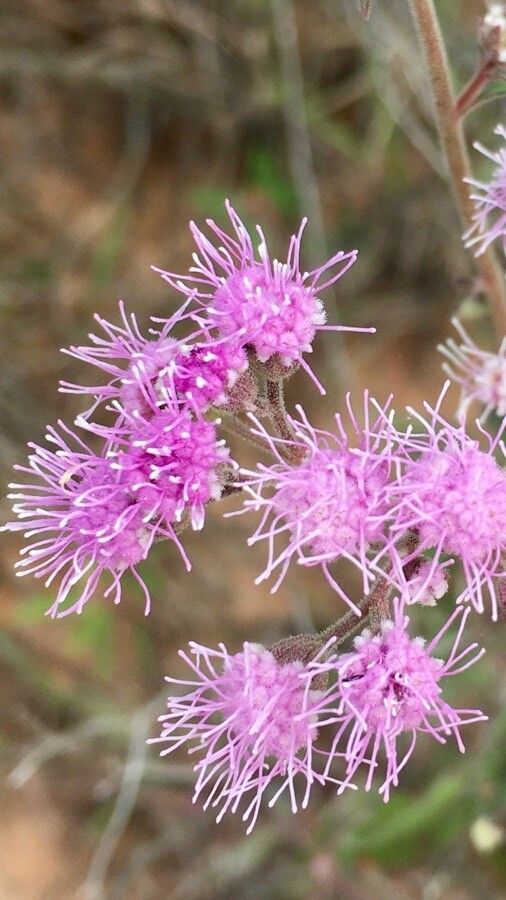
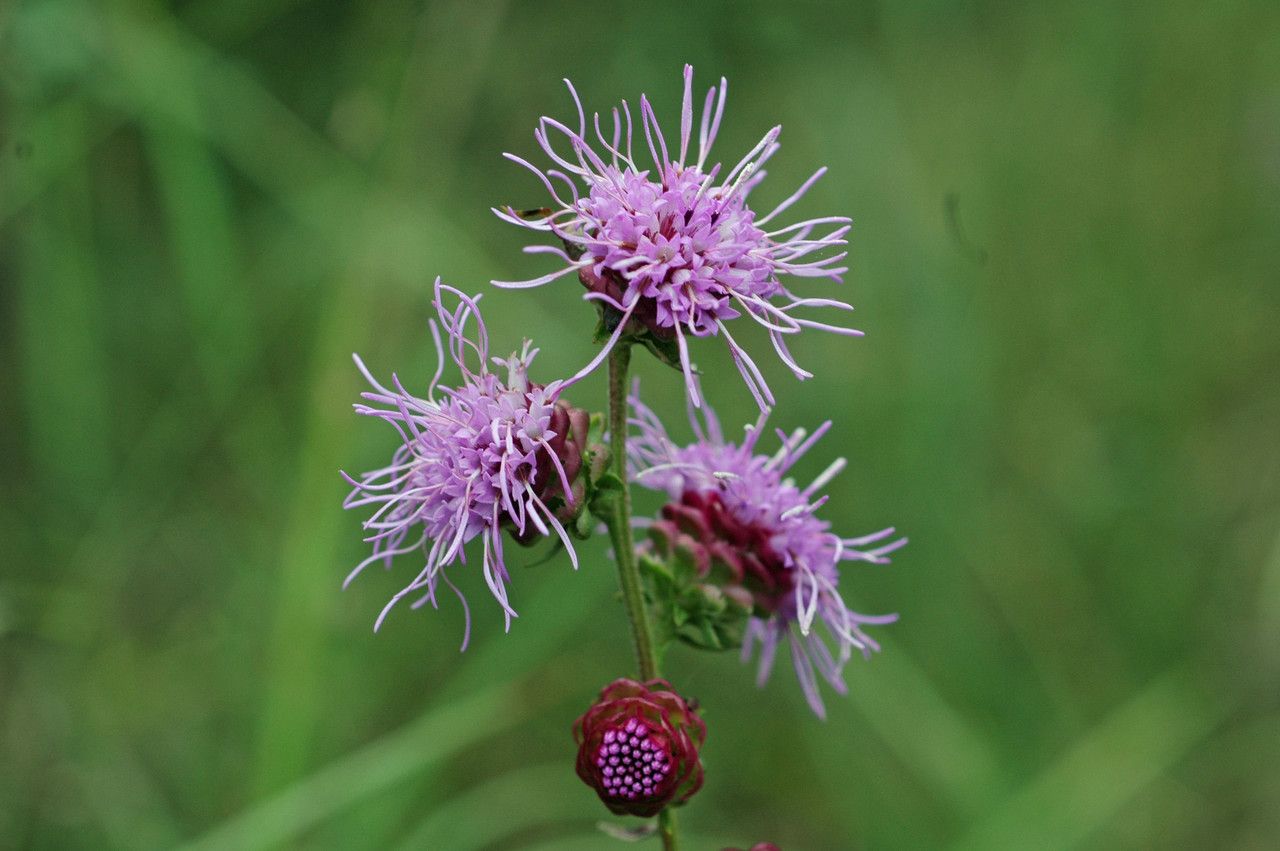
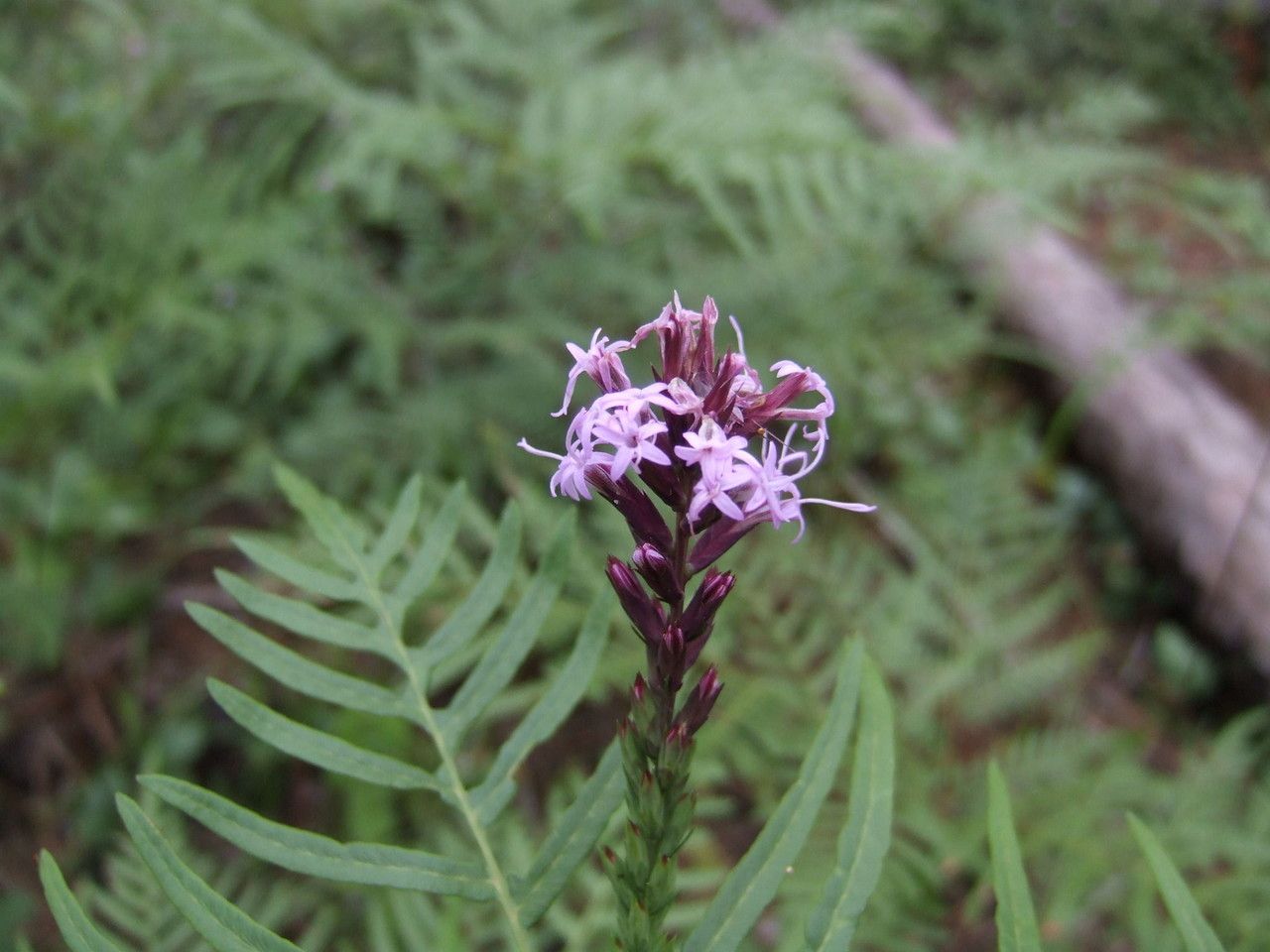
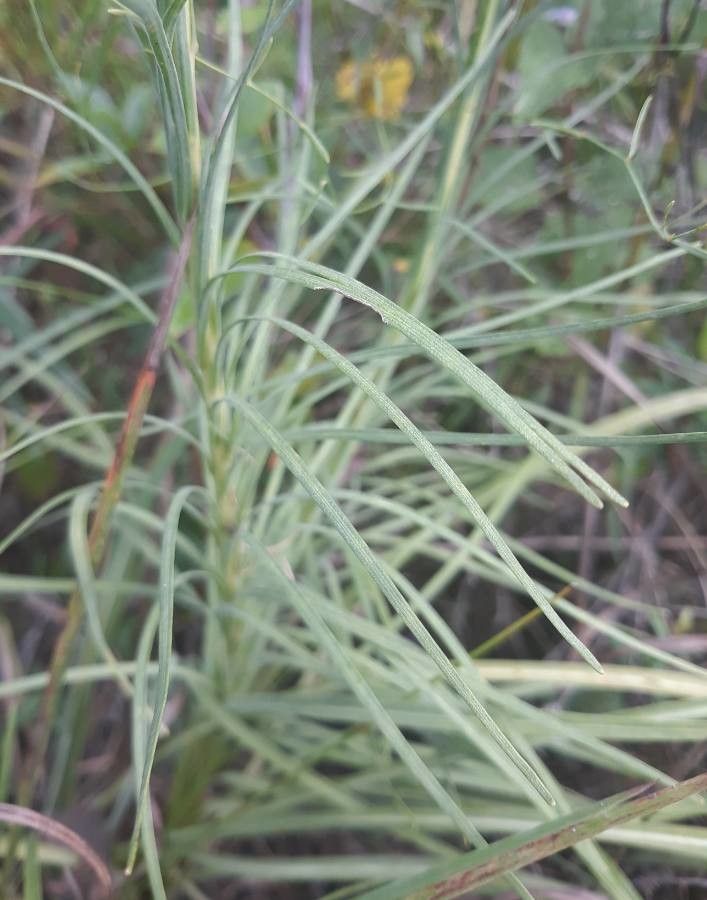
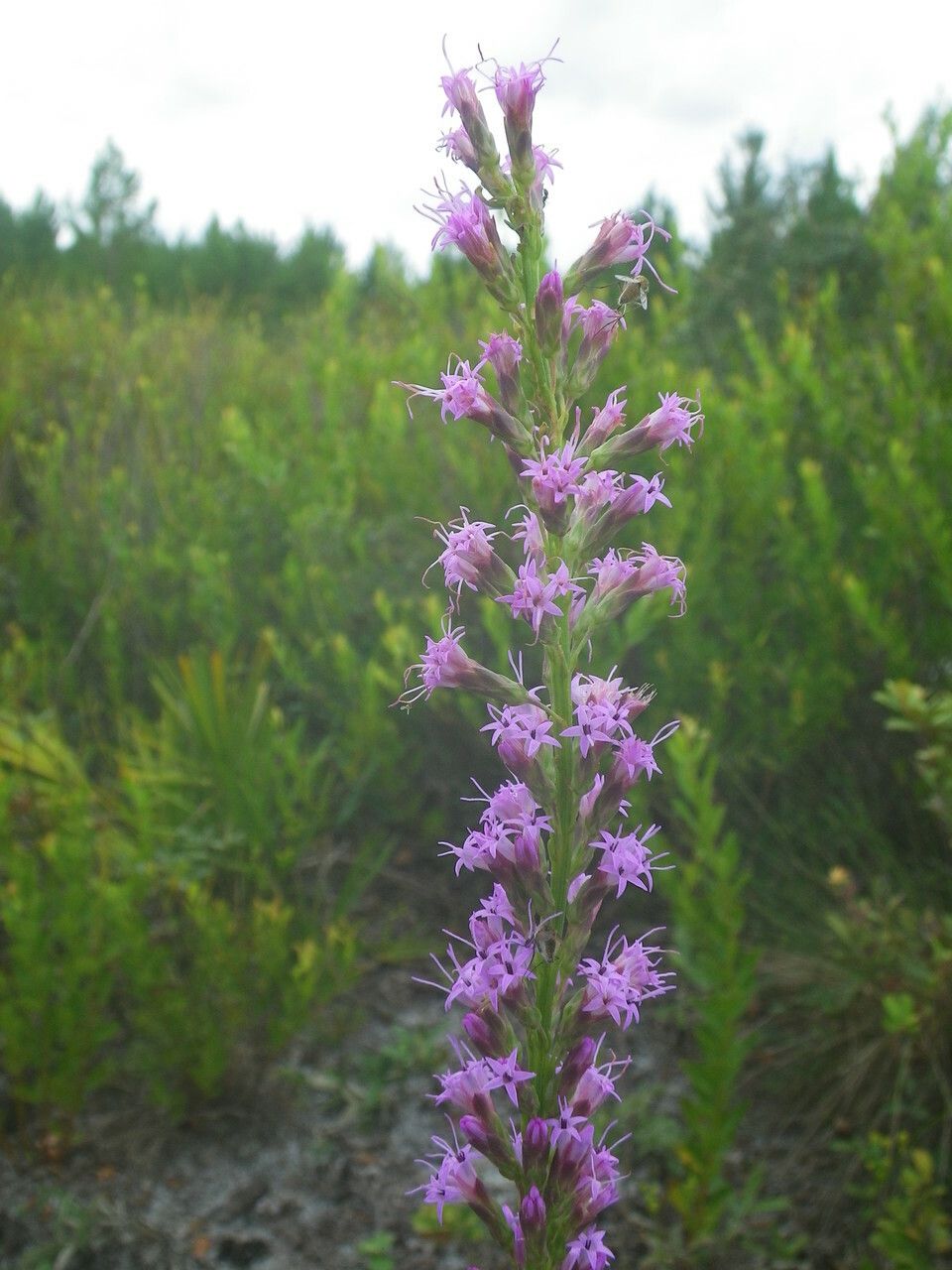
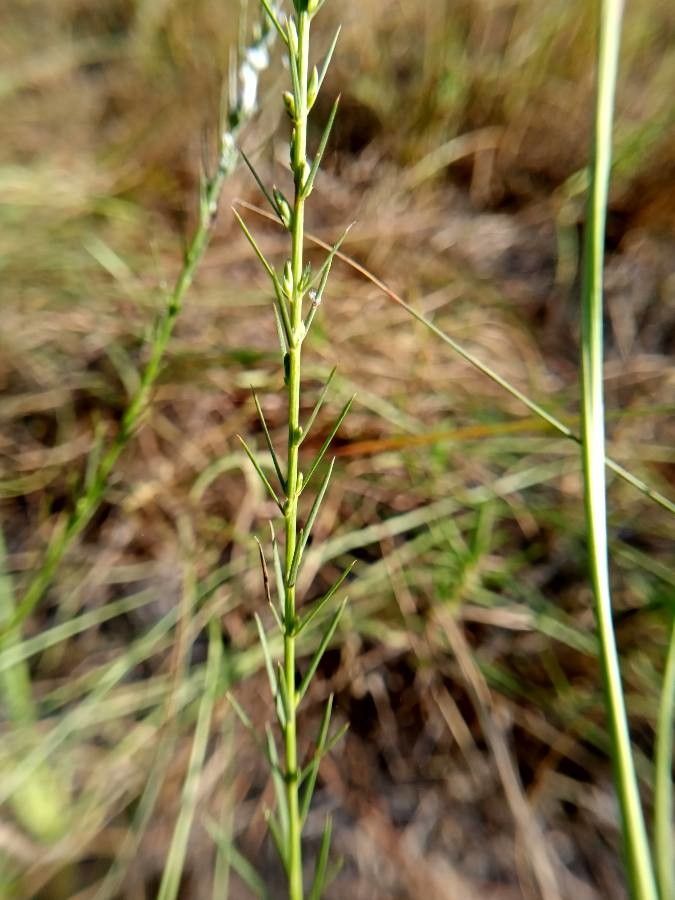
Liatris squarrulosa, commonly called Appalachian blazing star or southern blazingstar, is an herbaceous perennial plant is the family Asteraceae. It is native to the Southeastern United States where it is found in naturally open communities, such as prairies and savannas.It produces purple heads of flowers in late summer through fall.
Appalachian blazing star has strong disease resistance and is generally not vulnerable to illnesses. However, it can be affected by pests and diseases present in its environment. These infections are usually mild. For care, this plant requires moderate maintenance. It should be pruned regularly to preserve its appearance and promote healthy growth. Fertilizing can also help encourage flowering. Appalachian blazing star is suitable for anyone with outdoor space, such as a garden or patio, and does not need extensive care experience. It may require extra attention when grown indoors.
How to keep Liatris Squarrulosa.
Light
The vigorous growth of appalachian blazing star requires plentiful sunlight, similar to the light conditions of its native habitat. This light enables appalachian blazing star to thrive and flower at its best. Greater amounts of sunlight, provided they are not excessive, do not harm the plant. However, insufficient light can negatively affect its growth and flowering.
Water
The Appalachian blazing star, native to the prairies of North America, thrives in well-drained soils and is notably drought-tolerant. For optimal growth, it benefits from weekly watering and can especially thrive when it receives rainwater during its growing season. It's important to balance hydration and drainage to maintain its vigor.
Temperature
Appalachian blazing star is native to environments with temperatures of 41 to 95 °F (5 to 35 ℃). It performs best within this range; adjust care routines to preserve these temperatures through the seasons. Exposure to colder or hotter conditions can cause stress to the plant.
Fertilizer
The best time to fertilize an Appalachian blazing star is in early spring, when it is coming out of dormancy and starting active growth. Fertilization supplies essential nutrients needed for healthy development. Although the Appalachian blazing star has fairly low fertilizer requirements, applying fertilizer annually can boost its survival and encourage stronger, longer-lasting blooms.
Pruning
The Appalachian blazing star boasts tall spikes of vibrant purple flowers and thrives with regular pruning. To encourage healthy growth, remove dead stems in early spring and perform light pruning in late spring to enhance the blooms. Be sure to use clean, sharp tools to prevent disease and promote vigorous growth.
Botanical profile.
- Plant Type
- Herb
- Life Cycle
- Perennial
- Genus
- Liatris
- Family
- Asteraceae
- Hardiness Zone
- 5-9
- Mature Height
- 0.91 m to 1.22 m
- Mature Spread
- 30 cm to 46 cm
- Leaf Color
- Green, Dark Green
- Leaf Type
- Semi-evergreen
- Flower Color
- Purple, Lavender
- Flower Size
- 2.54 cm
- Bloom Time
- Late summer, Early fall, Mid fall
- Planting Time
- Spring, Summer, Autumn
- Harvest Time
- Fall
Other names.
Reader questions.
How do I water my Appalachian blazing star plant during different seasons?
The Appalachian blazing star has its highest water needs during the hottest months of the year, which is typically during the height of summer. Depending on how quickly the soil dries out, you may need to water this plant more than once per week during this time. However, during the winter, the plant enters a dormant phase and requires significantly less water. In fact, you may not need to water it at all during this period. If you choose to water during winter, it should not be done more than once per month, as excessive watering can increase the risk of disease for the Appalachian blazing star.
What are the sun requirements for Appalachian blazing star?
Appalachian blazing star thrives in full sun, requiring more than 6 hours of sunlight to flourish optimally. It can also grow in partial sun, with about 3-6 hours of sunlight. It's crucial to observe your garden's sunlight patterns to ensure your plants get the right balance of light and shade. Ample sun exposure is essential, as it mimics the conditions of the plant's native habitat, contributing to its vigorous growth and bloom. However, ensure the sunlight is not excessive, as a lack of sufficient light can negatively impact the plant's development and flowering.
What is the native temperature range for an Appalachian blazing star?
The Appalachian blazing star, scientifically known as Liatris squarrulosa, thrives in temperatures ranging from 41 to 95°F (5 to 35°C). It is adapted to live within these temperature limits, and care should be adjusted throughout the seasons to maintain this range. Adapting to conditions significantly colder or hotter may cause the plant stress.
How can artificial lighting be used for indoor Appalachian blazing star plants?
For Appalachian blazing star plants indoor, when natural sunlight is lacking, especially in winter or less sunny areas, artificial lights are vital. They promote faster, healthier growth. LED lights are recommended because they can be tailored to provide specific light wavelengths needed by the plants. The amount of artificial light required varies: full sun plants need 30-50W/sq ft, partial sun plants need 20-30W/sq ft, and full shade plants need 10-20W/sq ft. The light source should be placed 12-36 inches above the plant to simulate natural sunlight and should be on for 8-12 hours per day to mimic natural daylight hours.
Does the Appalachian blazing star need frost protection measures in winter?
The Appalachian blazing star has strong cold resistance and usually does not require special frost protection measures during the winter. However, if temperatures are expected to fall below -25°C, it's important to provide protection against the cold. This can be accomplished by covering the plant with soil, straw, or similar materials. Additionally, it is beneficial to water the plant abundantly before the first freeze of autumn to keep the soil moist, which helps in preventing drought and water scarcity during the winter and early spring.
What symptoms indicate insufficient light in Appalachian blazing star?
Insufficient light in Appalachian blazing star leads to several issues: smaller new leaves, leggy or sparse growth, faster leaf drop, slower or no new growth, lighter-colored new leaves, chlorosis (leaves losing green color and turning yellow), sunscald (damage from intense sun exposure), leaf curling (to minimize water loss and damage in high sunlight), wilting (due to rapid water loss from overexposure), and leaf scorching (brown, dry edges from excessive light). These symptoms highlight the plant's struggle in inadequate light conditions.
How does the Appalachian blazing star react to low temperatures?
The Appalachian blazing star is cold-tolerant and prefers temperatures to remain above 5°C. During the winter months, it's crucial to ensure that temperatures stay above -20°C for the health of the plant. When temperatures fall below -25°C, you may not notice immediate changes during winter; however, these conditions can lead to a decreased ability to sprout or even prevent sprouting in spring. The solution to this is to remove any parts of the plant that fail to sprout in the spring.
What solutions exist for Appalachian blazing star facing insufficient light?
To address insufficient light for Appalachian blazing star, gradually acclimate the plant to more sunlight, aiming for at least 6 hours of direct sunlight by moving it weekly to sunnier locations. If indoors and relocation is impractical, consider artificial lighting, leaving them on for 8 hours a day at least. For outdoor plants, move them gradually to prevent shock and sunburn. Reducing light obstructions by pruning and transplanting smaller plants to sunnier spots during their dormant period, ensures sufficient sunlight and promotes healthy growth.
What should I do if the Appalachian blazing star is exposed to high temperatures?
During the summer season, it is essential to keep the Appalachian blazing star below 35°C. Should the temperature rise above 38°C, the leaves may become lighter in color, more susceptible to curling, sunburn, and in severe cases, may cause the plant to wilt and dry out completely. To mitigate these issues, trim away any sunburned or dried parts of the plant. Moving the plant to a shaded area or using a shade cloth during midday and afternoon can also be beneficial. Additionally, watering the plant in the morning and evening helps to maintain moist soil conditions.