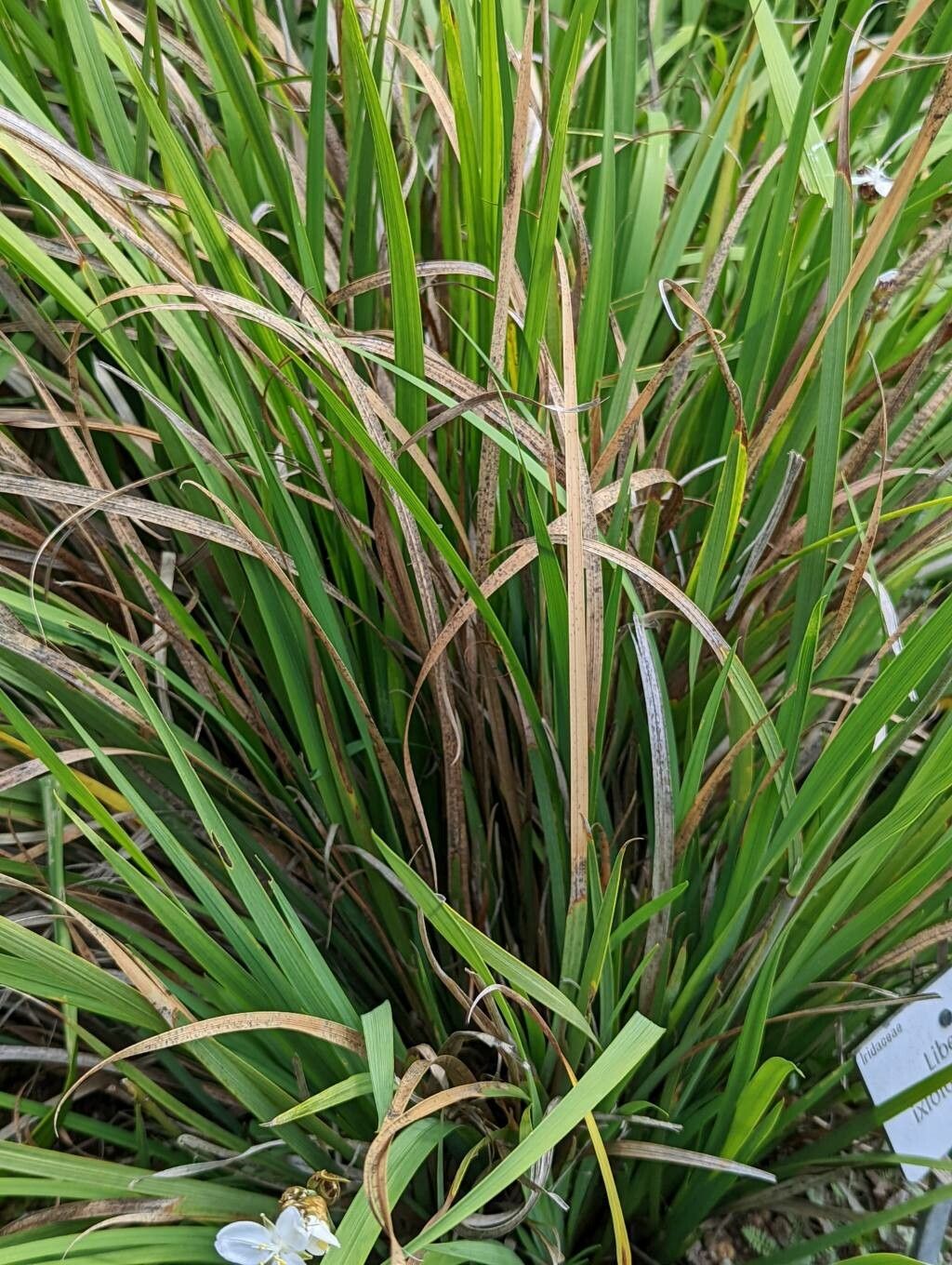
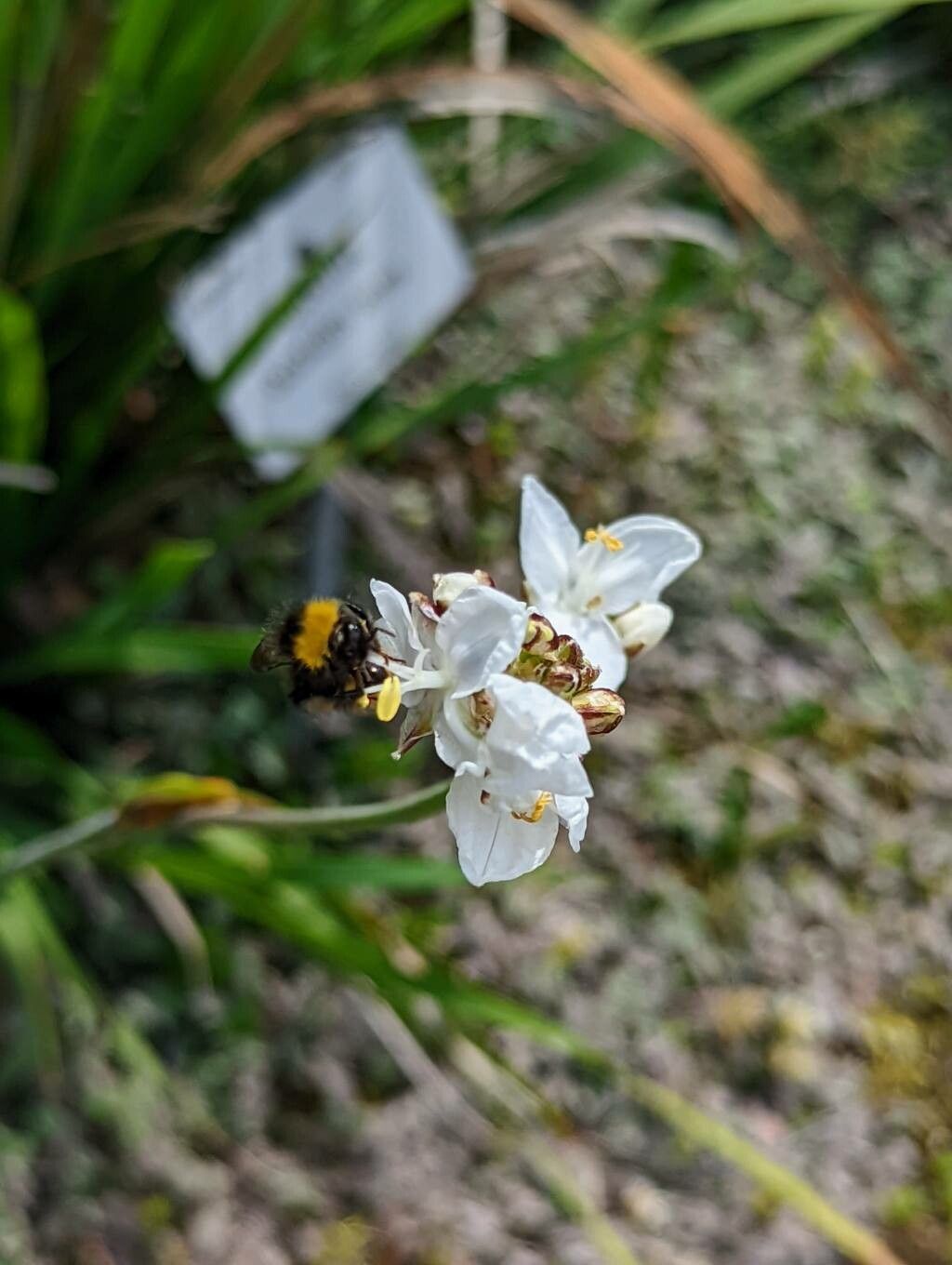
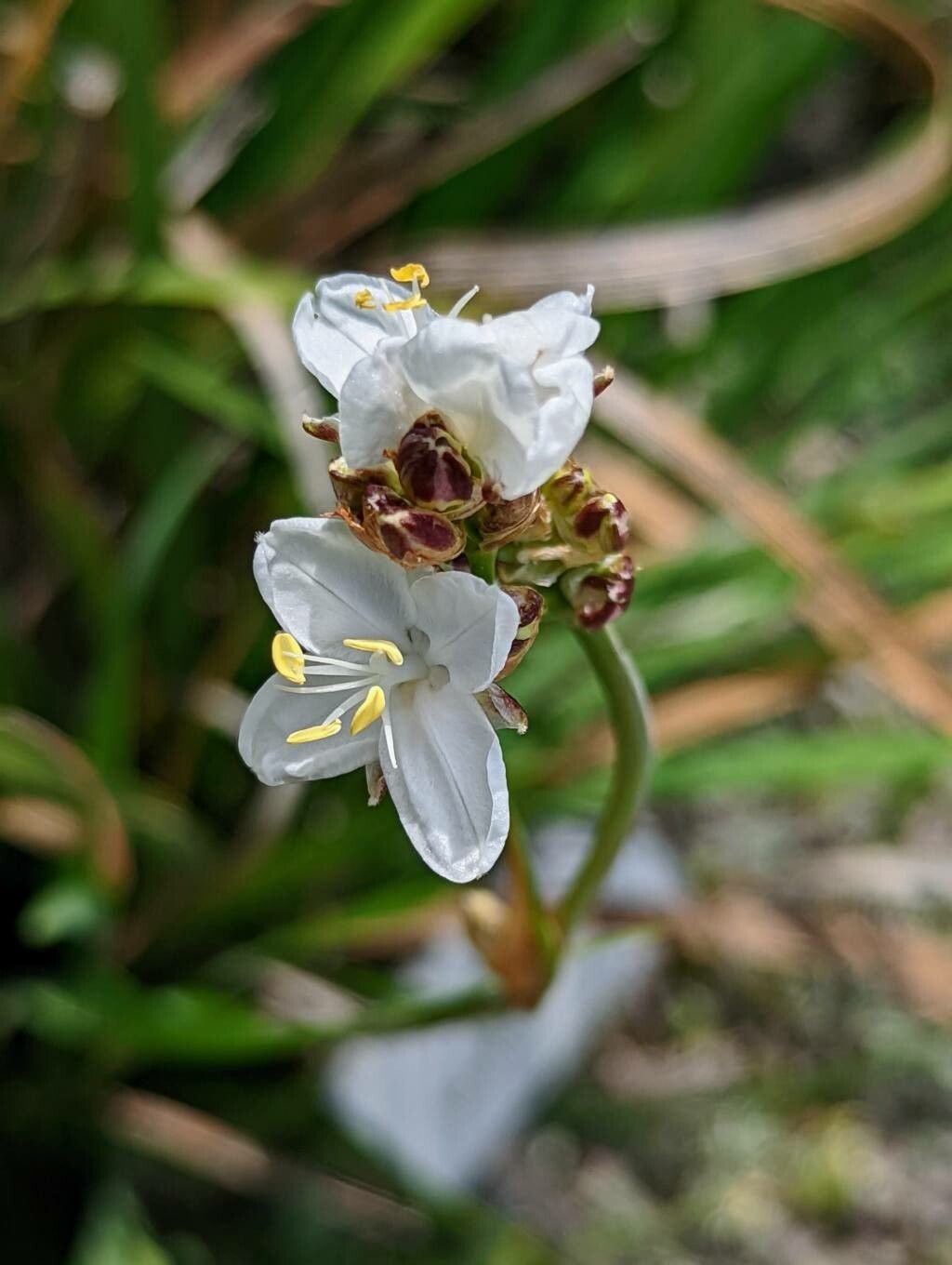
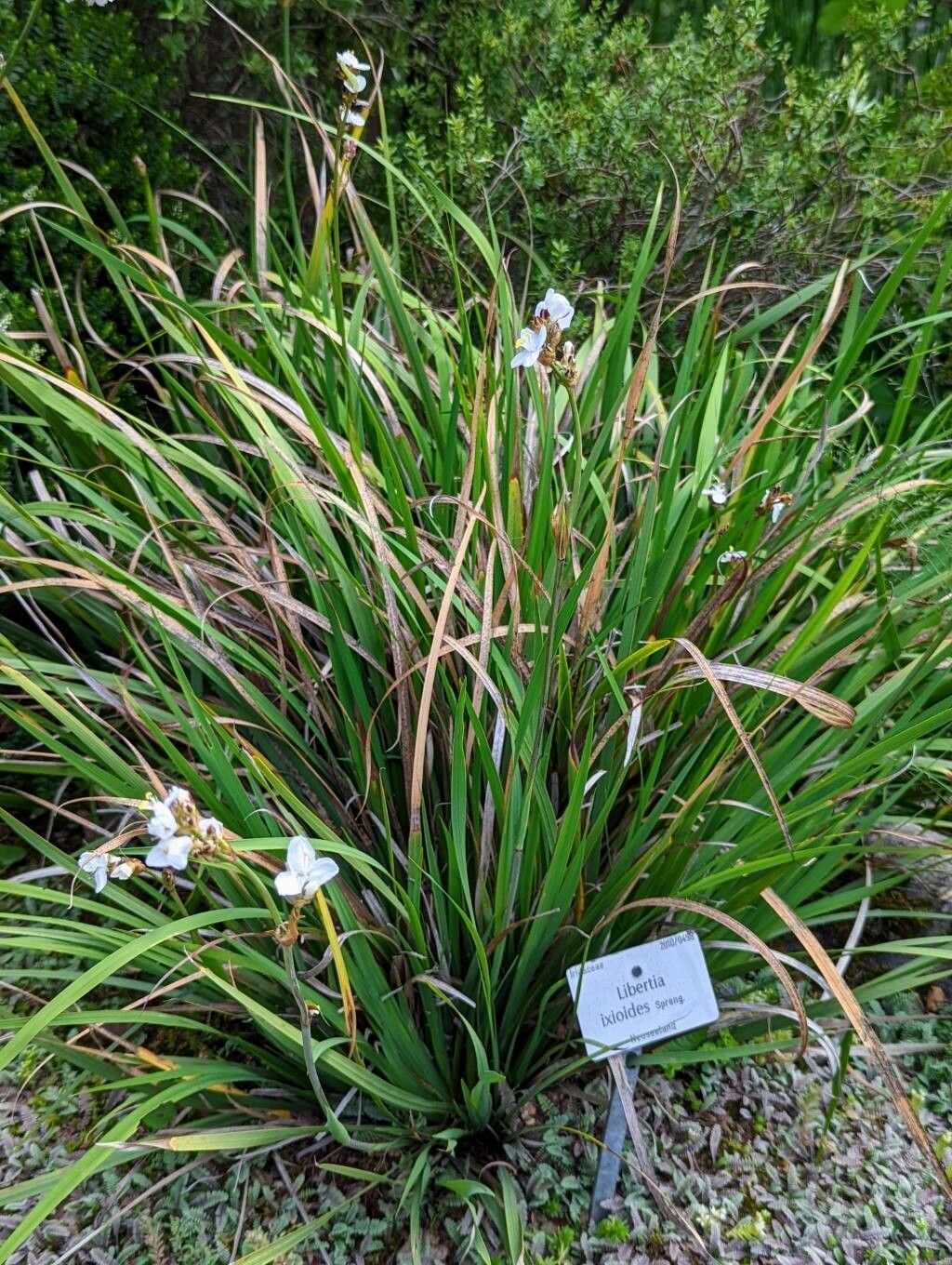
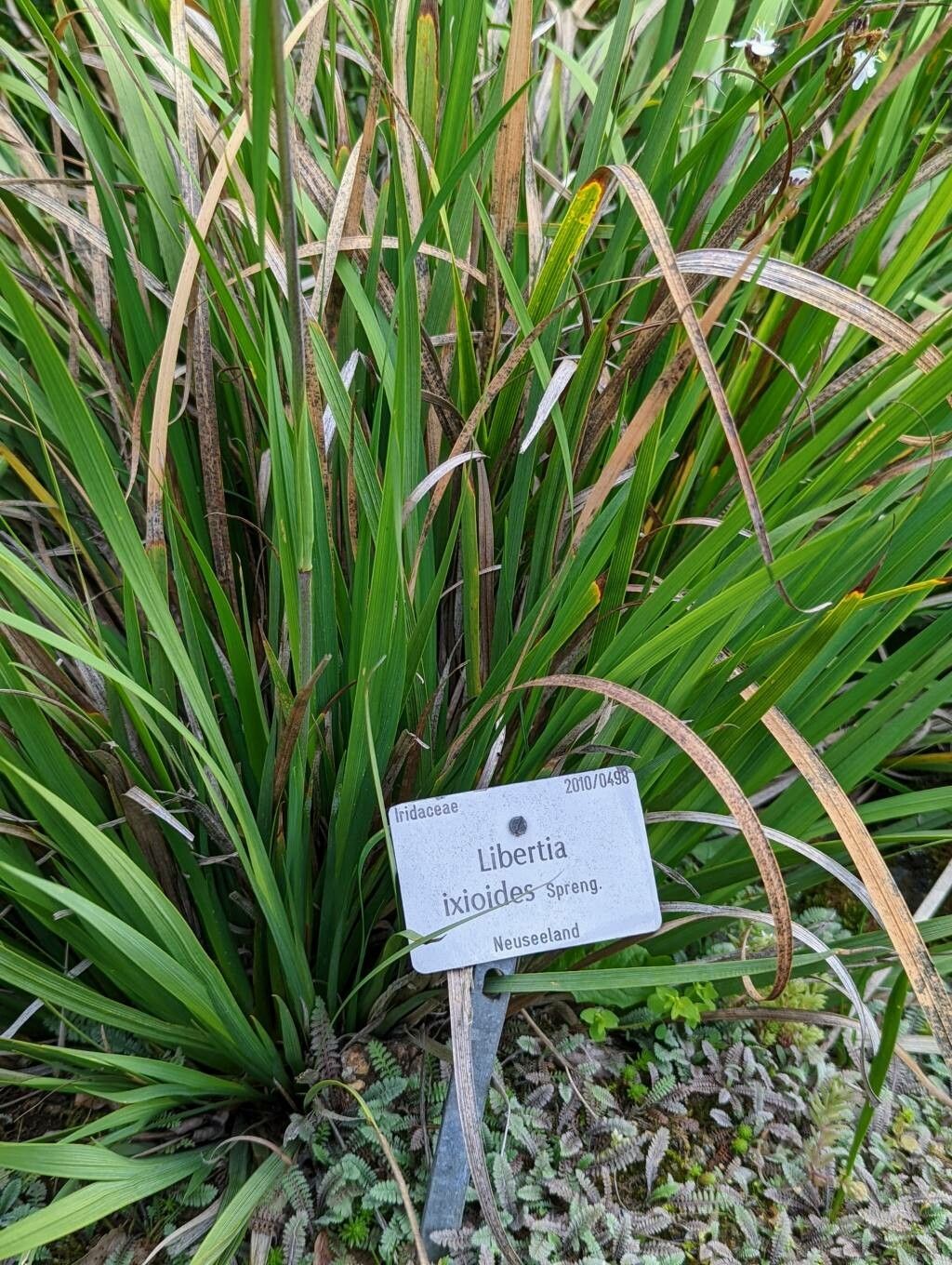
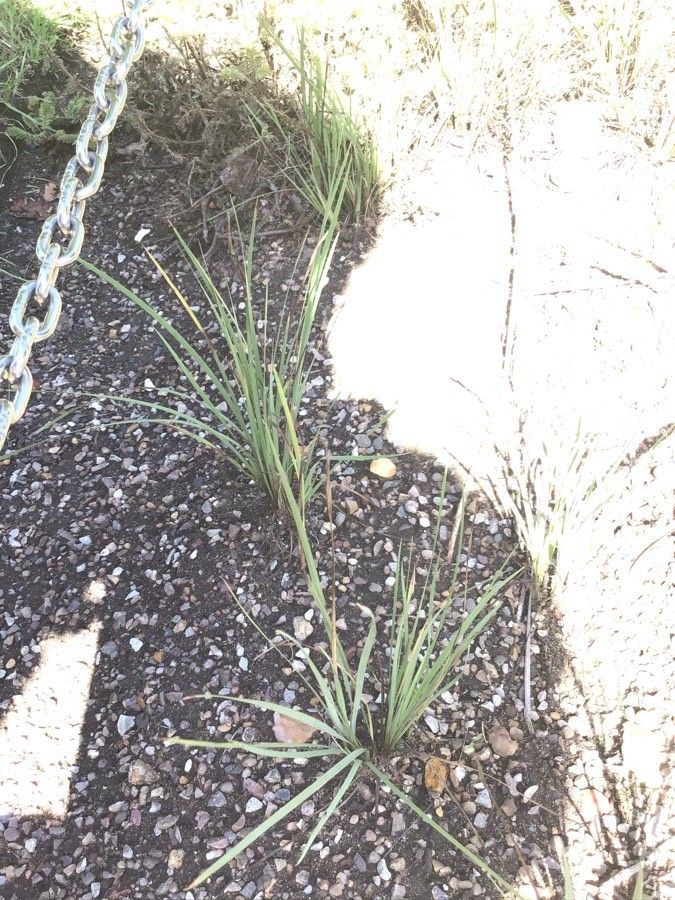
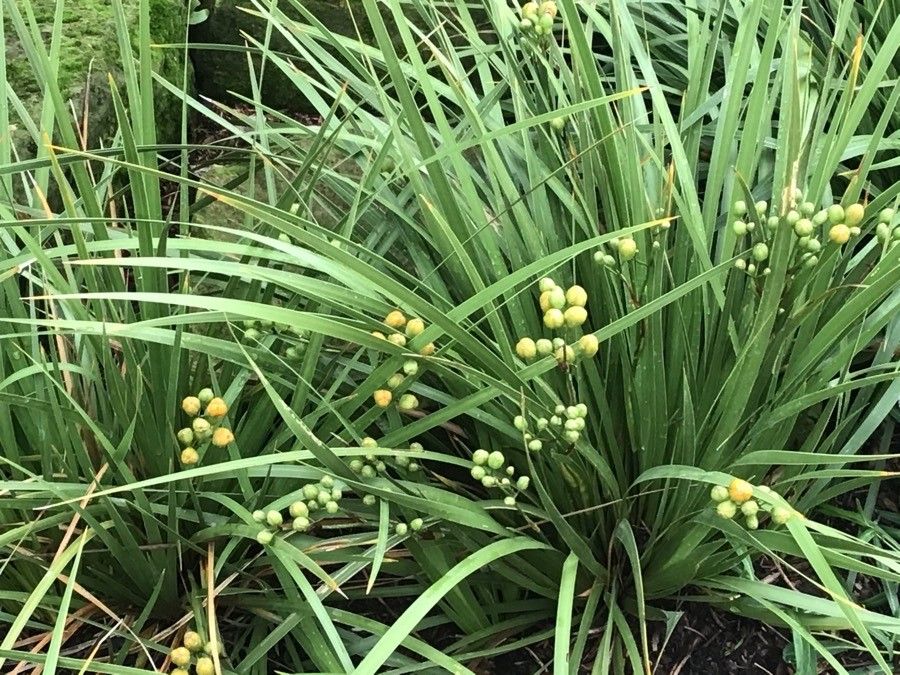
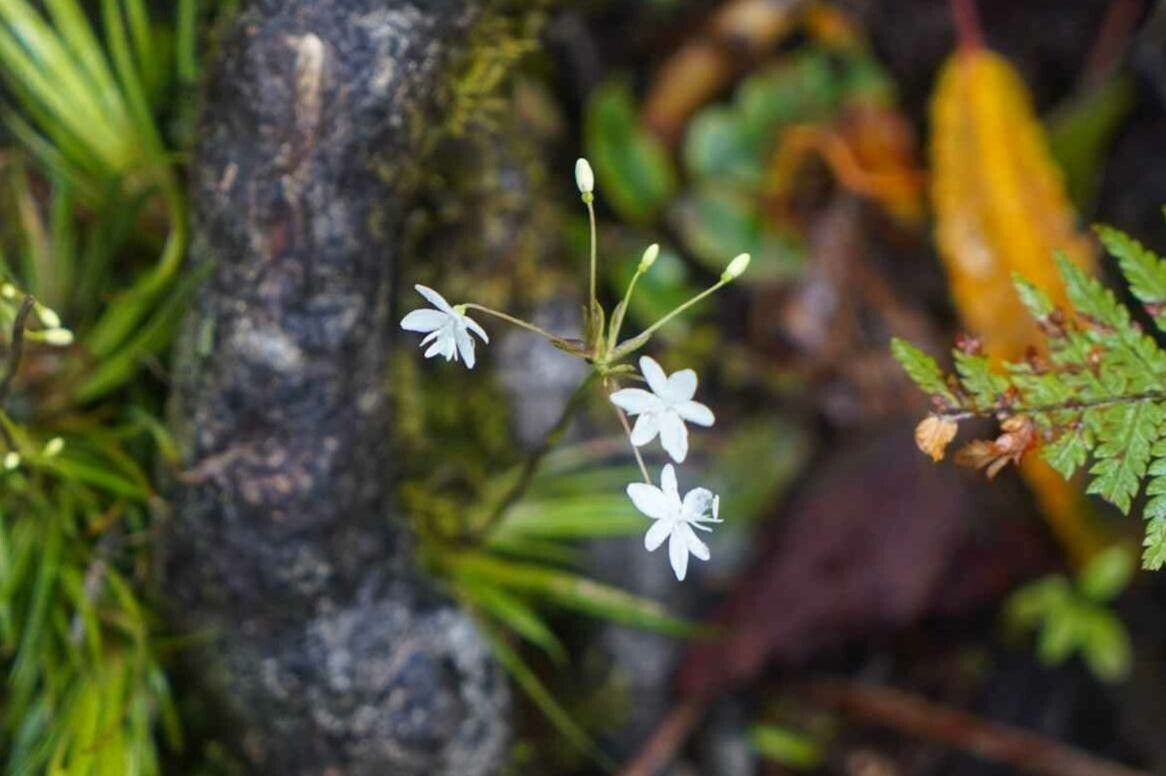
Libertia ixioides (mānga-a-Huripapa, mikoikoi or tūkāuki) is a flowering plant in the family Iridaceae. The species is endemic to New Zealand. It is a rhizome-forming herbaceous perennial. The Latin ixioides means like an ixia, due to its similarities with that plant species.
The Chilean iris is fairly disease-resistant and generally not prone to illness. However, it can be vulnerable to pests and diseases present in its surroundings. Such infections are usually mild. Regarding care, the plant needs moderate maintenance. Regular pruning is required to preserve a good appearance and promote healthy growth. Fertilizing can also help encourage flowering. The Chilean iris is suitable for anyone with outdoor space, such as a garden or patio, and does not demand much gardening experience. It may need more care when grown indoors.
How to keep Libertia Ixioides.
Light
Chilean-iris is a sun-loving, perennial, herbaceous plant native to open habitats, commonly found in meadows and grasslands. It prefers full sun but can also tolerate partial sun conditions.
Temperature
Chilean-iris can tolerate a wide range of temperatures, but its range may still be restricted by particular combinations of moisture and heat. It performs best in warm summer climates with sufficient rainfall or watering. Extended periods of cloudy, rainy weather or prolonged high temperatures increase the chance of Chilean-iris dying. In winter, adequate protection from cold can raise the plant's survival rate.
Fertilizer
The best time to fertilize a Chilean-iris is in early spring, as it comes out of dormancy and begins active growth. Fertilizing supplies essential nutrients needed for healthy development. Even though Chilean-iris requires relatively little feeding, applying fertilizer once a year can improve its survival and encourage better, longer-lasting blooms.
Pruning
The New Zealand iris is characterized by its strap-like leaves and star-shaped flowers, thriving with little pruning. To keep the plant healthy, remove dead foliage and cut spent flower stalks back to the base in early spring or late winter. Prune carefully to improve airflow, reduce the risk of disease, and preserve the plant's longevity and visual appeal.
Pot & Repot
For optimal growth, repot New Zealand iris every 2-3 years, ideally in the spring. Choose a larger container with good drainage. After repotting, maintain consistent watering and keep the plant out of direct sunlight to minimize stress, which will enhance the vertical appeal of the New Zealand iris.
Botanical profile.
- Plant Type
- Herb
- Life Cycle
- Perennial
- Genus
- Libertia
- Family
- Iridaceae
- Hardiness Zone
- 7-10
- Mature Height
- 91 cm
- Mature Spread
- 61 cm
- Leaf Color
- Green
- Leaf Type
- Evergreen
- Flower Color
- White
- Flower Size
- 2.03 cm to 3.05 cm
- Bloom Time
- Mid spring, Late spring
- Planting Time
- Spring, Summer, Autumn
- Harvest Time
- Mid summer, Late summer
Reader questions.
How should I water my New Zealand iris?
To properly water the New Zealand iris, it is best to use filtered water at room temperature. Tap water may contain harmful particles for this plant. Since the New Zealand iris comes from a warm environment, using cold water can shock its system. It is also important to avoid overhead watering, as this can cause leaf issues. Instead, water the soil with your filtered room temperature water until it is thoroughly soaked. This helps moisten the roots and aids in nutrient absorption.
What will happen if I give too much fertilizer to my New Zealand iris?
When caring for your New Zealand iris, it's important to remember that it doesn't require a lot of fertilizer. Giving it too much can have adverse effects. Overfertilization can damage the plant by drawing out nutrients and moisture from its roots, leading to decline. It also weakens the plant, making it more susceptible to disease. Additionally, overfertilizing can result in reduced or no flowering, which is a major drawback as the blooms of this plant are highly desired by many gardeners.
What will happen if the New Zealand iris doesn't get enough sunlight?
If you are growing New Zealand iris and your plants are not receiving enough sunlight, you will observe signs of insufficient requirements. In such cases, the plants will not produce as many blooms as they would with full sun exposure. While some plants may develop dry spots on their leaves, most of them will still bloom despite the lack of sun. However, the flowers that do bloom will be smaller and less full.
How can I keep New Zealand iris safe in really hot or really cold weather?
During the growing season, if temperatures drop below 15°F (-10°C), there are measures you can take to protect New Zealand iris from frost or cold damage. If you are growing them in a container, bring the container inside with bright, indirect light until the temperatures rise again. If they are planted in the ground, you can use mulch or horticultural fabric to create an insulated barrier around the plant, protecting it from frost and cold wind. On hot days when temperatures exceed 80°F (27°C) in the shade, be cautious about exposing New Zealand iris to more than six hours of sunlight per day, preferably in the morning. Installing shade cloth or a fine plastic mesh can reduce direct sunlight during the hottest parts of the day. Additionally, setting up a misting system can release a cooling mist around the plant's base, lowering ground temperatures.
What should I do if I give too much or too little water to my New Zealand iris plant?
Overwatering and underwatering can both harm your New Zealand iris, but overwatering is more common. When this plant gets too much water, its stems and leaves may wilt and turn yellow. Overwatering over time can also lead to diseases like root rot, mold, and mildew that can kill the plant. Underwatering is less common because the New Zealand iris can handle drought. However, underwatering can still happen, and it will cause the leaves to become brittle and brown. It's important to notice signs of overwatering early when caring for your New Zealand iris. Some diseases caused by overwatering, like root rot, may not be fixable if you wait too long. If you see early signs of overwatering, reduce watering immediately. You should also check the soil quality. If it drains poorly, replace it with a loose, well-draining potting mix. If you find signs of underwatering, simply water more regularly until the signs go away.
Why should I use fertilizer on my New Zealand iris plant?
Fertilization is important for the New Zealand iris for several reasons. It provides essential nutrients for the plant's growth above and below the ground. However, New Zealand irises have relatively low fertilization needs and can sometimes survive well without it. Nonetheless, annual fertilization can be highly beneficial, as it helps the plant thrive and produce better, longer-lasting flowers. Therefore, those who want their New Zealand iris to look its best should prioritize annual fertilization.
How much sunlight does New Zealand iris need every day to grow well?
To help your New Zealand iris grow and bloom to its fullest during its blooming season, it's recommended to provide the plant with six hours of direct sunlight. However, certain perennial plants may require more sunlight and be able to tolerate up to twelve hours, depending on the local temperature and overall environment. Plants such as the Red Hot Poker and Giant Coreopsis, which thrive in hotter climates, can withstand strong sunlight. In cases where outdoor sunlight is limited, some gardeners opt for grow lights. Although most perennials can thrive under grow lights, they will need eight to fourteen hours of artificial light to maintain vitality since grow lights are not as powerful as natural sunlight.
What temperature is best for New Zealand iris?
The temperature requirements for New Zealand iris vary depending on the time of year. There are two main seasons to consider: the growing season and the dormancy season. During the growing season, when the iris is sprouting, the ideal temperature range is 65-80℉ (18-27℃). If the temperature drops below 15℉ (-10℃), the plant may suffer and its leaves may turn brown and wilt. However, if it's a short cold snap, the iris may survive with some assistance. In the warmer parts of the year, the iris should be protected from excessively high temperatures. The upper limit for this plant is 95-105℉ (35-40℃), as anything beyond that can damage the leaves and blooms. High temperatures can cause wilting, drooping, and even sunburn on the leaves, which can be challenging for the iris to recover from. Fortunately, there are several simple and effective ways to combat this issue.
How often do I need to water my New Zealand iris?
If your New Zealand iris is in a pot, the most precise way to determine if it needs water is by checking the moisture of the soil. Dip your finger into the soil, and if the first two to three inches are dry, it's time to water it. The same method can be used if you grow your New Zealand iris outdoors in the ground. When the top few inches of soil are dry, it is time to add water. Typically, during spring and early fall, watering once a week is sufficient. However, during extremely hot weather, you may need to water twice or more per week. It's worth noting that mature and well-established New Zealand irises can withstand drought well.
When should I fertilize my New Zealand iris for the best results?
The best time to fertilize a New Zealand iris is during late winter to early spring when the plant is transitioning from its dormant phase to a phase of active growth. This encourages healthy growth and ensures a great start to the season. While early spring is generally the most beneficial time, fertilizing in the fall is also acceptable. However, it is not recommended to fertilize the New Zealand iris during summer or winter.
What kind of sunlight do New Zealand iris plants require?
New Zealand iris requires full sun each day, as they need a minimum of six hours of sunlight to keep their leaves, roots, and blooms healthy. While most perennials also need six hours of sunlight daily, plants such as the Orange Daylily or Giant Coreopsis can survive with just three hours of sun. However, it's important to note that these perennial flowers may not flourish as well as they would in sunnier conditions.
What temperatures do new New Zealand iris plants need in their first year or when they are seedlings?
If it's the first year your New Zealand iris is planted outside as a new plant, it may need extra care during the coldest months. Frost can cause severe damage and prevent it from regrowing in the spring. To ensure its health, keep the temperature at 40℉ (5℃) or above by either bringing it inside or using mulch or fabric barriers to protect from frost. During the first year or two, it's recommended to plant them in a shadier spot as smaller plants have a harder time regulating their temperature in the heat. Limit direct sunlight to five hours per day, especially if the temperature exceeds 80℉ (27℃). Use shadecloth and water or mist frequently to control the summer heat.