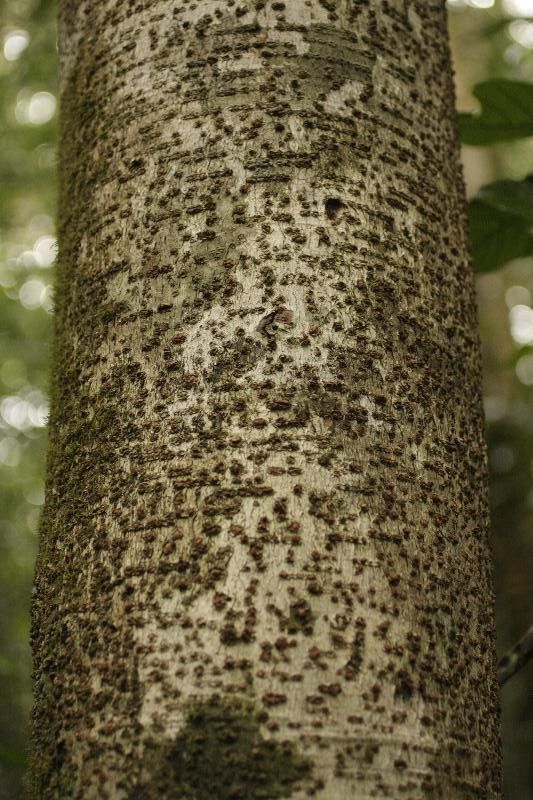
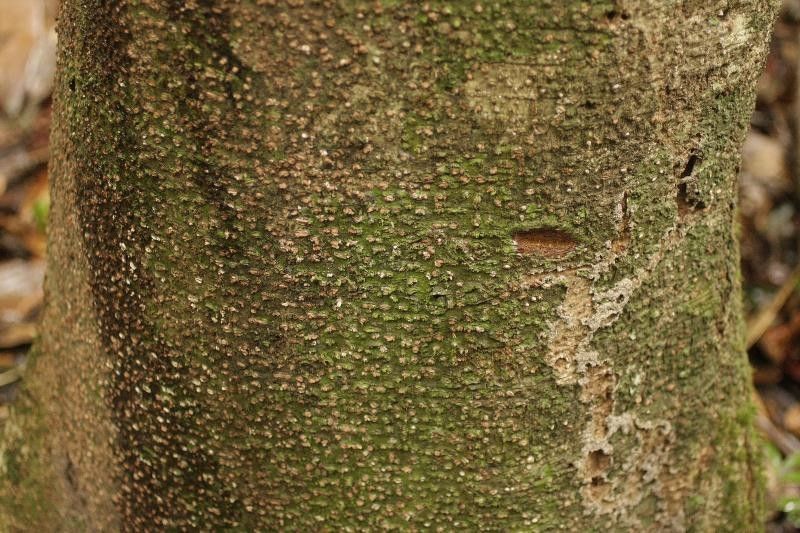
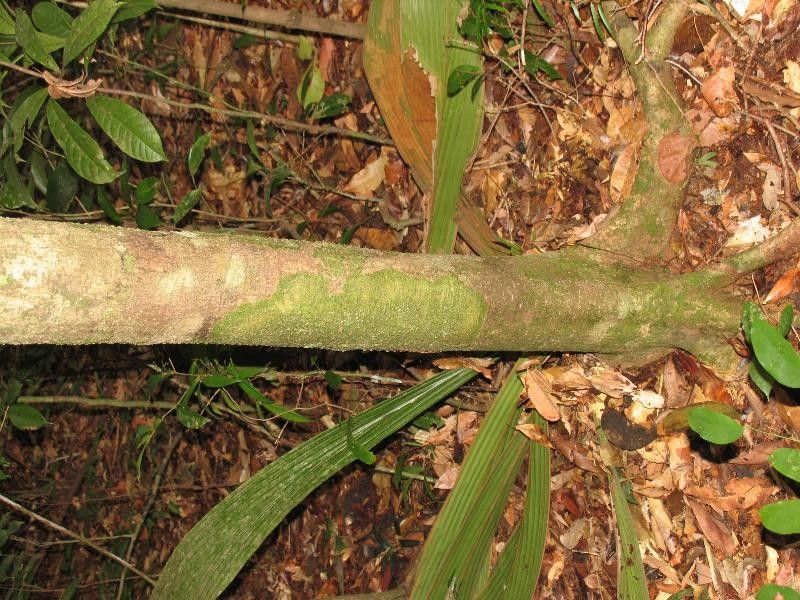
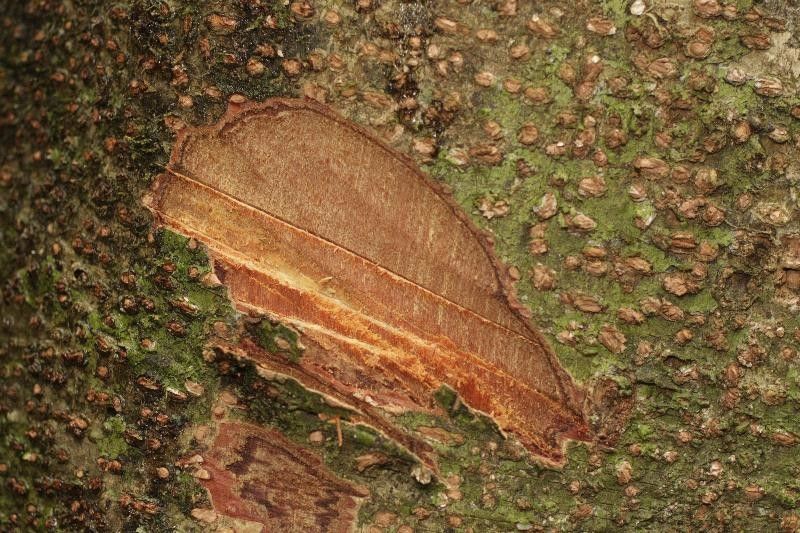
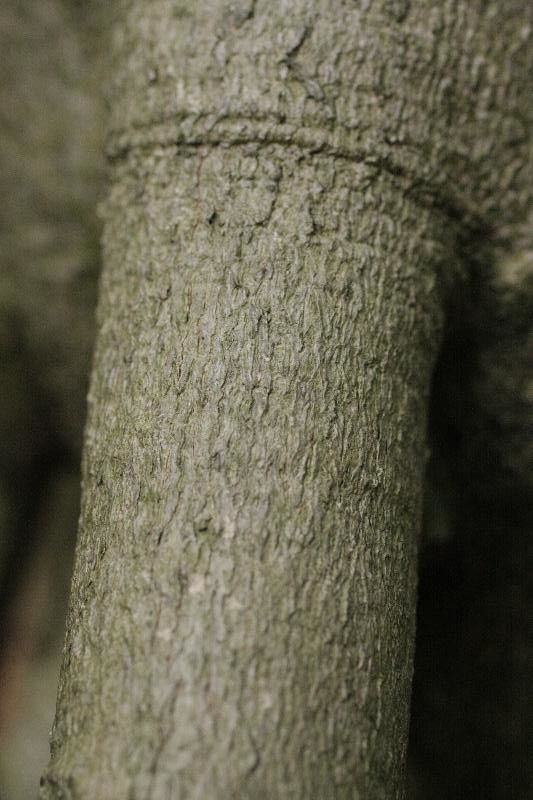
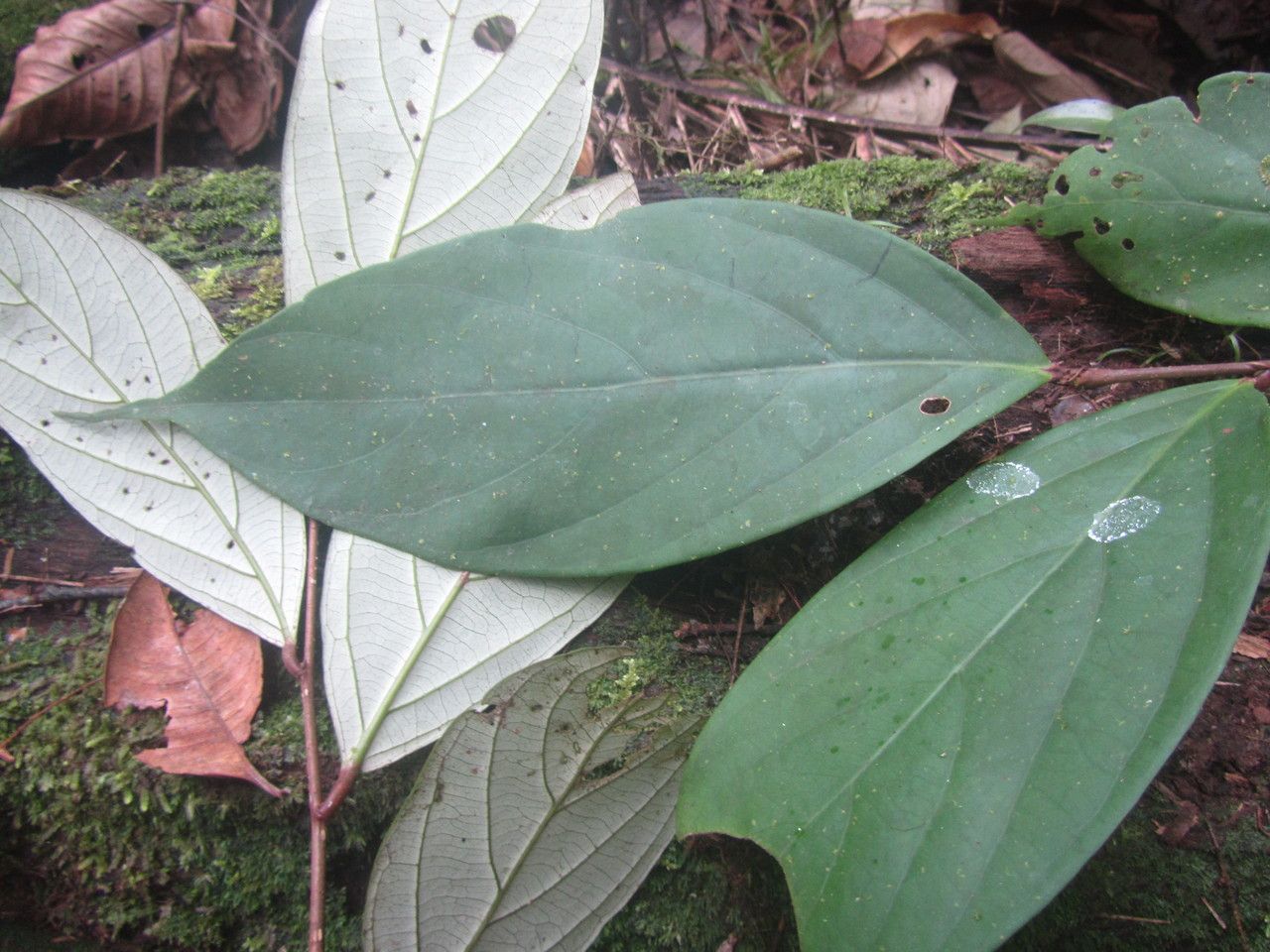
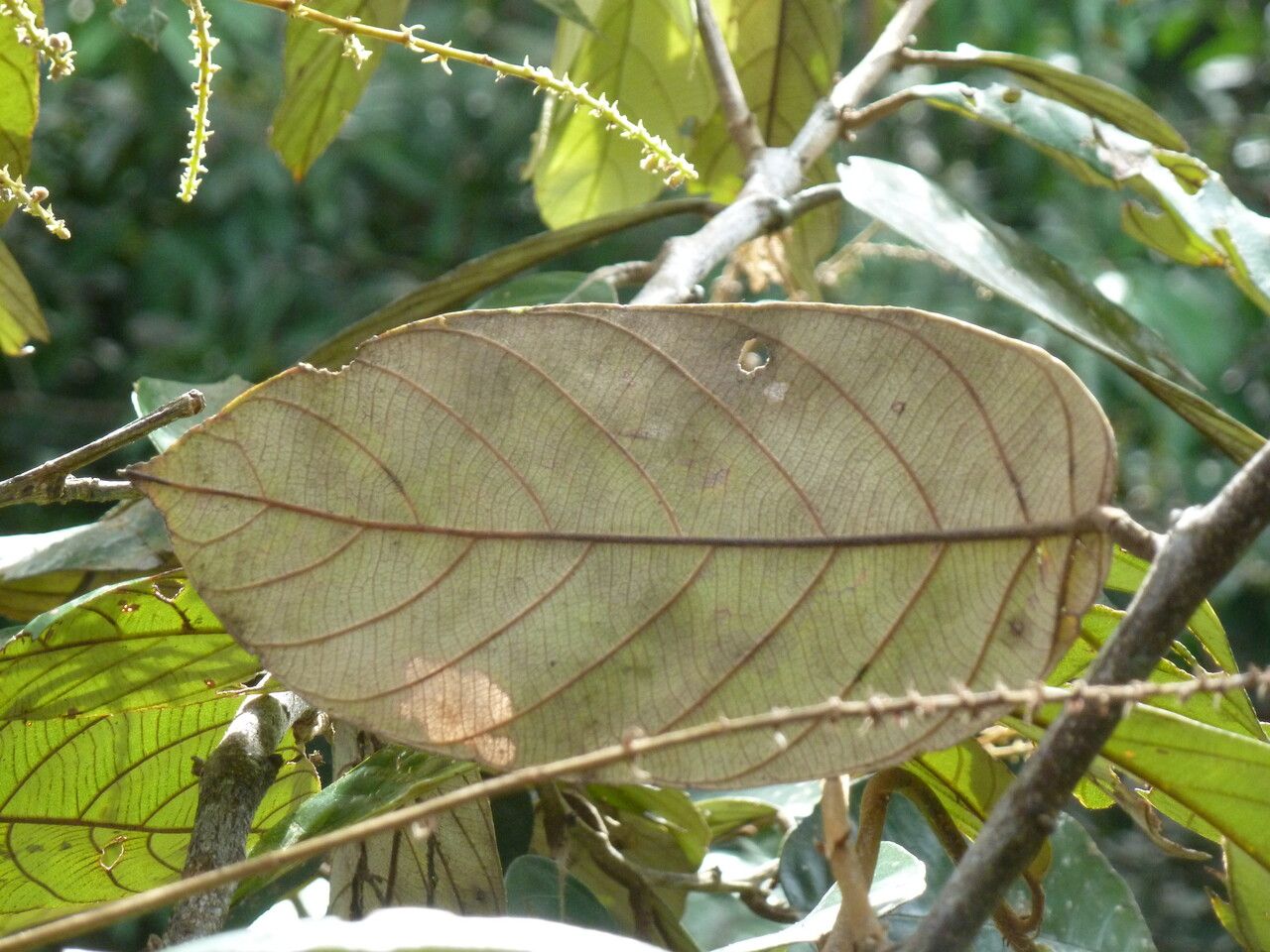
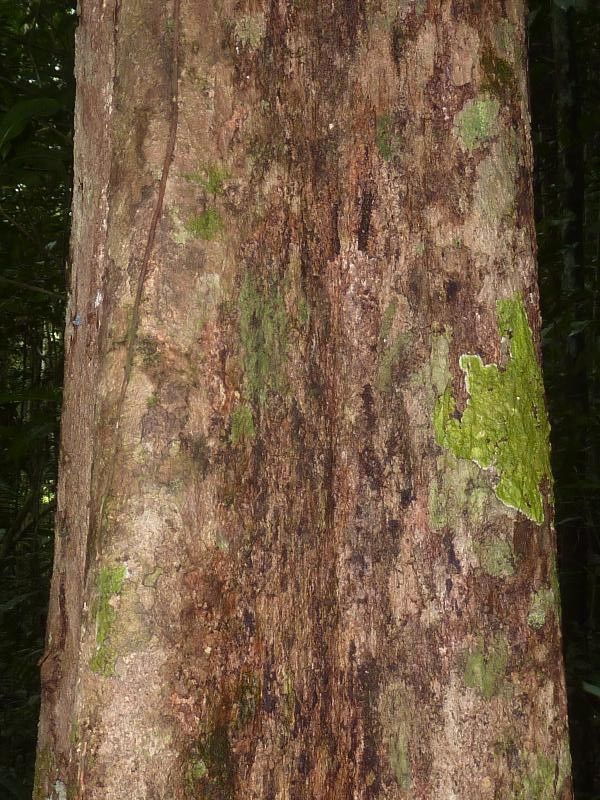
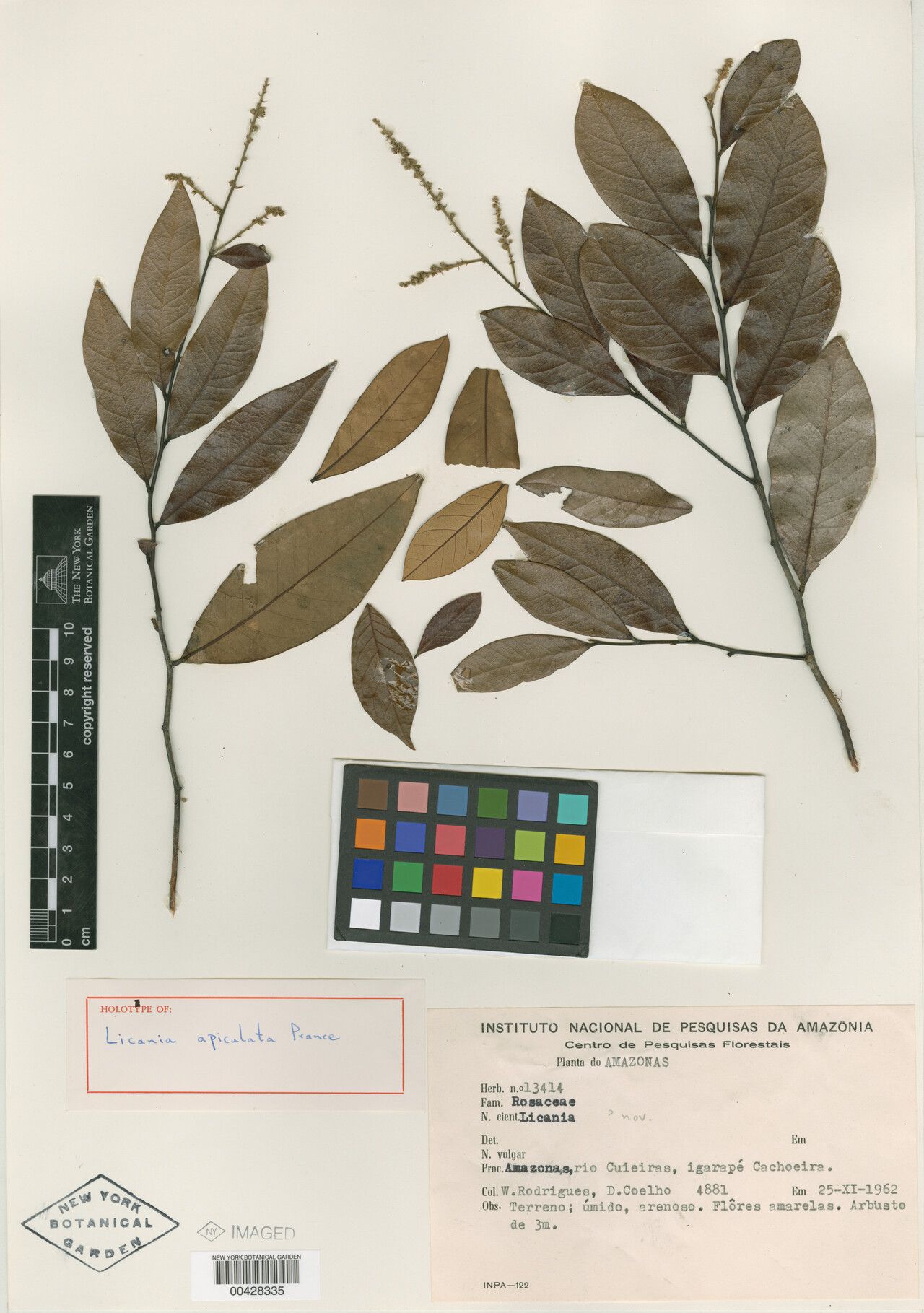
Licania micrantha has strong resistance to diseases and is usually not susceptible to them. Regarding care, this species is fairly low-maintenance. Planted outdoors, it needs little watering, and larger specimens typically do not require pruning. Smaller plants, however, should be trimmed after flowering. Licania micrantha is appropriate for anyone with an outdoor area, such as a garden or deck, and does not demand much prior plant-care experience.
How to keep Licania Micrantha.
Light
Licania micrantha comes from open habitats, such as sunny meadows and forest margins, which offer ample light. It does best in full sun but can also tolerate partial sun, adapting well to different sunlight conditions.
Water
Licania micrantha thrives in humid conditions and requires regular watering, ideally once a week, to sustain lush growth and keep the soil moist. While it can withstand short periods of dryness, maintaining consistent moisture is crucial for supporting its evergreen foliage, ensuring the continuous functioning of its leaves and overall health.
Temperature
Licania micrantha comes from tropical areas, which typically have warm, humid climates. Consequently, it is well adapted to high temperatures and humidity. It does not tolerate sudden temperature shifts and prefers a steady temperature environment, so avoiding indoor temperature fluctuations is important. It generally cannot withstand cold conditions and requires higher temperatures for growth. If the surrounding temperature drops too low, the plant may stop growing or even perish.
Fertilizer
Fertilizing is essential for the care of Licania micrantha. Regular feeding during the growing season maintains the energy needed for its showy leaves and supports overall growth. Ignoring fertilization can lead to unhealthy leaves, reduced ornamental appeal, and stunted or weak growth that is prone to breaking.
Pruning
To ensure the healthy growth of Licania micrantha, it is important to perform regular pruning during its dormant phase, which lasts from early to late winter. Key pruning techniques include removing dead branches, thinning out overcrowded limbs, and shaping the plant. This practice enhances air circulation, reduces the risk of disease, and encourages vigorous blooming. Always use clean, sharp tools for the best results.
Botanical profile.
- Plant Type
- Tree
- Life Cycle
- Perennial
- Genus
- Licania
- Family
- Chrysobalanaceae
- Hardiness Zone
- 10-12
- Mature Height
- 24.99 m to 39.93 m
- Mature Spread
- 4.88 m to 10.06 m
- Leaf Color
- Dark Green
- Leaf Type
- Evergreen
- Flower Color
- White
- Flower Size
- 0.20 cm to 0.25 cm
- Bloom Time
- Late spring, Early summer, Mid summer
- Planting Time
- Spring, Summer, Autumn
- Harvest Time
- Late summer, Early fall, Mid fall
Reader questions.
What are the sunlight requirements for Licania micrantha?
Licania micrantha, also known by its botanical name Licania micrantha, thrives in conditions where it can receive varying amounts of sunlight throughout the day. Full sun conditions, characterized by more than 6 hours of sunlight daily, are beneficial for the plant. However, it can also prosper in partial sun, which means about 3-6 hours of sunlight per day. It's important to observe the movement of sunlight through your garden to find spots that provide the ideal balance of light and shade. This ensures your Licania micrantha plants remain happy and healthy.