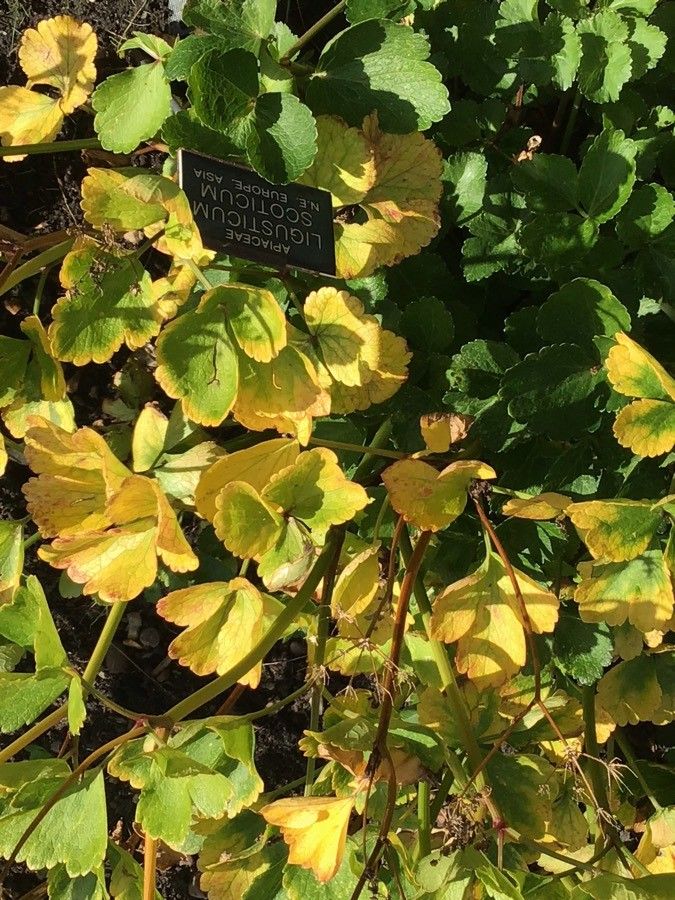
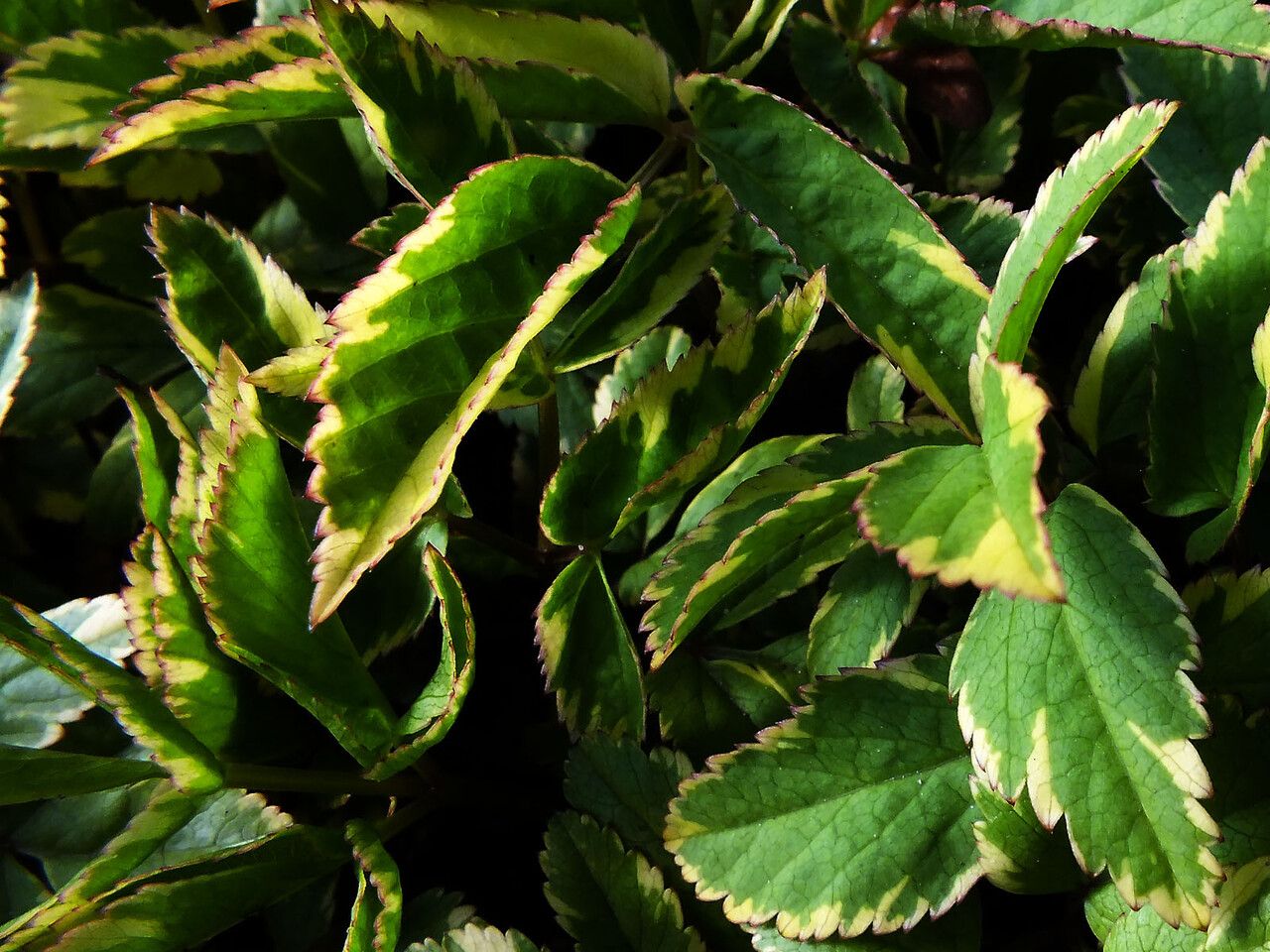
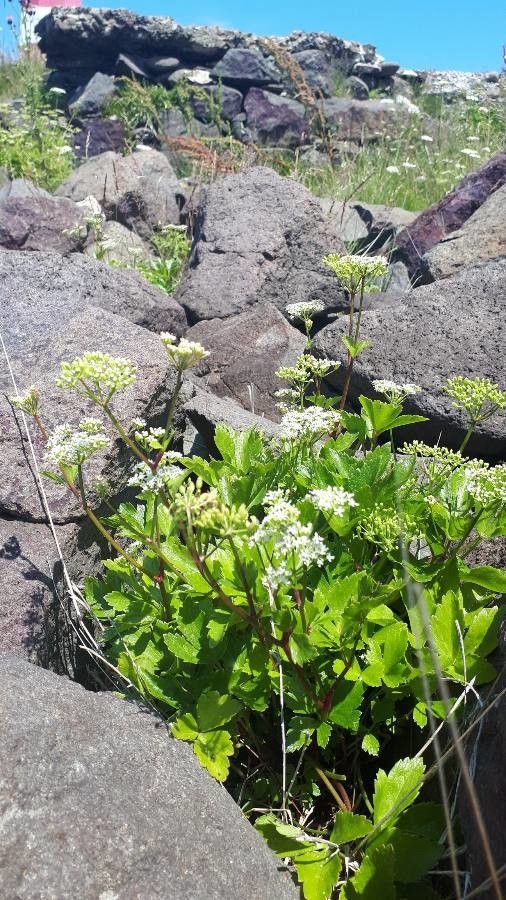
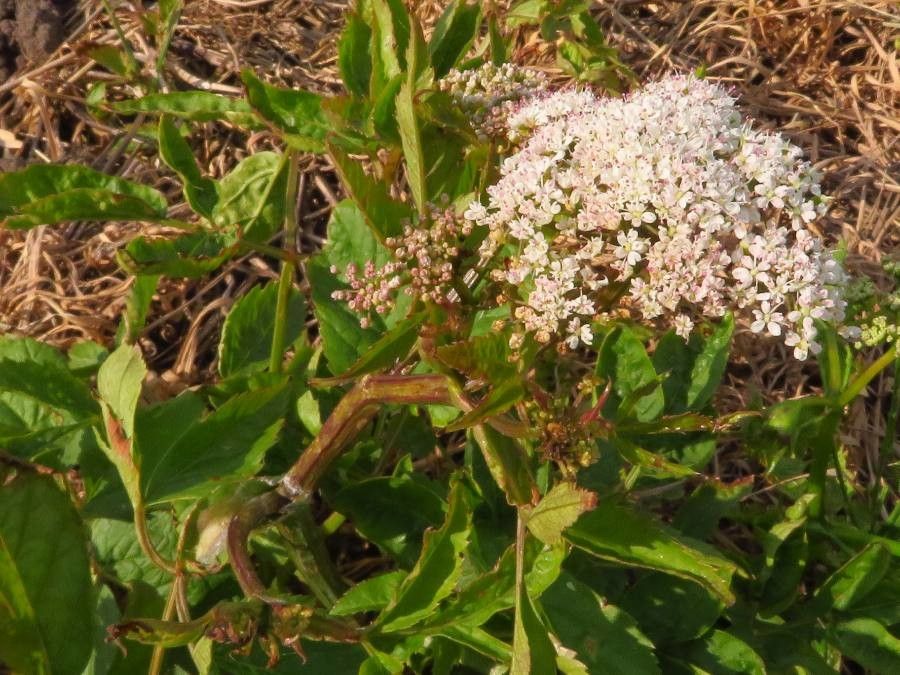
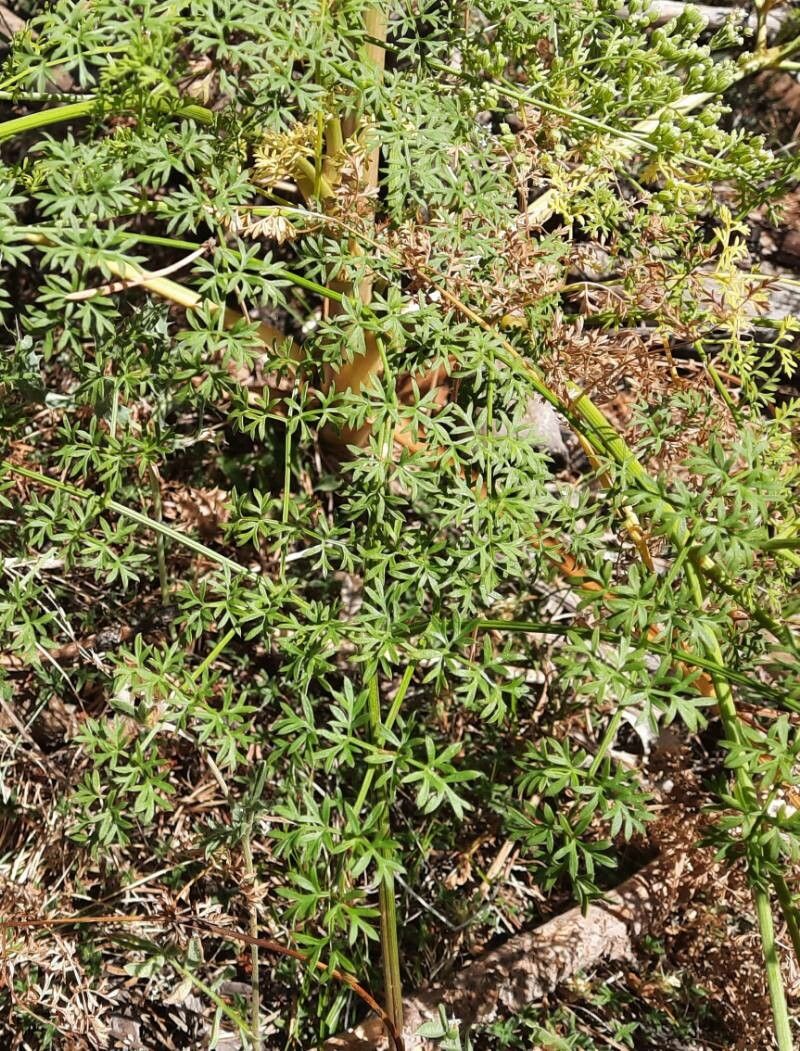
Ligusticum scoticum, commonly known as Scottish lovage or Scotch lovage, is a perennial herbaceous plant belonging to the Apiaceae family. Native to the coastal regions of Europe and North America, it typically grows in rocky areas, cliffs, and coastal meadows.
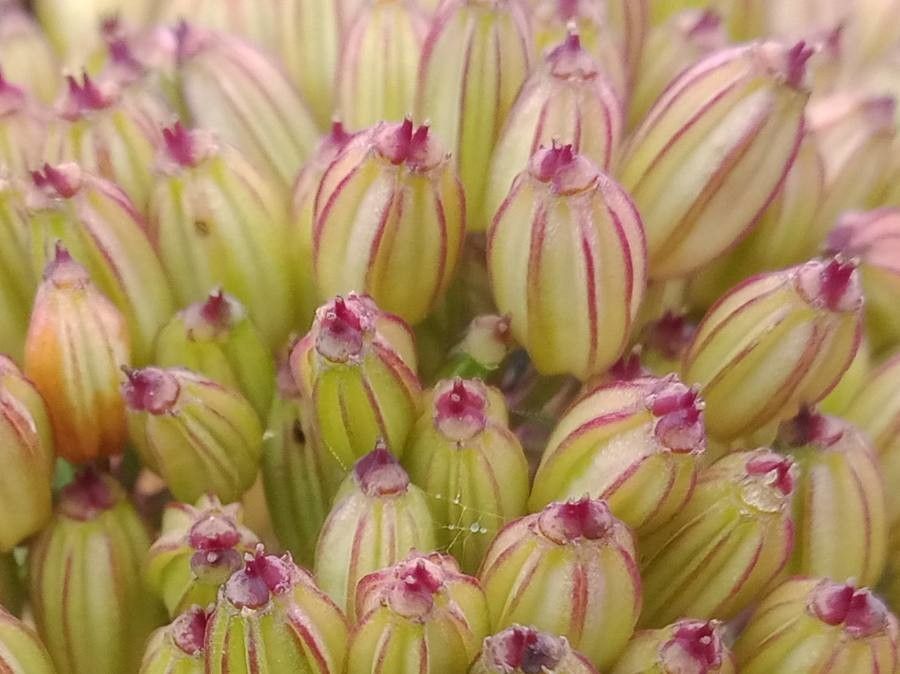
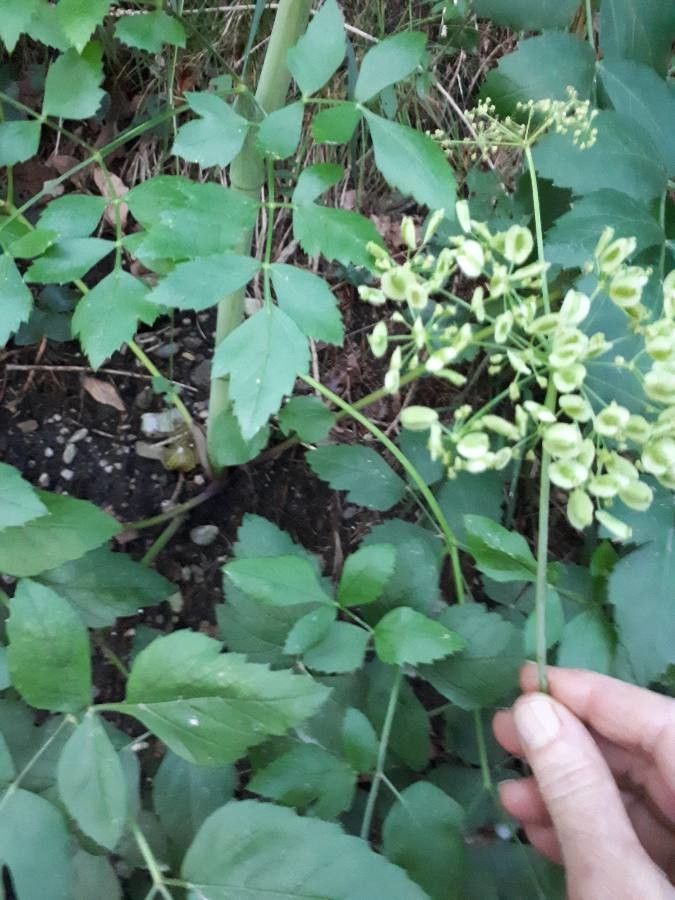
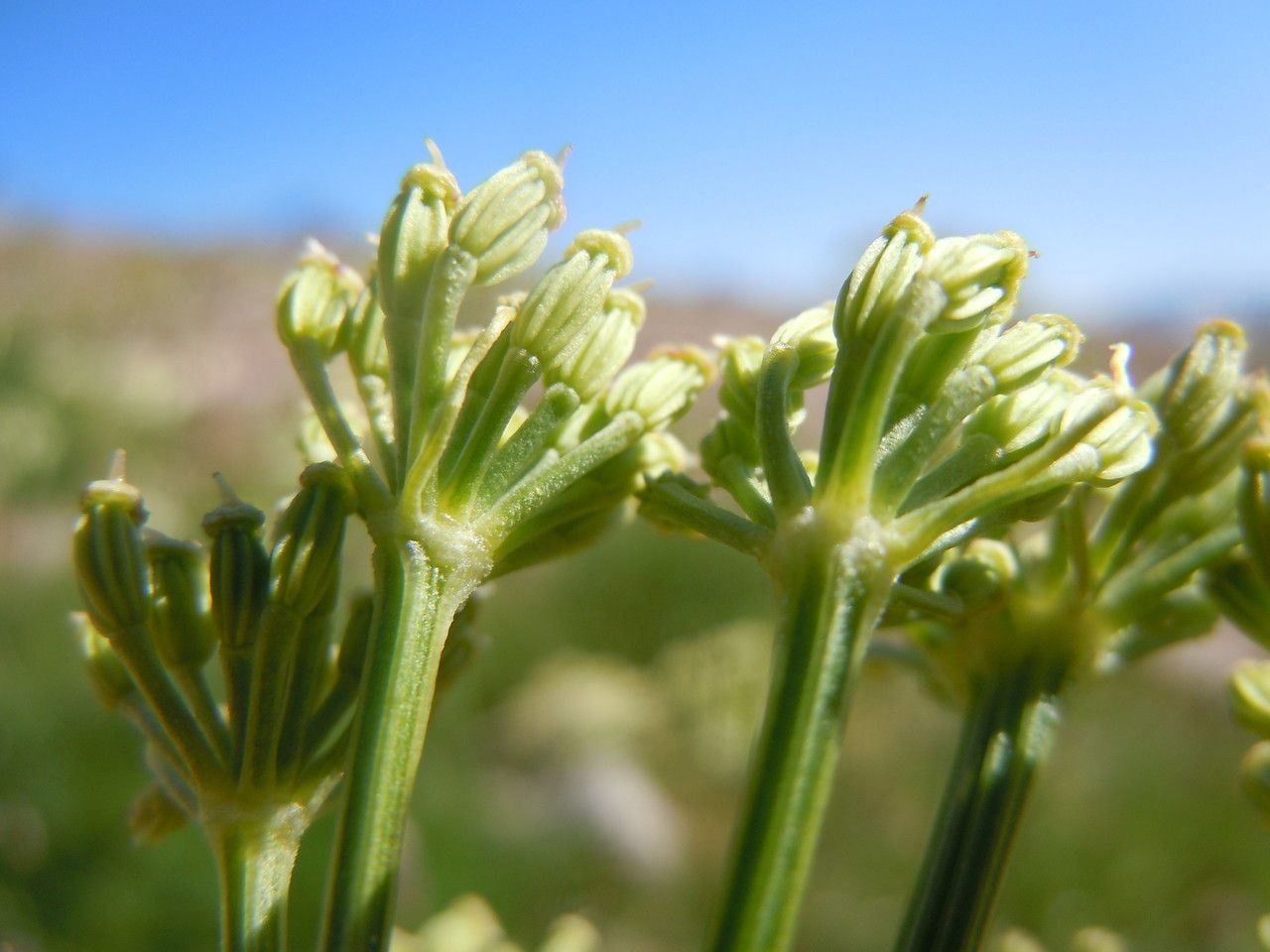
This plant features a stout stem that can reach up to 1 meter in height. Its leaves are dark green, glossy, and pinnate in shape. The small, white flowers, each with five petals, are arranged in an umbel shape.
For centuries, Ligusticum scoticum has been valued for its medicinal properties. It contains essential oils with antiseptic qualities, making it useful for treating wounds and infections. Additionally, it has been employed as an expectorant to help relieve coughs.
In the culinary world, Scottish lovage is often used as a substitute for celery due to its similar but stronger flavor profile. It can be added fresh or dried to soups and stews, and is also used in pickling recipes.
Overall, Ligusticum scoticum is an intriguing herbaceous plant with both medicinal and culinary applications, making it valuable both historically and in contemporary times.
Hulten's licorice-root exhibits moderate disease resistance and can be prone to problems like leaf spot. Its vulnerability to insect pests varies by variety, although most varieties tend to be fairly susceptible to pests. Regarding care, Hulten's licorice-root requires regular watering and fertilizing, along with frequent removal of yellowing leaves. It's important to manage pests and diseases as they appear and to harvest the plant promptly. Hulten's licorice-root is best suited for people who can devote some time and energy to routine care.
How to keep Ligusticum Scoticum.
Light
Hulten's licorice-root flourishes in areas that are bathed in sunlight for most of the day. While it can survive in less sunny areas, this could obstruct its optimal growth and development. Normally, its natural habitat gets plenty of sunlight. Not having enough light or having too much could harm its overall well-being.
Water
Hulten's licorice-root, which originates from rocky coastlines, flourishes best in consistently moist environments, though it can endure brief periods of dryness. It is advisable to water it weekly. As an herbaceous perennial, this plant thrives when grown outdoors, where it can benefit from both natural rainfall and a soil that drains well while retaining moisture.
Temperature
Hulten's licorice-root is a vegetation indigenous to areas with a temperate climate, characterized by temperatures usually between 41°F and 89.6°F (5℃ to 32℃). Modification to colder or hotter environments could potentially result in a deterioration of its general wellbeing and growth.
Fertilizer
For the optimal yield and taste of Hulten's licorice-root, make sure there's sufficient nitrogen during the entire growing period, from planting to harvesting. Plants that are adequately watered and fed yield plenty of robust leaves and reduce bitterness. Before sowing, improve the soil's quality by adding organic materials such as compost or manure, ideally between 2 to 8 weeks prior.
Pruning
Hulten's licorice-root has aromatic leaves and white or pink flowers. To encourage growth, it's best to prune the plant in early spring. Removing any damaged stems at this time also improves air circulation. Later in the season, light pruning can help shape the plant, promote density, and prevent the stems from becoming too leggy. This approach ensures the plant maintains a healthy and attractive appearance throughout the season.
Botanical profile.
- Plant Type
- Herb
- Life Cycle
- Perennial
- Genus
- Ligusticum
- Family
- Apiaceae
- Hardiness Zone
- 4-8
- Mature Height
- 61 cm
- Mature Spread
- 40 cm
- Leaf Color
- Green
- Leaf Type
- Deciduous
- Flower Color
- White
- Flower Size
- 0.20 cm
- Bloom Time
- Early summer, Mid summer
- Planting Time
- Spring, Summer, Autumn
- Harvest Time
- Late summer, Early fall
Other names.
Reader questions.
How much water does my Hulten's licorice-root plant need?
When watering your Hulten's licorice-root, don't hold back on the amount of water you give. Make sure the first two to three inches of soil are dry, and then give the plant a thorough watering. The goal is to completely soak the soil. It's important to add enough water for any excess to drain out of the pot's drainage holes. If you don't see water draining, you may not have given enough water. However, be cautious of letting water accumulate in the soil, as it can harm the plant. Additionally, if water is not draining properly, it could be due to poorly draining soils, which is not good for the plant's health. If the plant is outdoors, one inch of rain per week should be enough.
Why should I add fertilizer to my Hulten's licorice-root plant?
The Hulten's licorice-root is mostly made up of leaves, and fertilization is an important way to make sure these leaves look great and function properly. By fertilizing the plant, you can keep the leaves a consistent color and maintain a healthy texture. Fertilization also helps the plant below the surface of the soil by promoting root growth and maintaining the existing root system. This not only keeps the plant healthy now, but also helps it absorb nutrients from the soil more effectively in the future.
What are the sunlight requirements for Hulten's licorice-root?
Hulten's licorice-root, or Ligusticum scoticum, thrives best in full sunlight, requiring more than 6 hours of sunlight daily to ensure optimal growth. While it can survive in less illuminated areas, its growth and development may be hindered. It's important to observe your garden throughout the day to find spots that offer a good balance of light and shade, ensuring the plant's needs are met. Artificial lighting can be used as an alternative or supplement, especially for indoor plants or during seasons with less natural sunlight. Ideal artificial lighting involves using LED lights, positioned 12-36 inches above the plant, for 8-12 hours per day, with the wattage tailored to the plant's specific sunlight needs.
What is Hulten's licorice-root and where does it thrive?
Hulten's licorice-root, botanically known as Ligusticum scoticum, is a plant native to regions with moderate climates. It thrives where temperatures typically range between 41 to 89.6°F (5 to 32°C). The plant is well adapted to these conditions and may face health and growth declines if exposed to much colder or warmer environments.
How can I add fertilizer to my Hulten's licorice-root plant?
To ensure optimal growth of your Hulten's licorice-root, wait until the first leaves peek through the soil in early spring. Once this happens, apply a balanced granular slow-release fertilizer to the soil around the base of the plant. You can repeat this process later in the season if desired. When applying fertilizer, remember to target the soil and not the plant itself. This may involve gently moving some leaves to access the soil above the roots. Additionally, it is beneficial to water the plant before and after feeding it.
What symptoms indicate insufficient or excessive sunlight in Hulten's licorice-root?
Symptoms of insufficient sunlight in Hulten's licorice-root include smaller leaves, leggy or sparse growth, faster leaf drop, slower or no growth, and lighter-colored or pale new leaves. Excessive sunlight can lead to chlorosis (yellowing of leaves), sunscald, leaf curling, wilting, and leaf scorching. These symptoms stress the importance of finding an ideal balance of sunlight exposure for the plant to maintain healthy growth and development.
Does Hulten's licorice-root require special frost protection measures?
Hulten's licorice-root possesses strong cold resistance, which generally eliminates the need for special frost protection measures during winter. However, if winter temperatures are expected to plunge below -30°C, it becomes imperative to provide cold protection. Covering the plant with soil or straw and watering it abundantly before the first freeze in autumn to keep the soil moist can protect the plant through winter, preventing drought and water scarcity.
How can I address sunlight-related issues in Hulten's licorice-root?
To address sunlight-related issues in Hulten's licorice-root, consider gradually moving the plant to achieve at least 6 hours of direct sunlight daily, utilizing a south-facing window for indoor plants or strategically relocating outdoor plants to sunnier spots. Artificial lighting can also be beneficial, especially for indoor situations where natural light is insufficient. Outdoor plants may need adjustment time to adapt to changes in sunlight exposure. In cases of obstruction, pruning or transplanting might be necessary to ensure the plant receives enough sunlight. It's important to remember that while affected parts may not recover, new growth should be healthy following these adjustments.
How does Hulten's licorice-root respond to low and high temperatures, and what solutions are recommended?
Low Temperature: Hulten's licorice-root is cold-tolerant and thrives best in temperatures above 5°C. In winter, it should remain above -25°C. Temperatures falling below -30°C may not show immediate effects but could lead to decreased or no sprouting in spring. The recommended solution is to remove any parts that have failed to sprout in spring.\n\nHigh Temperature: During summer, it is best to keep the temperature below 32°C for this plant. Exceeding 35°C may cause the leaves to lighten in color, become prone to curling, suffer from sunburn, and the plant may wilt and dry out in severe cases. The solution includes trimming sunburned and dried parts, relocating the plant to shaded areas or employing a shade cloth to protect it from midday and afternoon sun, and watering the plant in the morning and evening to maintain soil moisture.