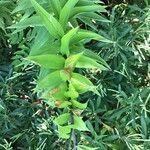
Lilium lancifolium
Tiger lily · Easter lily · Martagon · Devil lily · Kentan
Description
Source: leafsnapLilium lancifolium (syn. L. tigrinum) is an Asian species of lily, native to China, Japan, Korea, and the Russian Far East. It is widely planted as an ornamental because of its showy orange-and-black flowers, and sporadically occurs as a garden escapee in North America, particularly the eastern United States including New England, and has made incursions into some southern states such as Georgia.It has the English name tiger lily, but that name has been applied to other species as well.
🌳 Aside from its decorative value, the tiger lily is not widely recognized for a potential role in biologically based pest-control strategies. Its extracts are being investigated as a natural pest deterrent for possible use in organic agriculture to protect crops from a variety of insects, contributing to a more sustainable approach to farming.
🎭 Affluence
Care Guide
💧 Water Every week
Native to East Asia, the tiger lily flourishes best with moderate moisture levels. It requires weekly watering, taking care to avoid waterlogging. As a perennial herb often found in gardens, the tiger lily benefits from mulching. Mulch helps retain soil moisture and regulates the root temperature, promoting growth throughout the growing season.
What should I do if I give my Tiger lily too much or too little water?
The Tiger lily is prone to overwatering, which can lead to bulb rot. Some symptoms of overwatering include mushy bulbs, spotted and flopping stems, droopy flowers, and yellowed stalks. If the leaves turn yellow before the flowers bloom, it is a sign of overwatering. Unfortunately, bulb rot cannot be reversed, but if caught early, you can dig up the bulb, remove the rotten parts, and disinfect the pot and tools to prevent spreading the fungus. For outdoor plants, it's best to replant them in a different location. Underwatering is not as big of an issue with this plant. Signs of underwatering include no blooms, sagging and wizened stalks, and browning around the edges of the flower petals. If you've given your Tiger lily too little water, don't panic. It can tolerate drought to some extent. Once you realize the plant needs water, give it a good drink without saturating the surrounding soil. Be careful not to overwater, as extended periods in water can cause root rot and fungal growth on the bulb. This can be seen through spots on the leaves and buds, as well as discoloration and death of the leaf tips.
How frequently do I need to water my Tiger lily?
Tiger lily is a low-maintenance plant that can be grown in a pot or directly in the ground. It thrives in the hottest and brightest part of your garden. Since it is a bulb plant, be careful not to overwater it as this can cause the bulb to rot. After initially watering the plant, you can leave it be until you see shoots appear. To ensure optimal growth, check the moisture of the soil after new leaf growth. Stick your finger about 2-3 inches below the surface of the soil to check for wetness. If it's still wet, there's no need to water the plant. For potted plants, check the water collection tray for any standing water and avoid watering if there is any. For a more accurate moisture reading, use a moisture sensor inserted 2-3 inches into the soil. The reading should be in the middle of the 'moist' category. Water your Tiger lily once per week for best results.
How should I change my watering routine for my Tiger lily based on different conditions?
The Tiger lily is an adaptable plant that can handle tough conditions. When planted outdoors, it typically doesn't need much water and can withstand droughts. Just make sure the soil has good drainage. However, for potted Tiger lilies, you should be more cautious with watering. Overwatering can lead to bulb rot. Use well-drained soil and add sand or rocks to increase drainage. During the growing phase, water the plant about one inch per week to encourage blooming. Adjust the watering frequency based on the humidity and temperature of your area. Hot and dry climates may require more frequent watering, while humid climates may need less. Always check soil moisture to ensure it's not too wet, as Tiger lilies prefer moist but well-drained soil.
☀️ Light Full sun
Tiger lily does best with plentiful sunlight throughout the day, which supports vigorous growth. While it can tolerate moderate sun, its native habitat generally offers more direct sunlight. Too much or too little light can harm its health. Its light requirements may vary slightly at different stages of growth.
What are the sunlight requirements for Tiger Lily?
Tiger lily thrives under full sun conditions, requiring more than 6 hours of sunlight daily to ensure robust growth. However, it can also grow in partial sun, which means about 3-6 hours of sunlight each day. It's important to observe the movement of sunlight through your garden to find the ideal spots that offer a balance of light and shade, conducive for the plant's growth.
How essential is sunlight for Tiger Lily's growth?
Sunlight is crucial for the Tiger Lily, as it ensures the plant's vigorous growth throughout the day. Originating from a habitat that enjoys abundant sun, the Tiger Lily favors significant sunlight interaction for optimal health. Both excessive and inadequate light exposure can negatively impact the plant, and its light needs may vary slightly at different growth stages. Artificial lighting can be a viable solution for indoor plants or during less sunny seasons, utilizing specific wattages and distances to mimic natural sunlight.
What are the effects of insufficient sunlight on Tiger Lily?
When a Tiger Lily does not receive enough sunlight, several symptoms may manifest, indicating light deficiency. These include slower or halted new leaf production, pale or irregularly colored new leaves, impacts on future flowering and fruiting, chlorosis (yellowing leaves due to a breakdown of chlorophyll), sunscald on leaves or stems, leaf curling as a defense mechanism against excessive sunlight, wilting from increased water loss, and leaf scorching characterized by brown, dry edges on leaves. These symptoms highlight the plant's struggle to thrive under poor light conditions.
How can I address Tiger Lily's light requirements indoors and outdoors?
To cater to Tiger Lily's light needs, gradually acclimatize the plant to a sunnier location by increasing its exposure to sunlight each week, aiming for at least 6 hours of direct sunlight daily. Indoors, ensure maximum natural light by using south-facing windows and consider supplementing with artificial light sources, such as desk lamps or professional grow lights, for at least 8 hours a day if natural sunlight is insufficient. Outdoors, choose locations that offer ample sunlight without sudden intensity changes to prevent sunburn. For plants in the ground, reducing sunlight obstructions and choosing the correct transplanting timing can significantly improve light exposure.
🌡️ Temperature 0–35°C
The tiger lily is native to areas with temperate climates, preferring temperatures between 32 and 95 ℉ (0 to 35 ℃). In summer it does best in full sun but benefits from shade protection in very hot regions. In winter it can tolerate temperatures down to 23 ℉ (-5 ℃) with minimal protection.
What is the native climate for Tiger Lily?
The Tiger Lily, known botanically as Lilium lancifolium, is native to regions that enjoy moderate temperatures. It prefers temperatures ranging between 32 to 95°F (0 to 35°C). During summer months, Tiger Lilies thrive in full sun but in hotter climates, they benefit from being placed in shade to avoid the extreme heat. They are also quite resilient in winter, capable of surviving temperatures as low as 23°F (-5°C) without needing special frost protection measures.
How should you protect Tiger Lily in winter?
Tiger Lily has a strong resistance to cold and does not usually require special frost protection during the winter. However, if temperatures are expected to fall below 23°F (-5°C), it's important to provide some level of cold protection. This can be effectively done by covering the plant with soil or straw. Additionally, watering the plant abundantly before the first freeze of autumn is recommended so that the soil remains moist and freezes in that state, which helps to prevent drought and water scarcity during the colder months and early spring.
What are the symptoms of Tiger Lily in unsuitable temperatures?
Tiger Lilies are cold-tolerant and perform best in temperatures above their minimum growth threshold. However, if temperatures drop below this minimum limit, while there may not be noticeable changes during winter, there could be a decrease in the plant's ability to sprout or it may not sprout at all come spring. In high temperatures, especially above their maximum growth tolerance, the leaves may lighten in color, become prone to curling and sunburn, and in severe cases, the plant might wilt and dry out.
How do you manage Tiger Lily when it doesn't sprout due to cold?
If the Tiger Lily fails to sprout in spring, possibly due to temperatures falling below its cold tolerance threshold during winter, it is recommended to remove any parts that have failed to sprout. This helps in maintaining the health and appearance of your plant by focusing energy on the flourishing parts.
What should you do if your Tiger Lily suffers from high temperatures?
For Tiger Lilies affected by high temperatures, it is advisable to trim away any sunburned and dried-up parts. Relocating the plant to a shaded area, especially during the midday and afternoon sun, or using a shade cloth can provide the necessary protection. Additionally, watering the plant in the morning and evening will help keep the soil moist and the plant hydrated, preventing further stress from heat.
💨 Humidity normal (40-60%)
This plant will thrive in moderate humidity, which is probably the level in your home. However, misting it a few times a week can be very beneficial. Make sure the room has good ventilation.
🪴 Soil 6-6
🌱 Fertilizer
The best time to fertilize a Tiger lily is in early spring, when it’s coming out of dormancy and starting active growth. Fertilization supplies essential nutrients for healthy development. While Tiger lily has relatively low fertilizer requirements, an annual application can improve its survival and encourage better, longer-lasting flowers.
How can I add fertilizer to my Tiger lily plant?
To fertilize a Tiger lily, the most common method is to use granular or pellet fertilizer around the plant's soil. It's important to fertilize during the active growth phase, which starts when the plant exits its winter dormant phase. In early spring, wait for shoots to emerge from the soil before applying fertilizer. Alternatively, some people prefer using liquid fertilizer, which should be diluted with water before applying. Regardless of the type of fertilizer used, it's always best to moisten the soil before, during, and after application.
Why should I put fertilizer on my Tiger lily?
Fertilization is important for Tiger lilies because it provides essential nutrients for their growth. Although Tiger lilies have relatively low fertilization needs and can survive without it, annual fertilization can greatly benefit the plant. It not only helps the plant stay alive but also encourages the production of better and longer-lasting flowers. Therefore, those who want their Tiger lilies to look their best should ensure they fertilize them annually.
When should I fertilize my Tiger lily?
To ensure healthy growth, it is best to fertilize Tiger lilies in the late winter to early spring when they are transitioning from dormancy to active growth. This helps them start the season off well. Although fertilizing in the fall is also acceptable, it is not recommended during summer and winter.
When is not a good time to add fertilizer to my Tiger lily plants?
To ensure proper care for your Tiger lily, it is recommended to fertilize only during late winter and early spring. This plant has low fertilization needs, so a single annual feeding will suffice. Avoid fertilizing during spring, summer, and fall to prevent overfertilization and its associated complications, unless you missed fertilizing in spring, in which case it is acceptable to feed the plant in the fall. Additionally, there is no need to fertilize during winter as the Tiger lily is in its dormant growth phase and does not produce new growth during this time.
What kind of fertilizer does my Tiger lily plant need?
A general-purpose fertilizer with a balanced amount of the three main plant nutrients will work well for a Tiger lily. However, there are specific nutrient blends that can be even more beneficial. Many gardeners believe that higher volumes of phosphorus make for stronger roots and better flowers, so applying a phosphorus-rich fertilizer may be the best approach for a flowering Tiger lily. You can use either granular or liquid fertilizer as long as it contains plenty of nutrients. Additionally, compost, manure, and similar organic materials can also improve the soil for your Tiger lily.
🪴 Pot & Repot Every 12 months
Repot Tiger lily in early spring. Choose a pot that is wider than it is deep and has good drainage. Use a loamy, well-draining potting mix amended with compost. Gently remove old soil from the bulb and plant it at a depth equal to the bulb's height. Water thoroughly after repotting and place the pot in a sunny spot. Avoid overwatering to prevent the bulb from rotting.
✂️ Pruning
The Tiger Lily features large orange blooms adorned with black spots. Prune these plants in early spring to remove any damaged stems and spent flowers, which helps improve their vigor and bloom quality. Make sure to clean your tools before pruning to prevent the spread of disease. Regular pruning not only enhances the plant's resilience but also maintains its aesthetic appeal.
🌿 Propagating
🐛 Diseases & pets
☠️ Toxicity
Characteristics
- Plant Type
- Herb
- Life Cycle
- Perennial
- Genus
- Lilium
- Family
- Liliaceae
- Hardiness Zone
- 3-9
- Mature Height
- 0.76 m to 1.52 m
- Mature Spread
- 30 cm
- Leaf Color
- Green
- Leaf Type
- Deciduous
- Flower Color
- Orange, Red
- Flower Size
- 11.43 cm
- Bloom Time
- Early summer, Mid summer
- Planting Time
- Spring
- Harvest Time
- Mid summer
- Native Area
- Russia, Japan, Koppen, South Korea, China