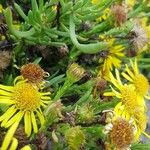
Limbarda crithmoides
Golden samphire · Samphire
Description
Source: leafsnapLimbarda crithmoides, commonly known as golden samphire or rock samphire, is a perennial herbaceous plant belonging to the Asteraceae family. Native to Europe, it thrives in coastal areas, rocky cliffs, and salt marshes. The plant features a fleshy stem that can grow up to 60 cm in height, accompanied by narrow, green-grey leaves. The flowers of Limbarda crithmoides are small, yellow, and about 1 cm in diameter. They bloom from July to September, attracting various pollinators such as bees, butterflies, and hoverflies. This plant has been used for medicinal purposes for centuries due to its anti-inflammatory properties. It was also a valuable food source for sailors during long voyages because of its high vitamin C content. Limbarda crithmoides plays a vital role in coastal ecosystems by helping to stabilize soil erosion on rocky cliffs and providing habitat for various wildlife species, including birds, insects, and small mammals. In summary, Limbarda crithmoides is a fascinating plant with significant ecological and medicinal value, making it an important species to conserve.
Care Guide
💧 Water Every 7 days
Golden samphire, which originates from salty coastal habitats, thrives in high humidity and occasional flooding. It prefers consistent moisture and requires weekly watering to stay healthy. In its natural environment, golden samphire relies on seasonal rainfall to maintain its water reserves, demonstrating its adaptability to changing conditions.
How should I water my Golden samphire?
To properly water the Golden samphire, it's best to use filtered, room temperature water. Tap water may contain harmful particles, so filtered water is safer for this plant. The Golden samphire is accustomed to warm environments, so using cold water can be a shock to its system. Additionally, it's important to avoid overhead watering to prevent foliage complications. Instead, simply apply the filtered room temperature water to the soil until it is completely soaked. This helps moisten the roots and allows them to spread and collect necessary nutrients.
What should I do if I give my Golden samphire too much water or not enough water?
Overwatering is a common issue for Golden samphire, and it can cause the stems and leaves to wilt and turn yellow. It can also lead to diseases like root rot, mold, and mildew, which can be fatal for the plant. On the other hand, underwatering is less common but still possible. Signs of underwatering include brittle and brown leaves. It's important to notice the signs of overwatering early on because some diseases, like root rot, may not be fixable if you wait too long. If you see these signs, reduce your watering schedule and check the soil drainage. If it drains poorly, replace it with a well-draining potting mix. If you notice signs of underwatering, simply water the plant more regularly.
How often do I need to water my Golden samphire?
If your Golden samphire is planted in a pot, you can check if it needs watering by sticking your finger into the soil. If the top two to three inches of soil are dry, it's time to water it. If you grow your Golden samphire in the ground outdoors, you can use the same method to test the soil. Once the top few inches of soil have dried out, it's time to water it. Usually, you'll need to water this plant once a week during spring and early fall. However, in extremely hot weather, you may need to water it twice a week or more. It's worth noting that mature, well-established Golden samphire plants can withstand drought to an impressive extent.
How much water does my Golden samphire require?
When watering your Golden samphire, it's important to be generous with the amount of water you give. Make sure the first two to three inches of soil are dry before watering, and then thoroughly soak the soil. You should add enough water so that it flows through the drainage holes at the bottom of the pot. If you don't see any excess water draining out, it means you haven't watered enough. However, be careful not to let the water accumulate in the soil, as this can harm the plant. If water isn't draining properly, it could be a sign that your soil doesn't have good drainage, which can be harmful to the plant's health. If the plant is outside, it generally needs around 1 inch of rain per week to stay healthy.
How should I water my Golden samphire when it is growing at different stages?
The water needs of the Golden samphire can vary depending on its growth stages. In the early years and when it is newly transplanted, it requires more water than usual. During these stages, the plant focuses on developing new roots, which requires extra moisture. As the plant matures, its water requirements decrease. Additionally, the bloom period is another stage when the Golden samphire may need more water due to the energy used for flower development.
☀️ Light Full sun
Golden samphire does well in abundant sunlight, reflecting its origins in areas with plenty of sun. It requires strong sun exposure at every stage of growth; lacking sufficient light can stunt its development. However, it is less harmed by too much sunlight than some other plants.
What are the sunlight requirements for Golden Samphire?
Golden Samphire requires full sun, which means it needs to be exposed to direct sunlight for more than 6 hours each day. It's essential to observe the movement of sunlight through your garden and choose locations that provide a mix of light and shade to ensure the plants' well-being. Originating from sunny environments, Golden Samphire thrives when it receives plentiful solar exposure throughout all its growth stages. Insufficient sunlight can stunt its growth, although it is relatively resilient against overexposure to sunlight.
Can I use artificial lighting for Golden Samphire if natural sunlight is insufficient?
Yes, artificial lighting can supplement or replace natural sunlight for Golden Samphire, especially in indoor settings, during winter, or in spaces that receive limited sunlight. LED lights are recommended for their ability to provide specific wavelengths needed for the plant's growth. For different plant requirements, full sun plants need 30-50W/sq ft, partial sun plants require 20-30W/sq ft, and full shade plants should have 10-20W/sq ft of artificial light. The artificial light source should be placed 12-36 inches above the plant, and the duration should mimic natural daylight hours, typically 8-12 hours per day.
What are the symptoms of insufficient light exposure in Golden Samphire?
Symptoms of insufficient light exposure in Golden Samphire include smaller new leaves, leggy or sparse growth, faster leaf drop, slower or halted new growth, and lighter-colored or yellowing leaves (chlorosis). Other symptoms indicating too much light exposure are sunscald, leaf curling, wilting, leaf scorching, and chlorosis, where leaves lose their green color due to the breakdown of chlorophyll from excessive sunlight exposure. These symptoms suggest the need to adjust the plant's lighting conditions.
How can I address lighting issues for Golden Samphire?
To address lighting issues for Golden Samphire, gradually increase its exposure to sunlight by moving it to sunnier locations each week, ensuring at least 6 hours of direct sunlight daily. For indoor plants, use a south-facing window or consider artificial light sources, such as desk or ceiling lamps left on for at least 8 hours daily or professional grow lights. If moving outdoor plants, do so gradually to prevent sunburn. Prune trees or other obstructions blocking sunlight, or transplant smaller plants to sunnier locations, ideally during their dormant period for better sunlight exposure.
🌡️ Temperature 15–35°C
Golden samphire comes from habitats where temperatures are commonly between 59 and 95 °F (15 to 35 ℃). It prefers a moderate to warm climate. When seasons change, keep its temperature within this ideal range whenever possible.
What is the natural habitat temperature range for Golden Samphire?
Golden Samphire, botanically known as Limbarda crithmoides, thrives naturally in environments where the temperature typically ranges between 59 to 95 °F (15 to 35 °C). This preference for moderate to warm climates suggests that maintaining the temperature within this optimal range is beneficial for the plant, especially when considering seasonal changes.
Does Golden Samphire have any cold tolerance?
Yes, Golden Samphire exhibits some level of cold tolerance. Generally, it does not require additional protective measures when temperatures are above -5°C. However, should temperatures be expected to drop below -5°C, taking temporary cold protection measures becomes necessary. These can include wrapping the plant with materials like plastic film, fabric, or other suitable coverings. Once temperatures rise again, these protective measures should be removed to avoid any potential damage to the plant.
How should Golden Samphire be cared for in low temperatures?
Golden Samphire has a moderate tolerance to low temperatures, thriving best above 15°C and requiring care to keep it above -5°C during winter. If temperatures fall below -10°C, its leaves may droop, indicating mild stress from which it can recover. However, in severe cold, leaves will wilt and may eventually fall off. To prevent cold damage, it's advisable to trim frost-affected parts, wrap the plant with insulating materials such as non-woven fabric or cloth, and erect a wind barrier to shield it from cold winds as preventative measures before encountering low temperatures again.
What should be done if Golden Samphire is exposed to high temperatures?
Golden Samphire should ideally be kept below 35°C during the summer months. Exposure to temperatures above 41°C can result in lightening of leaf color, tips drying and withering, leaf curling, and increased susceptibility to sunburn. In such cases, it's essential to trim away sunburned and dried-up parts of the plant. Moving the plant to a shaded location or using a shade cloth to protect it from the midday and afternoon sun, combined with watering in the morning and evening to maintain soil moisture, are effective strategies to mitigate heat stress.
💨 Humidity
🪴 Soil 6-7
🌱 Fertilizer
To maximize the yield and flavor of Golden samphire, provide sufficient nitrogen throughout the growth cycle, including pre-planting and at harvest. Well-watered, well-fertilized plants produce plentiful, healthy leaves and help minimize bitterness. Before planting, enrich the soil with organic matter such as compost or manure, ideally applied 2 to 8 weeks in advance.
Why should I put plant food on my Golden samphire?
The main structure of the Golden samphire is made up of its leaves. One of the best ways to ensure that the leaves look great and function properly is by fertilizing the plant correctly. This will help the Golden samphire maintain consistent color and a healthy texture in its leaves. Fertilization also benefits the plant below the soil's surface, aiding in the development of new roots and supporting the existing root system. By fertilizing, you not only keep your plant healthy in the present, but also enable it to absorb nutrients from the soil more effectively in the future.
When should I fertilize my Golden samphire?
When you grow your Golden samphire outdoors, it will send out new growth in early spring. This is a sign for you to start fertilizing the plant for the year. Typically, a single application of fertilizer is sufficient for the Golden samphire to thrive. However, if you want to maximize its growth, you can fertilize it multiple times during spring and early summer. In this case, you should feed your Golden samphire about once every month to a month and a half.
When is it not a good time to fertilize my Golden samphire?
During the late fall and winter, your Golden samphire will be in a dormant phase, meaning it won't grow. It's important not to fertilize your Golden samphire during this time. If you do choose to fertilize in the spring and summer, you should start reducing the amount as summer approaches because the samphire's growth rate also slows down. It's never a good idea to fertilize your Golden samphire when it's extremely hot or the soil is dry as it can cause stress and premature death.
What kind of fertilizer does my Golden samphire plant need?
Choosing the right fertilizer for a Golden samphire is actually quite simple. These plants will thrive on a general-purpose garden fertilizer that contains equal amounts of nitrogen, phosphorus, and potassium. Look for a fertilizer with a ratio of 10-10-10 or something similar – it will work effectively. Avoid fertilizers with high nitrogen levels if uncertain. Most of the ideal fertilizers for Golden samphire come in granular form and should be slow-release, making them easy to apply to the soil. Additionally, using organic soil amendments like compost can be beneficial when feeding your Golden samphire.
How do I add plant food to my Golden samphire?
To ensure optimal growth of your Golden samphire, wait for its first leaves to emerge in early spring. Once you spot this, apply a balanced slow-release fertilizer to the soil surrounding the base of the plant. If desired, you can repeat this process later in the season. Remember to apply the fertilizer directly to the soil, not the plant, which may require moving some leaves aside. Additionally, it is beneficial to water your Golden samphire before and after fertilizing.
🪴 Pot & Repot
✂️ Pruning
Golden samphire thrives in coastal regions, thanks to its salt-tolerant leaves. For optimal growth and shaping, prune the plant from early to late spring, concentrating on healthy buds. Regular pruning not only improves the plant's appearance but also boosts its health. To minimize the risk of disease, ensure that your tools are sanitized.
🌿 Propagating
🐛 Diseases & pets
☠️ Toxicity
Characteristics
- Plant Type
- Herb
- Life Cycle
- Perennial
- Genus
- Limbarda
- Family
- Asteraceae
- Hardiness Zone
- 8-10
- Mature Height
- 91 cm
- Mature Spread
- 40 cm to 76 cm
- Leaf Color
- Dark Green
- Leaf Type
- Evergreen
- Flower Color
- Yellow
- Flower Size
- 1.52 cm to 2.54 cm
- Bloom Time
- Mid summer, Late summer, Early fall
- Planting Time
- Spring, Summer, Autumn
- Harvest Time
- Early fall, Mid fall
- Native Area
- Libya, Egypt, Turkey, Tunisia, Cyprus, Greece, Croatia, Slovenia, Morocco, Lebanon, Portugal, Syria, Italy, Spain, Albania, Ireland, United Kingdom, Algeria, France