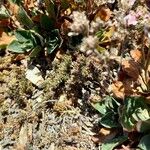
Limonium binervosum
Rock Sea-lavender · Lilac sea lavender
Description
Source: leafsnapLimonium binervosum, commonly known as the Two-nerved Sea Lavender, is a perennial herbaceous plant that belongs to the Plumbaginaceae family. Native to Europe, it thrives in coastal areas and salt marshes. The plant can grow up to 60 cm in height and has a woody base with numerous stems covered in small white hairs. The leaves of Limonium binervosum are lance-shaped and gray-green, featuring two prominent veins running along their length. Its flowers are small and cluster on long stems that rise above the foliage. Blooming from June to September, the flowers have a pale blue or lilac hue. Limonium binervosum plays a crucial role in coastal ecosystems by stabilizing sand dunes through its roots, which trap sand particles. Additionally, it provides food for various insects, including butterflies, bees, moths, and beetles. In traditional European medicine, notably in Greece where it is called "Kafkalithra," Limonium binervosum has been used for its anti-inflammatory properties. It is considered useful for relieving arthritis pain and treating respiratory infections and digestive issues. Overall, Limonium binervosum is an attractive ornamental plant suitable for indoor or outdoor growth, depending on climate conditions. Its ecological benefits and visual appeal make it a valuable addition to any garden or landscape design project.
Care Guide
💧 Water Every 7 days
Rock sea lavender is well-suited to coastal habitats and thrives in well-drained soils. It is drought-tolerant, but requires weekly watering to avoid over-saturation. This plant performs best outdoors in full sunlight. Additionally, it benefits from natural rain cycles, which help promote robust flowering during the growing season.
How do I water my Rock sea lavender during different seasons?
The water needs of the Rock sea lavender vary throughout the year. In the summer months, when it is hottest, the plant requires frequent watering, possibly more than once per week, depending on how quickly the soil dries out. However, in winter, the plant goes into a dormant phase and requires significantly less water. In fact, you may not need to water it at all during this time. If you do choose to water during winter, it should be done sparingly, about once per month. Overwatering during winter increases the risk of disease for the Rock sea lavender.
How should I water my Rock sea lavender?
To properly care for the Rock sea lavender, it is best to use filtered water at room temperature. Tap water may contain harmful particles, so it is important to use filtered water instead. This plant is accustomed to a warm environment, so using cold water can be a bit of a shock. It is also recommended to avoid overhead watering, as it can cause issues with the foliage. Instead, you should apply the filtered room temperature water directly to the soil until it is fully soaked. This method of watering is beneficial for the plant as it provides moisture to the roots, allowing them to spread and absorb necessary nutrients from the soil.
What do I do if I give my Rock sea lavender too much or too little water?
Overwatering is a more common problem for Rock sea lavender, which can cause wilting and yellowing of the stems and leaves. Prolonged overwatering can lead to diseases like root rot, mold, and mildew, which can be fatal for the plant. Underwatering is less common, but it can still happen, resulting in brittle and brown leaves. It's important to identify signs of overwatering early to prevent irreversible damage. Reduce watering immediately if you notice these signs and consider replacing poorly draining soil with a loose, well-draining potting mix. If you see signs of underwatering, simply increase the watering frequency until the signs disappear.
How frequently should I water my Rock sea lavender plant?
If your Rock sea lavender is in a pot, the best way to check if it needs water is by sticking your finger in the soil. If the top two to three inches of soil are dry, it's time to water it. If you're growing your Rock sea lavender outside in the ground, you can use the same method to check the soil. Once the top few inches of soil have dried out, it's time to water. Usually, during spring and early fall, you'll need to water this plant about once a week. However, during extremely hot weather, you might need to increase watering to twice a week or more. It's worth noting that mature and well-established Rock sea lavender plants can handle dry conditions very well.
How much water does my Rock sea lavender need? -> How much water does my Rock sea lavender plant require?
When watering your Rock sea lavender, don't hold back on the amount of water you give. Wait until the top two to three inches of soil are dry, and then give it a thorough watering. Make sure to water enough to completely soak the soil, and allow excess water to drain out of the pot through the drainage holes. If you don't see excess water draining, it means you haven't watered enough. However, be careful not to let water accumulate in the soil, as this can harm the plant. On the other hand, if water doesn't drain through the pot, it might indicate poorly draining soil, which you should avoid. If the plant is located outside, it should receive about 1 inch of rain per week.
☀️ Light Full sun
Rock sea lavender reaches its best growth when it receives a plentiful amount of sunlight each day. It thrives in very bright conditions, yet a shortage of light generally does not cause obvious harm. Its origin in sun-drenched habitats has reinforced this preference, but prolonged overexposure to the sun can lead to leaf scorch.
How much sunlight does Rock sea lavender require?
Rock sea lavender thrives best when exposed to full sunlight for more than 6 hours a day. It originates from environments rich in sunlight, thus showing optimal growth in bright conditions. However, while it can tolerate some deviation from this ideal without significant harm, excessive exposure can lead to leaf scorch. It's vital to observe the movement of sunlight through your garden to find the perfect balance for your plants, ensuring a blend of light and shade for their utmost happiness.
What solutions are available for Rock sea lavender with insufficient sunlight?
For Rock sea lavender experiencing insufficient sunlight, several solutions can be implemented. Indoors, gradual relocation to sunnier spots or the use of artificial lighting can boost light exposure. Plants should be moved towards a south-facing window or supplemented with at least 8 hours of artificial light daily. Outdoors, adjusting plant locations to gradually accustom them to increased sunlight is recommended, along with minimizing obstructions like tree branches. Transplanting smaller plants to sunnier locations during their dormant period can also promote better sunlight absorption.
What symptoms indicate insufficient or excessive sunlight in Rock sea lavender?
Symptoms of insufficient sunlight in Rock sea lavender include smaller new leaves, leggy growth, early leaf drop, slowed or halted growth, paler or irregularly colored new leaves. Excessive sunlight can cause chlorosis, sunscald, leaf curling, wilting, and leaf scorching. Each of these symptoms offers clues about the plant's current state regarding light exposure. Insufficient sunlight may result in growth challenges and weaken the plant's structural integrity, while excessive sunlight can damage plant tissues and impede photosynthesis.
Are there recommended artificial lighting strategies for Rock sea lavender?
Artificial lighting can significantly support Rock sea lavender's growth, especially when natural light is inadequate. Opting for LED lights is beneficial as they can be customized to match specific plant needs, providing the right wavelengths of light. The intensity and distance of artificial light should be adjusted according to plant requirements, with full sun plants needing 30-50W/sq ft, partial sun plants 20-30W/sq ft, and full shade plants 10-20W/sq ft. Ideally, artificial light should be positioned 12-36 inches from the plant and kept on for 8-12 hours a day to mimic natural daylight conditions.
🌡️ Temperature 15–35°C
Rock sea lavender can tolerate a wide range of temperatures, but its range may still be restricted by specific combinations of moisture and heat. It performs best in warm summer climates with adequate rainfall or irrigation. Extended periods of cloudy, rainy weather or prolonged high temperatures increase the risk of Rock sea lavender dying. In winter, shielding the plant from cold helps improve its survival rate.
💨 Humidity
🪴 Soil 6-7
🌱 Fertilizer
The best time to fertilize a Rock sea lavender is in early spring, as it comes out of dormancy and starts active growth. Fertilization supplies essential nutrients for healthy development. While Rock sea lavender has fairly low fertilizer requirements, an annual feeding can boost its survival and encourage better, longer-lasting blooms.
🪴 Pot & Repot
✂️ Pruning
Rock sea lavender, known for its sturdy stems and lovely lavender blooms, benefits from pruning in early spring before new growth begins. To promote good airflow, remove any dead stems, but avoid cutting back too much at once. Consistent, gentle trimming encourages more blooms and enhances the plant's overall health, ensuring a vibrant display throughout the growing season.
🌿 Propagating
🐛 Diseases & pets
☠️ Toxicity
Characteristics
- Plant Type
- Herb
- Life Cycle
- Perennial
- Genus
- Limonium
- Family
- Plumbaginaceae
- Hardiness Zone
- 7-10
- Mature Height
- 10 cm to 30 cm
- Mature Spread
- 20 cm to 40 cm
- Leaf Color
- Green
- Leaf Type
- Evergreen, Deciduous
- Flower Color
- Lavender
- Flower Size
- 0.25 cm to 0.51 cm
- Bloom Time
- Summer
- Planting Time
- Spring, Summer
- Harvest Time
- Late summer, Early fall, Mid fall
- Native Area
- Spain, Ireland, United Kingdom, Morocco, France