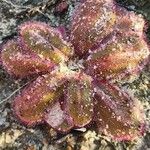
Limonium echioides
Care Guide
💧 Water
Limonium echioides thrives in coastal environments, preferring conditions with moderate moisture. It needs consistent soil hydration, ideally with watering once a week, while avoiding overly wet or waterlogged soil. This plant is usually grown outdoors and flourishes when soil moisture is carefully monitored during its active growing season.
How should I water my Limonium echioides plant to keep it healthy?
When watering Limonium echioides, you have several options for tools: a garden hose with a spray nozzle, a watering can, or any other common watering tool. Fortunately, Limonium echioides is not too particular about how it receives water and can thrive on rainwater, tap water, or filtered water. However, it's generally best to avoid watering this plant from above, as this can harm the leaves and flowers and potentially lead to disease. Instead, a drip irrigation system is often the most effective watering method for this plant, as it provides even and direct watering to the soil. For Limonium echioides grown in containers, you can use a similar approach but change the tools. To water a container-grown Limonium echioides, simply use a cup, watering can, or tap water to apply water directly to the soil.
How can I know if I'm giving enough water to my Limonium echioides?
Avoiding overwatering of Limonium echioides can be challenging due to their deep root system that requires weekly moistening of the soil. However, these plants are highly prone to root rot and can also suffer from browning when overwatered. Underwatering is less of a concern as Limonium echioides can survive without additional watering for an extended period. Nevertheless, if the plant is deprived of water for too long, it will start wilting and its leaves may become dry.
What should I do if I give too much or too little water to my Limonium echioides?
To help your underwatered Limonium echioides, simply start watering it more regularly when you notice it lacks moisture. However, overwatering can be a more serious problem. If your Limonium echioides is overwatered, it can become susceptible to diseases that may cause it to decline and die. To prevent this, choose a suitable location for your plant, one that receives plenty of sunlight to dry the soil and has good drainage to avoid waterlogging. If you have overwatered your potted Limonium echioides, consider repotting it. Your previous container may not have had good drainage or enough drainage holes. When repotting, use loose soil and a pot that drains efficiently.
How frequently should I water my Limonium echioides?
To keep Limonium echioides healthy, it's important to water it regularly. In the spring, watering once per week is sufficient. However, as the weather gets warmer, you may need to increase the frequency to two or three times per week. It's important to avoid overwatering, as this can harm the plant. Regardless of how often you water, make sure that the soil remains moist but not overly wet. When watering Limonium echioides in a pot, you'll likely need to water more frequently than if it's planted in the ground. Potted plants tend to dry out faster, so watering a few times per week is usually necessary.
How much water does my Limonium echioides plant need?
To determine how much water to give your Limonium echioides, there are a few different approaches you can take. Some gardeners prefer to assess the soil's moisture level by feeling it. This method involves watering until the top six inches of soil feel moist. Another approach is to use a specific measurement as a guideline. Typically, giving your Limonium echioides about two gallons of water per week is recommended, taking into account factors like temperature and soil dryness. However, it's important to note that sticking strictly to these guidelines may result in overwatering if your plant requires less water for some reason. When growing Limonium echioides in a container, a different method is needed. In this case, you should water enough to moisturize all layers of dry soil. You can check for moisture by inserting your finger into the soil or monitoring for a subtle overflow of water through the pot's drainage holes.
☀️ Light Full sun
Limonium echioides comes from sunny, open habitats and grows best in full sun. It will tolerate some partial shade but favors direct sunlight for optimal development. This plant, which can be annual or biennial, is noted for its sun-loving character.
What are the sunlight requirements for Limonium echioides?
Limonium echioides thrives in environments with full sun, requiring more than 6 hours of sunlight daily. However, it can also tolerate partial sun, defined as about 3-6 hours of sunlight per day. To ensure the health of your plants, it's important to monitor the movement of sunlight through your garden and select locations that offer the optimal blend of light and shade.
How essential is sunlight for the growth of Limonium echioides?
Sunlight is crucial for the growth of Limonium echioides, a plant that originates from bright, open environments. For optimal growth, it prefers direct sunlight but can tolerate partial sun. During periods of insufficient natural sunlight, such as in winter or less sunny spaces, artificial lighting can be a beneficial substitute, ensuring your indoor plants receive adequate light for faster and healthier growth. Specifically, LED lights can be tailored to provide the wavelengths needed by your plants, with full sun plants requiring 30-50W/sq ft, partial sun plants needing 20-30W/sq ft, and full shade plants needing 10-20W/sq ft of artificial light.
What are the common symptoms of inadequate light in Limonium echioides?
When Limonium echioides is grown indoors or under inadequate light, it may exhibit symptoms such as smaller new leaves, leggy or sparse growth, faster leaf drop, slower or no new growth, lighter-colored new leaves, chlorosis (leaves turning yellow), sunscald, leaf curling, wilting, and leaf scorching. These symptoms indicate a struggle with light deficiency, affecting the plant's overall health and growth.
What solutions are recommended for Limonium echioides suffering from light deficiency?
For Limonium echioides facing light deficiency, gradual adaptation to a sunnier environment is key. Indoors, move the plant into a location receiving at least 6 hours of direct sunlight daily, preferably by a south-facing window, or use artificial grow lights for at least 8 hours daily. Outdoors, shift the plants to sunnier spots progressively to avoid sunburn. If trees block sunlight, consider pruning to enhance light penetration. For smaller plants, transplanting during their dormant period to a sunnier location with good drainage can be beneficial. It's important to note that parts of the plant already affected by insufficient sunlight may not recover, but new growth will be healthy with improved light exposure.
🌡️ Temperature 15–37.8°C
Limonium echioides can tolerate a wide range of temperatures, but its distribution may still be restricted by specific combinations of moisture and heat. It grows best in warm summer conditions with sufficient rainfall or watering. Extended periods of cloudy, rainy weather or prolonged high temperatures can increase the chance of Limonium echioides dying. In winter, adequate protection from cold can improve the plant's survival.
💨 Humidity
🪴 Soil 6-8
🌱 Fertilizer
When most of Limonium echioides' blooms have opened to full size, resume fertilizing. Around the time the blooms are at their peak output, apply fertilizer every three to four weeks, weather permitting. Then, once Limonium echioides begins producing fewer new blooms, stop fertilizing; there's no need to feed the plant when it can no longer produce additional blooms.
🪴 Pot & Repot
✂️ Pruning
To promote healthy growth and improve air circulation, prune Limonium echioides from early to late spring by removing dead stems. Cutting just above the leaf nodes will stimulate new growth, in harmony with the plant's natural growth cycle. This practice not only enhances blooming and vigor but also helps maintain a healthier and more aesthetically pleasing structure.
🌿 Propagating
🐛 Diseases & pets
☠️ Toxicity
Characteristics
- Plant Type
- Herb
- Life Cycle
- Annual
- Genus
- Limonium
- Family
- Plumbaginaceae
- Hardiness Zone
- 8-11
- Mature Height
- 10 cm to 30 cm
- Mature Spread
- 5 cm to 15 cm
- Leaf Color
- Green
- Leaf Type
- Evergreen
- Flower Color
- Lavender
- Flower Size
- 0.25 cm to 0.51 cm
- Bloom Time
- Early summer, Mid summer
- Planting Time
- Spring, Summer, Autumn
- Harvest Time
- Late summer, Early fall
- Native Area
- Libya, Egypt, Turkey, Tunisia, Italy, Portugal, Spain, Cyprus, Algeria, Greece, Morocco, France