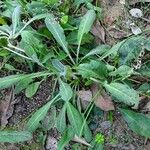
Limonium narbonense
Narrow-leaved Sea-lavender
Description
Source: leafsnapLimonium narbonense is a species of sea lavender belonging to the family Plumbaginaceae.
Care Guide
💧 Water
Swamp sea-lavender, a plant native to saline wetlands, thrives in environments with high moisture and can tolerate flooding. It requires consistent hydration, typically needing weekly watering. As an outdoor herbaceous perennial, it benefits from rainwater, which supports its growth and enhances its resilience.
How should I water my Swamp sea-lavender throughout the year?
The Swamp sea-lavender has different water needs in different seasons. During the hottest months of the year, such as summer, you may need to water the plant more than once a week, depending on how quickly the soil dries out. However, in winter, the plant goes into a dormant phase and requires much less water. In fact, you may not need to water the plant at all during the winter months. If you do decide to water it during winter, make sure to do so only about once a month, as overwatering can increase the risk of disease for the Swamp sea-lavender.
How should I water my Swamp sea-lavender?
To properly care for the Swamp sea-lavender, use filtered water at room temperature or slightly warmer. Tap water may contain harmful particles, so filtered water is preferred. The plant is accustomed to warm environments, so cold water can be detrimental. It's important to avoid overhead watering to prevent foliage issues. Instead, thoroughly soak the soil with your filtered room temperature water. This helps moisturize the roots, promote their spread, and facilitate nutrient absorption.
What do I need to do if I give my Swamp sea-lavender too much or too little water?
Overwatering is a more common problem for Swamp sea-lavender plants and can cause wilting, yellowing leaves, and potential diseases like root rot, mold, and mildew. Underwatering is less common but can result in brittle, brown leaves. It's important to recognize the signs of overwatering early and reduce watering immediately. If the soil drains poorly, replace it with a well-draining mix. If the plant is receiving too little water, increase watering until signs of drought stress disappear.
How frequently do I need to water my Swamp sea-lavender?
If your Swamp sea-lavender is in a pot, the most precise way to determine if it needs water is by checking the soil with your finger. If the top two to three inches of the soil feel dry, then it's time to water. If you have your Swamp sea-lavender planted outdoors in the ground, you can use a similar method to test the soil. Again, if the top few inches of soil have dried out, it's time to water. Typically, during spring and early fall, you'll need to water this plant about once a week. However, during extremely hot weather, you may need to water it twice or more per week. It's important to note that mature and well-established Swamp sea-lavender plants have a great ability to withstand drought.
How many times do I need to water my Swamp sea-lavender plant?
To properly water your Swamp sea-lavender, don't hold back on the amount of water you give. Make sure the top two to three inches of soil are dry before watering. It's best to thoroughly soak the soil, ensuring that it is completely saturated. You'll know you've added enough water when excess water flows out through the drainage holes at the bottom of the pot. If you don't see any water draining, then you might not have given enough water. However, be cautious not to let water accumulate in the soil as it can harm the plant. On the other hand, if water doesn't drain properly, it could mean that the soil is not draining well, which is not good for the plant's health. When the plant is outside, receiving 1 inch of rain per week should suffice.
☀️ Light Full sun
Swamp sea-lavender is a sun-loving, perennial herbaceous species native to open habitats and commonly flourishing in meadows and grasslands. It favors full sun but can also tolerate partial sun.
What are the sunlight requirements for Swamp sea-lavender?
Swamp sea-lavender, or Limonium narbonense, is a sun-loving perennial herb that thrives in full sunlight, requiring more than 6 hours of sunlight per day. It can also tolerate partial sun conditions, which means about 3-6 hours of sunlight daily. It's essential to observe the movement of sunlight through your garden to choose the best spots for these plants, ensuring they receive the proper balance of light and shade for optimal growth.
What should you do if natural sunlight is insufficient for Swamp sea-lavender?
When natural sunlight is insufficient, particularly during winter or in less sunny spaces, it's recommended to use artificial lighting to support Swamp sea-lavender's growth. LED lights are a great choice because they can be tailored to provide specific wavelengths needed by plants. Full sun plants typically require 30-50W per square foot, partial sun plants need 20-30W per square foot, and full shade plants should get 10-20W per square foot. The light source should be placed 12-36 inches above the plant to mimic natural sunlight conditions, ensuring most plants receive 8-12 hours of light per day.
What symptoms indicate insufficient lighting for Swamp sea-lavender?
Symptoms of light deficiency in Swamp sea-lavender include smaller new leaves compared to older ones, leggy or sparse growth with longer spaces between leaves or stems, faster leaf drop as the plant conserves resources, delayed or completely halted growth, and pale or irregularly colored new leaves. Chlorosis, or the yellowing of leaves due to the breakdown of chlorophyll, sunscald marked by pale or necrotic spots on the plant, leaf curling as a defensive measure against water loss, wilting due to excessive transpiration, and leaf scorching from too much sunlight, are also common symptoms.
How can you remedy the effects of insufficient or excessive sunlight on Swamp sea-lavender?
To remedy insufficient sunlight, gradually move Swamp sea-lavender to a sunnier location each week until it receives at least 6 hours of direct sunlight daily. For indoor plants, consider using artificial light sources like desk or ceiling lamps for at least 8 hours a day or invest in professional plant grow lights. For outdoor plants, ensure a gradual transition to sunnier spots to prevent sunburn. Removing obstructions such as tree branches can also help increase sunlight exposure. If the plant is small enough, transplanting during its dormant period to a location with better sunlight and drainage can also be beneficial. Note that parts of the plant already affected may not recover, but new growth will be healthy with improved light conditions.
🌡️ Temperature 15–37.8°C
Swamp sea-lavender can adjust to a wide range of temperature conditions, though its distribution may still be restricted by different combinations of moisture and heat. It grows best in warm summer climates with sufficient rainfall or watering. Extended periods of cloudy, rainy weather or persistent high temperatures can raise the likelihood of swamp sea-lavender dying. In winter, appropriate protection from cold can increase the plant’s chances of survival.
💨 Humidity
🪴 Soil 6-7
🌱 Fertilizer
The best time to fertilize a Swamp sea-lavender is in early spring, as it comes out of dormancy and starts active growth. Fertilizing supplies essential nutrients for healthy development. While Swamp sea-lavender needs relatively little fertilizer, applying it once a year can improve its survival and encourage nicer, longer-lasting blooms.
🪴 Pot & Repot
✂️ Pruning
To encourage healthy growth and shape, prune swamp sea-lavender from early spring to late winter by removing dead stems and spent flowers. Additionally, thinning out overcrowded branches improves air circulation, reduces the risk of disease, and enhances blooming. Be sure to use clean, sharp tools for cutting to prevent infection and maintain the plant's vitality.
🌿 Propagating
🐛 Diseases & pets
☠️ Toxicity
Characteristics
- Plant Type
- Herb
- Life Cycle
- Perennial
- Genus
- Limonium
- Family
- Plumbaginaceae
- Hardiness Zone
- 8-11
- Mature Height
- 3 cm to 6 cm
- Mature Spread
- 30 cm to 49 cm
- Leaf Color
- Green, Blue
- Leaf Type
- Evergreen
- Flower Color
- Lavender
- Flower Size
- 0.51 cm to 0.76 cm
- Bloom Time
- Summer
- Planting Time
- Spring, Summer, Autumn
- Harvest Time
- Late summer, Early fall, Mid fall
- Native Area
- Egypt, Tunisia, Turkey, Cyprus, Bulgaria, Greece, Croatia, Slovenia, Morocco, Lebanon, Syria, Italy, Spain, Albania, Algeria, France