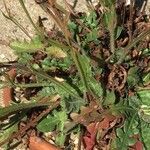
Limonium sinuatum
شصت عروسان کاغذی · Perennial sea-lavender · Statice · Wavyleaf Sea-lavender · Winged Sea-lavender
Description
Source: leafsnapLimonium sinuatum, commonly known as wavyleaf sea lavender, is a perennial herbaceous plant belonging to the Plumbaginaceae family. Native to the Mediterranean region, this plant thrives in coastal areas and salt marshes. It can grow up to 60 cm in height and features a woody base with numerous stems covered in small, narrow leaves. The flowers of Limonium sinuatum are small and delicate, each with five petals that range in color from white to pink or purple. These flowers bloom from late spring through summer, attracting bees, butterflies, and other pollinators. Often cultivated as an ornamental plant, Limonium sinuatum is valued for its attractive flowers. It can be grown in gardens or containers, provided it receives full sun exposure and well-drained soil. Additionally, the plant is utilized for its anti-inflammatory properties in medicinal applications. Overall, Limonium sinuatum is a stunning addition to any garden or landscape design, offering both aesthetic appeal and potential health benefits.
💡 Wavyleaf sea lavender serves as an appealing filler in floral arrangements and retains its color well when dried. To dry the flowers, hang them upside down in bunches in a dry, sheltered room. Unfortunately, the natural habitat of the wavyleaf sea lavender has diminished due to development, and it has been overharvested for use by florists. In response, many regions have enacted laws to protect this plant, and it is not advisable to remove it from its natural environment.
🌳 Wavyleaf sea lavender is a popular flowering plant with numerous uses in both gardens and floral arrangements. It thrives outdoors, making it an excellent choice for cut flower gardens and adding vibrant color to garden borders. Additionally, this plant tolerates salty soil conditions, making it ideal for coastal areas, and it attracts beneficial pollinators.
🎭 Compassion
Care Guide
💧 Water Every 7 days
Wavyleaf sea lavender is well-suited to coastal environments, as it can tolerate drought and lower humidity. For optimal growth, it requires weekly watering and thrives in well-draining soil to replicate its natural habitat. This plant is mainly cultivated as an ornamental, showcasing both resilience and vibrant blooms, which make it an excellent choice for outdoor gardens.
How should I water my Wavyleaf sea lavender plant?
To properly care for the Wavyleaf sea lavender, it is recommended to use filtered water at room temperature. Tap water may contain harmful particles that can affect the plant's health. It is also important to avoid using cold water as the Wavyleaf sea lavender prefers a warmer environment. Instead of overhead watering, it is best to directly apply filtered room temperature water to the soil until it is completely soaked. This ensures that the roots are moistened and can continue to spread and collect nutrients from the soil.
What should I do if I give my Wavyleaf sea lavender too much or too little water?
Overwatering and underwatering can harm your Wavyleaf sea lavender, but overwatering is a more common problem. When this plant gets too much water, its stems and leaves may wilt and turn yellow. Overwatering for a long time can also cause diseases like root rot, mold, and mildew, which can kill your plant. Underwatering is less likely for Wavyleaf sea lavender because it can tolerate drought. However, it can still happen, and in that case, the leaves will become brittle and brown. It's important to notice the signs of overwatering as soon as possible. Some diseases caused by overwatering, like root rot, might not be fixable if you wait too long. If you see early signs of overwatering, reduce your watering schedule right away. Also, check the quality of the soil. If it drains poorly, replace it with a loose, well-draining potting mix. If you notice signs of underwatering, simply water more regularly until the signs disappear.
How frequently should I water my Wavyleaf sea lavender?
If your Wavyleaf sea lavender is in a pot, you can check if it needs water by sticking your finger into the soil. If the top two to three inches of soil are dry, it's time to water. The same method can be applied if you're growing the plant outdoors in the ground. In the spring and early fall, you'll likely need to water once a week following this method. During hot weather, you may have to water twice or more per week. However, mature and well-established Wavyleaf sea lavender can handle drought well.
How much water does my Wavyleaf sea lavender plant require?
To properly water your Wavyleaf sea lavender, don't be afraid to give it a generous amount of water. Make sure the first two to three inches of soil are dry before watering. It's best to thoroughly soak the soil, allowing excess water to flow out of the pot's drainage holes. If you don't see any excess water draining, it's likely that you haven't watered enough. However, be careful not to let water accumulate in the soil, as this can harm the plant. On the other hand, if water isn't draining well from the pot, it may indicate poorly draining soil, which is harmful to the plant's health. If the plant is located outside, around 1 inch of rain per week should be sufficient.
How do I water my Wavyleaf sea lavender at different times when it is growing?
The water needs of the Wavyleaf sea lavender can change depending on different growth stages. In the first few years or after transplanting, it requires more water than usual. During these stages, the plant focuses on developing new roots for future growth, which perform better with additional moisture. After a few seasons, the plant requires less water. Another stage that may require more water is during the bloom period, when flower development utilizes more moisture.
☀️ Light Full sun
Wavyleaf sea lavender thrives in locations with direct exposure to sunlight. This supports their healthy growth and development. A lack of sufficient light can impede their optimal progress. Native to habitats that receive abundant sunlight, wavyleaf sea lavender endures sun-drenched conditions.
What are the sunlight requirements for wavyleaf sea lavender?
Wavyleaf sea lavender requires full sun, which means it needs above 6 hours of sunlight daily to flourish. It thrives in areas with unfiltered exposure to solar light, crucial for its healthy growth and development. Originating from environments exposed to large amounts of sunlight, wavyleaf sea lavender is well-suited to sun-soaked conditions. It's important to watch how sunlight moves through your garden, selecting spots that provide a perfect balance of light and shade to ensure the plants' happiness.
How can artificial lighting support wavyleaf sea lavender growth indoors?
Indoor wavyleaf sea lavender plants require adequate lighting for optimal growth, especially when natural sunlight is insufficient, such as in winter or less sunny spaces. Artificial lights, particularly LED lights, can offer a vital solution by providing the specific wavelengths of light needed. For full sun plants like wavyleaf sea lavender, it's recommended to have 30-50W/sq ft of artificial light. The light source should be placed 12-36 inches above the plant, mimicking the natural daylight hours, with most plants needing 8-12 hours of light per day.
What are the symptoms of insufficient light in wavyleaf sea lavender?
Wavyleaf sea lavender may exhibit several symptoms when exposed to inadequate lighting, including smaller new leaves, leggy or sparse growth, faster leaf drop, slower or no new growth, lighter-colored new leaves, chlorosis (yellowing leaves), sunscald, leaf curling, wilting, and leaf scorching. These symptoms indicate that the plant is not receiving enough sunlight or is being negatively affected by excessive sunlight exposure.
How can I address light deficiency or excessive sunlight exposure in wavyleaf sea lavender?
To address light deficiency, gradually move plants to a sunnier location until they receive at least 6 hours of direct sunlight daily. For indoor plants, consider using a south-facing window and keeping curtains open during the day for maximum sunlight exposure. If necessary, use artificial light sources like desk or ceiling lamps for at least 8 hours daily or invest in professional plant grow lights. For excessive sunlight exposure, reduce obstructions such as pruning trees that block sunlight, and consider transplanting smaller plants to locations with ample sunlight and good drainage during their dormant period. Remember, parts of the plant affected by insufficient sunlight may not recover fully, but new growth should be healthy after adjusting light exposure.
🌡️ Temperature 5–32.2°C
Wavyleaf sea lavender originates from regions with moderate climates. It grows best in temperatures ranging from 68 to 95 °F (20 to 35 °C). Depending on the season, temperature regulation may be necessary to meet its seasonal preference.
What is the origin and ideal climate for Wavyleaf sea lavender?
Wavyleaf sea lavender, scientifically known as Limonium sinuatum, originates from regions with moderate climates. It thrives best in temperatures between 68 to 95 °F (20 to 35 °C). To cater to its seasonal preferences, temperature regulation may be necessary depending on the season. Notably, this plant is highly cold-tolerant, eliminating the need for additional frost protection measures during winter. However, it is recommended to water the plant generously before the first freeze in autumn to ensure the soil remains moist and enters a frozen state. This practice aids in preventing drought and water scarcity for the plant during the colder months and early spring.
How should I care for Wavyleaf sea lavender in low temperatures?
Wavyleaf sea lavender is extremely cold-tolerant, but to ensure its health and growth during and after winter, the winter temperature should be maintained above -30°C. If the temperature falls below this threshold, you might not notice any change during the winter, but there could be a decreased sprouting or no sprouting at all in spring. Should this occur, it is recommended to remove any parts of the plant that have failed to sprout in spring, allowing for healthier growth.
How does high temperature affect Wavyleaf sea lavender and what are the solutions?
Wavyleaf sea lavender shows intolerance to high temperatures above 35°C, leading to halted growth and increased susceptibility to rot. If exposed to such conditions, you should trim away any sunburned and dried-up parts of the plant to help it recover. To protect the plant from excessive heat, move it to a location that shades it from the midday and afternoon sun, or utilize a shade cloth for creating necessary shade. Additionally, watering the plant in the morning and evening will help keep the soil moist and conducive for its growth and survival during hot temperatures.
💨 Humidity dry (<40%)
This plant prefers dry conditions, so don't mist it. However, watering it less often can also thrive in higher humidity.
🪴 Soil 6-7
🌱 Fertilizer
For Wavyleaf sea lavender, the primary time to fertilize is in early spring when flowers are forming. The correct fertilizer promotes better blooms and helps Wavyleaf sea lavender produce attractive flowers. Fertilizing in early spring ensures excellent flowering during the season and supplies energy for dormant growth stages.
Why is it necessary to fertilize my Wavyleaf sea lavender?
Fertilization is important for the Wavyleaf sea lavender and other plants because it provides essential nutrients for growth. However, the Wavyleaf sea lavender has relatively low fertilization needs and can survive without it. Nevertheless, annual fertilization can greatly benefit the plant, helping it thrive and produce longer-lasting flowers. Therefore, those who want their Wavyleaf sea lavender to look its best should consider regular fertilization.
When should I put fertilizer on my Wavyleaf sea lavender?
The best time to fertilize a Wavyleaf sea lavender is in late winter to early spring when it is transitioning from dormancy to active growth. Fertilizing during this time promotes healthy growth and gives it a great start for the season. While early spring is the most advantageous time, it's also okay to fertilize in the fall. However, it's not recommended to fertilize in summer or winter.
When is it not a good idea to add fertilizer to my Wavyleaf sea lavender?
For best results, fertilize your Wavyleaf sea lavender only in late winter and early spring. This plant requires minimal fertilization, so a single feeding per year is sufficient. Avoid fertilizing during spring, summer, and fall to prevent overfertilization and its associated complications, unless you missed fertilizing in the spring, in which case fall feeding is acceptable. Additionally, there is no need to fertilize during winter as the plant will be in a dormant phase and not producing new growth.
What fertilizer does my Wavyleaf sea lavender require?
To provide the best care for your Wavyleaf sea lavender, you can use any general-purpose fertilizer with balanced amounts of the three main plant nutrients. However, there are specific nutrient blends that can be even more beneficial. Some gardeners believe that higher levels of phosphorus lead to stronger roots and better flowers. Considering Wavyleaf sea lavender is a flowering plant, applying a phosphorus-rich fertilizer may be ideal. Whether you choose a granular or liquid fertilizer, ensure it contains abundant nutrients. Aside from manufactured fertilizers, you can also improve the soil organically with compost, manure, and similar materials, creating a healthy growing medium for your Wavyleaf sea lavender.
How can I give my Wavyleaf sea lavender plant the nutrients it needs to grow?
To fertilize a Wavyleaf sea lavender, the most common method is to use granular or pellet fertilizer applied around the plant. It's important to fertilize the plant as it transitions from its winter dormant growth phase to active growth. In the early spring, you should wait for shoots to emerge and then apply the fertilizer. Alternatively, some people prefer using liquid fertilizer, in which case it should be diluted with water before application. Whether you choose granular or liquid fertilizer, it's advisable to moisten the soil before, during, and after applying the fertilizer.
🪴 Pot & Repot 2-3 years
To promote the growth of wavyleaf sea lavender, it is recommended to repot the plant every 2 to 3 years during the spring. Select a medium-sized pot to ensure proper drainage. After repotting, water the plant sparingly to avoid root rot. With consistent care, your wavyleaf sea lavender will thrive.
✂️ Pruning
To maintain a healthy and vibrant wavyleaf sea lavender, it's important to prune it from late winter to early spring. During this time, cut back any spent stems and remove dead growth. Regular trimming helps improve air circulation and encourages blooming. Be sure to avoid pruning while the plant is actively growing, as this can cause stress. Following these guidelines will ensure the plant remains robust and maintains its beautiful appearance.
🌿 Propagating
🐛 Diseases & pets
☠️ Toxicity
Characteristics
- Plant Type
- Herb
- Life Cycle
- Perennial, Annual, Biennial
- Genus
- Limonium
- Family
- Plumbaginaceae
- Hardiness Zone
- 4-7
- Mature Height
- 30 cm to 61 cm
- Mature Spread
- 18 cm to 46 cm
- Leaf Color
- Green
- Leaf Type
- Evergreen
- Flower Color
- Lavender, Purple, Pink, White, Yellow
- Flower Size
- 2.54 cm
- Bloom Time
- Early summer, Mid summer
- Planting Time
- Spring
- Harvest Time
- Mid summer
- Native Area
- Southern Spain, North Africa, Canary Islands, Israel and in Turkey