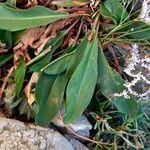
Limonium vulgare
عويذران شائع (AR) · Common Sea-lavender · Marsh-rosemary · Mediterranean sea-lavender · Mediterranean sealavender
Description
Source: leafsnapLimonium vulgare, commonly known as sea lavender, is a perennial herbaceous plant in the Plumbaginaceae family. Native to Europe and Asia, it has been introduced and naturalized in many parts of the world. The plant can grow up to 60 cm tall and features a woody base with numerous stems covered in small, narrow leaves. Limonium vulgare produces small flowers that cluster together in dense spikes at the top of each stem. These flowers bloom from mid-summer to early autumn and come in shades of pink, purple, blue, or white. They are highly attractive to bees and other pollinators. Sea lavender thrives in well-drained soils with full sun exposure but can tolerate some shade. It is commonly found on coastal sand dunes or rocky shores, but it can also grow inland on dry grasslands or disturbed areas, such as roadsides. The plant has been used for medicinal purposes for centuries due to its anti-inflammatory properties, which make it useful for treating skin conditions such as eczema or psoriasis. Additionally, it has traditionally been used for its diuretic properties, which help reduce water retention. Overall, Limonium vulgare is an attractive perennial herbaceous plant that adds color to coastal landscapes. It also provides medicinal benefits due to its anti-inflammatory properties, making it an important part of many ecosystems around the world today.
🌳 Besides its decorative appeal, sea lavender plays a key role in dried floral arrangements, enhancing the visual quality of bouquets and craft projects. It is frequently used in landscaping, contributing to coastal environments where it grows well. Hobbyists and crafters also collect the plant for its potential to produce eco-friendly dyes, taking advantage of the delicate hues sea lavender can yield.
Care Guide
💧 Water Every 7 days
Sea lavender flourishes in humid, salty environments and requires regular moisture, needing to be watered weekly. It adapts well to sandy, well-draining soil, which makes it a great option for rock gardens. However, it is important to prevent waterlogging, particularly during its active growing season, to avoid root rot.
How should I water my Sea lavender?
To ensure the health of the Sea lavender, use filtered water that is at room temperature or slightly warmer. Tap water may have harmful particles, so filtered water is preferable. The Sea lavender prefers warm environments, so avoid using cold water as it can be a shock to the plant. Instead of overhead watering, apply filtered room temperature water directly to the soil until it is completely soaked. This helps moisten the roots and allows them to spread and collect necessary nutrients.
What should I do if I give too much water or too little water to my Sea lavender?
Sea lavender can be negatively affected by both overwatering and underwatering, but overwatering is more common. Excessive watering can cause the stems and leaves to wilt and turn yellow. It can also lead to diseases like root rot, mold, and mildew, which can kill the plant. Although Sea lavender is drought-tolerant, underwatering is still possible and can cause the leaves to become brittle and brown. It is important to recognize the signs of overwatering early on and take action. Some diseases caused by overwatering may be irreversible if not addressed promptly. Reduce watering immediately if you notice early signs of overwatering and check the soil for poor drainage. Replace the soil with a well-draining potting mix if necessary. Similarly, if you notice signs of underwatering, simply water the plant more frequently until the signs subside.
How often do I need to water my Sea lavender?
If your Sea lavender plant is in a pot, the most accurate way to determine if it needs water is by checking the soil moisture. Simply stick your finger into the soil and if you find that the top two to three inches are dry, it's time to water it. The same method can be used if you have Sea lavender growing outdoors in the ground. Again, if the top few inches of soil are dry, it's time to water. Generally, during spring and early fall, you'll need to water once a week using this method. However, during extremely hot weather, you may need to water twice or more per week. It's worth noting that mature, well-established Sea lavender plants have a remarkable ability to withstand drought.
How much water does my Sea lavender require?
When watering your Sea lavender, be generous with the amount of water you give. Make sure the top two to three inches of soil are dry, and then water thoroughly until the soil is completely soaked. To ensure you're using enough water, allow excess water to flow through the drainage holes at the bottom of the pot. If you don't see any excess water draining, it means you haven't watered enough. However, be careful not to let water accumulate in the soil, as this can be harmful to the plant. On the other hand, if water doesn't drain properly from the pot, it may be due to poorly draining soil, which is not good for the plant's health. If the plant is outside, 1 inch of rainfall per week should be enough to keep it hydrated.
How do I water my Sea lavender at different stages of growth?
The water needs of Sea lavender can vary depending on its growth stages. In the first few years of its life or after being transplanted, it requires more water than usual. During these stages, Sea lavender focuses on developing new roots, so they need extra moisture. As the plant matures, it will require less water. Additionally, Sea lavender may require more water during its bloom period as flowers need a significant amount of moisture for development.
☀️ Light Full sun
Sea lavender prospers in locations that are exposed to sunlight for most of the day. Its liking for sun promotes strong growth and good health. Still, too much sun exposure can be damaging, causing the plant to wilt or suffer stunted growth. In its natural environment, it is used to receiving plenty of light.
How much sunlight does sea lavender require?
Sea lavender thrives in conditions where it can bask in the sunlight for most of the day, requiring above 6 hours of sunlight to maintain its health and robust growth. It's essential to ensure that these plants receive the perfect balance of light and shade by observing the movement of sunlight through your garden. Too much direct sunlight, however, could cause harm, leading to withering or stunted growth, so monitoring their exposure is crucial.
What artificial lighting requirements do indoor sea lavender plants have?
Indoor sea lavender plants need adequate lighting to simulate their natural growth conditions, especially when natural sunlight is insufficient. Artificial lights, particularly LED lights, are recommended due to their customizability to provide specific wavelengths needed by plants. The amount of artificial light required varies: full sun plants need 30-50W/sq ft, partial sun plants need 20-30W/sq ft, and full shade plants 10-20W/sq ft. The light source should be placed 12-36 inches above the plant to mimic natural sunlight, for a duration of 8-12 hours per day to promote healthy growth.
What are the symptoms of insufficient light in sea lavender?
Insufficient light can lead to several symptoms in sea lavender, including the development of smaller leaves, leggy or sparse growth as the spaces between leaves or stems lengthen, faster leaf drop as the plant sheds older leaves to conserve resources, and the cessation of new growth as the plant enters survival mode. Leaves may also become lighter in color or exhibit chlorosis, turning yellow due to a lack of chlorophyll. Additionally, symptoms of excessive sunlight exposure include sunscald, leaf curling, wilting, and leaf scorching, indicating a need to manage light exposure carefully.
How can I address sunlight-related issues with sea lavender?
To mitigate sunlight-related issues in sea lavender, gradually move plants to sunnier spots to ensure they receive at least 6 hours of direct sunlight daily, which is crucial for their health and growth. For indoor plants, consider using south-facing windows or artificial grow lights if relocating the plant isn't feasible to provide sufficient light. For outdoor plants, a gradual transition to sunnier locations helps avoid sunburn. Addressing obstruction issues involves pruning or relocating plants to ensure ample sunlight. Remember, parts of the plant affected by past insufficient light might not recover, but new growth should be healthy with improved light conditions.
🌡️ Temperature 5–32.2°C
Sea lavender does well in its natural habitat at temperatures ranging from 41 to 89.6 °F (5 to 32 ℃). It favors cooler conditions but can tolerate warmer temperatures. Seasonal temperature adjustments might be necessary to keep it healthy.
What temperature conditions are best for sea lavender to thrive?
Sea lavender, or Limonium vulgare, thrives best in a native environment with temperature ranges from 41 to 89.6 °F (5 to 32 °C). While it prefers cooler conditions, it is capable of enduring higher temperatures. It's important to make seasonal temperature adjustments to ensure the plant's health. Sea lavender is very cold-tolerant and doesn't require extra frost protection in winter. However, it's recommended to water the plant generously before the first freeze in autumn to keep the soil moist, helping prevent drought and water scarcity during the winter and early spring.
How does sea lavender react to low temperatures?
Sea lavender is highly tolerant of cold temperatures, able to withstand conditions above -30°C without significant immediate damage. Despite its resilience, if temperatures drop below this threshold, the plant may show a lack of sprouting or fail to sprout altogether come springtime. To mitigate this, any parts of the plant that fail to sprout in spring should be removed.
What should I do if sea lavender is exposed to high temperatures?
Sea lavender is not tolerant of high temperatures, and its growth may halt when exposed to temperatures above 32°C, becoming more susceptible to rot. To protect the plant, trim away any sunburned and dried parts. Move the plant to a shadier location or provide shade using a cloth, especially during the midday and afternoon sun. Ensure to water the plant during the cooler hours of the morning and evening to keep the soil moist and support its health.
💨 Humidity
🪴 Soil 6-8
🌱 Fertilizer
The best time to fertilize sea lavender is in early spring, when it is coming out of dormancy and starting active growth. Fertilization supplies essential nutrients for healthy development. Although sea lavender has relatively low fertilizer requirements, applying fertilizer once a year can improve its survival and encourage better, longer-lasting flowers.
How can I make my Sea lavender grow well?
To fertilize a Sea lavender, the most common method is to use a granular or pellet fertilizer. It is important to fertilize the plant as it transitions from its dormant phase to active growth, typically in early spring when shoots emerge from the soil. If you prefer, you can use a liquid fertilizer instead, but make sure to dilute it with water before application. Whether you choose granular or liquid fertilizer, it is essential to moisten the soil before, during, and after fertilizing.
Why do I have to put fertilizer on my Sea lavender?
Fertilization is important for Sea lavender because it provides essential nutrients for its overall growth. While Sea lavender can sometimes survive without fertilization, annual fertilization is highly beneficial. It not only helps the plant stay alive but also encourages the production of better and longer-lasting flowers. Therefore, those who want their Sea lavender to look its best should prioritize regular fertilization.
When should I fertilize my Sea lavender for the best results?
The best time to fertilize a Sea lavender is in late winter to early spring, when the plant is coming out of dormancy and starting to grow. Fertilizing at this time promotes healthy growth and sets the plant up for a successful season. Although it's generally recommended to fertilize in early spring, it's also acceptable to fertilize in the fall. However, it's not advisable to fertilize in summer or winter.
When is it not a good time to fertilize my Sea lavender?
To ensure proper fertilization of your Sea lavender, it is important to follow the recommended timing. This plant only needs to be fertilized once a year, specifically in late winter or early spring. It is crucial to avoid overfertilization, so refrain from fertilizing during spring, summer, and fall, unless you missed fertilizing in the spring. In that case, it is acceptable to feed the plant in the fall. Additionally, there is no need to fertilize during the winter as the Sea lavender is in a dormant growth phase and does not produce new growth during this time.
What kind of plant food does my Sea lavender need?
When it comes to fertilizing Sea lavender, using a general-purpose fertilizer with a balanced amount of plant nutrients is usually sufficient. However, there are specific nutrient blends that can be even more beneficial. Many gardeners believe that a higher amount of phosphorus can strengthen the roots and improve the flowers. Therefore, applying a phosphorus-rich fertilizer may be the best approach for Sea lavender. You can choose between granular or liquid fertilizers, as long as they contain ample nutrients. Alternatively, you can opt for organic methods such as compost and manure to enhance the soil for your Sea lavender, as these materials can greatly contribute to a healthy growing environment.
🪴 Pot & Repot
✂️ Pruning
Sea lavender is known for its long-lasting flowers and ability to tolerate salt. To keep it healthy and looking its best, prune the plant in early spring or late winter. This involves removing any dead stems and thinning out overcrowded areas to improve air circulation. Doing so encourages new growth, prevents disease, and enhances flowering, maintaining the overall health and appearance of your sea lavender.
🌿 Propagating
🐛 Diseases & pets
☠️ Toxicity
Characteristics
- Plant Type
- Herb
- Life Cycle
- Perennial
- Genus
- Limonium
- Family
- Plumbaginaceae
- Hardiness Zone
- 4-7
- Mature Height
- 30 cm
- Mature Spread
- 30 cm to 61 cm
- Leaf Color
- Dark Green
- Leaf Type
- Evergreen, Deciduous
- Flower Color
- Lavender
- Flower Size
- 1.02 cm
- Bloom Time
- Mid summer
- Planting Time
- Spring, Summer
- Harvest Time
- Mid summer
- Native Area
- Germany, Sweden, Spain, Denmark, Netherlands, France, United Kingdom, Romania, Belgium, Portugal