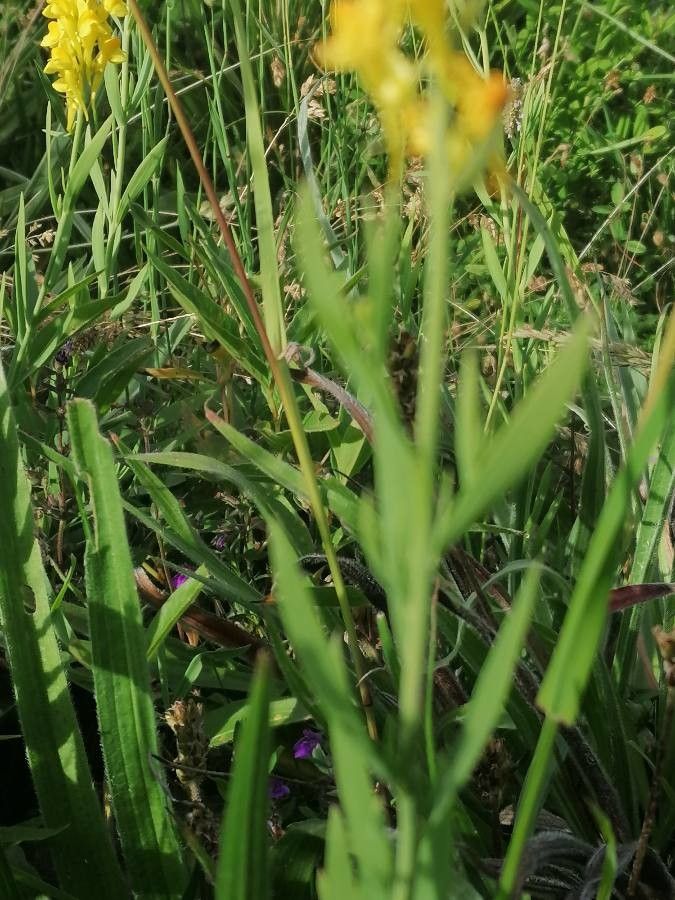
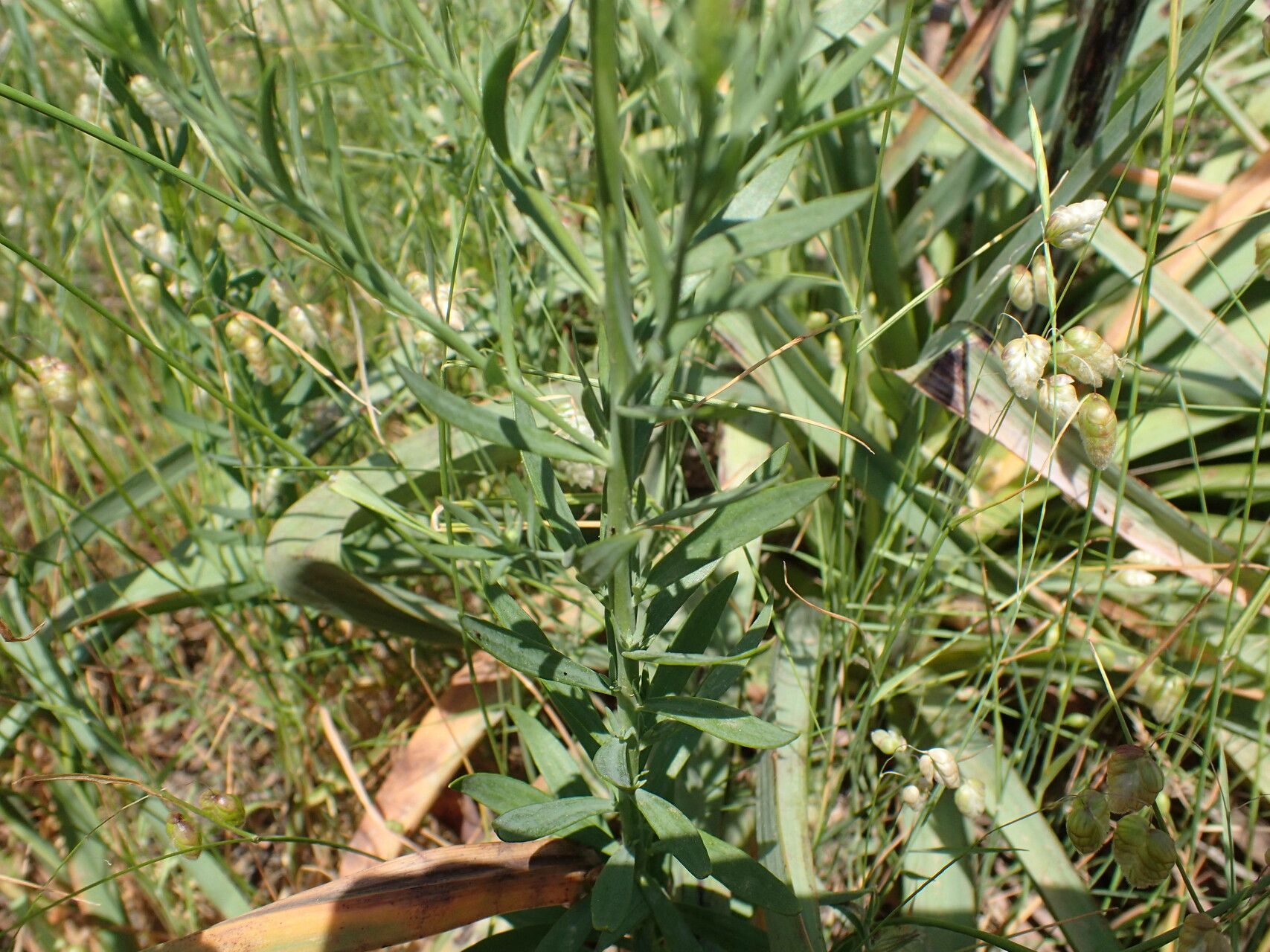
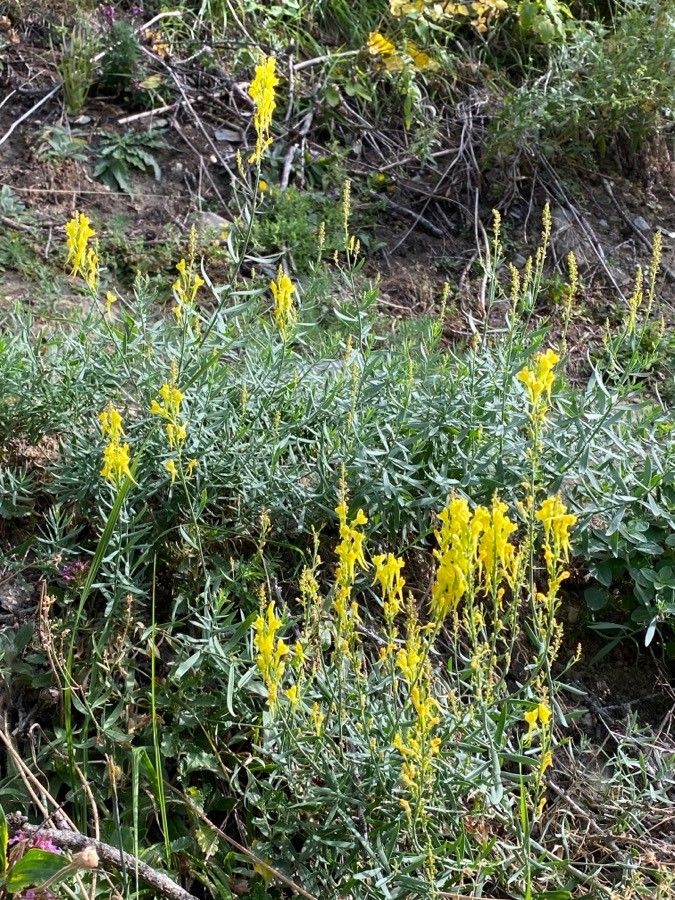
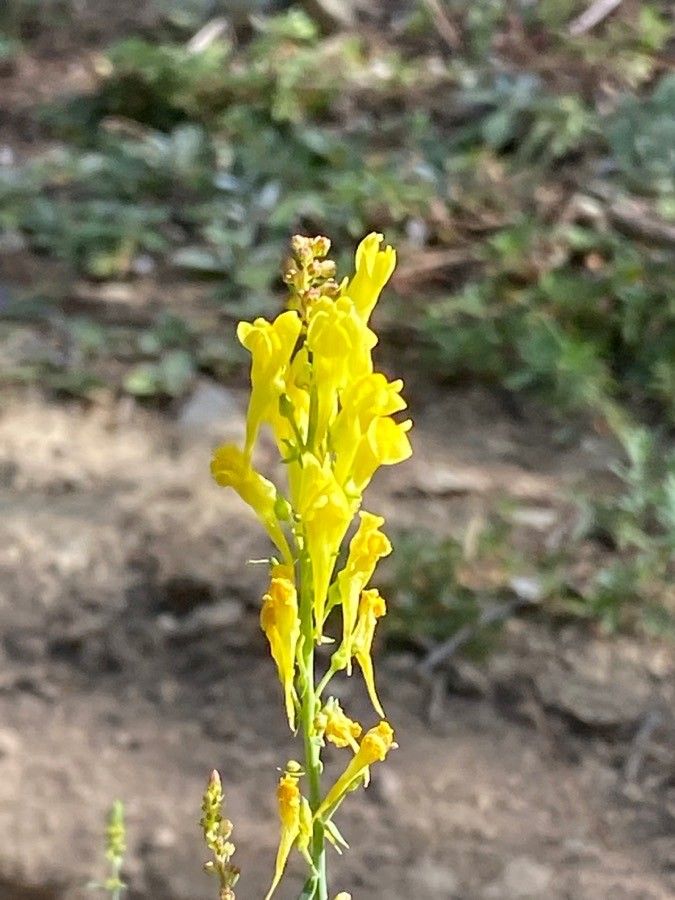
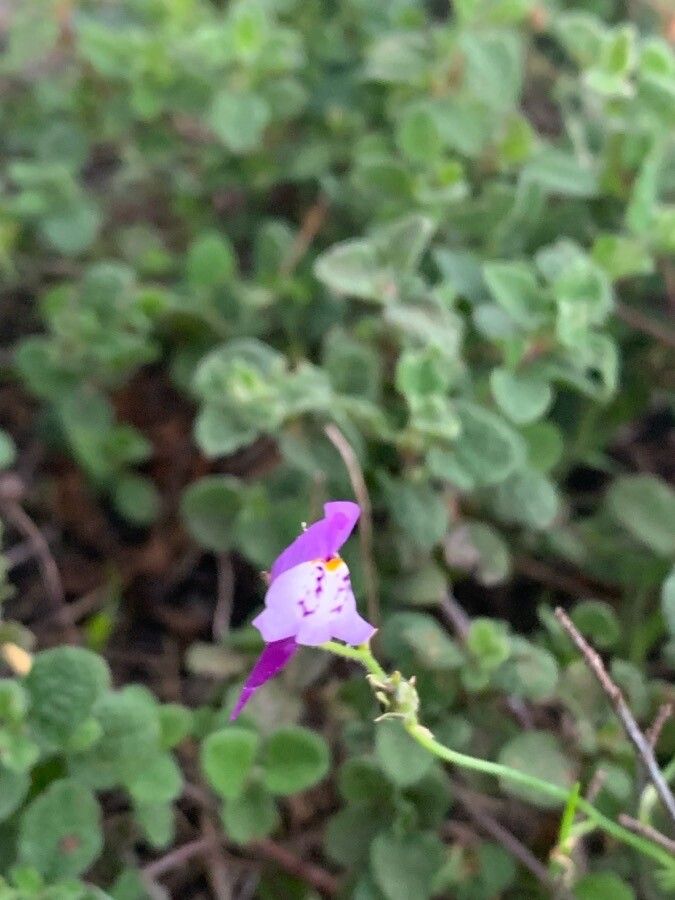
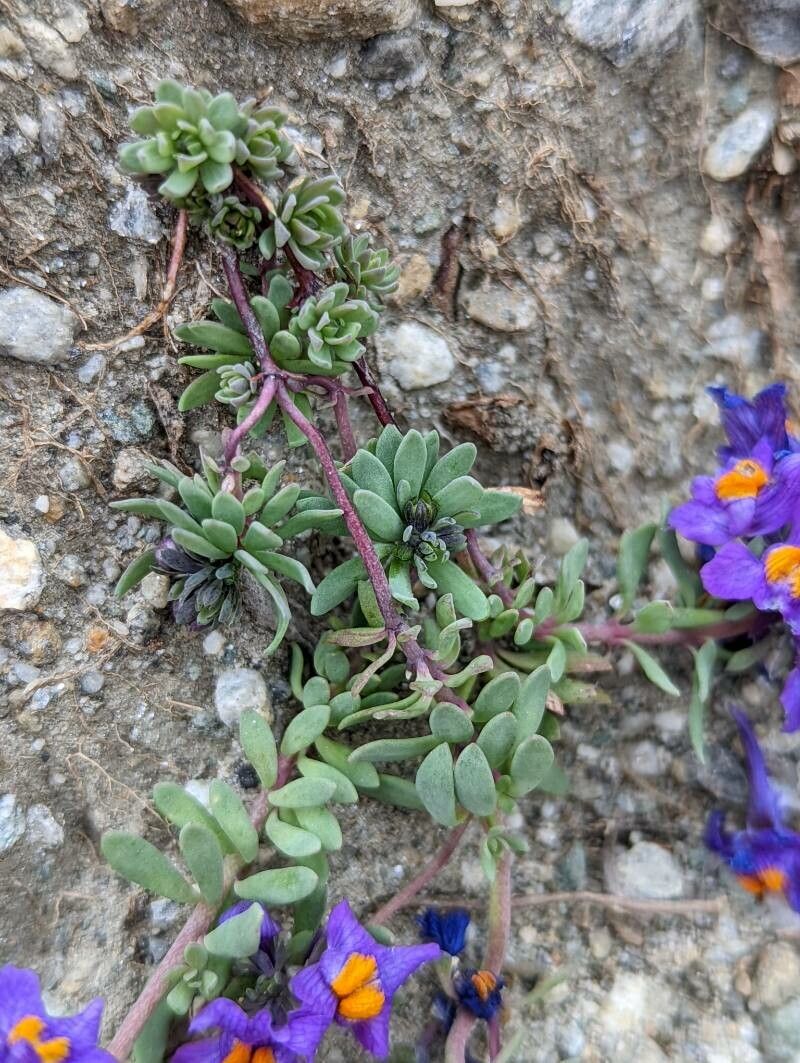
Italian toadflax is fairly resistant to disease and usually not highly susceptible. That said, it can be affected by pests and diseases present in its surroundings, but these problems tend to be mild. For care, the plant needs moderate maintenance. It should be pruned regularly to keep a neat appearance and encourage healthy growth. Fertilizing can also help boost flowering. Italian toadflax is appropriate for people with outdoor spaces such as a garden or patio and does not demand much gardening experience. It may require more attention if grown indoors.
How to keep Linaria Angustissima.
Light
Italian toadflax is a sun-loving perennial herbaceous plant that comes from open habitats and is often found growing in meadows and grasslands. It prefers full sun but can also tolerate partial sun conditions.
Water
Italian toadflax is drought-resistant once it matures, but it needs careful attention until it is well-established. It's important to keep the soil moist during this period, while also ensuring it has good drainage, as poor drainage can damage the plant. Once the plant is established, it typically requires about 1 inch (2.54 cm) of water per week, or even less.
Temperature
Italian toadflax can adjust to a broad range of temperatures, but its range may nonetheless be restricted by various mixtures of moisture and heat conditions. It performs best in warm summer climates with sufficient rainfall or watering. Extended stretches of cloudy, rainy weather or prolonged high temperatures can raise the risk of the plant dying. In winter, adequate protection from cold can enhance its chances of survival.
Fertilizer
The ideal time to fertilize an Italian toadflax is in early spring, when it is coming out of dormancy and beginning active growth. Fertilization supplies essential nutrients for healthy development. Although Italian toadflax has relatively low fertilizer needs, fertilizing once a year can improve its survival and encourage better, longer-lasting flowers.
Pruning
The Italian toadflax needs very little pruning, but regular maintenance is important to control its invasive nature, as it can produce up to 500,000 seeds in its lifetime. To prevent its spread, pinch off the flowers before they go to seed or cut the plants back by two-thirds after they bloom. For plants that are growing where they shouldn’t, manually removing the roots is effective.
Botanical profile.
- Plant Type
- Herb
- Life Cycle
- Perennial
- Genus
- Linaria
- Family
- Plantaginaceae
- Hardiness Zone
- 5-9
- Mature Height
- 20 cm to 61 cm
- Mature Spread
- 15 cm to 30 cm
- Leaf Color
- Light Green
- Leaf Type
- Evergreen
- Flower Color
- Purple, Lavender, White
- Flower Size
- 1.02 cm to 2.03 cm
- Bloom Time
- Late spring, Early summer, Mid summer
- Planting Time
- Spring, Summer
- Harvest Time
- Mid summer, Late summer, Early fall
- Native Area
- Austria, Italy, Spain, Greece, Switzerland, Serbia, Slovakia, Romania, Bulgaria, Albania, Hungary, Croatia, Slovenia, France
Other names.