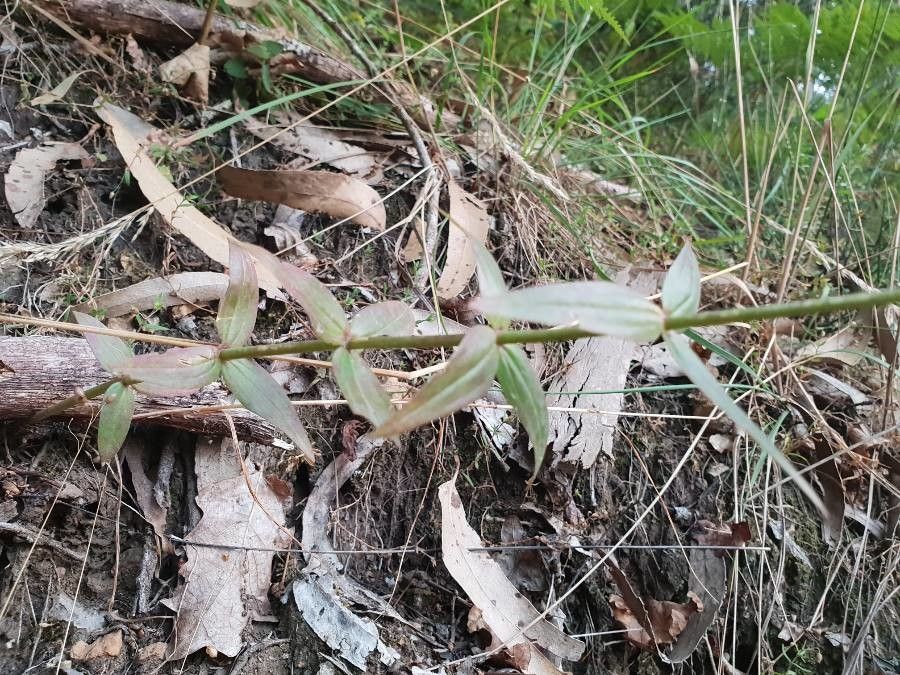
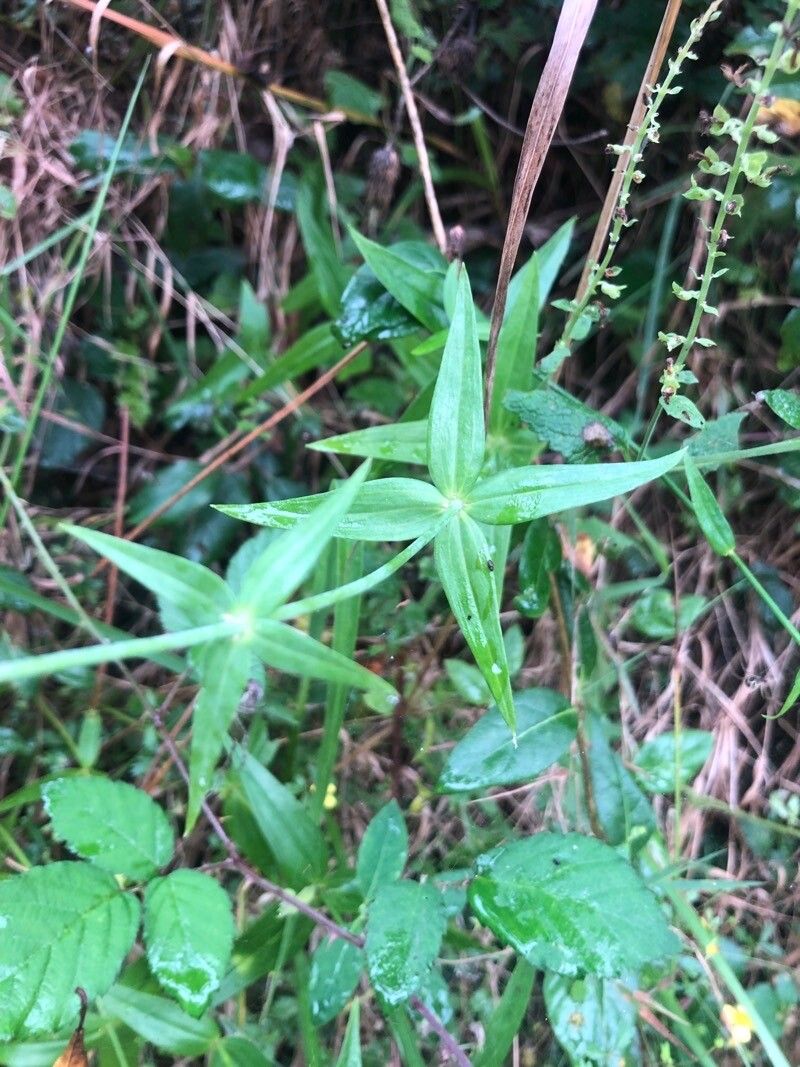
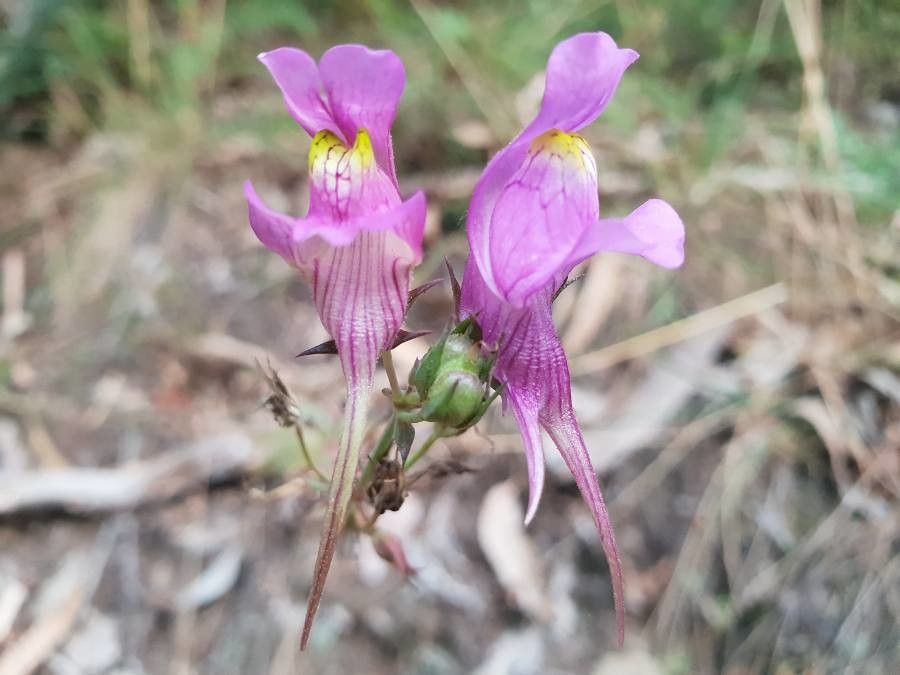
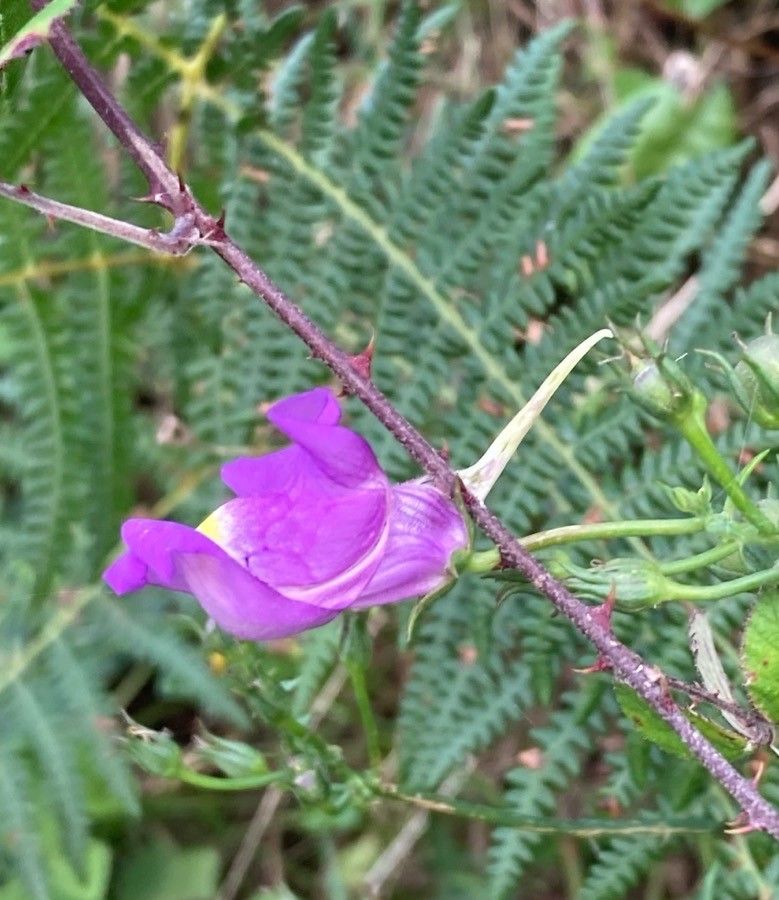
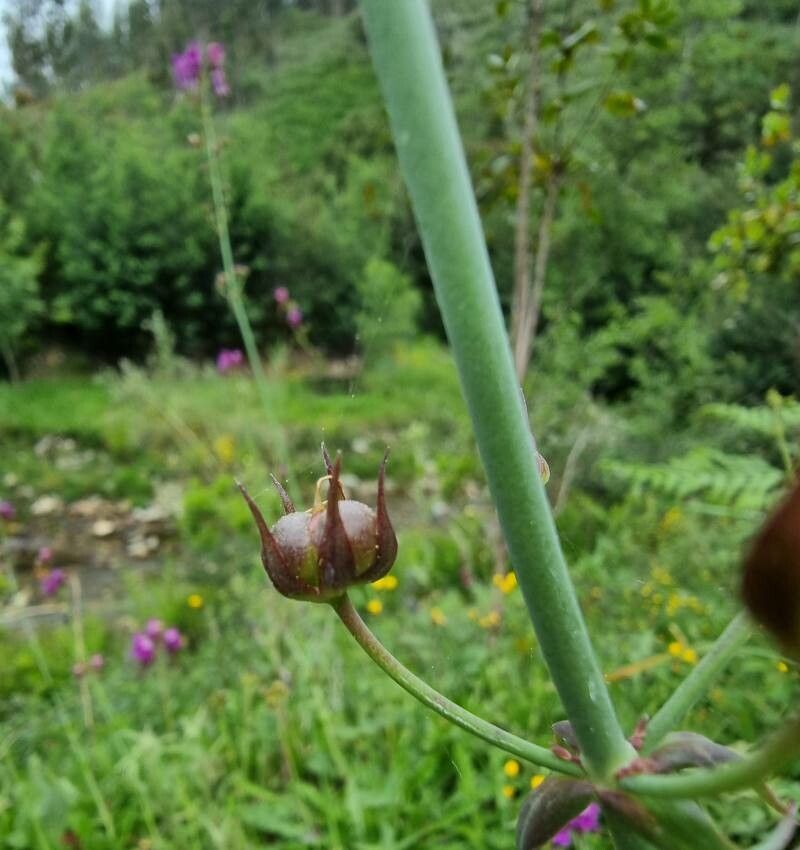
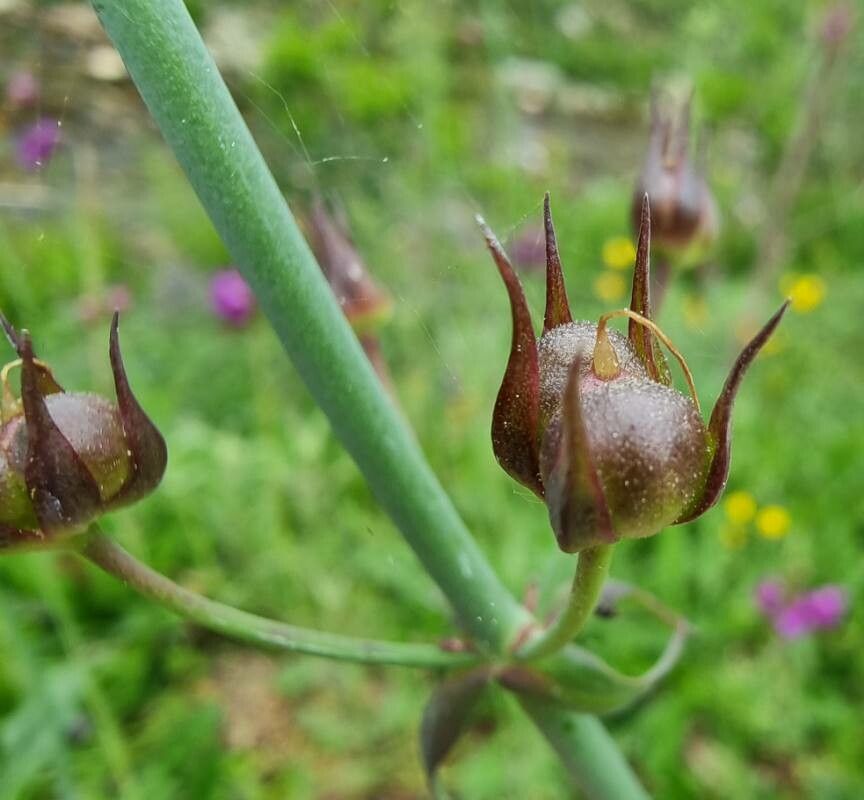
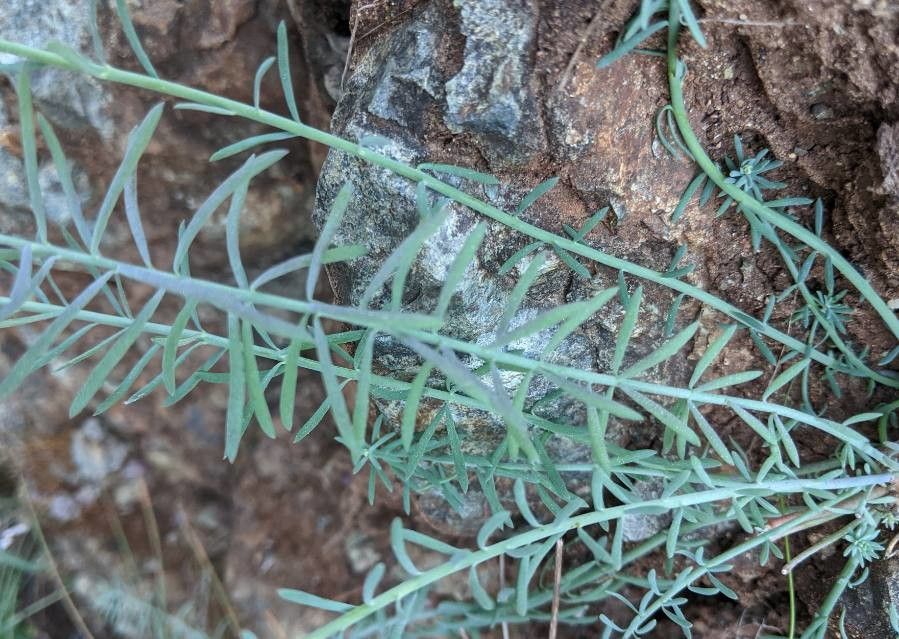
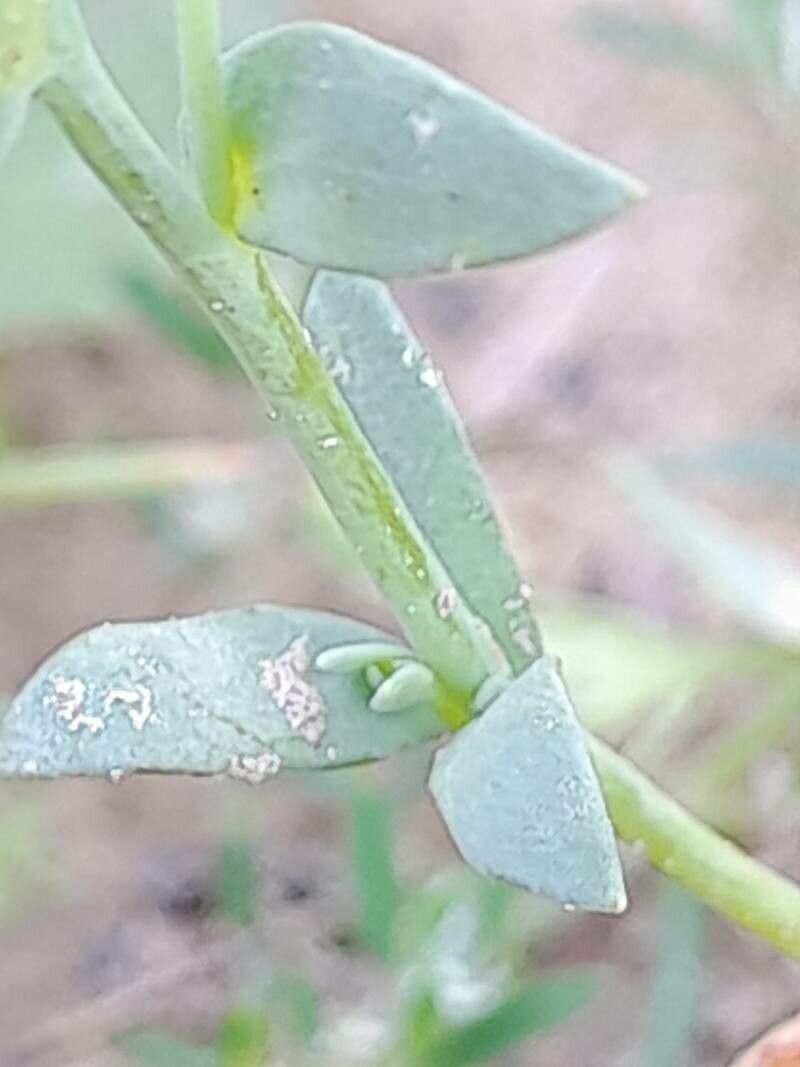
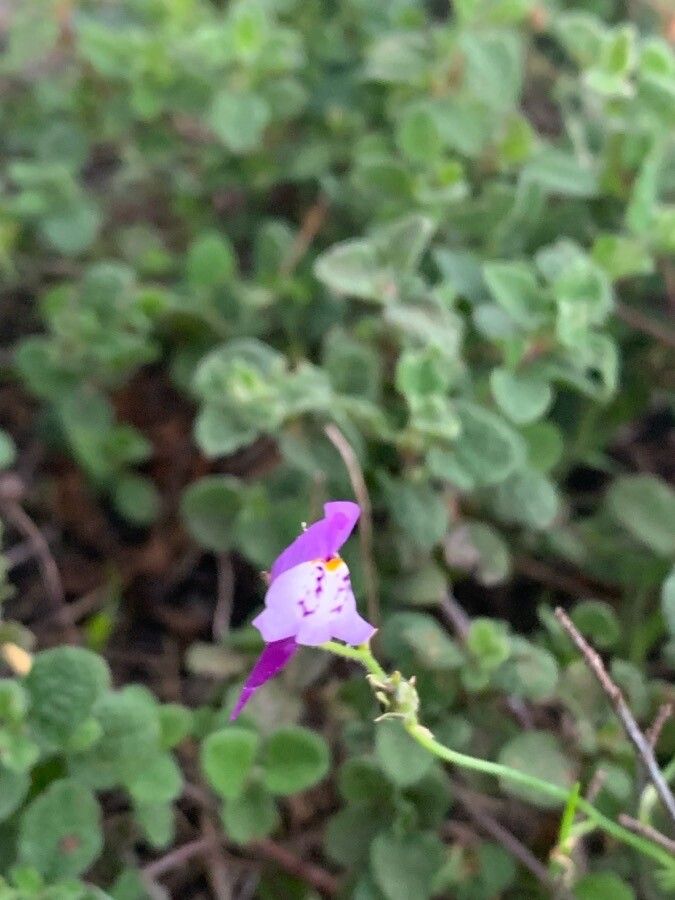
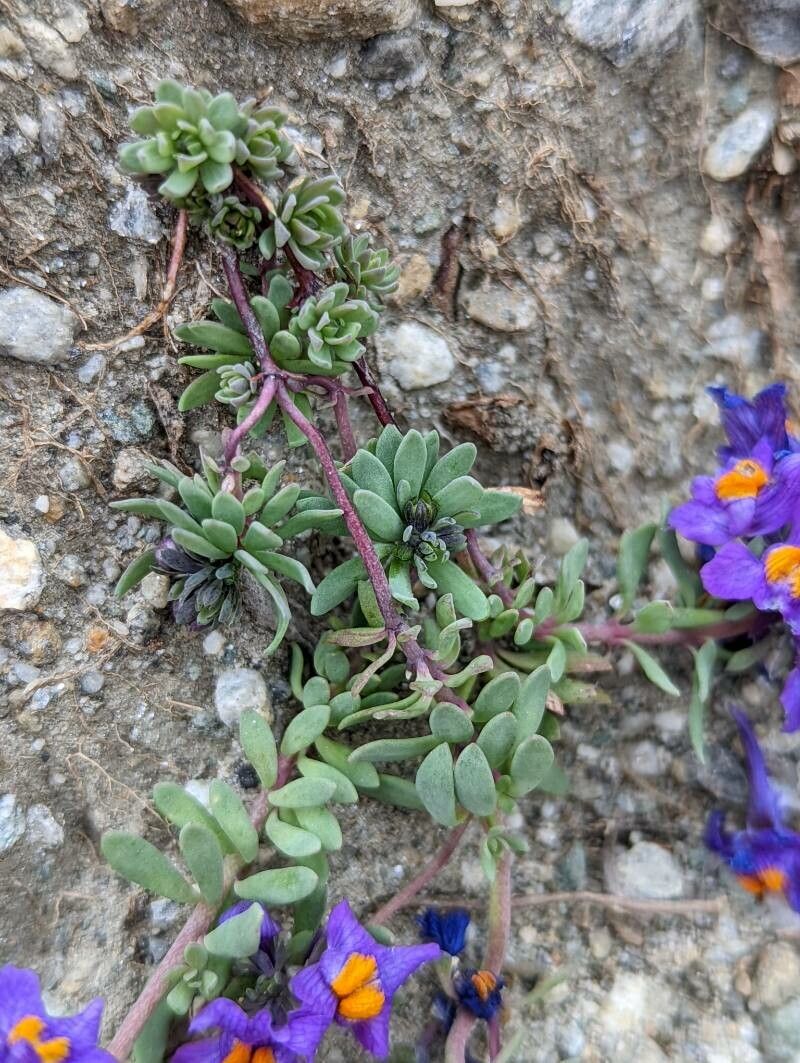
Linaria triornithophora, commonly known as three bird toadflax, is a perennial plant in the family Plantaginaceae.
Three birds flying is disease-resistant and generally not prone to illnesses. However, it can be vulnerable to pests and diseases found in its surroundings. These infections are generally mild. For care, this plant needs moderate maintenance. It should be pruned regularly to keep a tidy appearance and encourage healthy growth. Fertilizing can also help stimulate flowering. Three birds flying is suitable for someone with an outdoor area, like a garden or patio, and does not demand extensive care experience. It may need more attention when kept indoors.
How to keep Linaria Triornithophora.
Light
Three birds flying is native to settings with dappled light, such as forest understories or rocky locations that offer natural shade. It prefers partial sun but can also adjust to full sun conditions.
Water
The Three Birds Flying plant thrives in high-humidity environments. It prefers consistent moisture but can tolerate moderate drought. To mimic its natural habitat, water the plant twice a week, being careful not to over-saturate the soil. When grown indoors, it benefits from well-draining containers, which help maintain the right balance of moisture.
Temperature
Three birds flying can tolerate a wide range of temperatures, though its distribution may still be restricted by different combinations of moisture and heat. It performs best in warm summer climates with sufficient rainfall or watering. Extended periods of cloudy, rainy weather or prolonged high temperatures can raise the chance of mortality for Three birds flying. In winter, adequate protection from the cold can boost the plant's survival rate.
Fertilizer
When Three birds flying has opened most of its blooms to full size, it's time to resume fertilizing. Around the time the blooms are at their peak, fertilize once every three to four weeks, weather permitting. Then, after Three birds flying begins to produce fewer new blooms, stop fertilizing; there is no need to fertilize when the plant can no longer produce more blooms.
Pruning
"Three Birds Flying" showcases stunning flowers reminiscent of birds in flight. To encourage healthy growth, prune the plant from early to late spring. This involves removing dead stems and thinning out overcrowded areas. Regular pruning not only enhances flowering and maintains the plant's shape but also helps prevent disease, ensuring a vibrant display.
Botanical profile.
- Plant Type
- Herb
- Life Cycle
- Annual, Perennial
- Genus
- Linaria
- Family
- Plantaginaceae
- Hardiness Zone
- 6-9
- Mature Height
- 91 cm
- Mature Spread
- 61 cm
- Leaf Color
- Lime Green, Medium Sea Green
- Leaf Type
- Semi-evergreen
- Flower Color
- Purple, Lavender
- Flower Size
- 3.05 cm to 4.06 cm
- Bloom Time
- Late spring, Summer
- Planting Time
- Spring, Summer, Autumn
- Harvest Time
- Mid summer, Late summer, Early fall, Mid fall
- Native Area
- Spain, Portugal
Other names.
Reader questions.
What are the sunlight requirements for Linaria triornithophora?
Linaria triornithophora, also known as 'Three birds flying', requires specific sunlight conditions to thrive. For full sun exposure, the plant needs more than 6 hours of sunlight daily. If the plant is in partial sun, it should receive about 3-6 hours of sunlight. It's important to observe the movement of sunlight through your garden carefully to find locations that offer the right balance of light and shade, ensuring the plants are happy and healthy.
What is the name of the plant?
The plant is named 'Three birds flying'.
What is the botanical name of 'Three birds flying'?
The botanical name of 'Three birds flying' is Linaria triornithophora.