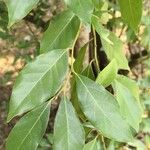
Lindera communis
Care Guide
💧 Water
The Chinese spice bush, native to humid regions, thrives in moist environments and prefers consistent hydration. Although it has moderate drought tolerance, bi-weekly watering is beneficial. Generally grown outdoors, this bush flourishes best when its soil moisture mimics the natural rainfall patterns of its native habitat, ensuring optimal growth and health.
☀️ Light Partial sun
The Chinese spice bush naturally occurs in habitats like forest understories or rocky sites, where it is subject to natural shade. It prefers partial sun but can tolerate full sun or full shade, showing its adaptable and hardy character.
🌡️ Temperature 20–35°C
Chinese spice bush is native to temperate areas and grows best when average temperatures are between 68 and 95 °F (20 and 35 °C). It can, however, tolerate lower or higher temperatures in different seasons. Care should be taken to avoid exposing it to excessive cold or heat.
What is the ideal temperature range for growing Chinese spice bush?
The Chinese spice bush (Lindera communis) thrives best in temperate regions with temperatures averaging between 68 to 95 °F (20 to 35 °C). While it can adapt to varying seasonal temperatures, care should be taken to protect it from conditions that are excessively cold or hot.
💨 Humidity
🪴 Soil 5-6
🌱 Fertilizer
Timing is important when fertilizing Chinese spice bush. Apply fertilizer in early spring and continue once a month until early summer. Fertilizer encourages attractive blooms and supplies energy during both dormant and active growth phases.
🪴 Pot & Repot
✂️ Pruning
The Chinese spice bush is known for its aromatic leaves and yellow flowers. To maintain its health and appearance, it's best to prune it in early spring. Key pruning techniques include removing dead branches and shaping the plant to achieve the desired form. Pruning before new growth appears helps improve air circulation and sunlight penetration, which promotes the plant's vitality. It's important to make clean cuts to prevent disease and encourage healthy growth.
🌿 Propagating
🐛 Diseases & pets
☠️ Toxicity
Characteristics
- Plant Type
- Tree, Shrub
- Life Cycle
- Perennial
- Genus
- Lindera
- Family
- Lauraceae
- Hardiness Zone
- 9
- Mature Height
- 0.91 m to 4.88 m
- Mature Spread
- 2.13 m to 4.88 m
- Leaf Color
- Green
- Leaf Type
- Deciduous
- Flower Color
- Yellow
- Flower Size
- 0.51 cm
- Bloom Time
- Early spring, Mid spring
- Planting Time
- Spring, Autumn
- Harvest Time
- Late summer, Early fall, Mid fall
- Native Area
- Myanmar, Vietnam, Japan, China