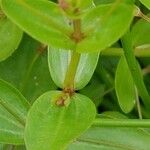
Lindernia procumbens
Prostrate false pimpernel · Common false pimpernel · Creeping false pimpernel
Care Guide
💧 Water
Originating in moist environments, prostrate false pimpernel thrives with consistent moisture and prefers regular watering, needing it weekly. Although it can tolerate short periods of dryness, natural rainfall during the growing season greatly enhances its health and vigor. This herbaceous plant is typically grown outdoors.
How frequently do I need to water my Prostrate false pimpernel?
Prostrate false pimpernel requires regular watering throughout the growing season. In spring, water once per week. As the season gets warmer, increase watering to two or three times per week. However, be careful not to exceed this rate as it could harm the plant. Keep the soil moist but not wet, regardless of how often you water. When watering a Prostrate false pimpernel in a pot, increase the frequency to a few times per week since pot soil dries out faster. For in-ground plants, watering once per week is sufficient.
What's the difference between watering Prostrate false pimpernel inside and outside?
Most Prostrate false pimpernel grow outdoors rather than indoors for several reasons. Firstly, these plants tend to grow tall, which may not be ideal for indoor spaces. Secondly, Prostrate false pimpernel requires more daily sunlight than most indoor locations can offer. If you can provide a suitable indoor growing environment, you might need to water your Prostrate false pimpernel more frequently compared to outdoor growing. This is because indoor spaces can be drier due to HVAC units, and the soil in containers can dry out quickly compared to soil in the ground.
How should I water my Prostrate false pimpernel the best way?
To water Prostrate false pimpernel, you have several options like using a garden hose with a spray nozzle, a watering can, or other common tools. This plant is not too particular about the type of water it receives, and can thrive with rainwater, tap water, or filtered water. It's best not to water from above as it can harm the leaves and flowers and potentially cause disease. Using a drip irrigation system is often the most effective way to water this plant, as it ensures even and direct watering. For Prostrate false pimpernel in a container, you can follow a similar approach but use a cup, watering can, or tap to water directly onto the soil.
What should I do if I give my Prostrate false pimpernel too much or too little water?
To remedy underwatering of Prostrate false pimpernel, simply start watering it more regularly when you observe that it lacks moisture. Overwatering is a more serious issue, as it can lead to diseases and eventual decline and death of the plant. To prevent this, choose a suitable location for growth with ample sunlight to dry the soil and effective drainage to prevent waterlogged soil. If you overwater a potted Prostrate false pimpernel, consider transferring it to a new pot with well-draining soil and sufficient drainage holes. Ensure that the new pot efficiently drains excess water by using loose soils during repotting.
How much water does my Prostrate false pimpernel plant require?
Determining how much water to give to your Prostrate false pimpernel can be done in a few different ways. Some gardeners go by feeling the soil to determine its moisture level. For this method, it is recommended to water until the first six inches of soil feel moist. Another approach is to use a set measurement, such as watering your plant with about two gallons of water per week. However, it's important to take factors like temperature and soil dryness into account, as your plant may require less water than this guideline suggests. When growing Prostrate false pimpernel in a container, a different method is needed. In this case, you can either check the soil moisture by inserting your finger into it or keep watering until you observe a slight trickle of excess water coming out of the pot's drainage holes.
☀️ Light Partial sun
For optimal growth, prostrate false pimpernel does best in a mix of sunny and shaded spots. It can tolerate sun-drenched areas, although too much sunlight may harm it. Native to places with substantial shade, evenly distributed daylight is important for healthy development at every stage.
How much sunlight does Prostrate false pimpernel require to grow?
The Prostrate false pimpernel thrives in partial sunlight, requiring at least 3-6 hours of direct sunlight daily. For optimal growth, it is recommended to select a location in your garden that receives morning sun and afternoon shade. Another suitable option is planting it under a tree, where it can benefit from filtered sunlight. If growing the Prostrate false pimpernel in containers, such as on a patio, balcony, or porch, be sure to regularly reposition them to ensure they receive the appropriate amount of light throughout the day.
What happens if Prostrate false pimpernel doesn't get enough sunlight?
Insufficient sunlight can negatively impact the growth of the Prostrate false pimpernel. Without enough light, they tend to become leggy with thin and long stems as they stretch towards sunlight. Additionally, they will not flower or produce seeds when in shady conditions. Yellow or pale green leaves may appear, hindering their growth. Moreover, a lack of light increases their vulnerability to diseases and pests.
What happens if Prostrate false pimpernel gets too much sunlight?
To prevent damage to the Prostrate false pimpernel, it is important to avoid excessive sunlight, particularly in the summer. Look out for brown spots on the leaves and flowers, as well as leaf loss. The plant may also become dehydrated, resulting in wilting leaves. If you notice any of these signs, simply relocate the Prostrate false pimpernel to a shadier spot or reduce the amount of sunlight it receives.
🌡️ Temperature 15–32.2°C
Prostrate false pimpernel originates from areas with a moderate climate and prefers temperatures of 68 to 95°F (20 to 35℃). Seasonal adjustment means providing warmer conditions, ideally keeping temperatures above 68°F (20℃) during winter.
Temperature suggestions for Prostrate false pimpernel during the dormant season.
During the cold winter months, Prostrate false pimpernel needs to stay dormant until it's time to sprout. Sprouting too early, especially if there may still be frost, can be fatal. Ideally, winter temperatures should stay below 32℉(0℃), but if it gets up to 40℉(5℃), it's fine. In more temperate climates, like woodland rainforests, an unexpected warm spell can trigger premature sprouting. If there's still a risk of frost, covering the plant with clear plastic on stakes can help protect it. This covering can be removed when the danger of frost has passed. Sometimes, the plant will resprout at the correct time on its own, but this method increases chances of success.
What temperature is best for Prostrate false pimpernel?
The temperature preferences for Prostrate false pimpernel vary depending on the time of year. There are two main seasons to consider: the growing season and the dormancy season. During the growing season, which starts when the plant begins to sprout, the ideal temperature range is 65-80℉(18-27℃). If the temperature drops below 15℉(-10℃), the plant will suffer and its leaves may turn brown and wilt. However, if it's a short cold period, the plant may survive with some assistance. In the warmer months, Prostrate false pimpernel also needs protection from excessive heat. The maximum temperature range for this plant is 95-105℉ (35-40℃), as temperatures higher than that can damage the foliage and blooms. High temperatures can cause wilting, drooping, and sunburn on the leaves, making it difficult for the plant to recover. Luckily, there are many easy and quick ways to address this issue.
The temperature needs for a young or newly planted Prostrate false pimpernel.
If you have newly planted Prostrate false pimpernel, it may require extra care during the coldest months. Frost can cause more damage to these young plants and affect their ability to regrow in the spring. To protect them, keep the temperature above 40℉(5℃) by either bringing them indoors or using mulch or fabric barriers to shield them from frost. During the first year or two, it is advisable to plant them in a shadier area as smaller plants struggle to maintain their temperatures in the heat. Limit their exposure to direct sunlight to no more than five hours a day, especially if the temperature exceeds 80℉(27℃). Use shadecloth and ensure they are adequately watered or misted to control the summer heat.
How can I keep Prostrate false pimpernel safe from very hot or very cold weather?
Here are some suggestions to protect Prostrate false pimpernel from cold and hot temperatures: 1. Cold temperatures (below 15℉(-10℃)) during the growing season: - If you are growing Prostrate false pimpernel in a container, bring it indoors in bright, indirect light until temperatures rise above the lower threshold. - For ground-planted Prostrate false pimpernel, use mulch or horticultural fabric to create a barrier and protect the plant from frost and cold wind. 2. Hot temperatures (above 80℉(27℃)) during the day: - Limit Prostrate false pimpernel's exposure to sunlight to six hours or less per day, preferably in the morning. - Install shade cloth or a fine plastic mesh to reduce direct sunlight during the hottest parts of the day. - Consider setting up a misting system to release cooling mist around the plant's base and lower ground temperatures.
💨 Humidity
🪴 Soil 6-6
🌱 Fertilizer
Prostrate false pimpernel benefits from regular, dilute applications of fertilizer to encourage healthy leaf growth. You should fertilize Prostrate false pimpernel about once a month during the summer. Nitrogen is essential for foliage, and supplying nitrogen-rich sources helps Prostrate false pimpernel thrive.
🪴 Pot & Repot
✂️ Pruning
The prostrate false pimpernel is a mat-forming plant with delicate purple flowers. To maintain its shape and encourage growth, prune it from early to late spring. Use sharp tools to trim away dead stems, which helps improve airflow and reduces the risk of disease. This also prevents overcrowding and promotes optimal growth throughout the season.
🌿 Propagating
🐛 Diseases & pets
☠️ Toxicity
Characteristics
- Plant Type
- Herb
- Life Cycle
- Annual
- Genus
- Lindernia
- Family
- Linderniaceae
- Hardiness Zone
- 8
- Mature Height
- 5 cm to 20 cm
- Mature Spread
- 10 cm to 20 cm
- Leaf Color
- Green
- Leaf Type
- Semi-evergreen
- Flower Color
- White
- Flower Size
- 0.25 cm to 0.51 cm
- Bloom Time
- Summer, Early fall, Mid fall
- Planting Time
- Spring, Summer, Autumn
- Harvest Time
- Late summer, Fall, Early winter
- Native Area
- Turkey, Malaysia, India, Austria, Slovakia, Slovenia, Croatia, Belarus, Russia, Germany, Indonesia, Koppen, South Korea, Romania, Portugal, Nepal, France, Tajikistan, Czech Republic, Philippines, Bulgaria, Bangladesh, Poland, Laos, Greece, Armenia, Ukraine, Serbia, China, Afghanistan, Italy, Kazakhstan, Spain, Switzerland, Vietnam, Myanmar, Japan, Bhutan, Iran, Azerbaijan, Hungary, Thailand