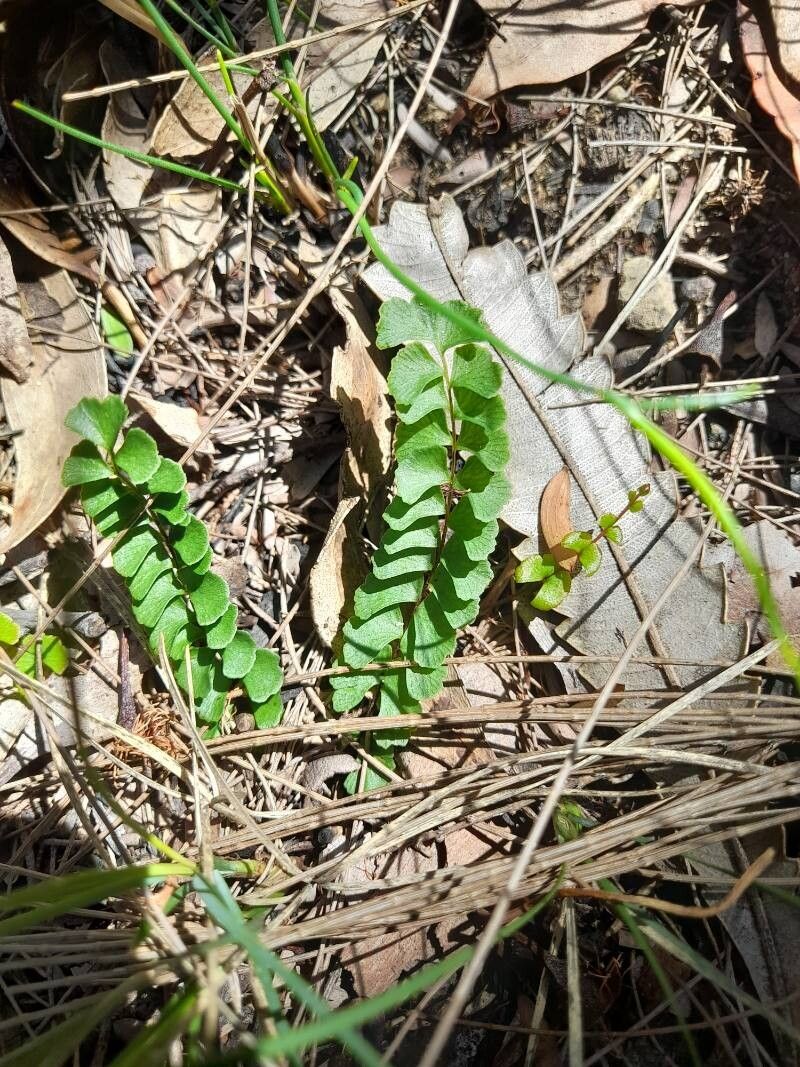
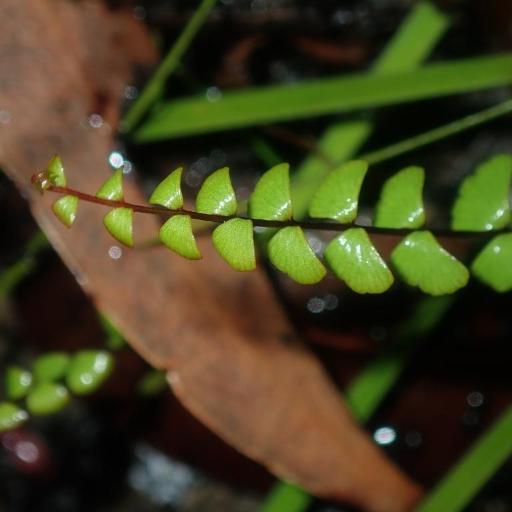
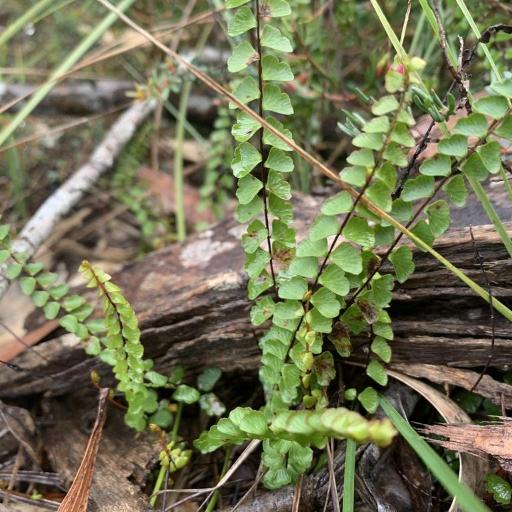
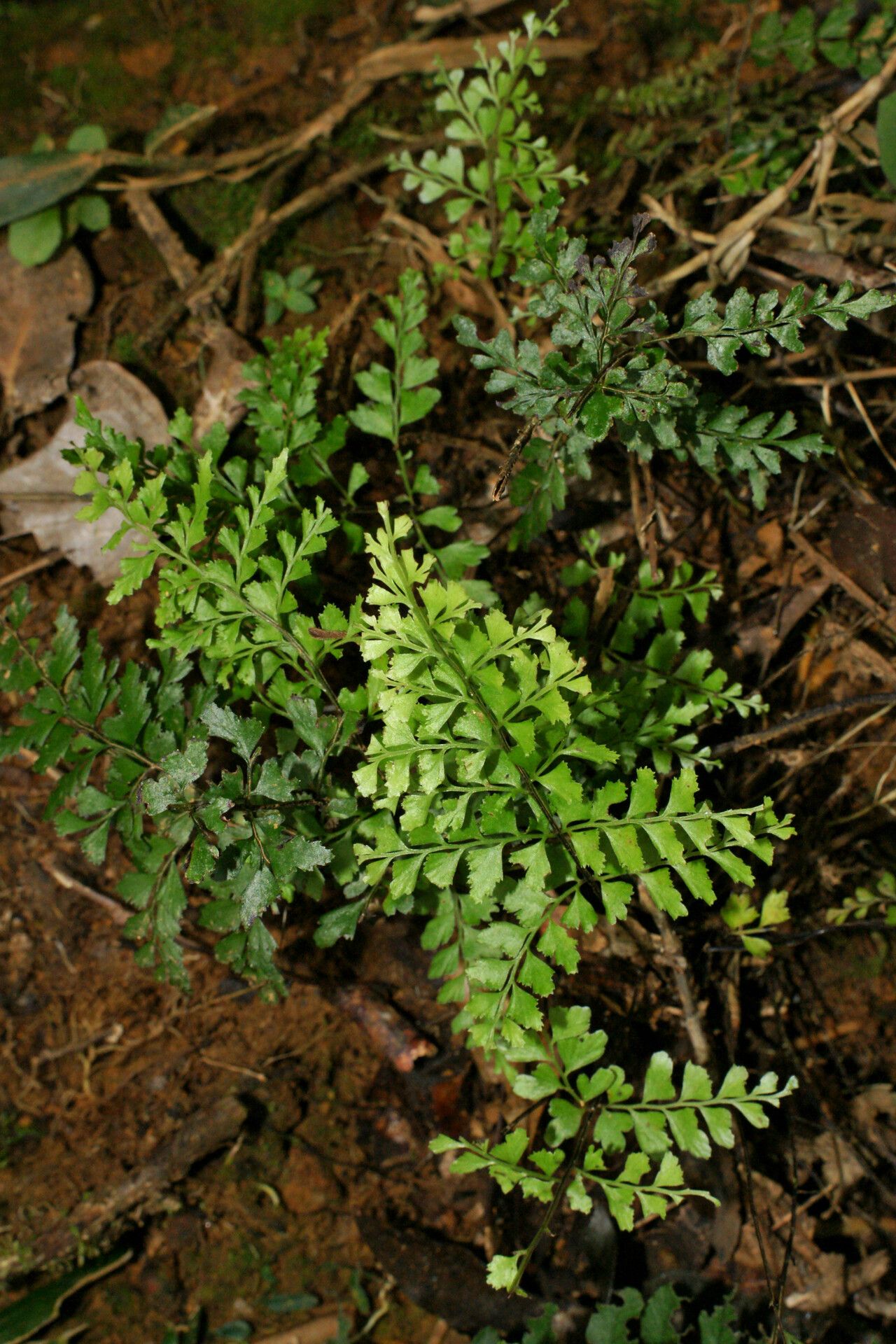
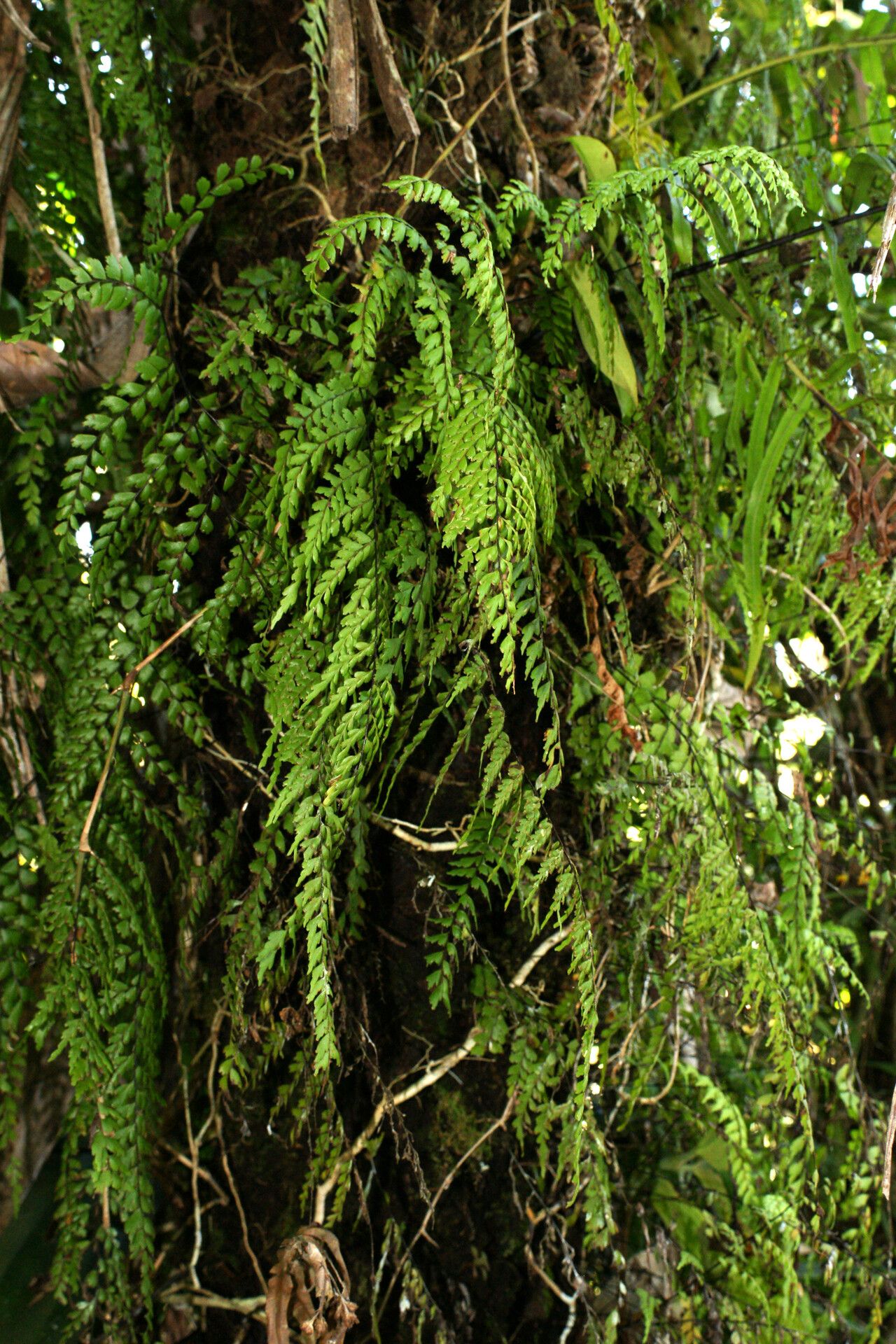
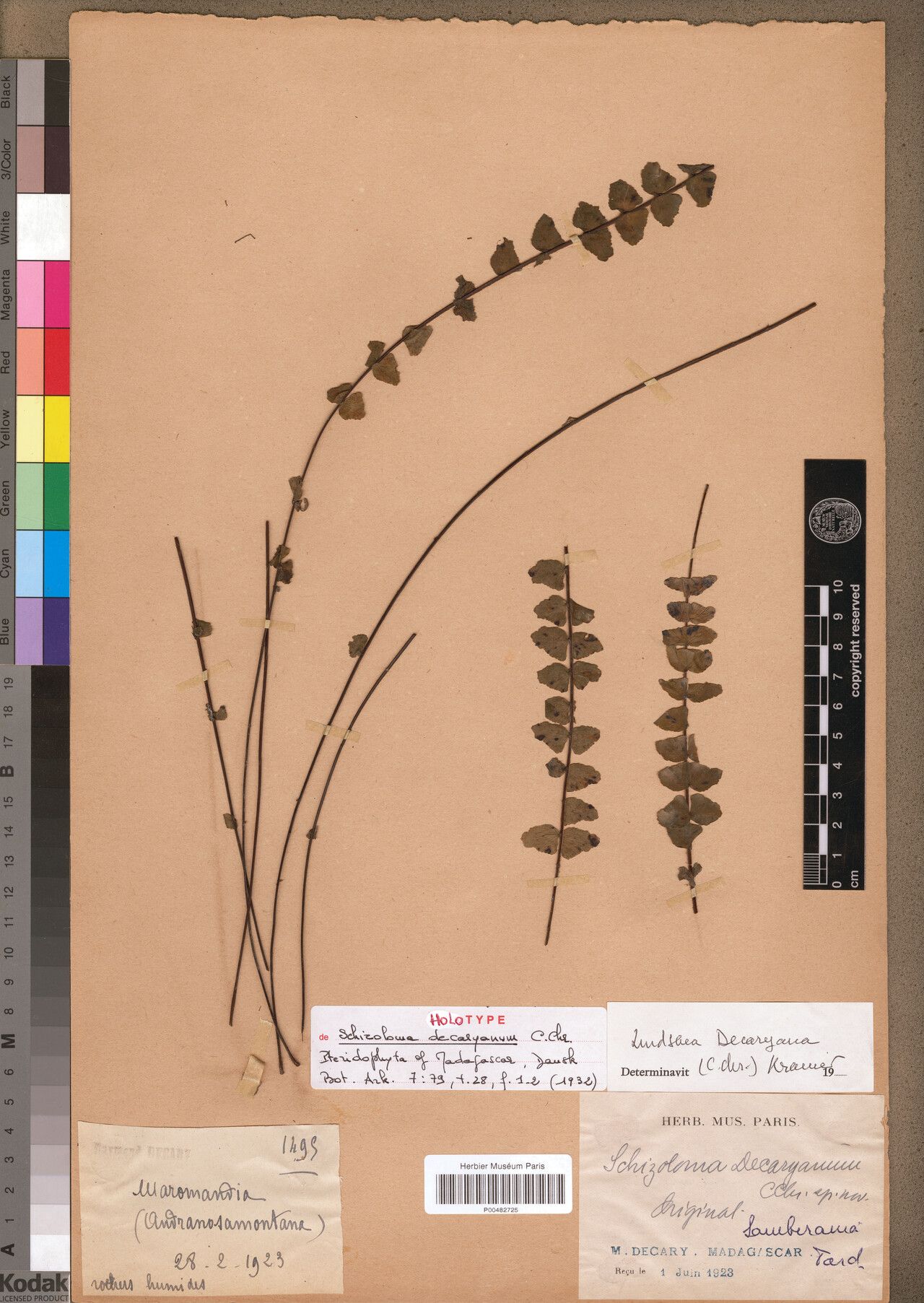
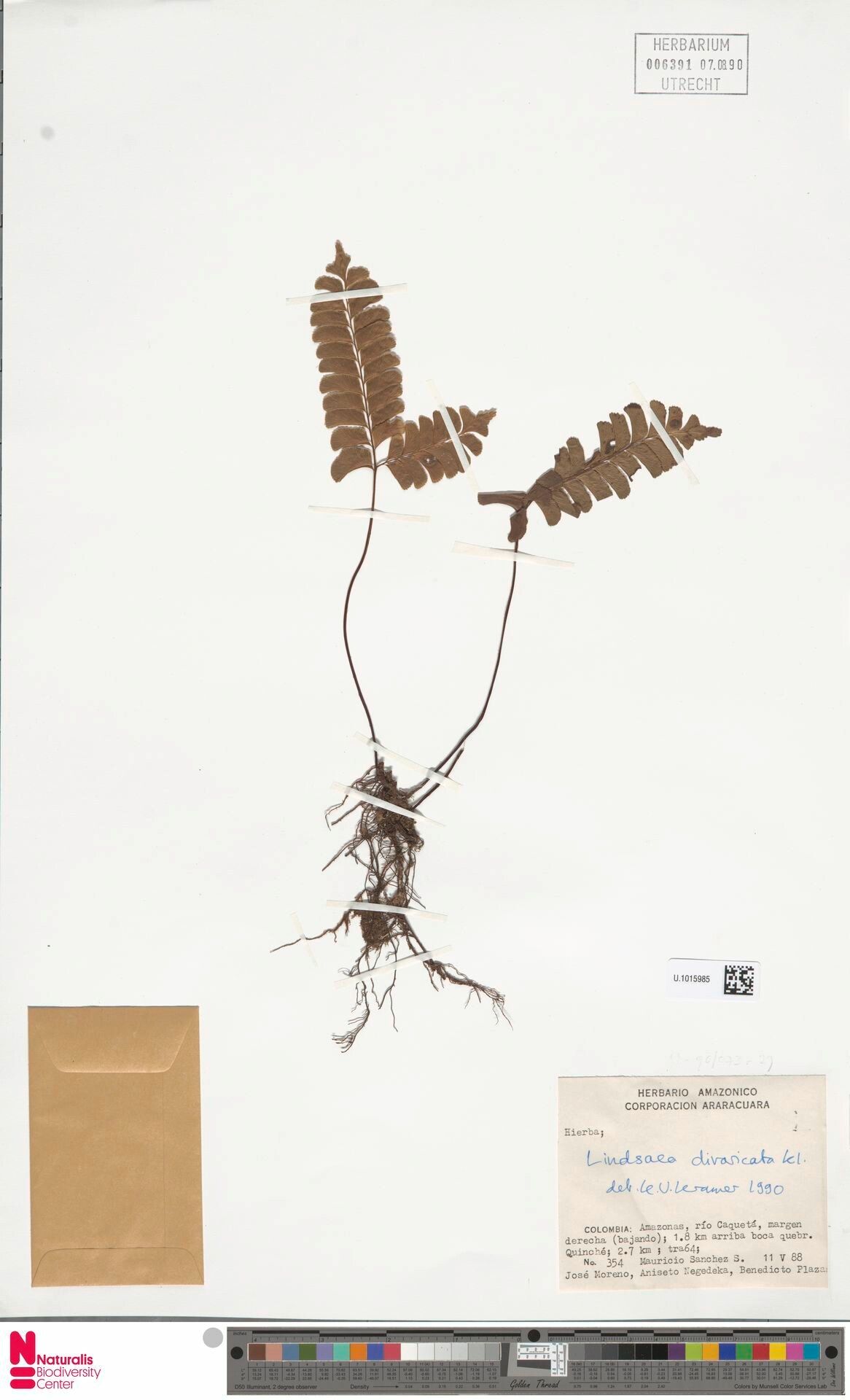
Lindsaea linearis is known as the screw fern, as the fronds may have a twisting appearance. A small fern of widespread distribution in many parts of Australia. Found in a variety of habitats, often near swamps or moist places. By rocks, heathland or open forest. It has a dark stem, unlike the similar necklace fern, which is green. The screw fern was first described by Swedish botanist Olof Swartz in 1801, and still bears its original name.
Screw fern is generally resistant to disease and has relatively few insect pests. Its care is regarded as challenging, since it needs a consistently moist environment and frequent watering. At the same time, the roots can rot if overwatered or if the surroundings lack good ventilation. It suits growers with some experience—many people can keep it alive for a time—yet it may struggle to prosper and its leaves can dry out and become less healthy over time.
How to keep Lindsaea Linearis.
Light
Screw fern is native to habitats such as forest understories or rocky areas that provide natural shade. It prefers Full Shade but can tolerate Partial Sun.
Temperature
Screw fern grows best in forest undergrowth. It is very sensitive to temperature and humidity, and excessive heat, dry conditions, or strong sunlight can make the plant uncomfortable. In summer it needs adequate shading and a highly humid environment. While it generally does not need special care in winter, a prolonged winter drought can still kill it.
Botanical profile.
- Plant Type
- Fern
- Life Cycle
- Perennial
- Genus
- Lindsaea
- Family
- Lindsaeaceae
- Hardiness Zone
- 9-11
- Mature Height
- 10 cm to 30 cm
- Mature Spread
- 5 cm to 15 cm
- Leaf Color
- Green, Dark Green
- Leaf Type
- Semi-evergreen
- Planting Time
- Spring, Summer, Autumn
- Native Area
- New Zealand