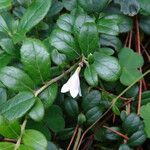
Linnaea borealis
Twinflower · American Twinflower · Northern Twinflower · Pink Bells
Description
Source: leafsnapLinnaea borealis is a species of flowering plant in the family Caprifoliaceae (the honeysuckle family). Until 2013, it was the only species in the genus Linnaea. It is a boreal to subarctic woodland subshrub, commonly known as twinflower (sometimes written twin flower). This plant was a favorite of Carl Linnaeus, founder of the modern system of binomial nomenclature, for whom the genus was named.
Care Guide
💧 Water
The longtube Twinflower, native to cool, temperate regions, thrives in moist soil and moderate humidity. For optimal growth, it benefits from weekly watering. When grown outdoors, mulching is beneficial as it helps retain moisture, simulating the natural leaf litter of its native habitat.
How should I water my Longtube Twinflower?
To ensure the health of the Longtube Twinflower, it's important to water it properly. Use filtered water at room temperature or slightly warmer, as tap water may contain harmful particles. The Longtube Twinflower prefers warm conditions, so avoid using cold water which could shock the plant. Instead of overhead watering, apply filtered room temperature water directly to the soil until it's completely soaked. This helps moisten the roots and promote their growth and nutrient absorption.
What do I need to do if I give my Longtube Twinflower too much water or too little water?
Overwatering is a more common problem for the health of your Longtube Twinflower compared to underwatering. When the plant receives too much water, its stems and leaves may wilt, turn yellow, and potentially develop diseases like root rot, mold, and mildew, which can be fatal. On the other hand, underwatering is less likely to occur because the Longtube Twinflower is moderately tolerant to drought. However, when underwatering does happen, you will notice brittle, brown leaves. It is important to identify signs of overwatering early to prevent irreversible damage. Reduce watering immediately if you notice these signs, and consider replacing poorly draining soil with a loose, well-draining potting mix. Conversely, if your Longtube Twinflower appears to be receiving too little water, simply water more regularly until the signs improve.
How frequently do I need to water my Longtube Twinflower?
If your Longtube Twinflower plant is in a pot, the best way to determine if it needs water is to check the soil moisture with your finger. If the top two to three inches of soil are dry, it's time to water. If you're growing the Longtube Twinflower outdoors in the ground, you can use a similar method to assess the soil. Again, if the top few inches of soil have dried out, it's time to water. Typically, during spring and early fall, you'll need to water this plant about once a week using this method. However, during extremely hot weather, you may need to increase watering frequency to twice a week or more. It's worth noting that mature, well-established Longtube Twinflowers can tolerate drought well.
How much water does my Longtube Twinflower plant require?
When watering your Longtube Twinflower, don't hold back on the amount of water you provide. Make sure the top few inches of soil are dry, then water thoroughly until the soil is soaked. Add enough water to allow excess water to drain out of the pot's drainage holes. If you don't see any excess water draining, you may have not watered enough. However, be careful not to let water accumulate inside the soil, as it can harm the plant. On the other hand, if water is not draining through the pot, it may indicate poorly draining soils, which is harmful to the plant's health and should be avoided. If the plant is outdoors, one inch of rain per week should be enough.
How do I water my Longtube Twinflower as it grows?
The water needs of the Longtube Twinflower can vary depending on its growth stages. In the first few years and after transplanting to a new location, it requires more water due to the energy it expends on growing new roots. These roots need extra moisture to support future growth. However, after a few seasons, the plant will require less water. Additionally, during the bloom period, the flower development may require a significant amount of moisture, so you may need to give it more water during this time.
☀️ Light Partial sun
The longtube Twinflower does best with moderate sunlight but can tolerate locations with less light. Its native environment encourages this adaptability, featuring areas under overhead canopy. Too much sun can harm the plant's health, while too little may restrict its growth. Its light requirements change gradually as it moves through different growth stages.
What are the sunlight requirements for Longtube Twinflower?
Longtube Twinflower thrives in conditions of moderate sunlight but can adapt to areas with less light. It requires about 3-6 hours of sunlight, classified under 'Partial sun' conditions. For 'Full shade' environments, less than 3 hours of sunlight is expected. It's vital to observe the movement of sunlight through your garden to ensure the plants receive the ideal balance of light and shade, promoting their wellness. The plant's adaptability comes from its native environment, which includes areas with covered canopies. Too much sun can negatively affect its health, while too little can inhibit its growth. Monitoring the plant's sun needs as it grows is crucial for optimal development.
How should artificial lighting be used for indoor Longtube Twinflowers?
For indoor Longtube Twinflowers, when natural sunlight is insufficient, especially during winter or in less sunny spaces, artificial lighting becomes crucial. LED lights are recommended because they can be tailored to provide specific light wavelengths needed by plants. The intensity of artificial light should vary based on the plant's natural sunlight needs: 30-50W/sq ft for full sun plants, 20-30W/sq ft for partial sun plants, and 10-20W/sq ft for full shade plants. The artificial light source should be placed 12-36 inches above the plant, simulating natural sunlight. Additionally, the duration of artificial lighting should mimic natural daylight hours, usually 8-12 hours per day, to promote healthier and faster plant growth.
What are the symptoms of inadequate light in Longtube Twinflowers?
When Longtube Twinflowers are grown indoors under insufficient light, several symptoms can indicate light deficiency. These include smaller new leaves, a leggy or sparse appearance due to longer spaces between leaves or stems, premature leaf drop to conserve resources, delayed or halted growth, lighter-colored or pale new leaves indicating a lack of chlorophyll, chlorosis or yellowing leaves due to excessive sunlight breaking down chlorophyll, sunscald marked by pale, bleached areas on leaves or stems, leaf curling as a defense against excessive sunlight, wilting from loss of turgor pressure due to overexposure, and leaf scorching characterized by brown, dry edges on leaves. Monitoring for these symptoms can help adjust light exposure to meet the plant's needs.
What solutions are there for adjusting light conditions for Longtube Twinflowers?
To optimize the growth of Longtube Twinflowers, gradually adjusting them to right light conditions is key. For indoor plants, incrementally moving them to sunnier spots each week or using artificial light, like keeping a lamp on for at least 8 hours a day or using professional grow lights, ensures they receive 3-6 hours of sunlight daily. Outdoors, plants should be moved to sunnier locations gradually to prevent sunburn, avoiding any sudden changes in light exposure. If sunlight is obstructed by elements like trees, consider pruning to let more light through. For smaller plants that are easier to move, transplanting during their dormant period (late winter or early spring) into sunnier spots with good drainage can be beneficial. Note that parts of the plant already affected by low light might not recover, but new growth should be healthy with these adjustments.
🌡️ Temperature 0–25°C
Longtube Twinflower is native to areas where temperatures range from 32 to 77 °F (0 to 25 ℃). It prefers cooler climates. Seasonal guidance suggests keeping it cooler in winter and avoiding exposure to high heat in summer.
What is the indigenous temperature range for Longtube Twinflower?
The Longtube Twinflower, or Linnaea borealis, thrives in regions where temperatures vary between 32 to 77 °F (0 to 25 °C). This plant prefers cooler climates, indicating its native habitat is suited to these conditions for optimal growth.
How should Longtube Twinflower be cared for seasonally to ensure its health?
To maintain the health of a Longtube Twinflower throughout the year, it is advised to keep the plant in cooler temperatures during winter and to protect it from high heat in summer. Before the first freeze of autumn, watering the plant generously is recommended to ensure the soil is moist and enters winter in a frozen state, which helps prevent drought and water scarcity during the colder months. This plant is highly cold-tolerant and does not require additional measures for frost protection.
What should be done if the Longtube Twinflower is exposed to extreme cold?
Although the Longtube Twinflower is extremely cold-tolerant, winter temperatures should not fall below -40°C. If temperatures do drop below this critical threshold, there may not be noticeable changes during the winter, but come spring, the plant may exhibit a decrease in sprouting or fail to sprout at all. In such cases, any parts of the plant that have failed to sprout by spring should be removed to encourage new growth.
How does high temperature affect Longtube Twinflower and how can this be managed?
Longtube Twinflower is not tolerant of high temperatures. Exceeding 25°C can halt its growth and increase the risk of rot. To manage this, trim away any sunburned and dried-up parts of the plant. Relocate the plant to a shaded area or use shade cloth to protect it from midday and afternoon sun. Ensure to water the plant in the morning and evening to keep the soil moist, which helps mitigate heat stress.
💨 Humidity
🪴 Soil 5-7
🌱 Fertilizer
The primary time to fertilize Longtube Twinflower is in early spring, when flowers are forming. The appropriate fertilizer promotes better blooms and helps Longtube Twinflower produce attractive flowers. Fertilizing in early spring ensures good flowers throughout the season and supplies energy for dormant growth phases.
Why do I have to add fertilizer to my Longtube Twinflower?
The Longtube Twinflower relies on its leaves for structure, so fertilization is crucial for their appearance and function. Proper fertilization results in consistent color and a healthy texture of the leaves. Additionally, fertilization supports root growth, both for new roots and the existing root system. This ensures not only immediate plant health but also improves the plant's ability to absorb soil nutrients in the future.
When is it a bad idea to add fertilizer to my Longtube Twinflower?
During the late fall and winter, your Longtube Twinflower will go into a dormant phase, where no new growth will occur. It is important to refrain from fertilizing your Longtube Twinflower during this time. When it comes to spring and summer, if you decide to fertilize, gradually decrease the amount of fertilizer as the summer season progresses. This is because the growth rate of your Longtube Twinflower will also slow down during this time. In general, it is not advisable to fertilize your Longtube Twinflower during periods of unusually hot weather or when the soil is extremely dry. Fertilizing under these conditions can cause unnecessary stress to your plant and potentially lead to its premature death.
When should I fertilize my Longtube Twinflower plant?
If you have a Longtube Twinflower and grow it outside, it will start growing new leaves in early spring. When you see these leaves, it's a signal that it's time to fertilize the plant for the year. Usually, one application of fertilizer in the spring is sufficient for the Longtube Twinflower to thrive. However, if you want the plant to grow as much as possible, you can fertilize it multiple times during the spring and early summer. In this case, you can feed the plant about once every month to a month and a half.
What kind of fertilizer does my Longtube Twinflower require?
Choosing the best fertilizer for a Longtube Twinflower is easy. A general-purpose garden fertilizer with equal amounts of nitrogen, phosphorus, and potassium, like a ratio of 10-10-10, works well. Avoid high nitrogen fertilizers when unsure. Granular, slow-release fertilizers are usually the best option. Applying them to the soil is simple. Additionally, feeding your Longtube Twinflower with organic compost can be beneficial.
How should I feed my Longtube Twinflower?
To properly fertilize your Longtube Twinflower, wait until it begins to sprout its first leaves in early spring. When you see this sign, apply a granular slow-release fertilizer with a balanced formula to the soil around the base of the plant. If desired, you can repeat this process later in the season. Remember to apply the fertilizer to the soil, not directly to the plant, which may require moving some leaves to reach the soil above the roots. It is also beneficial to water the Longtube Twinflower before and after fertilizing.
🪴 Pot & Repot Every 12 months
✂️ Pruning
Longtube Twinflower is known for its unique paired leaves and fragrant flowers. To enhance its shape and health, it's important to perform spring pruning. To do this effectively, focus on removing dead stems and thinning out crowded areas. This will improve air circulation, prevent diseases, and encourage blooming. Make sure to use clean, sharp tools for the best results.
🌿 Propagating
🐛 Diseases & pets
☠️ Toxicity
Characteristics
- Plant Type
- Herb, Shrub
- Life Cycle
- Perennial
- Genus
- Linnaea
- Family
- Caprifoliaceae
- Hardiness Zone
- 2-6
- Mature Height
- 5 cm to 15 cm
- Mature Spread
- 91 cm
- Leaf Color
- Green
- Leaf Type
- Evergreen
- Flower Color
- Pink, White
- Flower Size
- 2.54 cm
- Bloom Time
- Late spring, Early summer, Mid summer
- Planting Time
- Spring
- Harvest Time
- Mid summer, Late summer, Early fall
- Native Area
- Sweden, Austria, Czech Republic, Slovakia, Poland, Slovenia, Belarus, Ukraine, China, Russia, Lithuania, Norway, Germany, Italy, Kazakhstan, Switzerland, Denmark, Netherlands, Estonia, Japan, Mongolia, Koppen, Finland, United Kingdom, Romania, Latvia, France