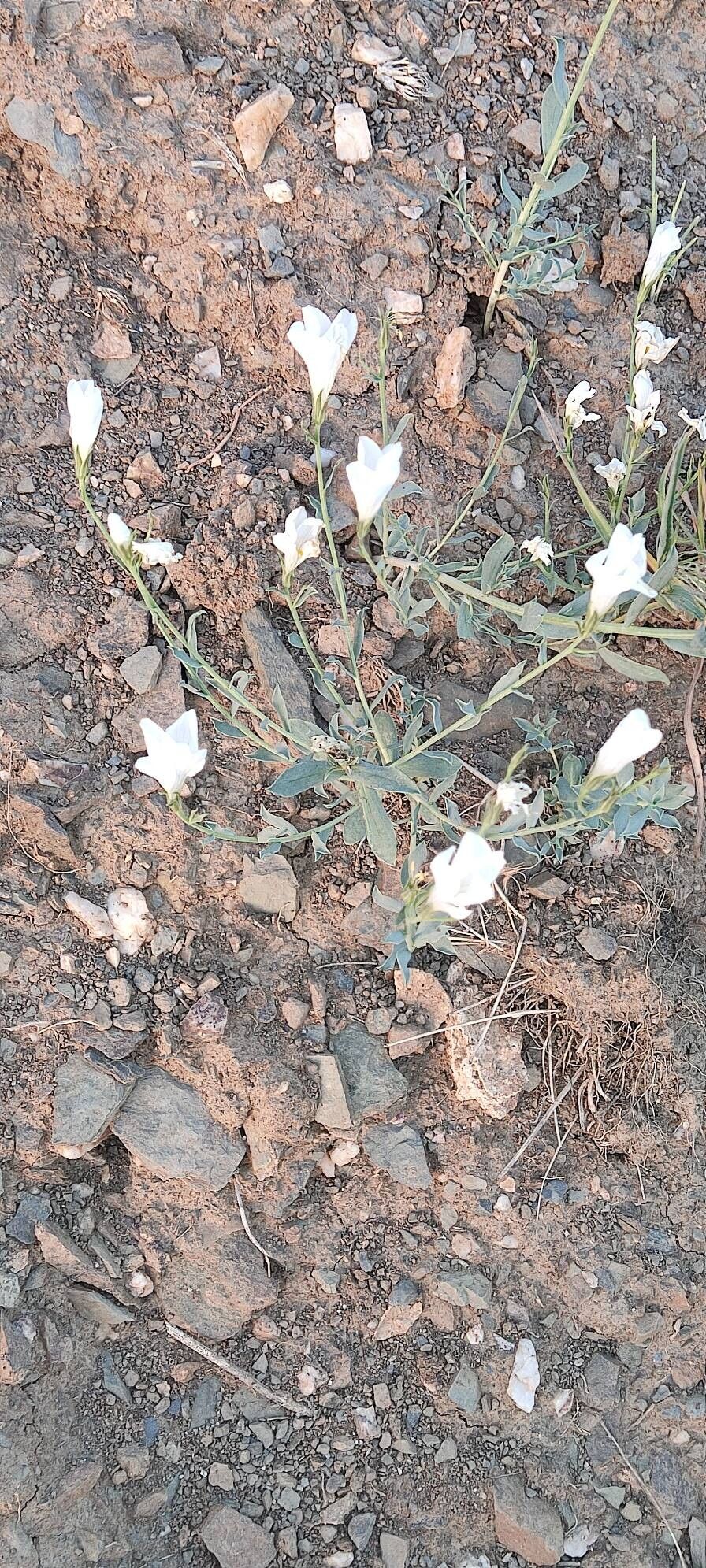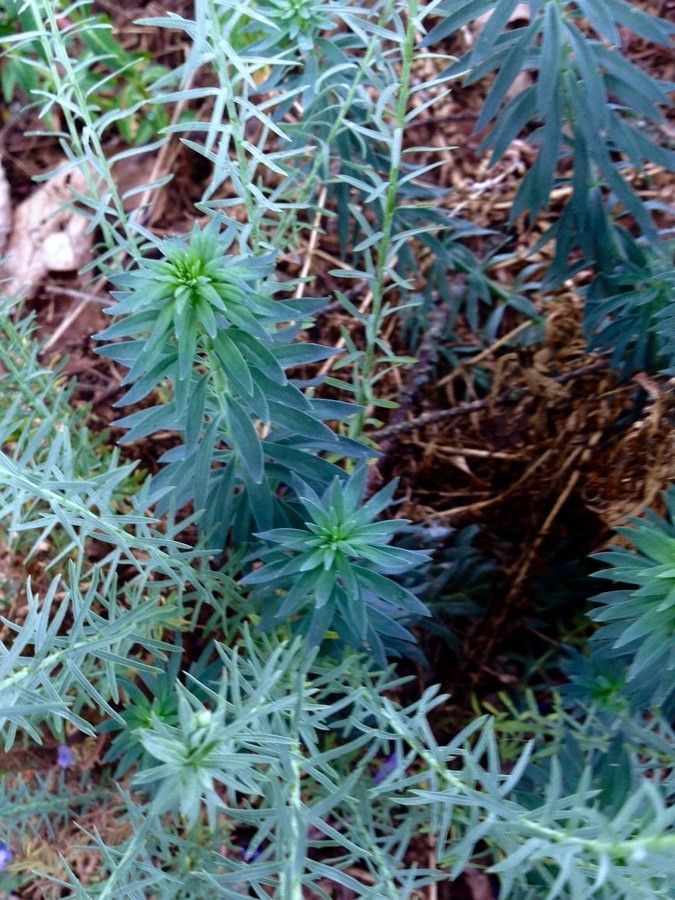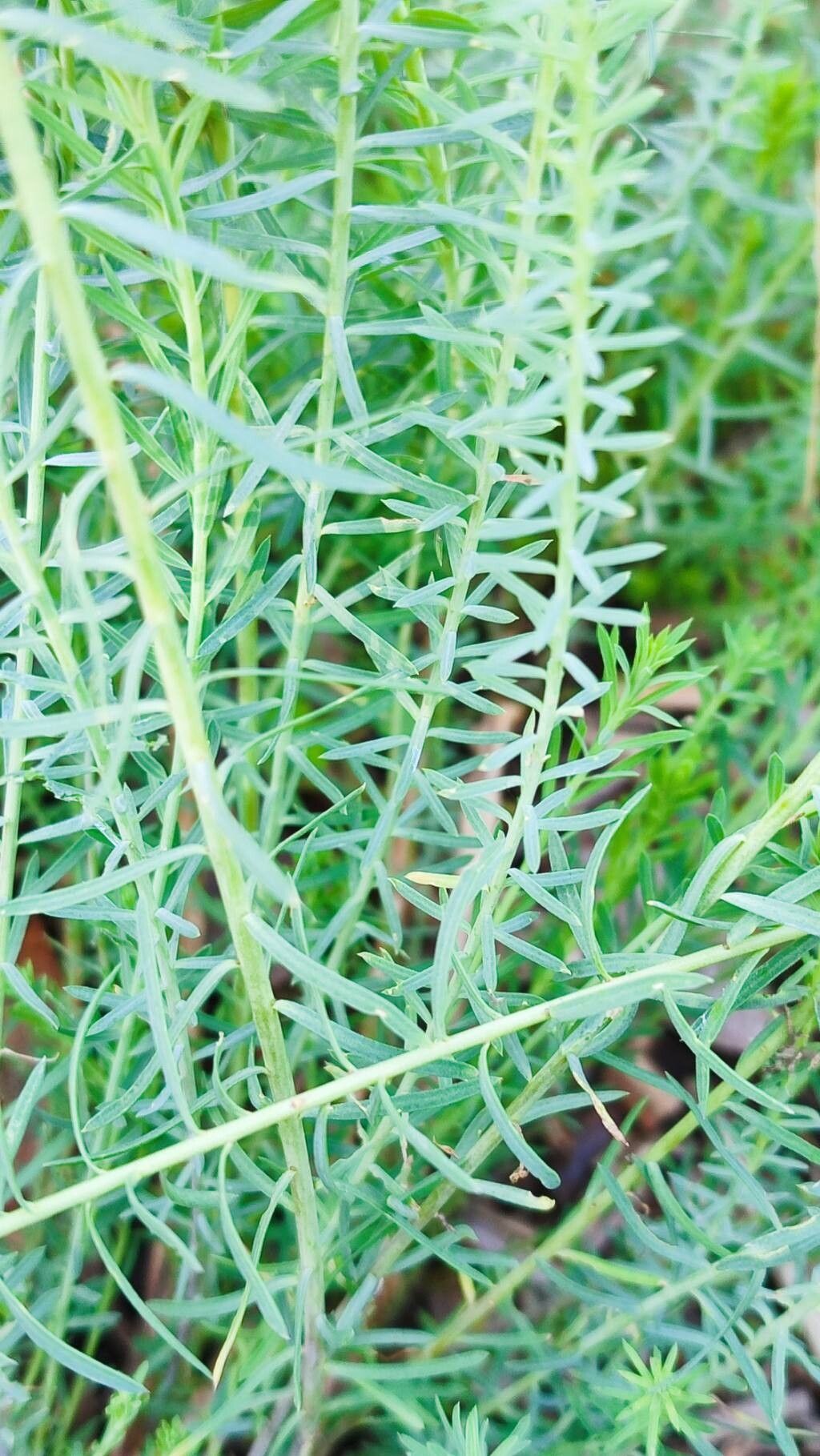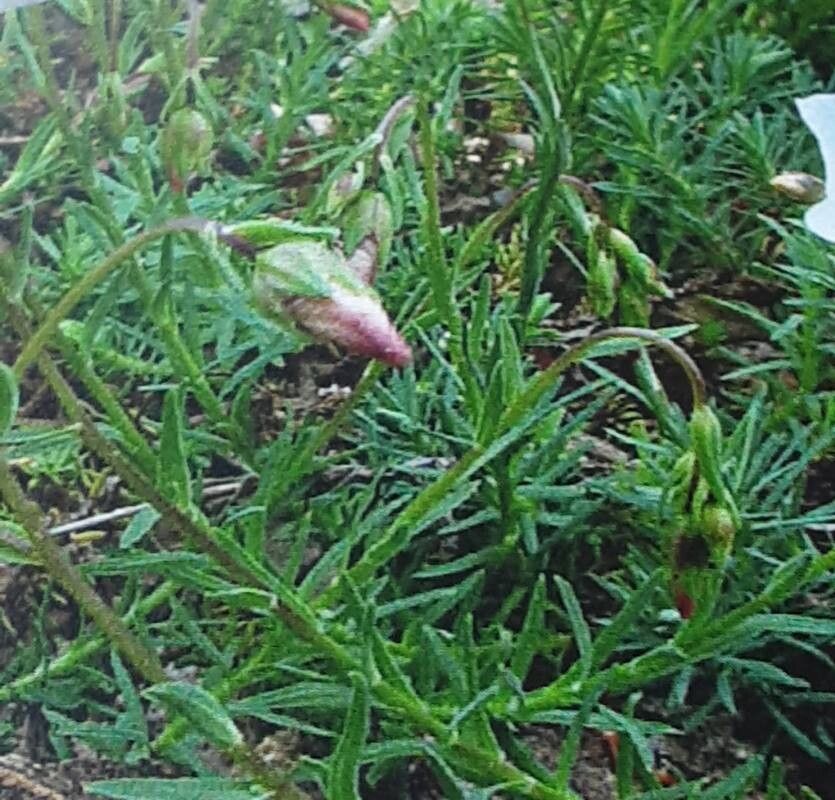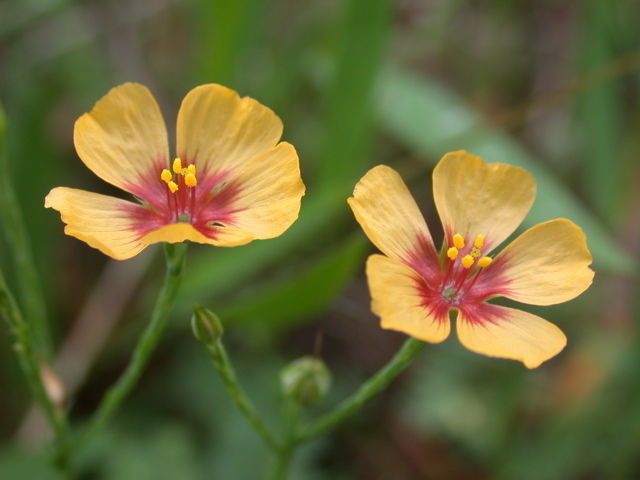
Tufted flax has strong disease resistance and is typically not prone to illnesses. Still, it can be affected by pests and diseases present in its surroundings. These infections are generally not serious. For care, this plant requires a moderate level of maintenance. It needs regular pruning to keep a good appearance and support healthy growth. Fertilizing can also help encourage flowering. Tufted flax is suitable for anyone with outdoor space, such as a garden or patio, and does not require extensive care experience. It may need more attention when grown indoors.
How to keep Linum Imbricatum.
Fertilizer
A single application of fertilizer in spring is usually sufficient for Tufted flax, although repeated feedings can maximize growth. Feed once every month to a month and a half. Fertilization improves the leaves' appearance and function, helping maintain even color and a healthy texture. It also encourages root development and nutrient uptake, supporting long-term plant health.
Pruning
Prune tufted flax in early spring to shape the plant and remove any dead stems, promoting healthy growth. Trim away spent blooms to encourage reblooming, and perform light pruning to manage the plant’s size. Use clean tools to minimize the risk of disease, and ensure proper disposal of pruned material to maintain garden hygiene.
Botanical profile.
Reader questions.
What are the sunlight requirements for Tufted flax (Linum imbricatum)?
Tufted flax, scientifically known as Linum imbricatum, thrives in full sun, requiring more than 6 hours of sunlight daily. It's important to observe how sunlight moves through your garden, finding spots that offer a perfect balance of light and shade to ensure the health and happiness of your plants.