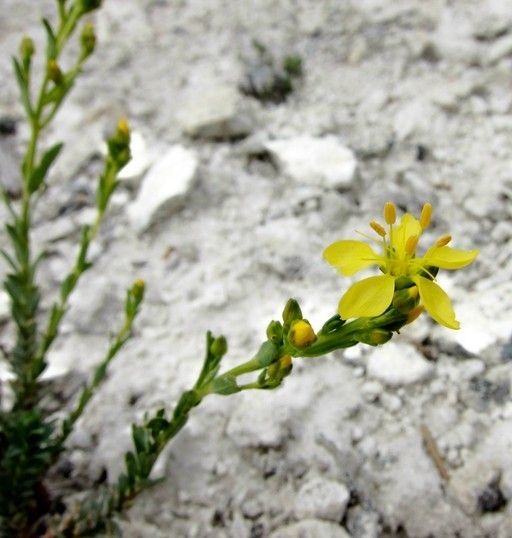
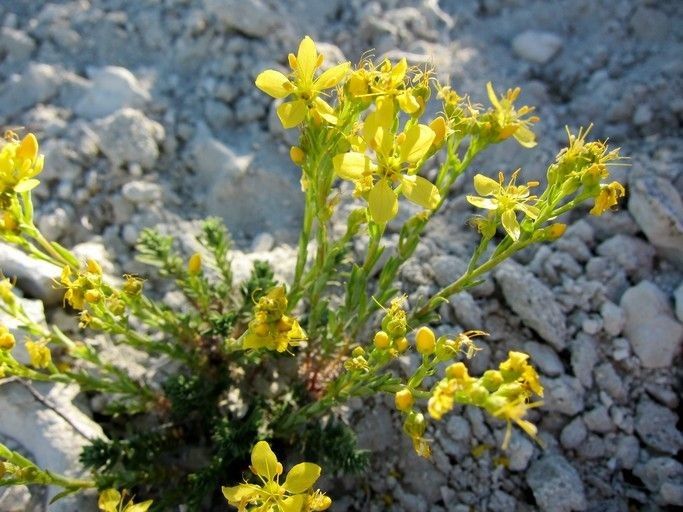
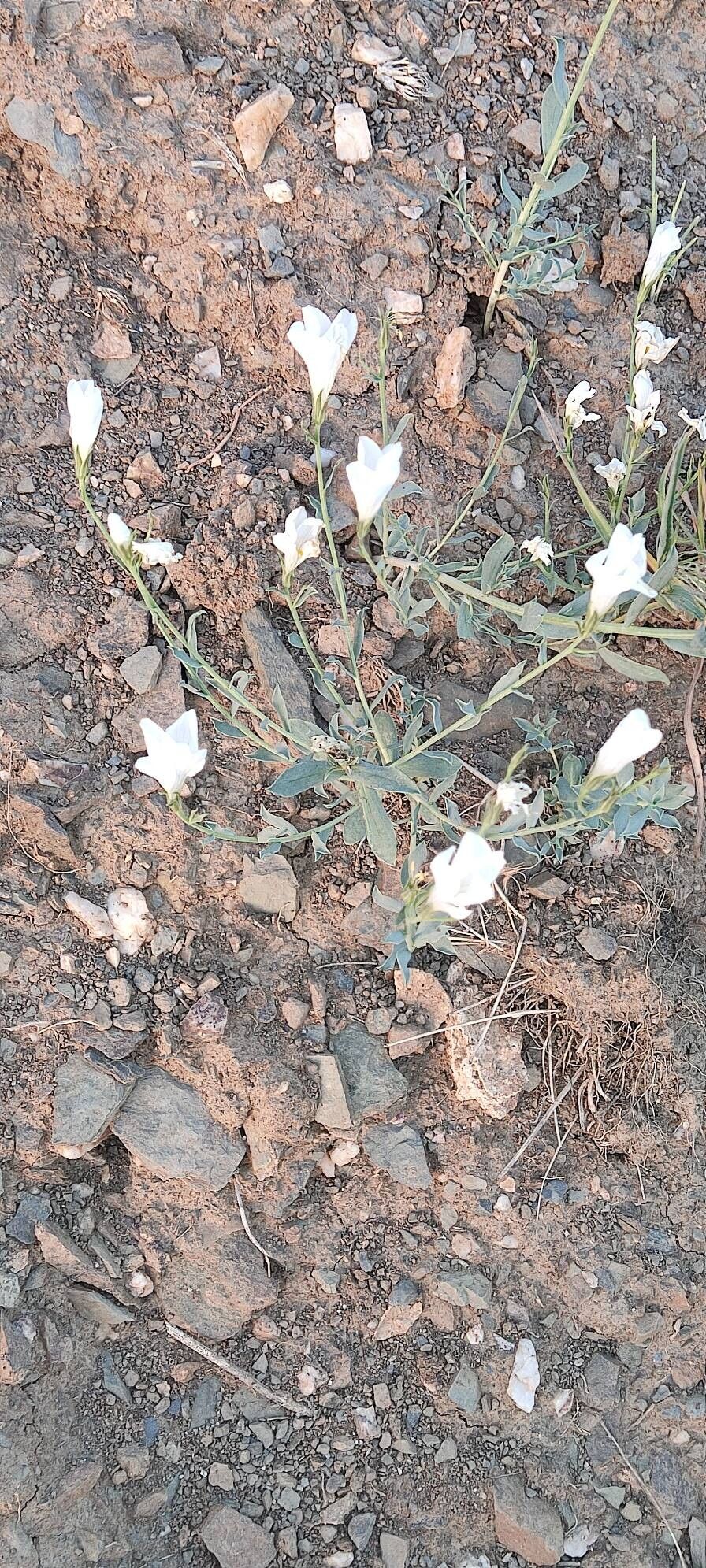
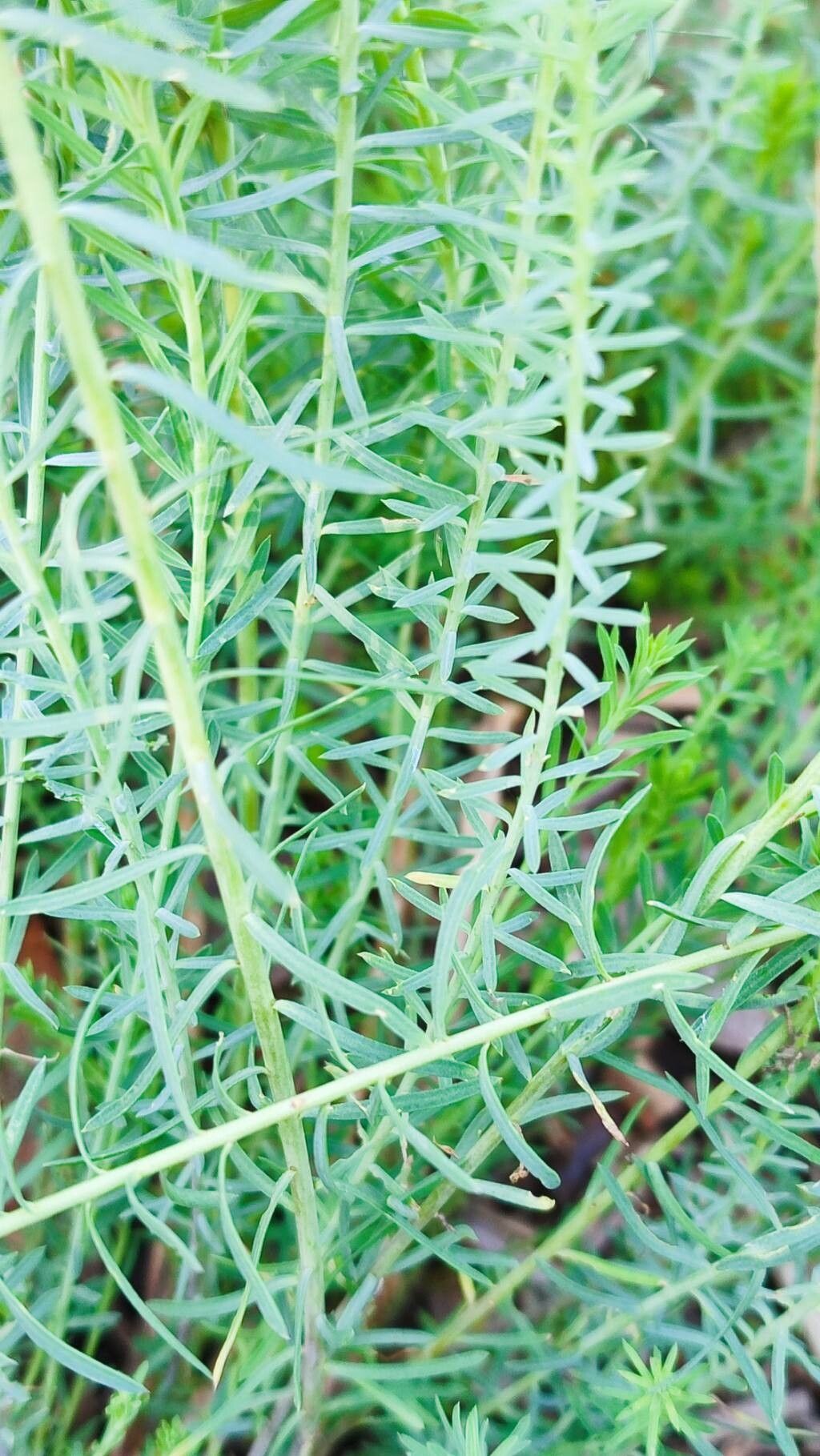
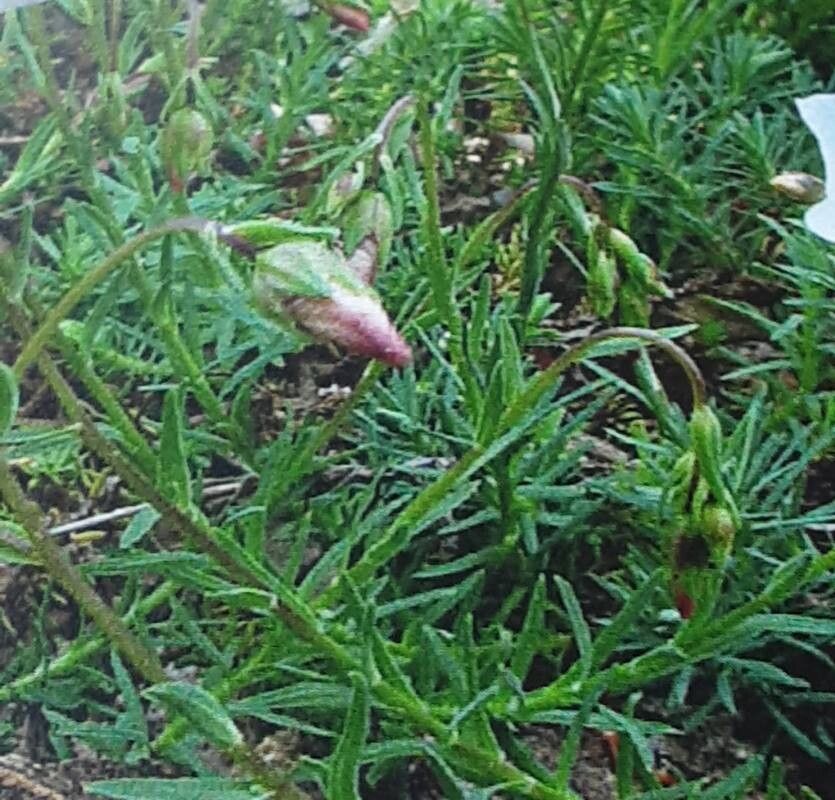
King's flax is fairly resistant to diseases and typically does not get sick easily. Still, it can be vulnerable to pests and illnesses present in its environment. Such infections tend to be mild. Regarding upkeep, this plant needs moderate care. It should be trimmed regularly to keep a neat appearance and encourage healthy growth. Applying fertilizer can also support better flowering. King's flax is well suited for anyone who has outdoor space, like a garden or patio, and it doesn't demand extensive gardening experience. It may need extra attention if cultivated indoors.
How to keep Linum Kingii.
Fertilizer
One fertilizer application in spring is typically enough for King's flax, though repeated feedings can boost growth. Apply feedings about once a month to every month and a half. Fertilizing improves the leaves' appearance and function, helping maintain even color and a healthy texture. It also encourages root development and better nutrient uptake, supporting the plant's long-term health.
Pruning
To encourage healthy growth in king's flax, prune it every year in early spring before new growth begins. Remove any dead stems to maintain its shape and prevent it from becoming too leggy. Light pruning boosts the plant's resilience and enhances its blooming potential. Additionally, ensuring good air circulation helps reduce the risk of disease.
Botanical profile.
Other names.
Reader questions.
What are the sunlight requirements for King's flax (Linum kingii)?
King's flax (Linum kingii) requires full sun, which means the plant should receive above 6 hours of sunlight daily. It's important to observe how sunlight moves through your garden throughout the day. This will help you find spots that offer the right balance of light and shade, ensuring your King's flax plants thrive by getting the perfect amount of sunlight they need.