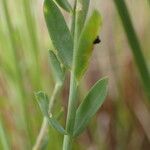
Linum maritimum
Care Guide
💧 Water
Sea flax, a plant native to coastal areas, thrives in environments with moderate humidity and sandy soils. While it prefers consistent moisture, it can tolerate brief periods of dryness and typically needs watering once a week. Its ability to adapt to outdoor conditions means it benefits from natural rainfall and drainage.
How should I water my Sea flax to make it grow well?
To best care for the Sea flax, it is important to use filtered water at room temperature or slightly warmer. Tap water may contain harmful particles that can negatively affect the plant. The Sea flax thrives in warm environments, so cold water should be avoided as it can be a shock to its system. Additionally, overhead watering should be avoided to prevent issues with the foliage. Instead, it is recommended to apply filtered room temperature water directly to the soil until it is completely soaked. This helps moisten the roots and allows them to spread and collect the necessary nutrients.
What should I do if I give my Sea flax too much or too little water?
Overwatering and underwatering can both harm your Sea flax, but overwatering is more common. When your Sea flax gets too much water, its stems and leaves can wilt and turn yellow. Over time, overwatering can also lead to diseases like root rot, mold, and mildew, which can kill your plant. Underwatering is less likely for Sea flax, as it can tolerate drought. However, it can still happen, causing the leaves to become brittle and brown. It's important to recognize the signs of overwatering early to prevent irreversible damage. If you notice early signs, reduce watering immediately. Check the soil drainage and replace it with a well-draining mix if necessary. If your Sea flax appears to be lacking water, simply water it more regularly until the symptoms improve.
How many times should I give water to my Sea flax?
If your Sea flax plant is in a pot, you can check if it needs water by sticking your finger into the soil. If the top two to three inches of soil are dry, then it's time to water it. If you grow your Sea flax outdoors in the ground, you can use the same method to test the soil. When the first few inches of soil have dried out, it's time to water it. During the spring and early fall, you'll likely need to water this plant about once a week using this method. When it gets really hot, you may need to water it twice a week or more. But keep in mind, mature Sea flax plants can withstand drought quite well.
How much water does my Sea flax plant need?
To properly water your Sea flax, be generous with the amount of water you give. Wait until the top two to three inches of soil are dry before watering thoroughly. Make sure to water enough to completely saturate the soil, allowing any excess water to drain out of the pot's drainage holes. If you don't see water draining, you may not have watered enough. However, be cautious not to let water accumulate in the soil, as this can harm the plant. On the other hand, if water is not draining from the pot, it may indicate poor soil drainage, which is not good for the plant's health. If your Sea flax is outside, one inch of rain per week should be sufficient.
How do I water my Sea flax when it is growing at different stages?
The water needs of the Sea flax can vary at different stages of its growth. In the early years and when you have just transplanted it, you will need to water it more than usual. During these stages, the Sea flax focuses on growing new roots, which require extra moisture. As the plant matures, it will require less water. Additionally, during the bloom period, the Sea flax may need more water due to the demands of flower development.
☀️ Light Full sun
Sea flax is a perennial herbaceous plant that favors sunny sites and comes from open habitats, commonly occurring in meadows and grasslands. It prefers full sun but can also tolerate partial sun.
What are the sunlight requirements for Sea flax?
Sea flax, or Linum maritimum, is a sun-loving perennial herb that thrives in full sun conditions, which means it requires more than 6 hours of sunlight daily. However, it can also tolerate partial sun conditions, where it would receive about 3-6 hours of sunlight. It's important to observe how sunlight moves through your garden to place Sea flax in optimal lighting, balancing light and shade to ensure the plant's happiness and health.
Can Sea flax grow under artificial lighting?
Yes, Sea flax can grow under artificial lighting, which is essential in scenarios where natural sunlight is insufficient, especially during winter or in less sunny locations. For optimal growth under artificial lights, it's recommended to use LED lights due to their capability to be customized to the specific light wavelengths needed by plants. For full sun plants like Sea flax, 30-50W/sq ft of light is ideal. Properly positioning the light source 12-36 inches above the plant and ensuring it receives 8-12 hours of light per day mimic natural sunlight conditions and support healthier growth.
What are the symptoms of light deficiency in Sea flax?
Sea flax shows several symptoms when suffering from light deficiency, including the growth of smaller leaves than previous ones, leggy or sparse growth resulting in a thin, weak appearance, faster leaf drop, slower or no new growth, and lighter-colored or pale new leaves. Additionally, excessive sunlight can lead to chlorosis, where leaves lose their green color, sunscald which damages the plant tissue, leaf curling as a defense mechanism against sunlight, wilting due to water loss, and leaf scorching characterized by brown, dry edges on leaves.
How can you address light deficiency issues for Sea flax indoors and outdoors?
To address light deficiency in Sea flax, gradually increase exposure to direct sunlight by moving the plant to a sunnier location each week, aiming for at least 6 hours of sunlight daily. Indoors, use a south-facing window or consider artificial lighting, such as desk lamps or professional grow lights, for at least 8 hours a day. Outdoors, it's crucial to move plants gradually to avoid sunburn. Removing obstructions and, for smaller plants, considering transplanting during their dormant period to a location with ample sunlight and good drainage can also improve conditions for Sea flax.
🌡️ Temperature 15–35°C
Sea flax can tolerate a wide range of temperatures, but its distribution may still be restricted by different combinations of moisture and heat. It grows best in warm summer climates with sufficient rainfall or irrigation. Extended periods of cloudy, rainy weather, and prolonged high temperatures, can raise the risk of Sea flax dying. In winter, adequate protection from cold can increase the plant's chances of survival.
💨 Humidity
🪴 Soil 6-8
🌱 Fertilizer
The best time to fertilize Sea flax is in early spring, as it is coming out of dormancy and beginning active growth. Fertilizing supplies essential nutrients needed for healthy development. While Sea flax has relatively low fertilizer requirements, applying fertilizer once a year can improve its survival and encourage better, longer-lasting flowers.
🪴 Pot & Repot
✂️ Pruning
Sea flax, known for its delicate blue flowers, is a drought-resistant plant. To ensure healthy growth and improve its appearance, it's best to prune it from early to late spring. During pruning, remove any dead stems and shape the plant. This process not only enhances its appearance but also improves air circulation, reduces the risk of disease, and may even trigger a second bloom cycle.
🌿 Propagating
🐛 Diseases & pets
☠️ Toxicity
Characteristics
- Plant Type
- Herb
- Life Cycle
- Perennial
- Genus
- Linum
- Family
- Linaceae
- Hardiness Zone
- 8-10
- Mature Height
- 20 cm to 40 cm
- Mature Spread
- 15 cm to 30 cm
- Leaf Color
- Green
- Leaf Type
- Evergreen
- Flower Color
- Yellow
- Flower Size
- 1.52 cm to 2.03 cm
- Bloom Time
- Summer
- Planting Time
- Spring, Summer, Autumn
- Harvest Time
- Late summer, Early fall, Mid fall